Search
Alomone Labs, LTD
Nectin-1/PVRL1 (extracellular) Polyclonal Antibody, FITC
{{$productOrderCtrl.translations['antibody.pdp.commerceCard.promotion.promotions']}}
{{$productOrderCtrl.translations['antibody.pdp.commerceCard.promotion.promocode']}}: {{promo.promoCode}} {{promo.promoTitle}} {{promo.promoDescription}}. {{$productOrderCtrl.translations['antibody.pdp.commerceCard.promotion.learnmore']}}
{{$ctrl.translations['antibody.pdp.skuNotes.additionalInformation'] || 'Additional Information'}}:
{{$ctrl.translations['antibody.pdp.skuNotes.additionalInformation']}}:

FIGURE: 1 / 3
Nectin-1/PVRL1 (extracellular) Antibody (ANR-051-F-50UL) in Flow
Cell surface detection of Nectin-1 by direct flow cytometry in live intact human MEG-01 megakaryocytic leukemia cells: - (black line) cells. (red) Cells + Rabbit IgG Isotype Control-FITC. (green) Cells + Anti-Nectin-1/PVRL1 (extracellular)-FITC Antibody (#ANR-051-F), (5 µg).


Please note: We are reviewing Western blot images included in the antibody testing data in our catalog, including those provided by third parties. Unless expressly labeled or annotated as “raw-unedited”, Western blot images included in the antibody testing data in our catalog may have been edited, optimized or otherwise adjusted for presentation.


Product Details
ANR-051-F-50UL
Product Specifications
Species Reactivity
Human,
Mouse,
Rat
Host/Isotype
Rabbit
/ IgG
Class
Polyclonal
Type
Antibody
Immunogen
(C)GKPPSVVSWETRLK, corresponding to amino acid residues 177-190 of human Nectin-1, Extracellular, N-terminus
Conjugate
FITC
FITC
FITC
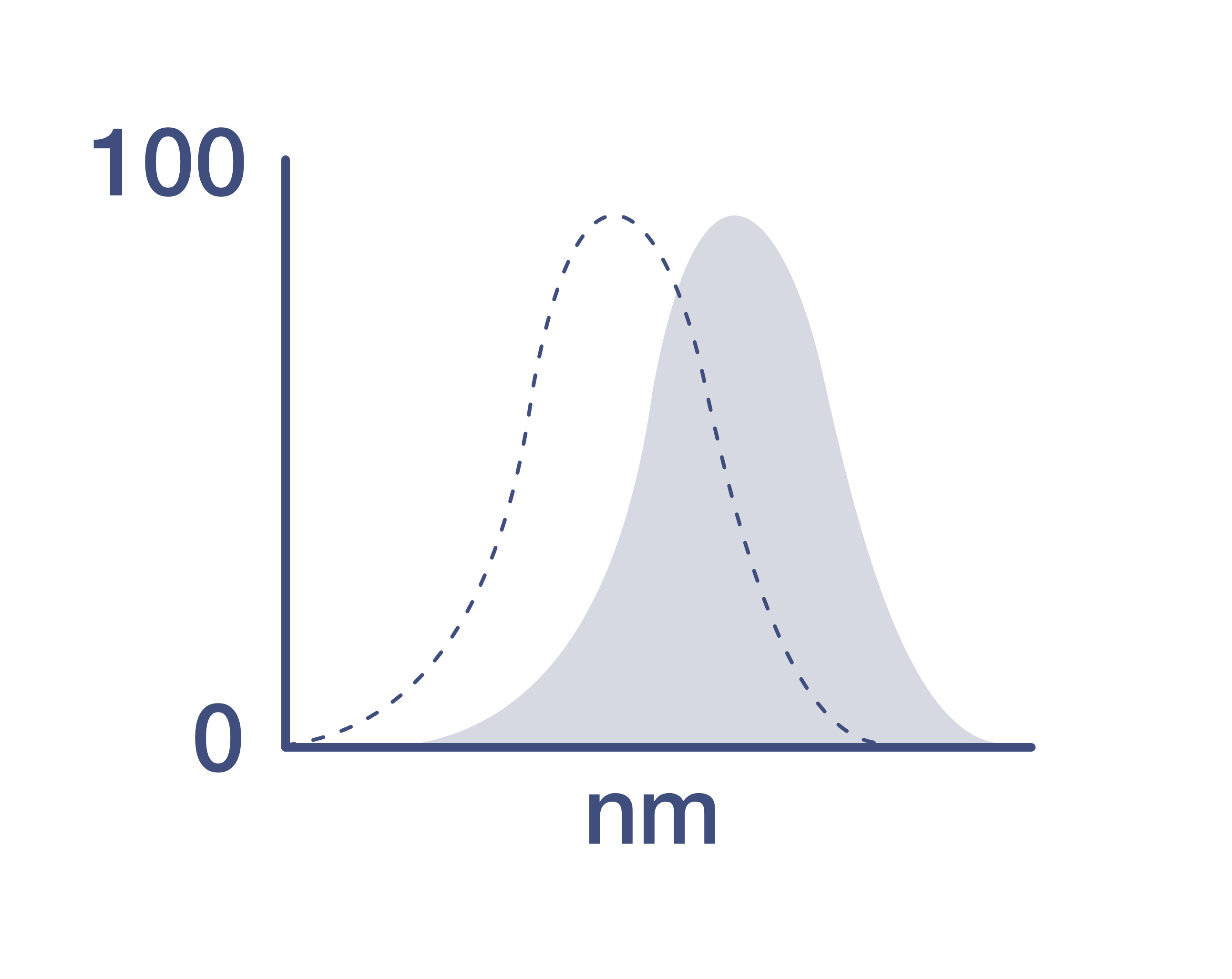
Excitation/Emission Max
498/517 nm
View spectra
Form
Lyophilized
Concentration
1 mg/mL once reconstituted
Amount
50 µg
Purification
Antigen affinity chromatography
Storage buffer
PBS, pH 7.4, with 1% BSA
Contains
0.05% sodium azide
Storage conditions
-20°C, Avoid Freeze/Thaw Cycles, store in dark
Shipping conditions
Ambient (domestic); Wet ice (international)
Product Specific Information
Reconstitution: 15 µL or 50 µL double distilled water (DDW), depending on the sample size. The antibody ships as a lyophilized powder at room temperature. Upon arrival, it should be stored at -20C. The reconstituted solution can be stored at 4C for up to 1 week. For longer periods, small aliquots should be stored at -20C. Avoid multiple freezing and thawing. Centrifuge all antibody preparations before use (10000 x g 5 min).
Target Information
This gene encodes an adhesion protein that plays a role in the organization of adherens junctions and tight junctions in epithelial and endothelial cells. The protein is a calcium(2+)-independent cell-cell adhesion molecule that belongs to the immunoglobulin superfamily and has 3 extracellular immunoglobulin-like loops, a single transmembrane domain, and a cytoplasmic region. This protein acts as a receptor for glycoprotein D of herpes simplex viruses 1 and 2, and pseudorabies virus and mediates viral entry into epithelial and neuronal cells. Mutations in this gene cause cleft lip and palate/ectodermal dysplasia 1 syndrome as well as non-syndromic cleft lip with or without cleft palate. Alternative splicing results in multiple transcript variants encoding proteins with distinct C-termini.
For Research Use Only. Not for use in diagnostic procedures. Not for resale without express authorization.
How to use the Panel Builder
Watch the video to learn how to use the Invitrogen Flow Cytometry Panel Builder to build your next flow cytometry panel in 5 easy steps.
References (0)
Have you cited this product in a publication?
Let us know so we can reference it here.
Bioinformatics
Protein Aliases: alphaherpesvirus gD receptor; alphaherpesvirus receptor; intracellular adhesion molecule; cell-cell adhesion molecule; ectodermal dysplasia 4 (Margarita Island type); herpes simplex virus type 1 sensitivity; herpes virus entry mediator C; herpesvirus entry mediator C; herpesvirus entry receptor; herpesvirus Ig-like receptor; nectin 1; nectin); nectin-1 alpha; nectin-1 delta; poliovirus receptor-like 1; poliovirus receptor-related 1 (herpesvirus entry mediator C; poliovirus receptor-related 1 (herpesvirus entry mediator C); poliovirus receptor-related 1 (herpesvirus entry mediator C; nectin); poliovirus receptor-related protein 1; PVRL1
Gene Aliases: CD111; CLPED1; ED4; HIgR; HV1S; HVEC; nectin-1; OFC7; PRR; PRR1; PVRL1; PVRR; PVRR1; SK-12
UniProt ID: (Human) Q15223, (Mouse) Q9JKF6
Entrez Gene ID: (Human) 5818, (Mouse) 58235, (Rat) 192183
immune response
cell adhesion
homophilic cell adhesion via plasma membrane adhesion molecules
heterophilic cell-cell adhesion via plasma membrane cell adhesion molecules
axon guidance
viral entry into host cell
regulation of synapse organization
regulation of synapse assembly
cochlea morphogenesis
cell-cell adhesion
protein localization to cell junction
lens morphogenesis in camera-type eye
desmosome organization
iron ion transport
camera-type eye morphogenesis
retina development in camera-type eye
enamel mineralization
Disclaimer

Clicking the images or links will redirect you to a website hosted by BenchSci that provides third-party scientific content. Neither the content nor the BenchSci technology and processes for selection have been evaluated by us; we are providing them as-is and without warranty of any kind, including for use or application of the Thermo Fisher Scientific products presented.

Performance Guarantee
If an Invitrogen™ antibody doesn't perform as described on our website or datasheet,we'll replace the product at no cost to you, or provide you with a credit for a future purchase.*
Learn more
We're here to help
Get expert recommendations for common problems or connect directly with an on staff expert for technical assistance related to applications, equipment and general product use.
Contact tech support