Search
Invitrogen
F(ab')2-Goat anti-Mouse IgG (H+L) Secondary Antibody, NovaFluor™ Yellow 610, eBioscience™
{{$productOrderCtrl.translations['antibody.pdp.commerceCard.promotion.promotions']}}
{{$productOrderCtrl.translations['antibody.pdp.commerceCard.promotion.promocode']}}: {{promo.promoCode}} {{promo.promoTitle}} {{promo.promoDescription}}. {{$productOrderCtrl.translations['antibody.pdp.commerceCard.promotion.learnmore']}}
{{$ctrl.translations['antibody.pdp.skuNotes.additionalInformation'] || 'Additional Information'}}:
{{$ctrl.translations['antibody.pdp.skuNotes.additionalInformation']}}:

FIGURE: 1 / 3
Mouse IgG (H+L) Secondary Antibody (S001T03Y03) in Flow
Staining of normal human peripheral blood cells with staining buffer (blue histogram) or Anti-Human CD4 Purified (a mouse IgG1 isotype, SK3, Product #603-041) (purple histogram) followed by 0.05 µg of F (ab')2 Anti-Mouse IgG NovaFluor Yellow 610 (Product #: S001T03Y03). Total viable cells in the lymphocyte gate were used for analysis, as determined by LIVE/DEAD Blue (Product # L34962). Data was acquired on ... View More


Please note: We are reviewing Western blot images included in the antibody testing data in our catalog, including those provided by third parties. Unless expressly labeled or annotated as “raw-unedited”, Western blot images included in the antibody testing data in our catalog may have been edited, optimized or otherwise adjusted for presentation.


Product Details
S001T03Y03
Applications
Tested Dilution
Flow Cytometry (Flow)
Assay-dependent
Product Specifications
Host/Isotype
Goat
/ Ig
Class
Polyclonal
Type
Secondary Antibody
Conjugate
NovaFluor™ Yellow 610
NovaFluor™ Yellow 610
NovaFluor™ Yellow 610
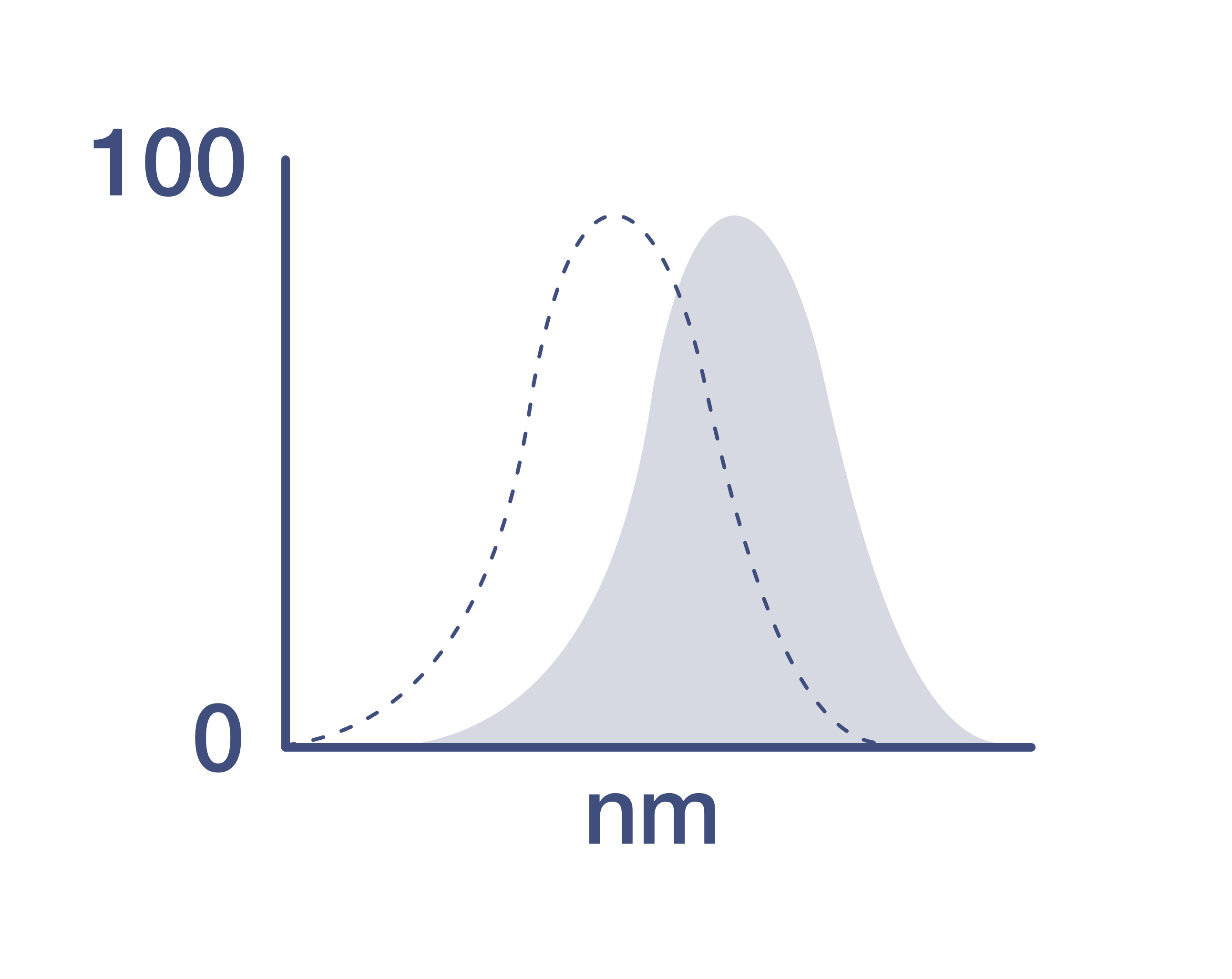
Excitation/Emission Max
551/614 nm
View spectra
Form
Liquid
Concentration
0.1 mg/mL
Amount
100 µg
Storage conditions
4°C, store in dark, DO NOT FREEZE!
Shipping conditions
Ambient (domestic); Wet ice (international)
RRID
Target
IgG
Antibody Form
F(ab')2 Fragment
Product Specific Information
Description: The goat anti-mouse IgG polyclonal antibody reacts with the heavy and light chains of mouse IgG, with minimal cross reactivity to human, rat, bovine, goat, hamster, and rabbit serum proteins. Reactivity has been shown to IgG1, IgG2a, IgG2b, and IgG3, as well as some reactivity to IgM. The antibody is a F(ab')2 fragment which contains the 2 Fab domains still linked through the hinge region of the immunoglobulin. Removal of the Fc region helps to reduce issues typically found with Fc-mediated binding.IThis polyclonal has been validated as a secondary reagent (its ability to recognize cells stained with a mouse IgG followed by this polyclonal antibody).
Applications Reported: This polyclonal antibody has been reported for use in flow cytometric analysis.
Our internal testing shows that NovaFluor Yellow 610 non-specifically stains B cells in SJL mice. Non-specific staining has not been observed in BALB/c or C57BL/6 mice. Other strains have not been tested. See the Antibody Testing Data for an example of this strain-dependent difference.
Applications Tested: This polyclonal antibody has been tested by flow cytometric analysis of normal human peripheral blood cells stained first with a mouse anti-human antibody. This can be used at less than or equal to 0.5 µg per test. A test is defined as the amount (µg) of antibody that will stain a cell sample in a final volume of 100 µL. Cell number should be determined empirically but can range from 10^5 to 10^8 cells/test. This polyclonal antibody has been tested by immunohistochemistry on formalin-fixed paraffin embedded sections that have been stained first with a mouse anti-human antibody. This can be used at less than or equal to 10 µg/mL. It is recommended that the antibody be carefully titrated for optimal performance in the assay of interest.
Each NovaFluor conjugate or kit is shipped with CellBlox Blocking Buffer. Use this buffer whenever staining with NovaFluor conjugates, including single-color compensation controls using cells. Whenever possible, we recommend adding CellBlox Blocking Buffer to antibody cocktails/master mixes prior to combining with cells. Add 5 µL per sample (regardless of the number of NovaFluors in your panel) to use the antibody cocktail as intended. For single-color controls, use 5 µL of CellBlox Blocking Buffer per 100µL of cell sample containing 10^3 to 10^8 cells.
Excitation: 552 nm; Emission: 612 nm; Laser: 561 nm (Yellow) Laser
NovaFluor conjugates are based on Phiton™ technology utilizing novel nucleic acid dye structures that allow for engineered fluorescent signatures with consideration for spillover and spread impacts. Learn more
Target Information
Anti-Mouse secondary antibodies are affinity-purified antibodies with well-characterized specificity for mouse immunoglobulins and are useful in the detection, sorting or purification of its specified target. Secondary antibodies offer increased versatility enabling users to use many detection systems (e.g. HRP, AP, fluorescence). They can also provide greater sensitivity through signal amplification as multiple secondary antibodies can bind to a single primary antibody. Most commonly, secondary antibodies are generated by immunizing the host animal with a pooled population of immunoglobulins from the target species and can be further purified and modified (i.e. immunoaffinity chromatography, antibody fragmentation, label conjugation, etc.) to generate highly specific reagents.
For Research Use Only. Not for use in diagnostic procedures. Not for resale without express authorization.
Disclaimer

Clicking the images or links will redirect you to a website hosted by BenchSci that provides third-party scientific content. Neither the content nor the BenchSci technology and processes for selection have been evaluated by us; we are providing them as-is and without warranty of any kind, including for use or application of the Thermo Fisher Scientific products presented.

Performance Guarantee
If an Invitrogen™ antibody doesn't perform as described on our website or datasheet,we'll replace the product at no cost to you, or provide you with a credit for a future purchase.*
Learn more
We're here to help
Get expert recommendations for common problems or connect directly with an on staff expert for technical assistance related to applications, equipment and general product use.
Contact tech support