What is analytical development?
Analytical development focuses on designing, developing, and validating methods to test and characterize drug substances and products, ensuring accurate measurement of identity, strength, purity, quality, and stability across the product life cycle. It supports formulation, manufacturing, stability studies, and regulatory submissions, helping ensure medicines are safe, effective, and consistently meet regulatory standards.
What resources are there for your analytical development needs?
The Thermo Scientific Analytical development brochure covers all aspects of analytical development across the entire pharmaceutical pipeline. Analytical equipment covered in detail are for metabolite identification, extractables and leachables analysis, bioanalysis, genotoxic impurity analysis and quality control batch release testing. An overview of the importance of each and additional key resources are given below.
- Metabolite identification
MetID is a crucial and integral part of drug discovery and development. Confident metabolite annotation generally requires fragmentation data to allow structure elucidation. Rapid metabolism reduces the duration and potential efficacy of pharmaceuticals. Common challenges include limited sensitivity and selectivity in metabolite detection, to learn more about the solutions view this Met ID eBook. - Extractables and leachables analysis
E&L analysis encompasses characterization and quantification of unknown compounds in pharmaceuticals or medical devices. Comprehensive solutions are available to address the key challenges such as confident identification of unknowns, learn more about addressing these in our E&L solution guide. - Bioanalysis
Bioanalysis requires the ultimate performance—speed, resolving power, and robustness—all in the presence of a complex biological matrix. With hundreds of samples processed on each system per day, fast separation is required and must remain stable. This in turn means more strain on the resolving power and scan speed of the detector. Challenges include time consuming error prone manual sample preparation, to learn more about how to address these challenges with comprehensive solutions visit the Bioanalysis webpage. - Genotoxic impurity analysis
To minimize the in-situ formation of nitrosamines for example in pharmaceuticals, either during manufacturing or storage, it is important to accurately assess the precursors such as nitrite and secondary amines as part of risk assessment and QC. To learn more about how to address the common challenges include in situ formation of nitrosamines download our comprehensive Nitrosamine Solution Guide. - Quality control batch release testing
High throughput and confidence in the results is key in product release. Methods are locked down through validation and need to be transferred across platforms and even laboratories. Common challenges include ensuring 21 CFR part 11 compliant software with mass spectrometry data to learn about how to overcome this challenge with compliance ready software visit this webpage CDS Software—Built for Compliance. Any deviation or performance issues need to be investigated and so robust platforms, and the ability to transfer methods within strict performance criteria, are essential.
To learn more about these topics download the Analytical Development brochure now.
Visit us on LinkedIn: #analyticaldevelopment #pharma #massspectrometry
Stability-Indicating HPLC-UV Method for Semaglutide Impurity Analysis
As demand for GLP-1 receptor agonists like semaglutide conti...
Read More
Modernizing Routine HPLC Methods: Aligning Productivity, Compliance, and Sustainability
Interested in HPLC method modernization and compliance? I an...
Read More
Understanding PFAS in Pharmaceutical Manufacturing
Introduction to PFAS Per- and polyfluoroalkyl substances (PF...
Read More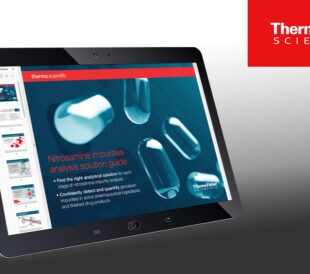
Understanding Nitrosamine Drug Substance-Related Impurities (NDSRIs)
Introduction Nitrosamine drug substance-related impurities (...
Read More