Search
 Element Search
 Structure Search


Thermo Scientific Chemicals
Nickel(II) chloride, anhydrous, 98%
CAS: 7718-54-9 | Cl2Ni | 129.593 g/mol
Have Questions?
Change view

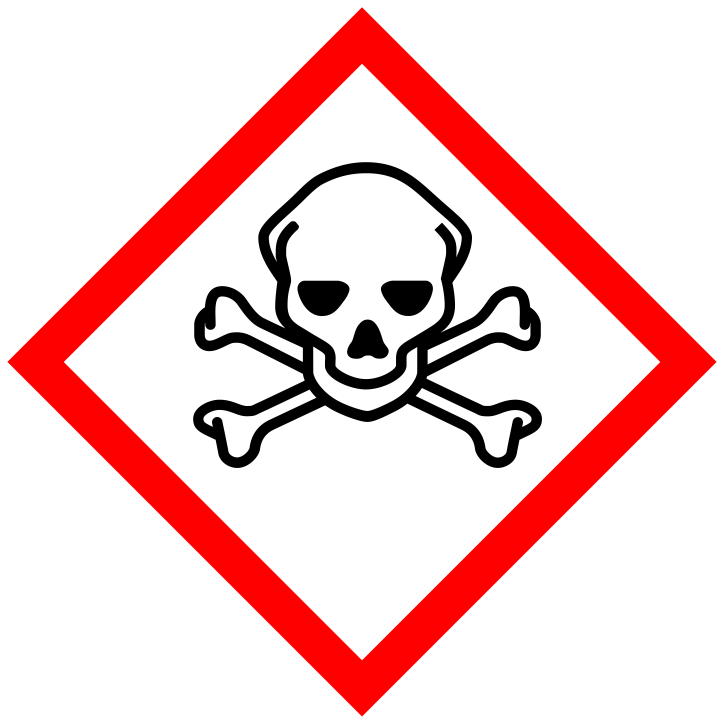

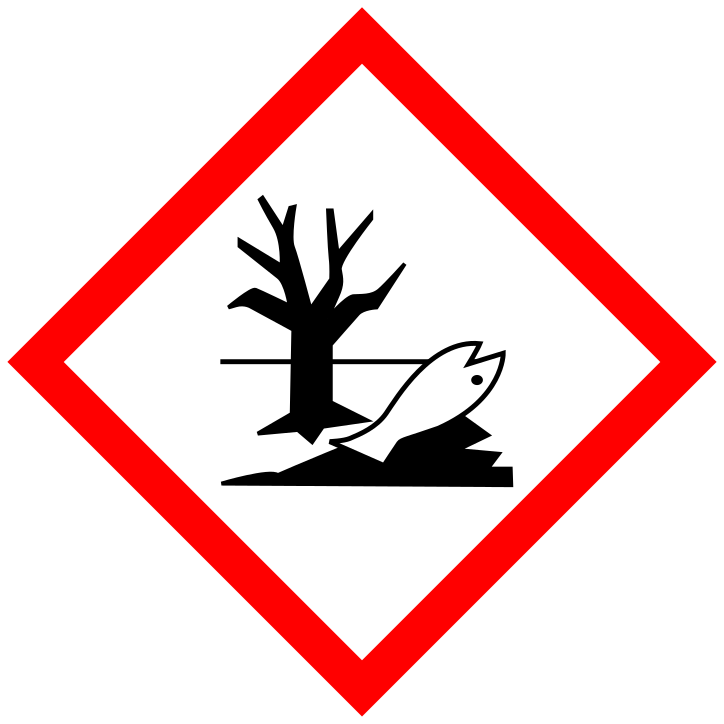

Catalog number B22085.14
also known as B22085-14
Price (EUR)
33,80
Each
Quantity:
25 g
Price (EUR)
33,80
Each
Chemical Identifiers
CAS7718-54-9
IUPAC Namenickel(2+) dichloride
Molecular FormulaCl2Ni
InChI KeyQMMRZOWCJAIUJA-UHFFFAOYSA-L
SMILES[Cl-].[Cl-].[Ni++]
View more
Specifications Specification Sheet
Appearance (Color)Yellow to pale orange to orange
Assay (Titration ex Chloride)≥97.5 to ≤102.5%
Identification (FTIR)Conforms
Water Content (Karl Fischer Titration)<1.0%
FormPowder
Nickel(II) chloride is a mild Lewis acid used for the regioselective isomerization of dienols and selective reduction of alkenes to alkanes in presence of Lithium aluminum hydride. It is used as a precursor to nickel boride, finely divided nickel. It acts as a catalyst to prepare dialkyl arylphosphonates from phosphites and aryl iodide. It finds application in the electroplating of nickel onto other metal items. It is also used in the synthesis of semiconducting metal-containing polymers.
This Thermo Scientific Chemicals brand product was originally part of the Alfa Aesar product portfolio. Some documentation and label information may refer to the legacy brand. The original Alfa Aesar product / item code or SKU reference has not changed as a part of the brand transition to Thermo Scientific Chemicals.
Applications
Nickel(II) chloride is a mild Lewis acid used for the regioselective isomerization of dienols and selective reduction of alkenes to alkanes in presence of Lithium aluminum hydride. It is used as a precursor to nickel boride, finely divided nickel. It acts as a catalyst to prepare dialkyl arylphosphonates from phosphites and aryl iodide. It finds application in the electroplating of nickel onto other metal items. It is also used in the synthesis of semiconducting metal-containing polymers.
Solubility
Soluble in ethylene glycol, ethanol, hydrazine and ammonium hydroxide. Slightly soluble in water. Insoluble in nitric acid.
Notes
Hygroscopic. Keep the container tightly closed in a dry and well-ventilated place. Incompatible with peroxides.
RUO – Research Use Only
General References:
- For formation and reactions of nickel boride, see Sodium borohydride, 35788.
- For a brief feature on uses of NiCl2 and its hydrate in synthesis, see: Synlett, 279 (2003).
- Güvenatam, B.; Heeres, E. H. J.; Pidko, E. A.; Hensen, E. J. M. Decomposition of lignin model compounds by Lewis acid catalysts in water and ethanol. J. Mol. Catal. A: Chem. 2015, 410, 89-99.
- Tian, Y.; Etschmann, B.; Liu, W.; Borg, S.; Mei, Y.; Testemale, D.; O'Neill, B.; Rae, N.; Sherman, D. M.; Ngothai, Y.; Johannessen, B.; Glover, C.; Brugger, J. Speciation of nickel(II) chloride complexes in hydrothermal fluids: In situ XAS study. Chem. Geol. 2012, 334, 345-363.