Search

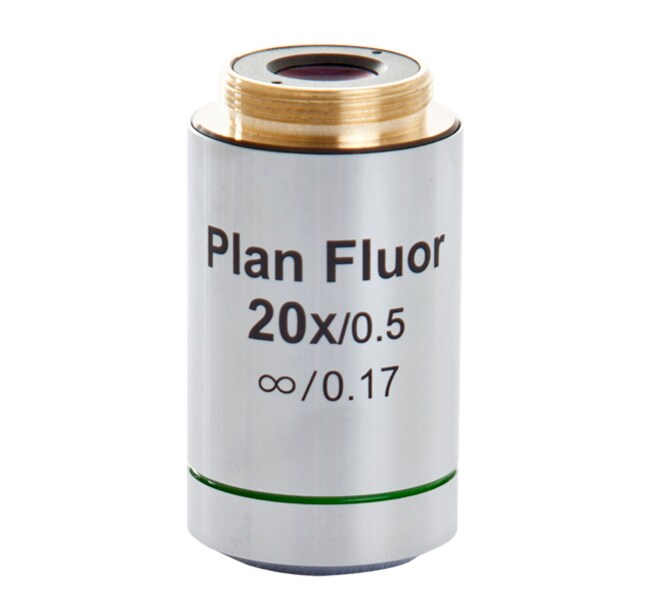
Objetivo EVOS™ 20X, fluorita, corregido con cubreobjetos
Este objetivo de fluorita es ideal para la fluorescencia y las aplicaciones exigentes de luz transmitida. Este es un objetivoMás información
| Número de catálogo | Cantidad |
|---|---|
| AMEP4698 | 1 unidad |
Número de catálogo AMEP4698
Precio (CLP)
-
Cantidad:
1 unidad
Este objetivo de fluorita es ideal para la fluorescencia y las aplicaciones exigentes de luz transmitida. Este es un objetivo corregido con cubreobjetos que se optimiza para la adquisición de imágenes con cubreobjetos n.º 1.5. Todos los objetivos EVOS ofrecen un rendimiento óptico excepcional desde la luz visible hasta la luz infrarroja cercana. La amplia selección de objetivos satisface las necesidades en todo el espectro de aumentos y especificaciones ópticas.
Características adicionales de este objetivo EVOS:
• Aumento: Abertura numérica 20X
•: Distancia de funcionamiento de 0,50
•:
Calidad de imagen de 2,5 mm
Los objetivos del microscopio pueden ser los componentes más importantes de un microscopio óptico porque son los responsables de la formación de la imagen primaria. La calidad de la imagen es crucial para el éxito experimental y un requisito para la publicación y los objetivos EVOS ofrecen esa calidad en todo el espectro visible hasta la luz infrarroja cercana. Este rendimiento es el resultado de años de perfección en la fabricación de lentes. Los objetivos EVOS presentan las mismas o mejores aperturas numéricas que los de cualquier otro fabricante y la amplia selección pone a su disposición diversas opciones para sus requisitos de adquisición de imágenes.
Clases de objetivos
Objetivos acromáticos Son perfectos para aplicaciones generales, con corrección estándar del color y el enfoque.
Objetivos de fluorita Ofrecen una resolución excelente y se fabrican con aperturas numéricas más altas que los objetivos acromáticos, lo que da como resultado una señal de fluorescencia más brillante y la adquisición de imágenes con mayor contraste. La mayor calidad óptica reduce en gran medida las aberraciones ópticas, y las correcciones de color y enfoque están en niveles más altos que los objetivos acromáticos. Los objetivos de fluorita son ideales para aplicaciones de fluorescencia y de luz transmitida exigentes, donde el mayor contraste hace que sean perfectos para la adquisición de imágenes en color.
Los objetivos acromáticos se fabrican con los niveles más altos de resolución, brillo de fluorescencia y contraste; las aberraciones cromáticas casi se eliminan. Se recomiendan para las aplicaciones más exigentes, especialmente para aumentos de 60x y superiores. Los objetivos apocromáticos son la mejor opción para la captura de imágenes en color con luz blanca.
Contraste de objetivo de campo claro frente a contraste de fases
El campo claro es la forma más básica de microscopía óptica y se logra mediante la absorción de la luz de la muestra. Un área de mayor densidad en una muestra absorberá más luz, aumentando así el contraste en esas áreas.
Los objetivos de contraste de fases son más útiles para las muestras translúcidas difíciles de ver. Este método de contraste se logra convirtiendo los cambios de fase, causados por la luz que pasa a través de una muestra translúcida, en cambios de brillo (contraste).
Objetivos de distancia de trabajo larga frente a corregidos con cubreobjetos
Los objetivos de distancia de trabajo larga (LWD) están optimizados para su uso con recipientes con un espesor nominal de las paredes de entre 0,9 y 1,5 mm. Esto incluye los recipientes comúnmente utilizados en el cultivo celular y ensayos basados en células, como portaobjetos, placas y matraces de cultivo celular, placas de pocillos de microtitulación, etc. Los objetivos corregidos con cubreobjetos se optimizan para su uso con cubreobjetos n.º 1.5 (grosor aproximado de 0,17 mm). Estos objetivos tienen una mayor relación de aumento/NA y proporcionan una mayor resolución en comparación con los objetivos de LWD.
Para obtener más opciones, visite la guía de selección de objetivos EVOS
Descubra toda la línea de sistemas de imágenes y accesorios EVOS
Características adicionales de este objetivo EVOS:
• Aumento: Abertura numérica 20X
•: Distancia de funcionamiento de 0,50
•:
Calidad de imagen de 2,5 mm
Los objetivos del microscopio pueden ser los componentes más importantes de un microscopio óptico porque son los responsables de la formación de la imagen primaria. La calidad de la imagen es crucial para el éxito experimental y un requisito para la publicación y los objetivos EVOS ofrecen esa calidad en todo el espectro visible hasta la luz infrarroja cercana. Este rendimiento es el resultado de años de perfección en la fabricación de lentes. Los objetivos EVOS presentan las mismas o mejores aperturas numéricas que los de cualquier otro fabricante y la amplia selección pone a su disposición diversas opciones para sus requisitos de adquisición de imágenes.
Clases de objetivos
Objetivos acromáticos Son perfectos para aplicaciones generales, con corrección estándar del color y el enfoque.
Objetivos de fluorita Ofrecen una resolución excelente y se fabrican con aperturas numéricas más altas que los objetivos acromáticos, lo que da como resultado una señal de fluorescencia más brillante y la adquisición de imágenes con mayor contraste. La mayor calidad óptica reduce en gran medida las aberraciones ópticas, y las correcciones de color y enfoque están en niveles más altos que los objetivos acromáticos. Los objetivos de fluorita son ideales para aplicaciones de fluorescencia y de luz transmitida exigentes, donde el mayor contraste hace que sean perfectos para la adquisición de imágenes en color.
Los objetivos acromáticos se fabrican con los niveles más altos de resolución, brillo de fluorescencia y contraste; las aberraciones cromáticas casi se eliminan. Se recomiendan para las aplicaciones más exigentes, especialmente para aumentos de 60x y superiores. Los objetivos apocromáticos son la mejor opción para la captura de imágenes en color con luz blanca.
Contraste de objetivo de campo claro frente a contraste de fases
El campo claro es la forma más básica de microscopía óptica y se logra mediante la absorción de la luz de la muestra. Un área de mayor densidad en una muestra absorberá más luz, aumentando así el contraste en esas áreas.
Los objetivos de contraste de fases son más útiles para las muestras translúcidas difíciles de ver. Este método de contraste se logra convirtiendo los cambios de fase, causados por la luz que pasa a través de una muestra translúcida, en cambios de brillo (contraste).
Objetivos de distancia de trabajo larga frente a corregidos con cubreobjetos
Los objetivos de distancia de trabajo larga (LWD) están optimizados para su uso con recipientes con un espesor nominal de las paredes de entre 0,9 y 1,5 mm. Esto incluye los recipientes comúnmente utilizados en el cultivo celular y ensayos basados en células, como portaobjetos, placas y matraces de cultivo celular, placas de pocillos de microtitulación, etc. Los objetivos corregidos con cubreobjetos se optimizan para su uso con cubreobjetos n.º 1.5 (grosor aproximado de 0,17 mm). Estos objetivos tienen una mayor relación de aumento/NA y proporcionan una mayor resolución en comparación con los objetivos de LWD.
Para obtener más opciones, visite la guía de selección de objetivos EVOS
Descubra toda la línea de sistemas de imágenes y accesorios EVOS
Para uso exclusivo en investigación. No apto para uso en procedimientos diagnósticos.
Especificaciones
Distancia de enfoque2,5 mm
Para utilizar con (equipo)Sistema de adquisición de imágenes EVOS™ XL Core, Sistema de adquisición de imágenes EVOS™ FL Color, Sistema de adquisición de imágenes EVOS™ XL, Sistema de adquisición de imágenes EVOS™ FL, Sistema de adquisición de imágenes EVOS™ FL Auto
Tipo de lentePlano de fluorita
Aumento20X
Abertura numérica0,50
Cantidad1 unidad
Línea de productosEVOS
TipoLente de objetivo
Unit SizeEach