Search



Citations & References (2)
Gibco™
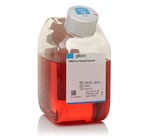
DMEM, low glucose, pyruvate
DMEM (Dulbecco's Modified Eagle Medium) is a widely used basal medium for supporting the growth of many different mammalian cells.
| Catalog Number | Quantity |
|---|---|
| 11885084 | 1 x 500 mL |
Catalog number 11885084
Price (EUR)
22,65
Online exclusive
28,37Save 5,72 (20%)
Each
Quantity:
1 x 500 mL
Price (EUR)
22,65
Online exclusive
28,37Save 5,72 (20%)
Each
DMEM (Dulbecco's Modified Eagle Medium) is a widely used basal medium for supporting the growth of many different mammalian cells. Cells successfully cultured in DMEM include primary fibroblasts, neurons, glial cells, HUVECs, and smooth muscle cells, as well as cell lines such as HeLa, 293, Cos-7, and PC-12. We offer a variety of DMEM modifications for a range of cell culture applications. Find the right formulation using the media selector tool.
This DMEM is modified as follows:
With: Low Glucose, L-Glutamine, Sodium Pyruvate, Phenol Red
Without: HEPES
The complete formulation is available.
Using DMEM
DMEM is unique from other media as it contains 4 times the concentration of amino acids and vitamins than the original Eagle's Minimal Essential Medium. DMEM was originally formulated with low glucose (1 g/L) and sodium pyruvate, but is often used with higher glucose levels, with or without sodium pyruvate. DMEM contains no proteins, lipids, or growth factors. Therefore, DMEM requires supplementation, commonly with 10% Fetal Bovine Serum (FBS). DMEM uses a sodium bicarbonate buffer system (3.7 g/L), and therefore requires a 5–10% CO2 environment to maintain physiological pH.
Product use
For human ex vivo tissue and cell culture processing applications. CAUTION: When used as a medical device, Federal law restricts this device to sale by or on the order of a physician. Customers using Gibco™ DMEM in a manufacturing process, who have a submission with the FDA, may request a letter of authorization from us to reference our Type II Drug Master File (DMF).
For Research Use or Further Manufacturing. Not for diagnostic use or direct administration into humans or animals.
Specifications
Cell LineHeLa, 293, Cos-7, and PC-12
Cell TypeMammalian Cells
Concentration1X
Culture EnvironmentCO2
For Use With (Application)Mammalian Cell Culture
FormatBottle
Manufacturing QualitycGMP-compliant under the ISO 13485 standard
Product LineGibco
Product TypeDMEM (Dulbecco's Modified Eagle Medium)
Quantity1 x 500 mL
Shelf Life12 Months From Date of Manufacture
Shipping ConditionAmbient
ClassificationAnimal Origin-free
Culture TypeMammalian Cell Culture
FormLiquid
Serum LevelStandard Serum Supplementation
SterilitySterile-filtered
Sterilization MethodSterile-filtered
With AdditivesLow Glucose, Glutamine, Phenol Red, Sodium Pyruvate
Without AdditivesNo HEPES
Unit SizeEach
Contents & Storage
Storage conditions: 2°C to 8°C (protect from light)
Shipping conditions: Ambient
Shelf life: 12 months from date of manufacture
Shipping conditions: Ambient
Shelf life: 12 months from date of manufacture
Frequently asked questions (FAQs)
What is the manganese concentration in DMEM? Do you offer manganese-free DMEM?
What is the shelf life of the DMEM, high glucose, pyruvate medium once the bottle is opened and the medium is supplemented?
Is it necessary to store DMEM, high glucose, pyruvate medium in the dark?
Citations & References (2)
Citations & References
Abstract
Interaction between the components of the interferon gamma receptor complex.
Journal:J Biol Chem
PubMed ID:7673114
'Interferon gamma (IFN-gamma) signals through a multimeric receptor complex consisting of two different chains: the IFN-gamma receptor binding subunit (IFN-gamma R, IFN-gamma R1), and a transmembrane accessory factor (AF-1, IFN-gamma R2) necessary for signal transduction. Using cell lines expressing different cloned components of the IFN-gamma receptor complex, we examined the
Effects of hypoxia, glucose deprivation and recovery on the expression of nucleoside transporters and adenosine uptake in primary culture of rat cortical astrocytes.
Journal:Neurochem Res
PubMed ID:20577800
'The aim of this study was to explore effects of hypoxia, glucose deprivation (HGD) and recovery on expression and activities of equilibrative nucleoside transporters (rENT) and concentrative nucleoside transporters (rCNT) in rat astrocytes in primary culture. Amounts of cellular ATP in the control group (CG, 5% CO(2) in air, medium