Search


Citations & References (2)
Gibco™
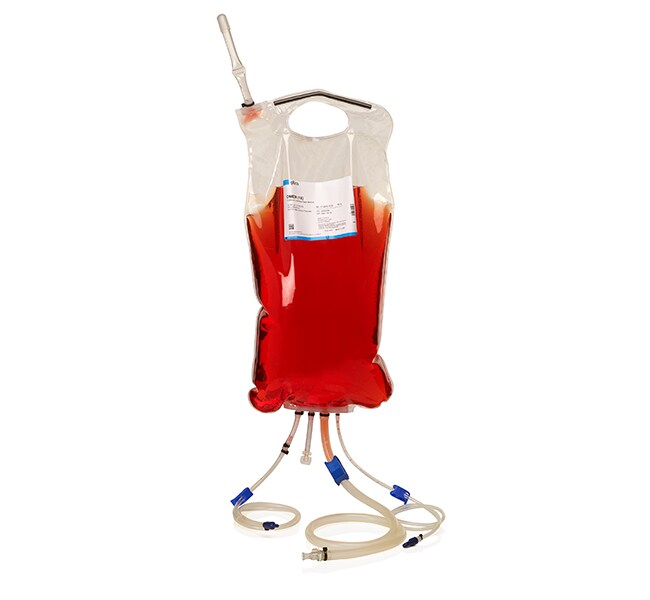
DMEM, high glucose, pyruvate
DMEM (Dulbecco's Modified Eagle Medium) is a widely used basal medium for supporting the growth of many different mammalian cells.
Have Questions?
Change view

| Catalog Number | Quantity |
|---|---|
| 41966029 also known as 41966-029 | 1 x 500 mL |
| 41966052 also known as 41966-052 | 10 x 500 mL |
| 41966161 | 1 x 10 L |
Catalog number 41966029
also known as 41966-029
Price (EUR)
18,65
Online exclusive
25,27Save 6,62 (26%)
Each
Quantity:
1 x 500 mL
Price (EUR)
18,65
Online exclusive
25,27Save 6,62 (26%)
Each
DMEM (Dulbecco's Modified Eagle Medium) is a widely used basal medium for supporting the growth of many different mammalian cells. Cells successfully cultured in DMEM include primary fibroblasts, neurons, glial cells, HUVECs, and smooth muscle cells, as well as cell lines such as HeLa, 293, Cos-7, and PC-12. We offer a variety of DMEM modifications for a range of cell culture applications. Find the right formulation using the media selector tool.
This DMEM is modified as follows:
With: High Glucose, L-glutamine, Phenol Red, Sodium Pyruvate
Without: HEPES
The complete formulation is available.
Using DMEM
DMEM is unique from other media as it contains 4 times the concentration of amino acids and vitamins than the original Eagle's Minimal Essential Medium. DMEM was originally formulated with low glucose (1 g/L) and sodium pyruvate, but is often used with higher glucose levels, with or without sodium pyruvate. DMEM contains no proteins, lipids, or growth factors. Therefore, DMEM requires supplementation, commonly with 10% Fetal Bovine Serum (FBS). DMEM uses a sodium bicarbonate buffer system (3.7 g/L), and therefore requires a 5–10% CO2 environment to maintain physiological pH.
For Research Use or Further Manufacturing. Not for diagnostic use or direct administration into humans or animals.
Specifications
Cell LineHeLa, 293, Cos-7, and PC-12
Cell TypeMammalian Cells
Concentration1X
Culture EnvironmentCO2
For Use With (Application)Mammalian Cell Culture
FormatBottle
Glucose Concentration4500 mg/L
Manufacturing QualitycGMP-compliant under the ISO 13485 standard
Product LineGibco
Product TypeDMEM (Dulbecco's Modified Eagle Medium)
Quantity1 x 500 mL
Shelf Life12 Months From Date of Manufacture
Shipping ConditionAmbient
ClassificationAnimal Origin-free
Culture TypeMammalian Cell Culture
FormLiquid
Serum LevelStandard Serum Supplementation
SterilitySterile-filtered
Sterilization MethodSterile-filtered
With AdditivesHigh Glucose, Glutamine, Sodium Pyruvate, Phenol Red
Without AdditivesNo HEPES, No HEPES
pH7.0 to 7.4
Unit SizeEach
Contents & Storage
Storage conditions: 2°C to 8°C (protect from light)
Shipping conditions: Ambient
Shelf life: 12 months from date of manufacture
Shipping conditions: Ambient
Shelf life: 12 months from date of manufacture
Frequently asked questions (FAQs)
What is the difference between DMEM, high glucose, pyruvate Cat. No. 41966029 and Cat. No. 11995065?
What is the manganese concentration in DMEM? Do you offer manganese-free DMEM?
Citations & References (2)
Citations & References
Abstract
Agonism and antagonism at the insulin receptor.
Journal:PLoS One
PubMed ID:23300584
'Insulin can trigger metabolic as well as mitogenic effects, the latter being pharmaceutically undesirable. An understanding of the structure/function relationships between insulin receptor (IR) binding and mitogenic/metabolic signalling would greatly facilitate the preclinical development of new insulin analogues. The occurrence of ligand agonism and antagonism is well described for G
Improvement in disability after alemtuzumab treatment of multiple sclerosis is associated with neuroprotective autoimmunity.
Journal:Brain
PubMed ID:20659956
Treatment of early relapsing-remitting multiple sclerosis with the lymphocyte-depleting humanized monoclonal antibody alemtuzumab (Campath [registered trade mark]) significantly reduced the risk of relapse and accumulation of disability compared with interferon ß-1a in a phase 2 trial [Coles et al., (Alemtuzumab vs. interferon ß-1a in early multiple sclerosis. N Engl J