Search
Invitrogen
LAP (Latency Associated peptide) Monoclonal Antibody (FNLAP), eFluor™ 450, eBioscience™
{{$productOrderCtrl.translations['antibody.pdp.commerceCard.promotion.promotions']}}
{{$productOrderCtrl.translations['antibody.pdp.commerceCard.promotion.promocode']}}: {{promo.promoCode}} {{promo.promoTitle}} {{promo.promoDescription}}. {{$productOrderCtrl.translations['antibody.pdp.commerceCard.promotion.learnmore']}}
{{$ctrl.translations['antibody.pdp.skuNotes.additionalInformation'] || 'Additional Information'}}:
{{$ctrl.translations['antibody.pdp.skuNotes.additionalInformation']}}:

FIGURE: 1 / 6
LAP (Latency Associated peptide) Antibody (48-9829-42) in Flow
Normal human peripheral blood cells were unstimulated (left) or stimulated with Anti-Human CD3 Functional Grade Purified (Product # 16-0037-81), Anti-Human CD28 Functional Grade Purified (Product # 16-0289-81), and Human IL-2 Recombinant Protein Carrier-Free (Product # 34-8029-85) for 1 day (right), and then stained with Anti-Human CD4 eFluor® 660 (Product # 50-0048-42), Anti-Human GARP FITC (Product # 11-9... View More


Please note: We are reviewing Western blot images included in the antibody testing data in our catalog, including those provided by third parties. Unless expressly labeled or annotated as “raw-unedited”, Western blot images included in the antibody testing data in our catalog may have been edited, optimized or otherwise adjusted for presentation.



Product Details
48-9829-42
Applications
Tested Dilution
Publications
Product Specifications
Species Reactivity
Human
Host/Isotype
Mouse
/ IgG1, kappa
Recommended Isotype Control
Class
Monoclonal
Type
Antibody
Clone
FNLAP
Immunogen
E. coli derived hLAP-TGFb, mixed with VB3A9
Conjugate
eFluor™ 450
eFluor™ 450
eFluor™ 450
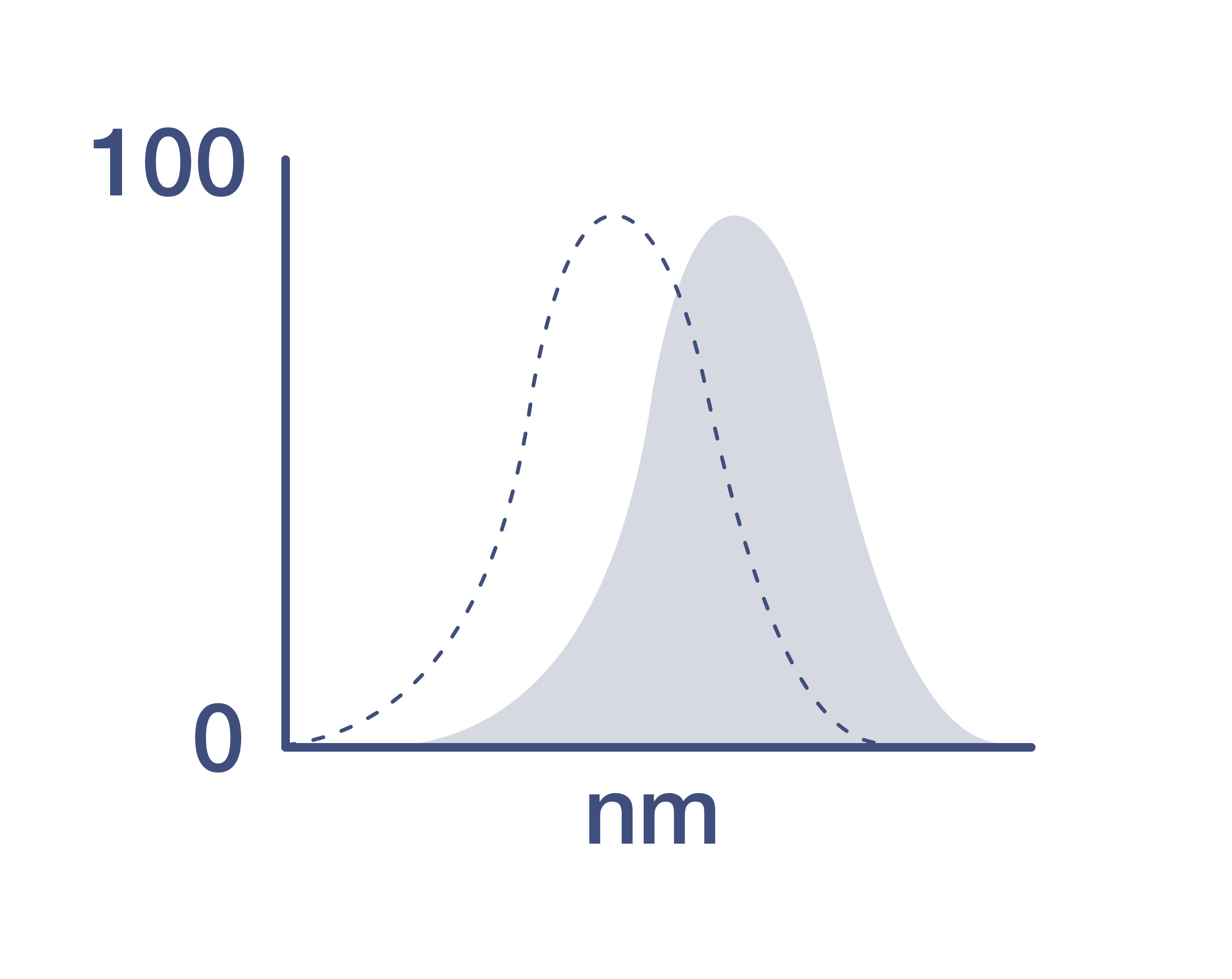
Excitation/Emission Max
405/445 nm
View spectra
Form
Liquid
Concentration
5 µL/Test
Purification
Affinity chromatography
Storage buffer
PBS, pH 7.2, with BSA
Contains
0.09% sodium azide
Storage conditions
4°C, store in dark, DO NOT FREEZE!
Shipping conditions
Ambient (domestic); Wet ice (international)
RRID
Product Specific Information
Description: The FNLAP monoclonal antibody reacts with human latency associated peptide (LAP, pro-TGF beta 1, LAP/TGF beta 1). Many different cells produce TGF beta and it mediates effects on the proliferation, differentiation and function of many cell types. TGF beta is synthesized as a precursor that contains LAP at the N-terminus and mature TGF beta at the C-terminus. Processing and cleavage of the precursor protein between amino acids 278 and 279 results in the formation of LAP dimers and TGF beta dimers that then non-covalently associate with each other to form the small latent TGF beta complex. LAP is secreted and can be found in the extracellular matrix. In addition, LAP can also be expressed on platelets and activated regulatory T cells. It is believed that this surface-expressed LAP is due to the binding of LAP to GARP (LRRC32), which is a transmembrane protein that is also found at high levels on platelets and activated regulatory T cells.
Applications Reported: This FNLAP antibody has been reported for use in flow cytometric analysis.
Applications Tested: This FNLAP antibody has been pre-titrated and tested by flow cytometric analysis of stimulated normal human peripheral blood cells. This can be used at 5 µL (0.5 µg) per test. A test is defined as the amount (µg) of antibody that will stain a cell sample in a final volume of 100 µL. Cell number should be determined empirically but can range from 10^5 to 10^8 cells/test.
eFluor® 450 is an alternative to Pacific Blue®. eFluor® 450 emits at 445 nm and is excited with the Violet laser (405 nm). Please make sure that your instrument is capable of detecting this fluorochome.
Excitation: 405 nm; Emission: 445 nm; Laser: Violet Laser.
Filtration: 0.2 µm post-manufacturing filtered.
Target Information
TGF beta-1 is a polypeptide member of the transforming growth factor beta superfamily of cytokines, found almost ubiquitously in tissues. Transforming growth factor (TGF)-b is stored in the extracellular matrix as a latent complex with its prodomain. Activation of TGF-b1 requires the binding of aV integrin to an RGD sequence in the prodomain and exertion of force on this domain, which is held in the extracellular matrix by latent TGF-b binding proteins. Latent forms are complexes of TGF-beta, an aminoterminal portion of the TGF-beta precursor, designated TGF-LAP (TGF-latency associated peptide), and a specific binding protein, known as LTBP.
For Research Use Only. Not for use in diagnostic procedures. Not for resale without express authorization.
How to use the Panel Builder
Watch the video to learn how to use the Invitrogen Flow Cytometry Panel Builder to build your next flow cytometry panel in 5 easy steps.
Bioinformatics
Protein Aliases: latency-associated peptide; prepro-transforming growth factor beta-1; TGF-beta-1; transforming growth factor beta1; unnamed protein product
Gene Aliases: CAEND1; CED; DPD1; IBDIMDE; LAP; TGF-beta1; TGFB; TGFbeta
UniProt ID: (Human) P01137
Entrez Gene ID: (Human) 7040
type II transforming growth factor beta receptor binding
cytokine activity
transforming growth factor beta receptor binding
protein binding
growth factor activity
enzyme binding
type I transforming growth factor beta receptor binding
type III transforming growth factor beta receptor binding
identical protein binding
protein serine/threonine kinase activator activity
macromolecular complex binding
vasculogenesis
ureteric bud development
response to hypoxia
morphogenesis of a branching structure
epithelial to mesenchymal transition
neural tube closure
sprouting angiogenesis
chondrocyte differentiation
hematopoietic progenitor cell differentiation
connective tissue replacement involved in inflammatory response wound healing
adaptive immune response based on somatic recombination of immune receptors built from immunoglobulin superfamily domains
negative regulation of natural killer cell mediated cytotoxicity directed against tumor cell target
heart valve morphogenesis
aortic valve morphogenesis
protein export from nucleus
ATP biosynthetic process
phosphate-containing compound metabolic process
apoptotic process
transforming growth factor beta receptor signaling pathway
I-kappaB kinase/NF-kappaB signaling
negative regulation of neuroblast proliferation
salivary gland morphogenesis
heart development
female pregnancy
positive regulation of cell proliferation
negative regulation of cell proliferation
response to xenobiotic stimulus
response to wounding
response to glucose
response to gamma radiation
positive regulation of vascular endothelial growth factor production
positive regulation of gene expression
negative regulation of gene expression
negative regulation of extracellular matrix disassembly
positive regulation of epithelial to mesenchymal transition
macrophage derived foam cell differentiation
positive regulation of fibroblast migration
negative regulation of macrophage cytokine production
oligodendrocyte development
positive regulation of microglia differentiation
regulation of striated muscle tissue development
neural tube development
cell differentiation
hyaluronan catabolic process
negative regulation of cell growth
regulation of cell migration
positive regulation of cell migration
organ regeneration
membrane protein intracellular domain proteolysis
positive regulation of protein complex assembly
positive regulation of exit from mitosis
response to estradiol
response to progesterone
regulation of interleukin-23 production
negative regulation of interleukin-17 production
positive regulation of interleukin-17 production
positive regulation of interleukin-6 production
positive regulation of tumor necrosis factor production
receptor catabolic process
positive regulation of superoxide anion generation
positive regulation of collagen biosynthetic process
response to vitamin D
negative regulation of MyD88-dependent toll-like receptor signaling pathway
response to laminar fluid shear stress
response to immobilization stress
cellular response to platelet-derived growth factor stimulus
myofibroblast differentiation
regulation of cell proliferation
regulation of protein import into nucleus
positive regulation of protein import into nucleus
odontogenesis of dentin-containing tooth
myelination
positive regulation of apoptotic process
positive regulation of vascular permeability
positive regulation of I-kappaB kinase/NF-kappaB signaling
positive regulation of MAPK cascade
positive regulation of blood vessel endothelial cell migration
negative regulation of blood vessel endothelial cell migration
regulatory T cell differentiation
cell-cell junction organization
response to ethanol
positive regulation of regulatory T cell differentiation
negative regulation of cell differentiation
positive regulation of cell differentiation
negative regulation of fat cell differentiation
negative regulation of myoblast differentiation
positive regulation of epidermal growth factor receptor signaling pathway
negative regulation of cell cycle
negative regulation of transcription, DNA-templated
positive regulation of transcription, DNA-templated
positive regulation of transcription from RNA polymerase II promoter
positive regulation of isotype switching to IgA isotypes
lymph node development
digestive tract development
negative regulation of skeletal muscle tissue development
positive regulation of smooth muscle cell proliferation
inner ear development
positive regulation of epithelial cell proliferation
negative regulation of epithelial cell proliferation
positive regulation of protein secretion
positive regulation of inflammatory response
negative regulation of phagocytosis
defense response to fungus
positive regulation of chemotaxis
positive regulation of cellular component organization
positive regulation of multicellular organismal process
positive regulation of protein metabolic process
negative regulation of release of sequestered calcium ion into cytosol
positive regulation of protein kinase B signaling
ventricular cardiac muscle tissue morphogenesis
regulation of blood vessel remodeling
face morphogenesis
frontal suture morphogenesis
positive regulation of SMAD protein import into nucleus
negative regulation of biomineral tissue development
positive regulation of ERK1 and ERK2 cascade
response to cholesterol
cellular response to mechanical stimulus
cellular response to glucose stimulus
cellular response to growth factor stimulus
cellular response to low-density lipoprotein particle stimulus
cellular response to hypoxia
cellular response to ionizing radiation
cellular response to dexamethasone stimulus
cellular response to transforming growth factor beta stimulus
positive regulation of mononuclear cell migration
odontoblast differentiation
extracellular matrix assembly
positive regulation of branching involved in ureteric bud morphogenesis
positive regulation of canonical Wnt signaling pathway
extrinsic apoptotic signaling pathway
liver regeneration
cellular response to virus
transforming growth factor beta receptor superfamily signaling pathway
negative regulation of hyaluronan biosynthetic process
positive regulation of protein localization to nucleus
positive regulation of extracellular matrix assembly
response to salt
positive regulation of mesenchymal stem cell proliferation
regulation of miRNA transcription
negative regulation of pri-miRNA transcription from RNA polymerase II promoter
positive regulation of pri-miRNA transcription from RNA polymerase II promoter
negative regulation of protein localization to plasma membrane
positive regulation of vasculature development
positive regulation of STAT cascade
regulation of epithelial to mesenchymal transition involved in endocardial cushion formation
cellular response to acetaldehyde
cellular response to insulin-like growth factor stimulus
embryonic liver development
negative regulation of cell-cell adhesion mediated by cadherin
positive regulation of chemokine (C-X-C motif) ligand 2 production
positive regulation of endothelial cell apoptotic process
positive regulation of primary miRNA processing
positive regulation of cardiac muscle cell differentiation
Disclaimer

Clicking the images or links will redirect you to a website hosted by BenchSci that provides third-party scientific content. Neither the content nor the BenchSci technology and processes for selection have been evaluated by us; we are providing them as-is and without warranty of any kind, including for use or application of the Thermo Fisher Scientific products presented.

Performance Guarantee
If an Invitrogen™ antibody doesn't perform as described on our website or datasheet,we'll replace the product at no cost to you, or provide you with a credit for a future purchase.*
Learn more
We're here to help
Get expert recommendations for common problems or connect directly with an on staff expert for technical assistance related to applications, equipment and general product use.
Contact tech support