Search
Invitrogen
TNF alpha Polyclonal Antibody, Biotin, PeproTech®
{{$productOrderCtrl.translations['antibody.pdp.commerceCard.promotion.promotions']}}
{{$productOrderCtrl.translations['antibody.pdp.commerceCard.promotion.promocode']}}: {{promo.promoCode}} {{promo.promoTitle}} {{promo.promoDescription}}. {{$productOrderCtrl.translations['antibody.pdp.commerceCard.promotion.learnmore']}}
{{$ctrl.translations['antibody.pdp.skuNotes.additionalInformation']}}:
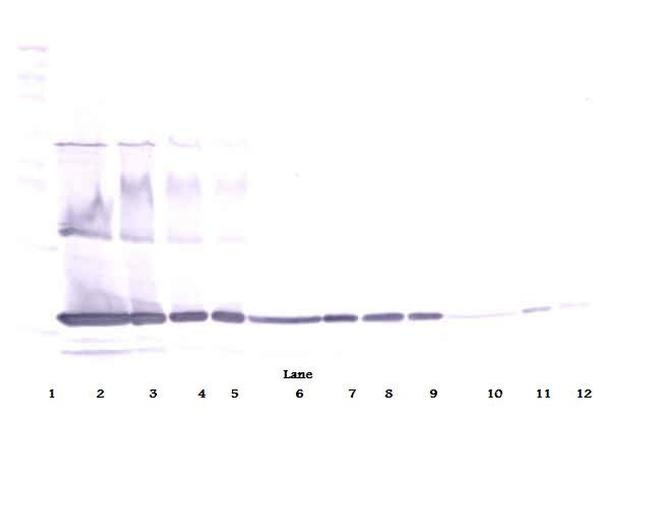
FIGURE: 1 / 3
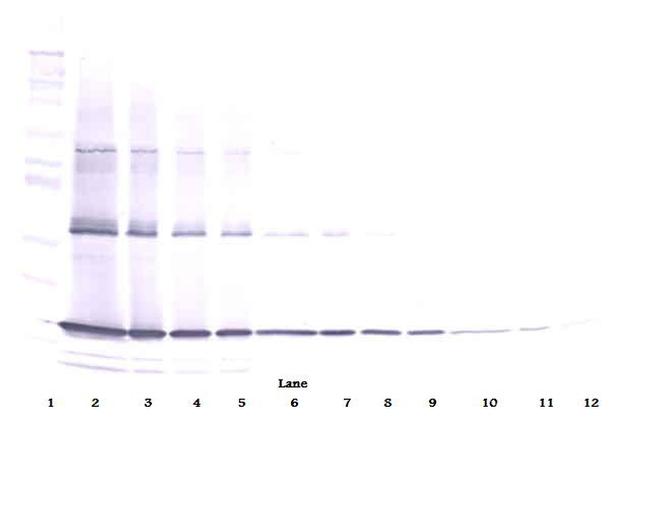
TNF alpha Antibody (500-P31AGBT-25UG) in WB
Western Blot: To detect Human TNF-alpha by Western Blot analysis TNF alpha Polyclonal Antibody, Biotin (Product # 500-P31AGBT-500UG) can be used at a concentration of 0.1-0.2 µg/mL. When used in conjunction with compatible secondary reagents, the detection limit for Recombinant Human TNF-alpha is 1.5-3.0 ng/lane, under either reducing or non-reducing conditions.


Please note: We are reviewing Western blot images included in the antibody testing data in our catalog, including those provided by third parties. Unless expressly labeled or annotated as “raw-unedited”, Western blot images included in the antibody testing data in our catalog may have been edited, optimized or otherwise adjusted for presentation.



Product Details
500-P31AGBT-25UG
Applications
Tested Dilution
Publications
Product Specifications
Species Reactivity
Human
Published species
Human
Host/Isotype
Goat
Class
Polyclonal
Type
Antibody
Immunogen
E.coli-derived, 17.4 kDa Recombinant Human TNF-alpha
Conjugate
Biotin
Biotin
Biotin
Form
Lyophilized
Concentration
0.1-1.0 mg/mL once reconstituted
Amount
25 µg
Purification
Antigen affinity chromatography
Storage buffer
PBS
Contains
no preservative
Storage conditions
-20°C
Shipping conditions
Ambient
RRID
Product Specific Information
AA Sequence of recombinant protein: VRSSSRTPSD KPVAHVVANP QAEGQLQWLN RRANALLANG VELRDNQLVV PSEGLYLIYS QVLFKGQGCP STHVLLTHTI SRIAVSYQTK VNLLSAIKSP CQRETPEGAE AKPWYEPIYL GGVFQLEKGD RLSAEINRPD YLDFAESGQV YFGIIAL.
Preparation: Produced from sera of goats immunized with highly pure Recombinant Human TNF-alpha. Anti-Human TNF-alpha-specific antibody was purified by affinity chromatography and then biotinylated.
Sandwich ELISA: To detect Human TNF-alpha by sandwich ELISA (using 100 µL/well antibody solution) a concentration of 0.25-1.0 µg/mL of this antibody is required. This biotinylated polyclonal antibody, in conjunction with PeproTech Polyclonal Anti-Human TNF-alpha (500-P31AG) as a capture antibody, allows the detection of at least 0.2-0.4 ng/well of Recombinant Human TNF-alpha.
Western Blot: To detect Human TNF-alpha by Western Blot analysis this antibody can be used at a concentration of 0.1-0.2 µg/mL. When used in conjunction with compatible secondary reagents, the detection limit for Recombinant Human TNF-alpha is 1.5-3.0 ng/lane, under either reducing or non-reducing conditions.
500-P31AGBT-1MG will be provided as 2 x 500 µg
Target Information
TNF alpha is a multifunctional proinflammatory cytokine that belongs to the tumor necrosis factor (TNF) superfamily. This cytokine is mainly secreted by macrophage and bind to its receptors, TNFRSF1A/TNFR1 and TNFRSF1B/TNFBR. TNF alpha is involved in the regulation of immune cells, cell proliferation, differentiation, apoptosis, lipid metabolism, and coagulation. TNF alpha exists as a multimer of two, three, or five noncovalently linked units, but shows a single 17 kDa band following SDS-PAGE under non-reducing conditions. Knockout studies in mice also suggested the neuroprotective function of TNF alpha, and has been observed to causes tumor necrosis when injected into tumor-bearing mice. Other functions of TNF-alpha include its role in the immune response to bacterial, viral, parasitic and certain fungal infections, as well as its role in the necrosis of specific tumors. TNF alpha causes cytolysis or cytostasis of certain transformed cells, being synergistic with interferon-gamma in its cytotoxicity. This cytokine has been implicated in a variety of diseases, including autoimmune diseases, insulin resistance, and cancer.
For Research Use Only. Not for use in diagnostic procedures. Not for resale without express authorization.
Bioinformatics
Protein Aliases: APC1 protein; cell apoptosis-related protein; DADB-70P7.1; TNF alpha; TNF superfamily; TNF superfamily member 2; TNF α; TNF, macrophage-derived; TNF, monocyte-derived; TNF-a; TNFα; tumor necrosis factor; tumor necrosis factor ligand 1F; tumor necrosis factor ligand superfamily member 2; tumor necrosis factor-alpha; tumor necrotic factor alpha; unnamed protein product
Gene Aliases: DIF; IMD127; TNF-alpha; TNFA; TNFSF2; TNLG1F
UniProt ID: (Human) P01375
Entrez Gene ID: (Human) 7124
negative regulation of transcription from RNA polymerase II promoter
response to hypoxia
microglial cell activation
positive regulation of cytokine production
negative regulation of endothelial cell proliferation
response to amphetamine
negative regulation of L-glutamate transport
macrophage activation involved in immune response
chronic inflammatory response to antigenic stimulus
positive regulation of immunoglobulin production
regulation of production of molecular mediator of immune response
negative regulation of cytokine production involved in immune response
skeletal muscle contraction
negative regulation of systemic arterial blood pressure
chromatin organization
inflammatory response
immune response
JAK-STAT cascade
circadian rhythm
negative regulation of cell proliferation
extrinsic apoptotic signaling pathway via death domain receptors
intrinsic apoptotic signaling pathway in response to DNA damage
response to xenobiotic stimulus
response to mechanical stimulus
response to virus
response to bacterium
response to salt stress
response to fructose
negative regulation of heart rate
vascular endothelial growth factor production
positive regulation of gene expression
negative regulation of gene expression
positive regulation of macrophage derived foam cell differentiation
negative regulation of lipid storage
response to activity
calcium-mediated signaling
positive regulation of protein complex assembly
positive regulation of defense response
positive regulation of fever generation
negative regulation of myelination
lipopolysaccharide-mediated signaling pathway
response to nutrient levels
response to lipopolysaccharide
negative regulation of interleukin-6 production
positive regulation of chemokine production
positive regulation of fractalkine production
positive regulation of interleukin-1 beta production
positive regulation of interleukin-18 production
positive regulation of interleukin-6 production
positive regulation of interleukin-8 production
tumor necrosis factor-mediated signaling pathway
positive regulation of heterotypic cell-cell adhesion
toll-like receptor 3 signaling pathway
response to isolation stress
response to macrophage colony-stimulating factor
regulation of cell proliferation
vasodilation
positive regulation of apoptotic process
negative regulation of apoptotic process
positive regulation of programmed cell death
regulation of I-kappaB kinase/NF-kappaB signaling
positive regulation of I-kappaB kinase/NF-kappaB signaling
positive regulation of protein complex disassembly
positive regulation of MAPK cascade
positive regulation of neuron apoptotic process
negative regulation of blood vessel endothelial cell migration
negative regulation of viral genome replication
innate immune response
positive regulation of nitric oxide biosynthetic process
response to ethanol
regulation of fat cell differentiation
negative regulation of fat cell differentiation
negative regulation of osteoblast differentiation
positive regulation of osteoclast differentiation
positive regulation of protein catabolic process
positive regulation of action potential
positive regulation of cell adhesion
positive regulation of mitotic nuclear division
negative regulation of transcription, DNA-templated
positive regulation of transcription, DNA-templated
negative regulation of mitotic cell cycle
positive regulation of transcription from RNA polymerase II promoter
negative regulation of glucose import
positive regulation of JNK cascade
response to antibiotic
astrocyte activation
embryonic digestive tract development
positive regulation of smooth muscle cell proliferation
regulation of epithelial cell proliferation
positive regulation of inflammatory response
negative regulation of neurogenesis
regulation of developmental process
regulation of insulin secretion
modulation of synaptic transmission
positive regulation of synaptic transmission
regulation of synapse organization
cognition
leukocyte tethering or rolling
detection of mechanical stimulus involved in sensory perception of pain
negative regulation of lipid catabolic process
positive regulation of membrane protein ectodomain proteolysis
regulation of secretion
positive regulation of protein transport
regulation of multicellular organismal process
response to glucocorticoid
positive regulation of hair follicle development
positive regulation of protein kinase B signaling
regulation of synaptic transmission, glutamatergic
positive regulation of glial cell proliferation
positive regulation of vitamin D biosynthetic process
negative regulation of vascular wound healing
negative regulation of branching involved in lung morphogenesis
positive regulation of ERK1 and ERK2 cascade
positive regulation of calcineurin-NFAT signaling cascade
cellular response to molecule of bacterial origin
cellular response to lipopolysaccharide
cellular response to retinoic acid
cellular response to nicotine
cellular response to interferon-gamma
cellular response to ionizing radiation
positive regulation of mononuclear cell migration
positive regulation of podosome assembly
endothelial cell apoptotic process
protein localization to plasma membrane
negative regulation of oxidative phosphorylation
inflammatory response to wounding
extrinsic apoptotic signaling pathway
cellular response to toxic substance
liver regeneration
necroptotic signaling pathway
negative regulation of bile acid secretion
antiviral innate immune response
response to Gram-negative bacterium
positive regulation of neuroinflammatory response
positive regulation of interleukin-33 production
positive regulation of cytokine production involved in inflammatory response
negative regulation of beta-amyloid clearance
positive regulation of NIK/NF-kappaB signaling
positive regulation of synoviocyte proliferation
positive regulation of beta-amyloid formation
response to L-glutamate
positive regulation of neutrophil activation
negative regulation of pri-miRNA transcription from RNA polymerase II promoter
positive regulation of pri-miRNA transcription from RNA polymerase II promoter
positive regulation of protein localization to plasma membrane
regulation of establishment of endothelial barrier
negative regulation of bicellular tight junction assembly
positive regulation of cellular protein localization
response to resveratrol
cellular response to beta-amyloid
positive regulation of vascular smooth muscle cell proliferation
response to hydrogen sulfide
positive regulation of leukocyte adhesion to vascular endothelial cell
positive regulation of leukocyte adhesion to arterial endothelial cell
response to quercetin
response to 3,3',5-triiodo-L-thyronine
response to gold nanoparticle
positive regulation of protein localization to cell surface
positive regulation of blood microparticle formation
positive regulation of chemokine (C-X-C motif) ligand 2 production
positive regulation of hepatocyte proliferation
regulation of endothelial cell apoptotic process
regulation of reactive oxygen species metabolic process
positive regulation of DNA biosynthetic process
negative regulation of apoptotic signaling pathway
positive regulation of extrinsic apoptotic signaling pathway
negative regulation of extrinsic apoptotic signaling pathway in absence of ligand
Disclaimer

Clicking the images or links will redirect you to a website hosted by BenchSci that provides third-party scientific content. Neither the content nor the BenchSci technology and processes for selection have been evaluated by us; we are providing them as-is and without warranty of any kind, including for use or application of the Thermo Fisher Scientific products presented.

Performance Guarantee
If an Invitrogen™ antibody doesn't perform as described on our website or datasheet,we'll replace the product at no cost to you, or provide you with a credit for a future purchase.*
Learn more
We're here to help
Get expert recommendations for common problems or connect directly with an on staff expert for technical assistance related to applications, equipment and general product use.
Contact tech support