Search
Invitrogen
FOXP3 Monoclonal Antibody (236A/E7), Alexa Fluor™ 514
{{$productOrderCtrl.translations['antibody.pdp.commerceCard.promotion.promotions']}}
{{$productOrderCtrl.translations['antibody.pdp.commerceCard.promotion.promocode']}}: {{promo.promoCode}} {{promo.promoTitle}} {{promo.promoDescription}}. {{$productOrderCtrl.translations['antibody.pdp.commerceCard.promotion.learnmore']}}
{{$ctrl.translations['antibody.pdp.skuNotes.additionalInformation']}}:

FIGURE: 1 / 3
FOXP3 Antibody (753-4777-94) in IHC (P)
Immunohistochemical analysis of FOXP3 was performed on FFPE human tonsil tissue. To expose the target protein, HIER was performed on de-paraffinized sections using BOND Epitope Retrieval Solution 2 (pH 9) for 10-mins, followed by a 5-min cool down, a 1-min wash with ddH2O, and then transferred to 1X PBS. Tissues were permeabilized with 0.1% Triton X-100 in 1X PBS for 30-mins, washed thrice with 1X PBS and b... View More


Please note: We are reviewing Western blot images included in the antibody testing data in our catalog, including those provided by third parties. Unless expressly labeled or annotated as “raw-unedited”, Western blot images included in the antibody testing data in our catalog may have been edited, optimized or otherwise adjusted for presentation.


Product Details
753-4777-94
Product Specifications
Species Reactivity
Human
Host/Isotype
Mouse
/ IgG1, kappa
Class
Monoclonal
Type
Antibody
Clone
236A/E7
Conjugate
Alexa Fluor™ 514
Alexa Fluor™ 514
Alexa Fluor™ 514
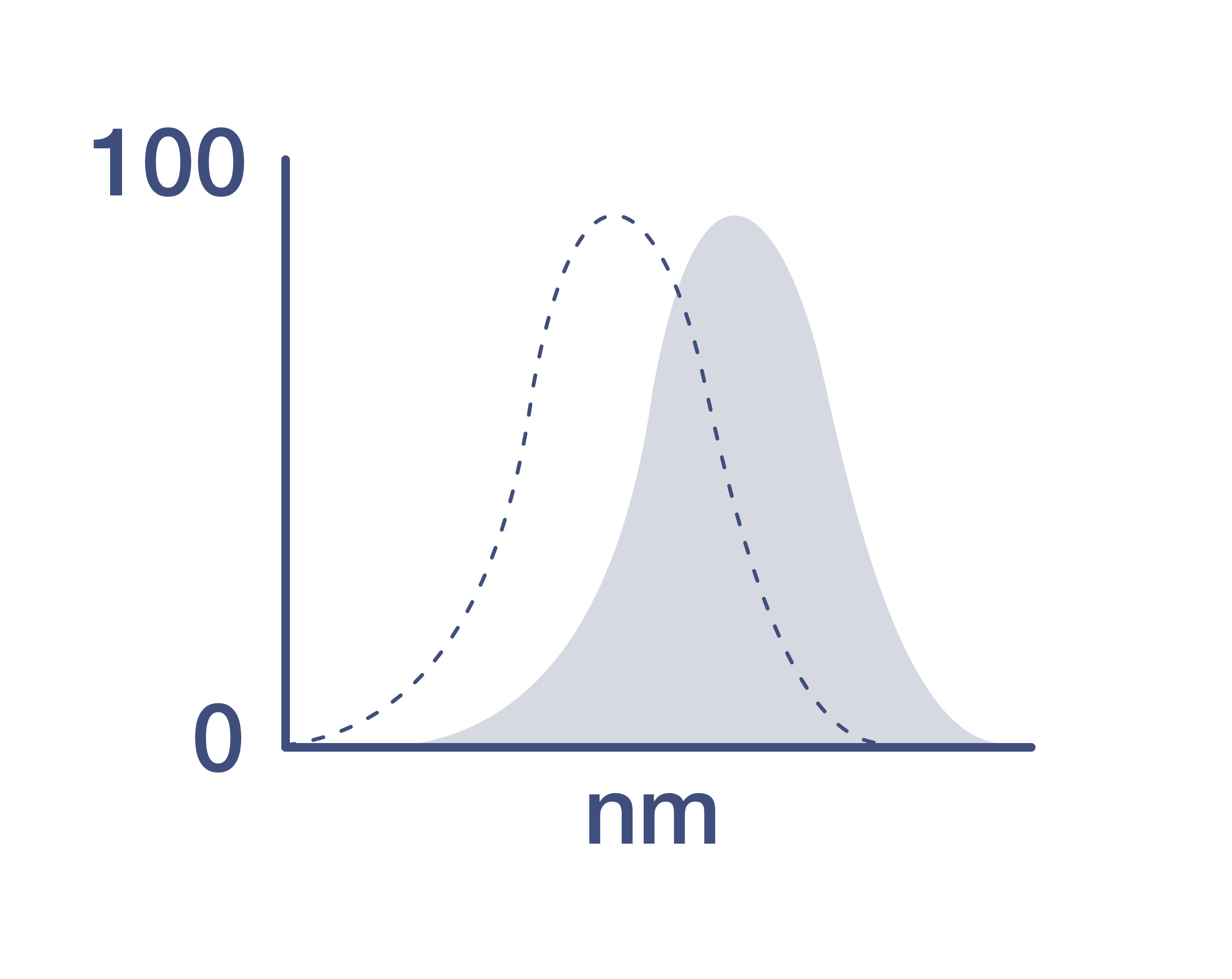
Excitation/Emission Max
518/543 nm
View spectra
Form
Liquid
Concentration
0.2 mg/mL
Amount
100 µg
Purification
Affinity chromatography
Storage buffer
PBS, pH 7.2, with 0.5% BSA, 10% proprietary stabilizer
Contains
0.05% sodium azide
Storage conditions
4°C, store in dark
Shipping conditions
Wet ice
Product Specific Information
Description: The 236A/E7 antibody reacts with human Foxp3 protein also known as FORKHEAD BOX P3, SCURFIN, and JM2. Foxp3, a 49-55 kDa protein, is a member of the forkhead/winged-helix family of transcriptional regulators, and was identified as the gene defective in 'scurfy' (sf) mice. Constitutive high expression of Foxp3 mRNA has been shown in CD4+CD25+ regulatory T cells (Treg cells), and ectopic expression of Foxp3 in CD4+CD25- cells imparts a Treg phenotype in these cells.
Intracellular staining and flow cytometric analysis of freshly isolated human peripheral blood mononuclear cells (PBMCs) with the 236A/E7 antibody using the Foxp3/Transcription Factor Staining Buffer Set (Product # 00-5523) and protocol reveals staining of the CD4+CD25bright population.
This antibody has also been shown to recognize rhesus macaque, sooty mangabey and cynomolgus macaque.
Applications Reported: This 236A/E7 antibody has been tested by immunoblotting and immunohistochemistry of formalin-fixed paraffin embedded tissue using low or high pH antigen retrieval.
Applications Tested: This 236A/E7 antibody has been tested by immunohistochemical staining of formalin-fixed paraffin embedded human tissue using high pH antigen retrieval and can be used at 10 µg/mL. It is recommended that the antibody be carefully titrated for optimal performance in the assay of interest.
Using conjugate solutions: Centrifuge the protein conjugate solution briefly in a microcentrifuge before use; add only the supernatant to the experiment. This step will help eliminate any protein aggregates that may have formed during storage, thereby reducing nonspecific background staining.
Target Information
FOXP3 (Forkhead box protein 3) is a member of the forkhead/winged-helix family of transcriptional regulators, highly conserved across mammals, and essential for normal immune homeostasis. FOXP3 is 381 amino acids long, stably and constitutively expressed at a high level in CD25 + CD4 positive regulatory T cells, a low level in CD4-positive/CD25-negative cells, and is absent in CD4-negative/CD8-positive T cells. FOXP3 may be a master regulatory gene, and a more specific marker of regulatory T cells. Defects in the gene encoding FOXP3 protein cause the scurfy phenotype in mice. In humans FOXP3 defects play a role in IPEX syndrome (immune dysfunction, polyendocrinopathy, enteropathy, X-linked syndrome), also known as X-linked autoimmunity-allergic dysregulation (XLAAD) syndrome. Transcript variants of FOXP3 encoding different isoforms have been identified. In human breast and colon cancer cells, expression of FOXP3 is regulated by p53 in response to the DNA damage.
For Research Use Only. Not for use in diagnostic procedures. Not for resale without express authorization.
References (0)
Have you cited this product in a publication?
Let us know so we can reference it here.
Bioinformatics
Protein Aliases: forkhead box P3; forkhead box P3 transcript variant; FOXP3delta7; immune dysregulation, polyendocrinopathy, enteropathy, X-linked; immunodeficiency, polyendocrinopathy, enteropathy, X-linked; JM2; MGC141961; MGC141963; RP23-54C14.1; unnamed protein product
Gene Aliases: AIID; DIETER; IPEX; JM2; PIDX; XPID
UniProt ID: (Human) Q9BZS1
Entrez Gene ID: (Human) 50943
RNA polymerase II core promoter proximal region sequence-specific DNA binding
RNA polymerase II transcription factor activity, sequence-specific DNA binding
transcriptional repressor activity, RNA polymerase II transcription regulatory region sequence-specific binding
transcriptional activator activity, RNA polymerase II transcription regulatory region sequence-specific binding
DNA binding
transcription factor activity, sequence-specific DNA binding
transcription cofactor activity
transcription corepressor activity
protein binding
histone acetyltransferase binding
identical protein binding
protein homodimerization activity
histone deacetylase binding
sequence-specific DNA binding
NF-kappaB binding
NFAT protein binding
sequence-specific double-stranded DNA binding
negative regulation of transcription from RNA polymerase II promoter
response to reactive oxygen species
negative regulation of cytokine production
CD4-positive, CD25-positive, alpha-beta regulatory T cell lineage commitment
regulation of T cell anergy
negative regulation of T cell cytokine production
chromatin remodeling
regulation of transcription, DNA-templated
regulation of transcription from RNA polymerase II promoter
negative regulation of cell proliferation
response to virus
establishment of endothelial blood-brain barrier
response to lipopolysaccharide
negative regulation of interferon-gamma production
negative regulation of interleukin-10 production
negative regulation of interleukin-17 production
negative regulation of interleukin-2 production
negative regulation of interleukin-4 production
positive regulation of CD4-positive, CD25-positive, alpha-beta regulatory T cell differentiation
T cell activation
negative regulation of T cell proliferation
T cell homeostasis
regulatory T cell differentiation
positive regulation of regulatory T cell differentiation
negative regulation of transcription, DNA-templated
positive regulation of transcription, DNA-templated
positive regulation of transcription from RNA polymerase II promoter
negative regulation of activated T cell proliferation
negative regulation of defense response to virus
negative regulation of immune response
response to rapamycin
negative regulation of T-helper 17 cell differentiation
Disclaimer

Clicking the images or links will redirect you to a website hosted by BenchSci that provides third-party scientific content. Neither the content nor the BenchSci technology and processes for selection have been evaluated by us; we are providing them as-is and without warranty of any kind, including for use or application of the Thermo Fisher Scientific products presented.

Performance Guarantee
If an Invitrogen™ antibody doesn't perform as described on our website or datasheet,we'll replace the product at no cost to you, or provide you with a credit for a future purchase.*
Learn more
We're here to help
Get expert recommendations for common problems or connect directly with an on staff expert for technical assistance related to applications, equipment and general product use.
Contact tech support