Search
Invitrogen
GSK3 alpha/beta Polyclonal Antibody
{{$productOrderCtrl.translations['antibody.pdp.commerceCard.promotion.promotions']}}
{{$productOrderCtrl.translations['antibody.pdp.commerceCard.promotion.viewpromo']}}
{{$productOrderCtrl.translations['antibody.pdp.commerceCard.promotion.promocode']}}: {{promo.promoCode}} {{promo.promoTitle}} {{promo.promoDescription}}. {{$productOrderCtrl.translations['antibody.pdp.commerceCard.promotion.learnmore']}}
Additional Information:
{{banner.description}}

FIGURE: 1 / 9
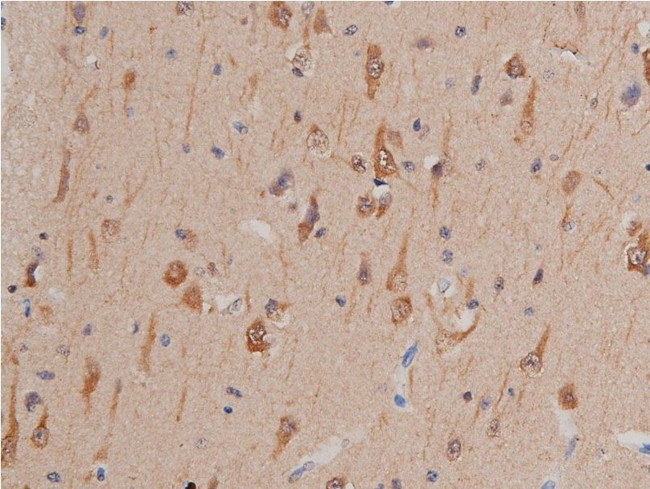
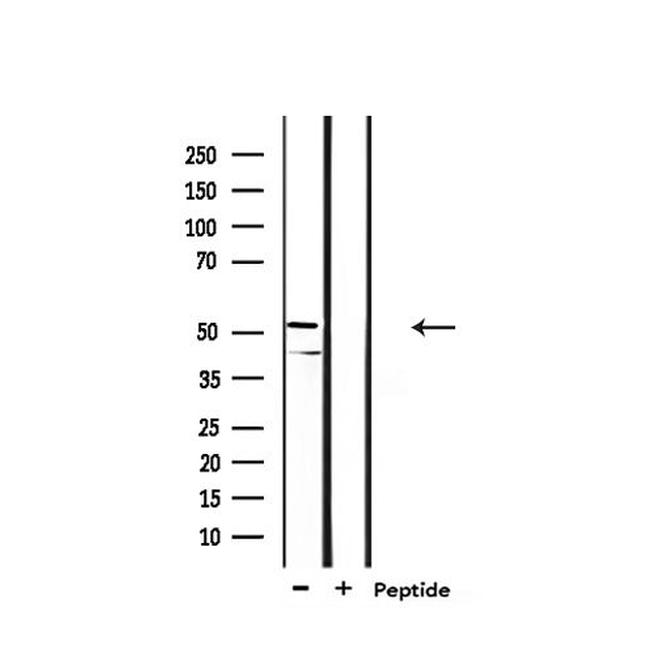
GSK3 alpha/beta Antibody (PA5-99531) in ICC/IF
Immunocytochemistry analysis of GSK3 alpha/beta in HepG2 cells. The samples were fixed with PFA and permeabilized in 0.1% Triton X-100, then blocked in 10% serum for 45 minutes at 25°C. Samples were incubated with GSK3 alpha/beta polyclonal antibody (Product # PA5-99531) and mouse anti-beta tubulin antibody for 1 hour at 37°C. An AlexaFluor594 conjugated goat anti-rabbit IgG(H+L) (Red) and an AlexaFluor488 ... View More






Product Details
PA5-99531
Applications
Tested Dilution
Publications
Product Specifications
Species Reactivity
Human,
Mouse,
Non-human primate,
Rat
Host/Isotype
Rabbit
/ IgG
Class
Polyclonal
Type
Antibody
Immunogen
A synthesized peptide derived from human GSK3A(Accession P49840), corresponding to amino acid residues P254-W304.
Conjugate
Form
Liquid
Concentration
1 mg/mL
Amount
100 µg
Purification
Affinity chromatography
Storage buffer
PBS, pH 7.4, with 50% glycerol
Contains
0.02% sodium azide
Storage conditions
-20°C
Shipping conditions
Ambient (domestic); Wet ice (international)
RRID
Product Specific Information
Antibody detects endogenous levels of total GSK3 alpha/ beta.
Target Information
Glycogen synthase kinase-3 (GSK3) is a protein kinase that was originally identified as a regulator of glycogen synthase, a key enzyme in glycogen metabolism. Since then, it has been shown to be involved in the regulation of a diverse array of cellular functions, including protein synthesis, cell proliferation, cell differentiation, microtubule assembly/disassembly, and apoptosis. GSK3's substrate specificity is unique in that phosphorylation of the substrate only occurs if a phosphoserine or phosphotyrosine is present - four residues C-terminal to the site of GSK phosphorylation. There exists two isoforms of GSK3, GSK3 alpha and GSK3 beta, and they are strictly regulated via phosphorylation. Phosphorylation of GSK3 beta on Ser9 (Ser21 in GSK3alpha) by protein kinase B (PKB) causes its inactivation and is the primary mechanism responsible for growth factor inhibition of this kinase. Activation of GSK3 beta is dependent upon the phosphorylation of Tyr216 (Tyr279 in GSK3 alpha). Upon activation, it has been shown to phosphorylate a number of different cellular proteins, including p53, c-Myc, c-Jun, heat shock factor-1 (HSF-1), and cyclin D1. GSK3 beta also has been shown to phosphorylate aberrant sites on the microtubule associated protein tau, which is critical for the progression of Alzheimer's disease.
For Research Use Only. Not for use in diagnostic procedures. Not for resale without express authorization.
References (0)
Have you cited this product in a publication?
Let us know so we can reference it here.
Bioinformatics
Protein Aliases: FA; Factor A; Glycogen synthase kinase-3 alpha; Glycogen synthase kinase-3 beta; GSK-3 alpha; GSK-3 beta; gsk-3-alpha; GSK3B; kinase; Serine/threonine-protein kinase GSK3A; Serine/threonine-protein kinase GSK3B; unnamed protein product
Gene Aliases: 2700086H06Rik; 7330414F15Rik; 8430431H08Rik; C86142; GSK-3; GSK-3beta; GSK3; GSK3A; GSK3B
UniProt ID: (Human) P49840, (Human) P49841, (Rat) P18265, (Mouse) Q2NL51, (Mouse) Q9WV60, (Rat) P18266
Entrez Gene ID: (Human) 2931, (Human) 2932, (Rat) 50686, (Mouse) 606496, (Mouse) 56637, (Rat) 84027
nucleotide binding
protein kinase activity
protein serine/threonine kinase activity
receptor binding
protein binding
ATP binding
kinase activity
transferase activity
protein kinase A catalytic subunit binding
tau protein binding
tau-protein kinase activity
protein serine kinase activity
protease binding
p53 binding
beta-catenin binding
protein kinase binding
ubiquitin protein ligase binding
dynactin binding
NF-kappaB binding
RNA polymerase II sequence-specific DNA binding transcription factor binding
scaffold protein binding
transferase activity, transferring phosphorus-containing groups
RNA polymerase II transcription factor binding
integrin binding
transcription factor binding
ionotropic glutamate receptor binding
non-receptor serine/threonine protein kinase
regulation of systemic arterial blood pressure
cardiac left ventricle morphogenesis
glycogen metabolic process
nervous system development
insulin receptor signaling pathway
negative regulation of signal transduction
positive regulation of autophagy
positive regulation of gene expression
negative regulation of UDP-glucose catabolic process
regulation of neuron projection development
Wnt signaling pathway
cell migration
viral protein processing
cell differentiation
positive regulation of protein ubiquitination
lipopolysaccharide-mediated signaling pathway
negative regulation of TOR signaling
positive regulation of proteasomal ubiquitin-dependent protein catabolic process
cellular response to insulin stimulus
cellular response to interleukin-3
proteasome-mediated ubiquitin-dependent protein catabolic process
positive regulation of neuron apoptotic process
negative regulation of glycogen biosynthetic process
positive regulation of protein catabolic process
positive regulation of heart contraction
positive regulation of transcription from RNA polymerase II promoter
negative regulation of glucose import
negative regulation of insulin receptor signaling pathway
excitatory postsynaptic potential
negative regulation of cell growth involved in cardiac muscle cell development
regulation of microtubule cytoskeleton organization
cellular response to lithium ion
cellular response to glucocorticoid stimulus
positive regulation of adrenergic receptor signaling pathway
negative regulation of canonical Wnt signaling pathway
extrinsic apoptotic signaling pathway
extrinsic apoptotic signaling pathway in absence of ligand
positive regulation of adenylate cyclase-activating G protein-coupled receptor signaling pathway
autosome genomic imprinting
beta-arrestin-dependent dopamine receptor signaling pathway
positive regulation of substrate adhesion-dependent cell spreading
positive regulation of mitochondrial outer membrane permeabilization involved in apoptotic signaling pathway
regulation of mitophagy
cellular response to oxygen-containing compound
positive regulation of beta-amyloid formation
positive regulation of protein targeting to mitochondrion
positive regulation of establishment of protein localization
negative regulation of type B pancreatic cell development
negative regulation of glycogen (starch) synthase activity
G1/S transition of mitotic cell cycle
epithelial to mesenchymal transition
positive regulation of cell-matrix adhesion
cytoplasmic translational initiation
heart valve development
protein phosphorylation
ER overload response
mitochondrion organization
regulation of mitotic cell cycle
circadian rhythm
negative regulation of gene expression
negative regulation of epithelial to mesenchymal transition
peptidyl-serine phosphorylation
hippocampus development
establishment of cell polarity
maintenance of cell polarity
positive regulation of cell migration
negative regulation of cell migration
regulation of axon extension
SCF-dependent proteasomal ubiquitin-dependent protein catabolic process
neuron projection development
negative regulation of protein complex assembly
positive regulation of protein complex assembly
positive regulation of protein binding
negative regulation of proteasomal ubiquitin-dependent protein catabolic process
regulation of microtubule-based process
response to endoplasmic reticulum stress
intracellular signal transduction
TORC2 signaling
regulation of circadian rhythm
negative regulation of apoptotic process
protein kinase B signaling
positive regulation of cell differentiation
negative regulation of osteoblast differentiation
positive regulation of cilium assembly
positive regulation of translation
protein autophosphorylation
regulation of protein export from nucleus
positive regulation of protein export from nucleus
rhythmic process
regulation of dendrite morphogenesis
regulation of axonogenesis
positive regulation of protein kinase B signaling
canonical Wnt signaling pathway
negative regulation of calcineurin-NFAT signaling cascade
superior temporal gyrus development
cellular response to retinoic acid
presynaptic modulation of chemical synaptic transmission
neuron projection organization
membraneless organelle assembly
regulation of microtubule anchoring at centrosome
regulation of cellular response to heat
negative regulation of protein localization to nucleus
regulation of long-term synaptic potentiation
negative regulation of extrinsic apoptotic signaling pathway via death domain receptors
positive regulation of protein localization to cilium
negative regulation of TORC2 signaling
negative regulation of dopaminergic neuron differentiation
cellular response to beta-amyloid
positive regulation of protein localization to centrosome
negative regulation of protein ubiquitination involved in ubiquitin-dependent protein catabolic process
negative regulation of mesenchymal stem cell differentiation
regulation of gene expression by genetic imprinting
signal transduction
positive regulation of peptidyl-threonine phosphorylation
positive regulation of cAMP biosynthetic process
positive regulation of peptidyl-serine phosphorylation
hypermethylation of CpG island
negative regulation of transferase activity
cellular response to organic cyclic compound
positive regulation of glycogen (starch) synthase activity
carbohydrate metabolic process
phosphorylation
regulation of mitophagy
re-entry into mitotic cell cycle
protein export from nucleus
cytoskeleton organization
establishment or maintenance of cell polarity
multicellular organism development
axonogenesis
myoblast fusion
cell proliferation
organ morphogenesis
negative regulation of cardiac muscle hypertrophy
negative regulation of neuron projection development
negative regulation of neuron maturation
myotube differentiation
negative regulation of protein binding
protein localization to microtubule
positive regulation of apoptotic process
negative regulation of MAP kinase activity
positive regulation of GTPase activity
canonical Wnt signaling pathway involved in positive regulation of apoptotic process
fat cell differentiation
positive regulation of axon extension
regulation of neuronal synaptic plasticity
negative regulation of dendrite morphogenesis
negative regulation of NFAT protein import into nucleus
cellular response to mechanical stimulus
positive regulation of stem cell differentiation
response to lithium ion
response to drug
Disclaimer

Clicking the images or links will redirect you to a website hosted by BenchSci that provides third-party scientific content. Neither the content nor the BenchSci technology and processes for selection have been evaluated by us; we are providing them as-is and without warranty of any kind, including for use or application of the Thermo Fisher Scientific products presented.

Performance Guarantee
If an Invitrogen™ antibody doesn't perform as described on our website or datasheet,we'll replace the product at no cost to you, or provide you with a credit for a future purchase.*
Learn more
We're here to help
Get expert recommendations for common problems or connect directly with an on staff expert for technical assistance related to applications, equipment and general product use.
Contact tech support