Search
Invitrogen
PARP1 (cleaved Asp214) Recombinant Rabbit Monoclonal Antibody (PARP-H8), APC
{{$productOrderCtrl.translations['antibody.pdp.commerceCard.promotion.promotions']}}
{{$productOrderCtrl.translations['antibody.pdp.commerceCard.promotion.viewpromo']}}
{{$productOrderCtrl.translations['antibody.pdp.commerceCard.promotion.promocode']}}: {{promo.promoCode}} {{promo.promoTitle}} {{promo.promoDescription}}. {{$productOrderCtrl.translations['antibody.pdp.commerceCard.promotion.learnmore']}}
Additional Information:
{{banner.description}}

FIGURE: 1 / 1
PARP1 (cleaved Asp214) Antibody (MA5-37115) in Flow
Flow cytometry of PARP1 (cleaved Asp214) using SK.N.MC cells. Samples were incubated in monoclonal PARP1 (cleaved Asp214) antibody (Product # MA5-37115). Images correspond with the following conditions: negative control (blue), stained untreated (red), treated with staurosporine (green).

Please note: We are reviewing Western blot images included in the antibody testing data in our catalog, including those provided by third parties. Unless expressly labeled or annotated as “raw-unedited”, Western blot images included in the antibody testing data in our catalog may have been edited, optimized or otherwise adjusted for presentation.


Product Details
MA5-37115
Product Specifications
Species Reactivity
Human
Host/Isotype
Rabbit
/ IgG, kappa
Expression System
HEK293 cells
Class
Recombinant Monoclonal
Type
Antibody
Clone
PARP-H8
Immunogen
A synthetic peptide corresponding to residues surrounding Asp214 of human PARP.
Conjugate
APC
APC
APC
Excitation/Emission Max
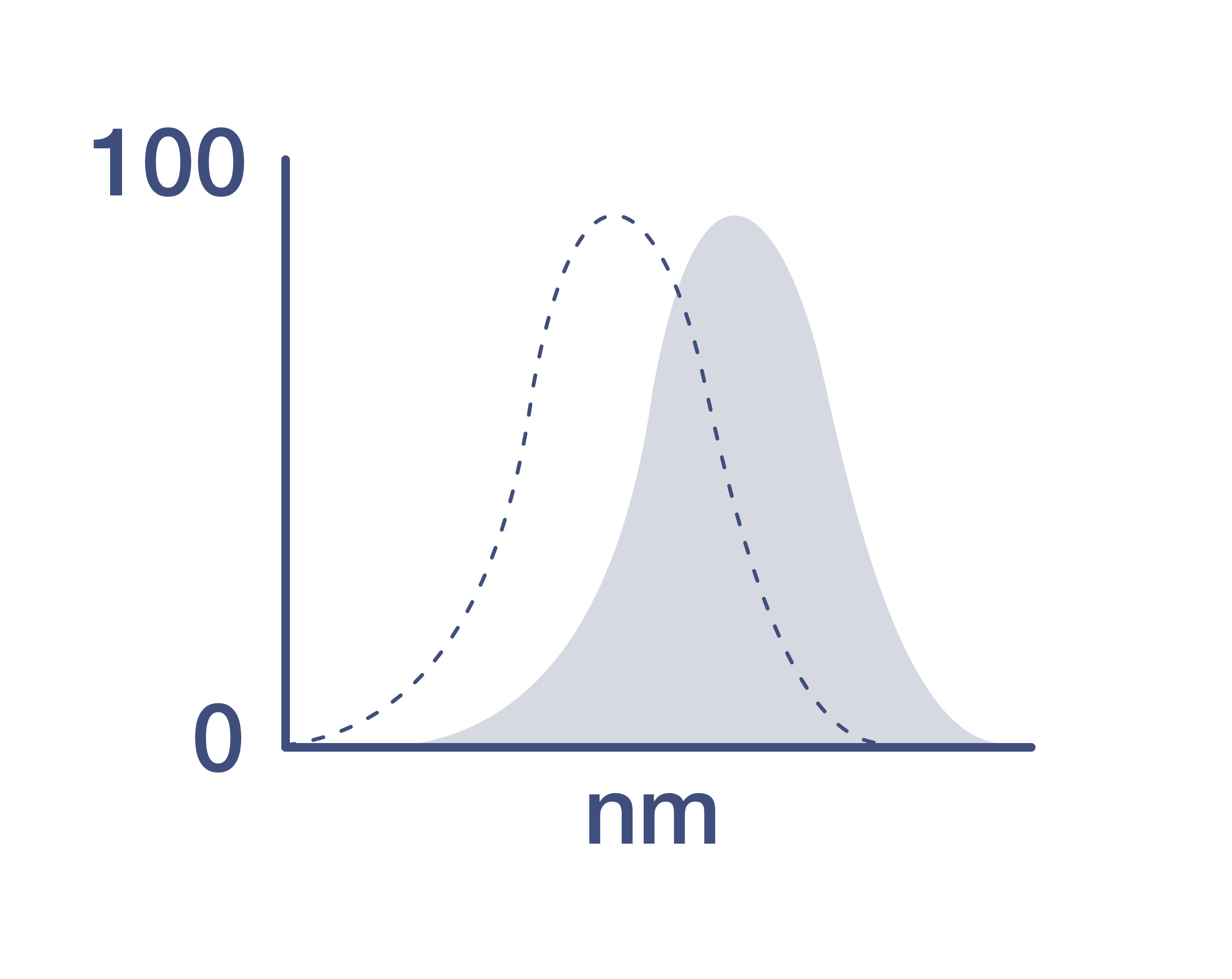
651/660 nm
View spectra
Form
Liquid
Purification
Protein A/G
Storage buffer
PBS with 0.20% BSA
Contains
0.09% sodium azide
Storage conditions
4°C
Shipping conditions
Ambient (domestic); Wet ice (international)
RRID
Target Information
Poly ADP-Ribose Polymerase (PARP) uses nicotinamide adenine dinucleotide (oxidized form) NAD as a substrate to catalyse the transfer of ADP-ribose to a variety of nuclear protein acceptors. Proteolysis of PARP to its stable 85kDa fragment is an early marker of programmed cell death (apoptosis) and is mediated by the caspase CPP32 protein. Cleavage occurs between Adp216 and Gly217, a site in PARP conserved across species.
For Research Use Only. Not for use in diagnostic procedures. Not for resale without express authorization.
How to use the Panel Builder
Watch the video to learn how to use the Invitrogen Flow Cytometry Panel Builder to build your next flow cytometry panel in 5 easy steps.
References (0)
Have you cited this product in a publication?
Let us know so we can reference it here.
Bioinformatics
Protein Aliases: ADP-ribosyltransferase (NAD+; poly (ADP-ribose) polymerase); ADP-ribosyltransferase diphtheria toxin-like 1; ADP-ribosyltransferase NAD(+); DNA ADP-ribosyltransferase PARP1; NAD(+) ADP-ribosyltransferase 1; poly (ADP-ribose) polymerase family, member 1; poly(ADP-ribose) polymerase; poly(ADP-ribose) synthetase; poly(ADP-ribosyl)transferase; poly[ADP-ribose] synthase 1; protein poly-ADP-ribosyltransferase PARP1; unnamed protein product
Gene Aliases: ADPRT; ADPRT 1; ADPRT1; ARTD1; pADPRT-1; PARP; PARP-1; PARS; Poly-PARP; PPOL
UniProt ID: (Human) P09874
Entrez Gene ID: (Human) 142
DNA binding
chromatin binding
damaged DNA binding
RNA binding
NAD+ ADP-ribosyltransferase activity
protein binding
enzyme activator activity
zinc ion binding
enzyme binding
protein kinase binding
estrogen receptor binding
nucleosome binding
ubiquitin protein ligase binding
identical protein binding
protein homodimerization activity
histone deacetylase binding
non-sequence-specific DNA binding, bending
NAD binding
RNA polymerase II sequence-specific DNA binding transcription factor binding
R-SMAD binding
NAD DNA ADP-ribosyltransferase activity
transcription regulator activator activity
NAD+-protein-serine ADP-ribosyltransferase activity
NAD+-protein-aspartate ADP-ribosyltransferase activity
NAD+-protein-glutamate ADP-ribosyltransferase activity
NAD+-protein-tyrosine ADP-ribosyltransferase activity
NAD+-protein-histidine ADP-ribosyltransferase activity
NAD+-histone H2BS6 serine ADP-ribosyltransferase activity
NAD+-histone H3S10 serine ADP-ribosyltransferase activity
NAD+-histone H2BE35 glutamate ADP-ribosyltransferase activity
single-strand break-containing DNA binding
protein ADP-ribosylase activity
single strand break repair
negative regulation of transcription from RNA polymerase II promoter
telomere maintenance
DNA repair
double-strand break repair
transcription from RNA polymerase II promoter
apoptotic process
cellular response to DNA damage stimulus
mitochondrion organization
transforming growth factor beta receptor signaling pathway
response to gamma radiation
positive regulation of cardiac muscle hypertrophy
carbohydrate biosynthetic process
protein autoprocessing
signal transduction involved in regulation of gene expression
macrophage differentiation
DNA ADP-ribosylation
mitochondrial DNA metabolic process
positive regulation of DNA-templated transcription, elongation
cellular response to insulin stimulus
regulation of protein localization
positive regulation of intracellular estrogen receptor signaling pathway
negative regulation of transcription elongation from RNA polymerase II promoter
cellular response to oxidative stress
cellular response to UV
protein modification process
positive regulation of I-kappaB kinase/NF-kappaB signaling
mitochondrial DNA repair
regulation of circadian sleep/wake cycle, non-REM sleep
response to ethanol
negative regulation of innate immune response
negative regulation of transcription, DNA-templated
positive regulation of transcription from RNA polymerase II promoter
decidualization
positive regulation of mitochondrial depolarization
positive regulation of SMAD protein import into nucleus
positive regulation of necroptotic process
protein poly-ADP-ribosylation
protein auto-ADP-ribosylation
protein localization to chromatin
establishment of protein localization to chromatin
cellular response to zinc ion
cellular response to transforming growth factor beta stimulus
replication fork reversal
negative regulation of cGAS/STING signaling pathway
positive regulation of protein localization to nucleus
cellular response to oxygen-containing compound
regulation of oxidative stress-induced neuron intrinsic apoptotic signaling pathway
response to aldosterone
negative regulation of adipose tissue development
negative regulation of telomere maintenance via telomere lengthening
cellular response to beta-amyloid
positive regulation of myofibroblast differentiation
regulation of base-excision repair
positive regulation of double-strand break repair via homologous recombination
cellular response to nerve growth factor stimulus
ATP generation from poly-ADP-D-ribose
negative regulation of ATP biosynthetic process
Disclaimer

Clicking the images or links will redirect you to a website hosted by BenchSci that provides third-party scientific content. Neither the content nor the BenchSci technology and processes for selection have been evaluated by us; we are providing them as-is and without warranty of any kind, including for use or application of the Thermo Fisher Scientific products presented.

Performance Guarantee
If an Invitrogen™ antibody doesn't perform as described on our website or datasheet,we'll replace the product at no cost to you, or provide you with a credit for a future purchase.*
Learn more
We're here to help
Get expert recommendations for common problems or connect directly with an on staff expert for technical assistance related to applications, equipment and general product use.
Contact tech support