Search
Invitrogen
CD4 Monoclonal Antibody (RM4-5), Qdot™ 605
{{$productOrderCtrl.translations['antibody.pdp.commerceCard.promotion.promotions']}}
{{$productOrderCtrl.translations['antibody.pdp.commerceCard.promotion.promocode']}}: {{promo.promoCode}} {{promo.promoTitle}} {{promo.promoDescription}}. {{$productOrderCtrl.translations['antibody.pdp.commerceCard.promotion.learnmore']}}
{{$ctrl.translations['antibody.pdp.skuNotes.additionalInformation']}}:

FIGURE: 1 / 3
CD4 Antibody (Q10092) in Flow
Samples were acquired and analyzed using 405 nm excitation specified band pass emission filter on a BD LSR II flow cytometer (BD Biosciences, San Jose, CA). The black line histograms represent cells stained with anti-human CD4 antibody conjugate, and the gray line represents unstained cells.


Please note: We are reviewing Western blot images included in the antibody testing data in our catalog, including those provided by third parties. Unless expressly labeled or annotated as “raw-unedited”, Western blot images included in the antibody testing data in our catalog may have been edited, optimized or otherwise adjusted for presentation.


Product Details
Q10092
Applications
Tested Dilution
Publications
Product Specifications
Species Reactivity
Mouse
Published species
Mouse
Host/Isotype
Rat
/ IgG2a
Class
Monoclonal
Type
Antibody
Clone
RM4-5
Immunogen
Mouse CD4
Conjugate
Qdot™ 605
Qdot™ 605
Qdot™ 605
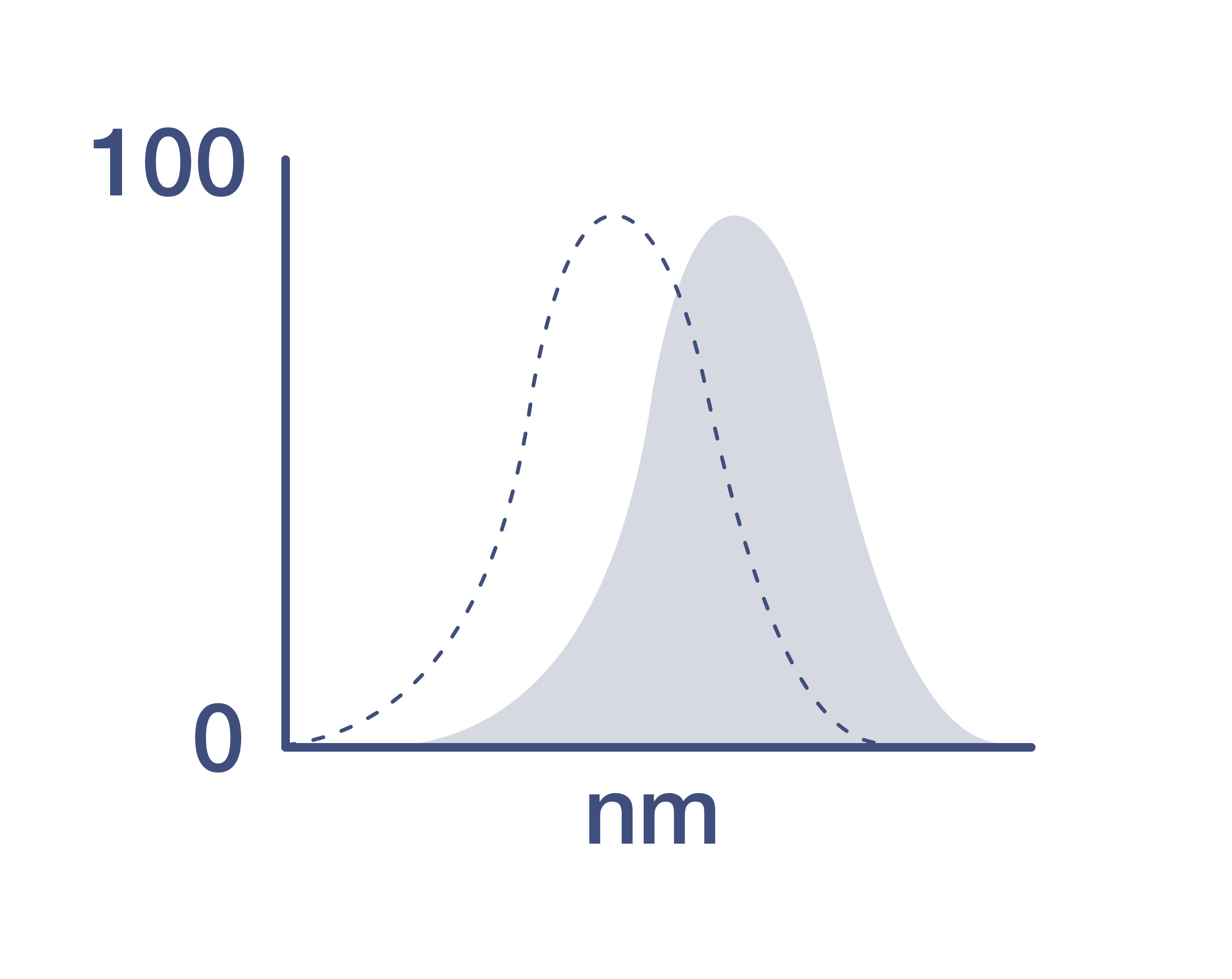
Excitation/Emission Max
300/603 nm
View spectra
Form
Liquid
Purification
purified
Storage buffer
0.05M borate, pH 8.3, with 1M betaine
Contains
0.05% sodium azide
Storage conditions
4°C, store in dark, DO NOT FREEZE!
Shipping conditions
Ambient (domestic); Wet ice (international)
RRID
Product Specific Information
Qdot™ Antibody (Ab) conjugates possess a bright fluorescence emission that makes them well suited for the detection of low-abundance extracellular proteins. Approximately the same size as R-phycoerythrin (R-PE) and compatible with existing organic fluorophore conjugates, Qdot™ Ab conjugates can be excited with any wavelength below their emission maximum, but are best excited by UV or violet light. The narrow, symmetric emission profiles of Qdot Ab conjugates allow for minimal compensation when using a single excitation source, and the very long stoke shifts enable better, more efficient multicolor assays using the 405 nm violet laser. Available in multiple colors for use in flow cytometry, these advantages make Qdot Ab conjugates powerful tools for antibody labeling and staining. Staining: Stain cells in any standard staining buffer, such as phosphate buffered saline (PBS) with 1% bovine serum albumin (BSA). We recommend analysis of cells within 18 hours of staining. If dilute reagent is used, dilute only the quantity of reagent to be used within one day. Qdot Ab conjugates may be mixed with other antibodies, but use the diluted conjugates on the day of dilution. Qdot Ab conjugates can be used for surface staining applications with most conventional sample preparation reagents, such as Cal-Lyse™ Lysing Solution and FIX & PERM™ reagents, with minimal effect on fluorescence. We have observed some batches of BD FACS™ Lysing Solution to interfere with Qdot Ab conjugate fluorescence. Each lot has been tested by flow cytometry using human peripheral blood leukocytes. The RM4-5 monoclonal antibody (mAb) reacts with CD4 antigen and can be used in immunostaining for flow cytometry and for immunohistochemistry on acetone-fixed, frozen tissue sections.
Instrument setup: Qdot Ab conjugates are excited optimally with UV or 405 nm light, although excitation can be obtained with any wavelength below the emission maximum of a given Qdot™ nanocrystal, such as with a 488-nm laser. Qdot Ab conjugates can be used on cytometers that do not have UV or violet excitation sources as long as they have appropriate emission filters. Make sure the cytometer has an appropriate emission filter for the Qdot Ab conjugate being used; alternate filters can be used as long as they capture the emission maximum, but filter width impacts spectral overlap corrections. And be sure to check for Qdot Ab conjugate emission in any channel that can capture nanocrystal emission off of other lasers on the cytometer. For Cat. No. Q10092: peak excitation 405 (488) nm/peak emission 605 nm; recommended filter 605/20 nm.
Store reagents at 2-8°C in the dark. Do not freeze. Because Qdot nanocrystals are conjugated to biological materials, some loss of activity may be observed with prolonged storage. When stored as instructed, expires six months from date of receipt unless otherwise indicated on product label. Qdot Ab conjugates are photostable, and do not need to be protected from light. However, if using Qdot Ab conjugates in combination with conventional fluorochrome conjugated antibodies, minimize light exposure during handling, incubation with cells, and prior to analysis. The Qdot Ab conjugates contain cadmium and selenium in an inorganic crystalline form. Dispose of the material in compliance with all applicable local, state, and federal regulations for disposal of these classes of material. For more information on the composition of these materials, consult the Safety Data Sheets (SDSs).
Target Information
The CD4 antigen is involved in the recognition of MHC class II molecules and is a co-receptor for HIV. CD4 is primarily expressed in a subset of T-lymphocytes, also referred to as T helper cells, but may also be expressed by other cells in the immune system, such as monocytes, macrophages, and dendritic cells. At the tissue level, CD4 expression may be detected in thymus, lymph nodes, tonsils, and spleen, and also in specific regions of the brain, gut, and other non-lymphoid tissues. CD4 functions to initiate or augment the early phase of T-cell activation through its association with the T-cell receptor complex and protein tyrosine kinase, Lck. It may also function as an important mediator of direct neuronal damage in infectious and immune-mediated diseases of the central nervous system. Multiple alternatively spliced transcripts have been identified in this gene [RefSeq, July 2017].
For Research Use Only. Not for use in diagnostic procedures. Not for resale without express authorization.
How to use the Panel Builder
Watch the video to learn how to use the Invitrogen Flow Cytometry Panel Builder to build your next flow cytometry panel in 5 easy steps.
Bioinformatics
Protein Aliases: CD4 antigen p55; cd4a; fCD4; L3T4 differentiation antigen protein; L3T4 surface antigen precursor; Leu-3; T-cell differentiation antigen L3T4; T-cell surface antigen T4/Leu-3; unnamed protein product
Gene Aliases: L3T4; Ly-4
UniProt ID: (Mouse) P06332
Entrez Gene ID: (Mouse) 12504
virus receptor activity
receptor binding
protein binding
zinc ion binding
lipid binding
coreceptor activity
immunoglobulin binding
enzyme binding
protein kinase binding
MHC class II protein complex binding
interleukin-16 binding
interleukin-16 receptor activity
MHC class II protein binding
identical protein binding
protein homodimerization activity
protein tyrosine kinase binding
immune response
cell adhesion
cell surface receptor signaling pathway
positive regulation of calcium ion transport into cytosol
T cell differentiation
macrophage differentiation
maintenance of protein location in cell
helper T cell enhancement of adaptive immune response
interleukin-15-mediated signaling pathway
positive regulation of T cell proliferation
T cell activation
positive regulation of I-kappaB kinase/NF-kappaB signaling
positive regulation of MAPK cascade
T cell selection
positive regulation of monocyte differentiation
positive regulation of transcription, DNA-templated
positive regulation of viral entry into host cell
viral entry into host cell
positive regulation of peptidyl-tyrosine phosphorylation
defense response to Gram-negative bacterium
positive regulation of calcium-mediated signaling
T cell receptor signaling pathway
regulation of T cell activation
positive regulation of T cell activation
regulation of calcium ion transport
positive regulation of ERK1 and ERK2 cascade
cellular response to granulocyte macrophage colony-stimulating factor stimulus
Disclaimer

Clicking the images or links will redirect you to a website hosted by BenchSci that provides third-party scientific content. Neither the content nor the BenchSci technology and processes for selection have been evaluated by us; we are providing them as-is and without warranty of any kind, including for use or application of the Thermo Fisher Scientific products presented.

Performance Guarantee
If an Invitrogen™ antibody doesn't perform as described on our website or datasheet,we'll replace the product at no cost to you, or provide you with a credit for a future purchase.*
Learn more
We're here to help
Get expert recommendations for common problems or connect directly with an on staff expert for technical assistance related to applications, equipment and general product use.
Contact tech support