Hamburger Menu Button
Thermo Fisher Scientific Logo
登入
還沒有帳戶嗎 ? 立即註冊
  • 產品
    • Antibodies
    • Oligos, Primers, Probes and Genes
    • TaqMan Real-Time PCR Assays
    • Cell Culture Media
    • Chemicals
    • Western Blot Products
    • Chromatography Columns and Cartridges
    • Lab Equipment
    • Lab Plasticware and Supplies
    • Microplates
    • Greener Products
    • 查看所有產品類別
  • 應用
    • 生物製程
    • 細胞培養和轉染
    • 食品和飲料
    • 實驗室解決方案
    • 製藥和生物製藥
    • 即時定量PCR
    • 半導體分析
    • 臨床和診斷
    • 數位解決方案
    • 分子光譜、同位素與元素分析
    • 查看所有應用與技術
  • 服務
    • 360° CDMO 和 CRO 服務
    • CDMO 服务
    • 临床试验 CRO 服务
    • 客製化服務
    • 企業服務
    • 金融與租賃服務
    • 儀器服務
    • 實驗室資訊學
    • 授權與商業供應
    • 培訓服務
    • 查看所有服務
  • 支援
    • 線上訂購協助
    • 數位解決方案
    • 產品支持
    • 技術相關資訊
    • 培訓與教育
    • 查看所有協助與支援
  • 熱門商品
    • TaqMan Real-Time PCR Assays
      TaqMan Real-Time PCR Assays
    • Antibodies
      Antibodies
    • Oligos, Primers & Probes
      Oligos, Primers & Probes
    • GeneArt Gene Synthesis
      GeneArt Gene Synthesis
    • Cell Culture Plastics
      Cell Culture Plastics
  • 特價商品
  • 聯絡我們
  • 快速訂購
  • 訂單狀態與貨物追蹤
  • 文件和證書
Thermo Fisher Scientific Logo

Search

Search All
Search button
          • 訂單查詢
          • 快速訂購
          • 登入
            登入
            還沒有帳戶嗎 ? 立即註冊
            • 帳戶
            • 訂單
            • Connect: Lab, Data, Apps
            • 客製化產品與項目
            • 儀器管理

          Disclaimer

          Clicking the images or links will redirect you to a website hosted by BenchSci that provides third-party scientific content. Neither the content nor the BenchSci technology and processes for selection have been evaluated by us; we are providing them as-is and without warranty of any kind, including for use or application of the Thermo Fisher Scientific products presented.

          • Primary Antibodies ›
          • TNF alpha Antibodies

          Bioss

          TNF alpha Polyclonal Antibody, Alexa Fluor™ 594

          View all (203) TNF alpha antibodies

          {{$productOrderCtrl.translations['antibody.pdp.commerceCard.promotion.promotions']}}

          {{$productOrderCtrl.translations['antibody.pdp.commerceCard.promotion.viewpromo']}}

          {{$productOrderCtrl.translations['antibody.pdp.commerceCard.promotion.promocode']}}: {{promo.promoCode}} {{promo.promoTitle}} {{promo.promoDescription}}. {{$productOrderCtrl.translations['antibody.pdp.commerceCard.promotion.learnmore']}}

          Datasheet
          Protocols
          Questions & Answers
          Tech Support
          Datasheet
          Protocols
          Questions & Answers
          Tech Support
          Datasheet
          Protocols
          Questions & Answers
          Tech Support

          Cite TNF alpha Polyclonal Antibody, Alexa Fluor™ 594

          TNF alpha Polyclonal Antibody, Alexa Fluor™ 594

          Product Details

          BS-0078R-A594

          Applications
          Tested Dilution
          Publications

          Western Blot (WB)

          1:300-5,000
          -

          Immunohistochemistry (Paraffin) (IHC (P))

          1:50-1:200
          -

          Immunohistochemistry (Frozen) (IHC (F))

          1:50-1:200
          -

          Immunocytochemistry (ICC/IF)

          1:50-1:200
          -
          Product Specifications

          Species Reactivity

          Human, Mouse, Pig, Rabbit, Rat

          Host/Isotype

          Rabbit / IgG

          Class

          Polyclonal

          Type

          Antibody

          Immunogen

          KLH conjugated synthetic peptide derived from human TNF alpha
          View immunogen

          Conjugate

          Alexa Fluor™ 594 Alexa Fluor™ 594 Alexa Fluor™ 594

          Excitation/Emission Max

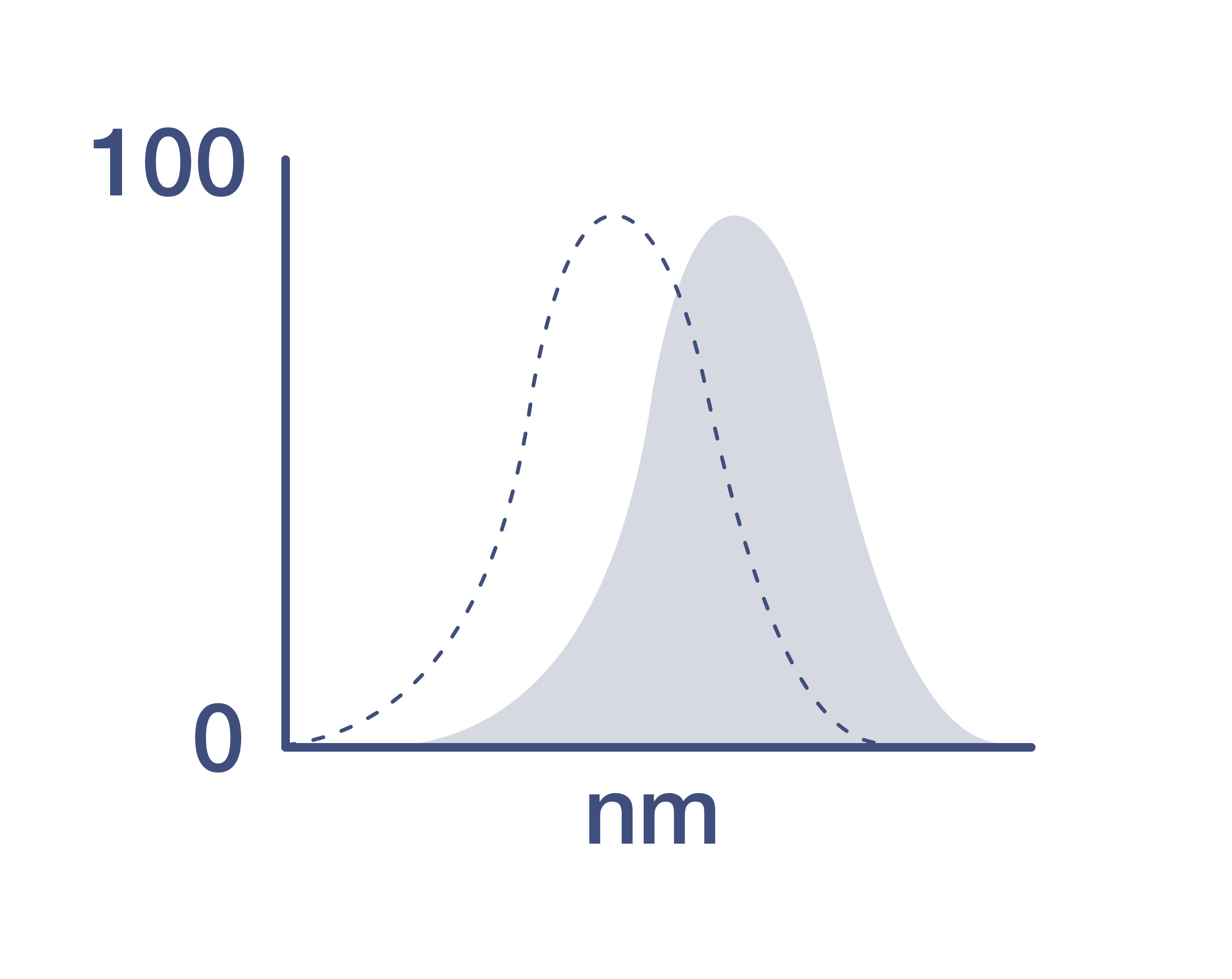
          590/618 nm View spectra spectra
          Form

          Liquid

          Concentration

          1 mg/mL

          Purification

          Protein A

          Storage buffer

          TBS, pH 7.4, with 50% glycerol, 1% BSA

          Contains

          0.03% ProClin 300

          Storage conditions

          -20°C or -80°C if preferred

          Shipping conditions

          Ambient (domestic); Wet ice (international)

          Target Information

          TNF alpha is a multifunctional proinflammatory cytokine that belongs to the tumor necrosis factor (TNF) superfamily. This cytokine is mainly secreted by macrophage and bind to its receptors, TNFRSF1A/TNFR1 and TNFRSF1B/TNFBR. TNF alpha is involved in the regulation of immune cells, cell proliferation, differentiation, apoptosis, lipid metabolism, and coagulation. TNF alpha exists as a multimer of two, three, or five noncovalently linked units, but shows a single 17 kDa band following SDS-PAGE under non-reducing conditions. Knockout studies in mice also suggested the neuroprotective function of TNF alpha, and has been observed to causes tumor necrosis when injected into tumor-bearing mice. Other functions of TNF-alpha include its role in the immune response to bacterial, viral, parasitic and certain fungal infections, as well as its role in the necrosis of specific tumors. TNF alpha causes cytolysis or cytostasis of certain transformed cells, being synergistic with interferon-gamma in its cytotoxicity. This cytokine has been implicated in a variety of diseases, including autoimmune diseases, insulin resistance, and cancer.

          For Research Use Only. Not for use in diagnostic procedures. Not for resale without express authorization.

          References (0)

          Have you cited this product in a publication?
          Let us know so we can reference it here.
          Cite this product

          Bioinformatics

          Protein Aliases: APC1 protein; Cachectin; DADB-70P7.1; TNF alpha; TNF superfamily; TNF α; TNF, macrophage-derived; TNF, monocyte-derived; TNF-a; TNF-alpha; TNFα; Tumor necrosis factor; tumor necrosis factor (TNF superfamily, member 2); tumor necrosis factor alpha; tumor necrosis factor alpha precursor; tumor necrosis factor ligand 1F; Tumor necrosis factor ligand superfamily member 2; tumor necrosis factor precursor; tumor necrosis factor-alpha

          View more View less

          Gene Aliases: DIF; RATTNF; TNF; TNF-a; TNF-alpha; TNFA; TNFalpha; Tnfsf1a; TNFSF2; TNLG1F

          View more View less

          UniProt ID: (Pig) P23563, (Human) P01375, (Rabbit) P04924, (Rat) P16599, (Mouse) P06804

          View more View less

          Entrez Gene ID: (Pig) 397086, (Human) 7124, (Rabbit) 100009088, (Rat) 24835, (Mouse) 21926

          View more View less

          Function(s)
          protease binding identical protein binding cytokine activity tumor necrosis factor receptor binding protein binding transcription regulatory region DNA binding
          Process(es)
          negative regulation of transcription from RNA polymerase II promoter activation of MAPKKK activity activation of MAPK activity microglial cell activation negative regulation of endothelial cell proliferation chronic inflammatory response to antigenic stimulus positive regulation of chronic inflammatory response to antigenic stimulus positive regulation of humoral immune response mediated by circulating immunoglobulin glucose metabolic process activation of cysteine-type endopeptidase activity involved in apoptotic process humoral immune response JNK cascade intrinsic apoptotic signaling pathway in response to DNA damage response to virus vascular endothelial growth factor production negative regulation of alkaline phosphatase activity extracellular matrix organization osteoclast differentiation sequestering of triglyceride cortical actin cytoskeleton organization positive regulation of fever generation lipopolysaccharide-mediated signaling pathway negative regulation of interleukin-6 production positive regulation of interferon-gamma production positive regulation of interleukin-6 production positive regulation of interleukin-8 production receptor biosynthetic process positive regulation of peptidyl-serine phosphorylation positive regulation of heterotypic cell-cell adhesion negative regulation of myosin-light-chain-phosphatase activity negative regulation of cysteine-type endopeptidase activity involved in apoptotic process negative regulation of protein complex disassembly positive regulation of protein complex disassembly protein kinase B signaling positive regulation of JUN kinase activity positive regulation of neuron apoptotic process negative regulation of viral genome replication positive regulation of chemokine biosynthetic process positive regulation of nitric oxide biosynthetic process regulation of fat cell differentiation negative regulation of myoblast differentiation negative regulation of osteoblast differentiation positive regulation of osteoclast differentiation negative regulation of mitotic cell cycle positive regulation of translational initiation by iron negative regulation of glucose import embryonic digestive tract development positive regulation of cytokine secretion positive regulation of phagocytosis regulation of insulin secretion positive regulation of synaptic transmission regulation of synapse organization defense response to Gram-positive bacterium leukocyte tethering or rolling negative regulation of lipid catabolic process regulation of immunoglobulin secretion positive regulation of membrane protein ectodomain proteolysis positive regulation of NF-kappaB transcription factor activity response to glucocorticoid positive regulation of hair follicle development positive regulation of protein kinase B signaling positive regulation of glial cell proliferation positive regulation of calcidiol 1-monooxygenase activity epithelial cell proliferation involved in salivary gland morphogenesis regulation of branching involved in salivary gland morphogenesis negative regulation of branching involved in lung morphogenesis positive regulation of calcineurin-NFAT signaling cascade cellular response to amino acid stimulus cellular response to nicotine cellular response to organic cyclic compound positive regulation of podosome assembly endothelial cell apoptotic process protein localization to plasma membrane necroptotic signaling pathway positive regulation of cytokine production involved in inflammatory response negative regulation of beta-amyloid clearance positive regulation of NIK/NF-kappaB signaling positive regulation of synoviocyte proliferation positive regulation of superoxide dismutase activity positive regulation of beta-amyloid formation positive regulation of protein localization to plasma membrane regulation of establishment of endothelial barrier negative regulation of bicellular tight junction assembly positive regulation of I-kappaB phosphorylation negative regulation of production of miRNAs involved in gene silencing by miRNA positive regulation of vascular smooth muscle cell proliferation positive regulation of leukocyte adhesion to arterial endothelial cell positive regulation of protein localization to cell surface positive regulation of blood microparticle formation positive regulation of chemokine (C-X-C motif) ligand 2 production positive regulation of endothelial cell apoptotic process positive regulation of estradiol secretion negative regulation of extrinsic apoptotic signaling pathway in absence of ligand protein import into nucleus, translocation MAPK cascade response to hypoxia cell activation positive regulation of cytokine production regulation of protein phosphorylation positive regulation of protein phosphorylation negative regulation of L-glutamate transport negative regulation of cytokine secretion involved in immune response skeletal muscle contraction apoptotic process obsolete transformed cell apoptotic process defense response inflammatory response signal transduction multicellular organism development negative regulation of cell proliferation extrinsic apoptotic signaling pathway via death domain receptors response to radiation response to mechanical stimulus organ morphogenesis positive regulation of gene expression negative regulation of gene expression response to activity calcium-mediated signaling positive regulation of protein complex assembly response to lipopolysaccharide positive regulation of chemokine production positive regulation of interleukin-18 production tumor necrosis factor-mediated signaling pathway regulation of cell proliferation positive regulation of NF-kappaB import into nucleus response to drug defense response to bacterium positive regulation of apoptotic process positive regulation of programmed cell death regulation of I-kappaB kinase/NF-kappaB signaling positive regulation of I-kappaB kinase/NF-kappaB signaling positive regulation of cysteine-type endopeptidase activity involved in apoptotic process positive regulation of MAP kinase activity negative regulation of growth of symbiont in host cellular extravasation positive regulation of interleukin-8 biosynthetic process regulation of osteoclast differentiation positive regulation of action potential positive regulation of mitotic nuclear division positive regulation of protein kinase activity negative regulation of transcription, DNA-templated positive regulation of transcription, DNA-templated positive regulation of transcription from RNA polymerase II promoter positive regulation of JNK cascade positive regulation of smooth muscle cell proliferation regulation of protein secretion positive regulation of inflammatory response leukocyte migration detection of mechanical stimulus involved in sensory perception of pain positive regulation of sequence-specific DNA binding transcription factor activity positive regulation of protein transport positive regulation of NFAT protein import into nucleus positive regulation of vitamin D biosynthetic process cellular response to lipopolysaccharide apoptotic signaling pathway extrinsic apoptotic signaling pathway response to gold nanoparticle regulation of reactive oxygen species metabolic process I-kappaB kinase/NF-kappaB signaling response to salt stress regulation of tumor necrosis factor-mediated signaling pathway negative regulation of lipid storage negative regulation of fat cell differentiation positive regulation of cell adhesion positive regulation of ERK1 and ERK2 cascade death-inducing signaling complex assembly positive regulation of mononuclear cell migration establishment of protein localization to plasma membrane positive regulation of leukocyte adhesion to vascular endothelial cell positive regulation of ceramide biosynthetic process immune response cell proliferation positive regulation of cell proliferation
          It has to be done as per old AB suggested Products section.
          guarantee_icon

          Performance Guarantee

          If an Invitrogen™ antibody doesn't perform as described on our website or datasheet,we'll replace the product at no cost to you, or provide you with a credit for a future purchase.*

          Learn more
          help_icon

          We're here to help

          Get expert recommendations for common problems or connect directly with an on staff expert for technical assistance related to applications, equipment and general product use.

          Contact tech support
          產品訂購 Plus Icon Minus Icon
          • 訂單狀態
          • 訂購協助
          • 快速訂購
          • 現貨供應中心
          • 電子採購
          支持 Plus Icon Minus Icon
          • 協助與支持
          • 聯絡我們
          • 技術支持中心
          • 搜尋文件和證書
          • 回報網站問題
          資源 Plus Icon Minus Icon
          • 學習中心
          • 促銷活動
          • 活動和網路研討會
          • 社群媒體
          關於 Thermo Fisher Plus Icon Minus Icon
          • 關於我們 關於我們
          • 人才招募 人才招募
          • 投資者資訊 投資者資訊
          • 新聞 新聞
          • 企業社會責任 企業社會責任
          • 商標
          • 政策和聲明
          品牌 Plus Icon Minus Icon
          • Thermo Scientific
          • Applied Biosystems
          • Invitrogen
          • Gibco
          • Ion Torrent
          • Fisher Scientific
          • Patheon
          • PPD
          • Terms & Conditions
          • Privacy Policy
          • Price & Freight Policy
          © 2006-2026 Thermo Fisher Scientific Inc. All rights reserved. All trademarks are the property of Thermo Fisher Scientific and its subsidiaries unless otherwise specified.
          Taiwan flag icon
          Taiwan

          Your items have has been added!


          Host server : magellan-search-green-55658555d6-9rjdb:80/100.66.79.224:80.
          git-commit: ec8e7df5f8fec8d765bd419205f1b5046a016d37
          git-url: https://github.com/thermofisher/magellan-search
          git-branch: release/2.41.0-Offline