We’re attending and exhibiting at the BIO International Convention in Boston, the largest conference in biotechnology that brings over 20,000 leaders globally. Read on as Jenny Ro, Director, Biotech, Pharma and Applied Segment Marketing, recaps the key takeaways.

Luminescence Rise & Fun(d)
The whole life science ecosystem comes to life during BIO with a variety of adjacent events. My first day started with the Luminescence Rise & Fun(d) event hosted by Lab Central. This startup clued me into what’s new and innovative in the biotech startup world.
We were invited to explore digital posters and “invest” in our favorite teams, competing for an investment prize, residency, and lab space. Many of the startup companies were either developing novel biologics drug modalities such as cell therapy, gene therapy, and RNA therapy, or working on innovative biologics manufacturing technologies. BrilliantStrings Therapeutics, a biotech focused on mechano-therapeutics and rapid repair of injured or degenerated connective tissue; and Viska Bio, a biotech dedicated to developing an early-stage immunotherapy platform that engages localized immunogenic cell death to treat and prevent cancer, won the competition for their innovative approaches to therapeutics.
Though it was early, a large group of attendees did indeed rise to have fun and fund!
Morning Session
AI Summit: What is Working? What is Next?
I attended the AI Summit session, “What is Working? What is Next?”, and gained some key insight into the topic we’re all talking about. (The session was also notable for its all-women panel, a rare occurrence in a traditionally male-dominated field.)
Key takeaways:
- AI can be used in drug development to resolve inefficiencies and processes
- AI can be used to leverage data deeper than statistical significance for improved patient outcomes
- AI experts who can explain complex models in simple terms are highly sought after
- Elevating integrative thinkers to leadership positions is crucial for leveraging AI effectively
Highlights:
- How should we use AI in drug development? Panelists stressed use AI to learn beyond statistical significance and truly leverage to make difference in patient outcomes
- What are the opportunities with AI in biotech? Luba Greenwood of Insitro believes that we should tap into the opportunity to find inefficiencies in our drug development and manufacturing processes, and solve for it. She believes a great low-hanging fruit example is using AI to adjust a clinical program that has been shut down (for any reason outside of safety issues). For example, AI can help revive the stalled clinical asset for different indications or different stratified patient groups, find opportunities to adjust the clinical program, etc.
- When everyone is using the same open-source AI tools, how do you differentiate? I took several key takeaways from the panel about differentiating.
- Differentiate your results with superior clinical outcomes. To drive that, look for the enlightening data in fundamental disease biology and recognize that the high-quality patient data is key. This helps unlock a better understanding on who will respond better to a certain treatment.
- Iya Khalil from Merck and Co. suggested creating an active learning loop between disease biology data and clinical phase 1 and 2 data to improve the AI model
- Molly Gibson from Lila Science said to focus on where you have the most meaningful data to leverage AI
- Mary Rozenman from Insitro said create process and wet lab check points to make sure in silico model’s answers make sense. For example, if a model generates multiple novel targets, then run cell-base screening on those targets as a check point. Similarly continue to build rigorous checkpoints to follow up on next set of answers.
- What collaborations are important for AI adoption? Small and/or startup biotechs are not likely to have a large body of data and, because what you feed into an AI model dictates the quality of results and predictions, small biotechs should work with good collaborators who can bring a lot of clinical data to the mix. CROs, CDMOs, and big pharma companies are good candidates to fill that collaborator role.
- Are organizations creating new roles to support integrating AI? Not quite. All panelists agreed that the most important quality of AI experts is having less ego and being able to explain things in plain language. An expert who can help others understand what a complex AI model is doing in simple language—and bring everyone along the journey—is highly valued and heavily sought after. To that extent, Rozenman from Insitro said she highly recommends elevating integrative thinkers into an organization’s leadership roles, where they can lead the intersection of computational biology, disease biology, technology, and clinical research.
Afternoon Session
Regulatory Acceleration & Innovation: Leveraging New Policies for a Smarter Biopharma Go-to-Market Strategy
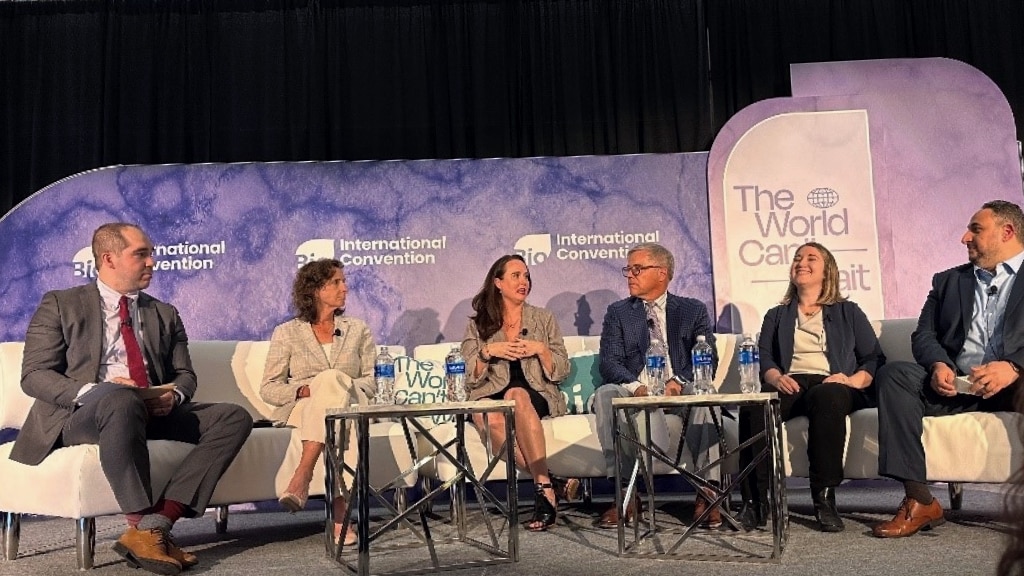
Key takeaways:
- Working with experienced suppliers can simplify the preparation of regulatory packages.
- Running “key message sessions” helps crystallize the key stories and messages for regulators.
- Global regulatory bodies are demanding more transparency and patient-centric approaches from biotech and pharma companies.
- Early involvement and trust-building with regulatory bodies are essential, especially for novel therapies.
- There are a lot of changes happening in the FDA with the new administrative directions in 2025, and it’s a huge challenge for small biotech. As they can’t slow down or wait until new FDA’s guidance, many of them are turning to different countries and their regulatory bodies for their initial drug approval and launch.
Highlights included:
- Regulatory bodies like to be considered as a partner rather than a check box in a drug development process. Involve them as early as you can, build trust, and allow them to be your thought partner, especially for novel therapy for modalities that regulatory bodies are not as familiar with.
- Regulatory bodies are not only meant to enforce compliance, but to help accelerate drug delivery to patients. Even if regulatory compliance may feel like a slow down, connect with the regulatory bodies, and work together to define a path.
- Bassem Gayed from BMS said demonstrating your “how” to the regulatory agency is important. Demonstrating how you are going to deliver at scale (as if your drug were to be approved) is critical. He recommends early alignment with a regulator on your plan for scale. To do so, you need to get aligned with your suppliers as well as internal stakeholders even earlier to fast track your plan for scale.
- Knowing what regulators are looking for is very important. Though, unless you are a big biopharma with a lot of clinical experience go into regulatory compliance with strong partner (suppliers, strategic partners, etc.) that can bring experience to the table.
- Bringing too much or too little information to a regulator is equally inappropriate. To prevent those situations, run a “key message session” as recommended by Sanofi. If you can’t crystallize the key stories and messages that you are aiming to convey, then you don’t have a story and are too early. If you have a crystalized key message, don’t muddle the message with too much information or data.
VISKA BIO Happy Hour
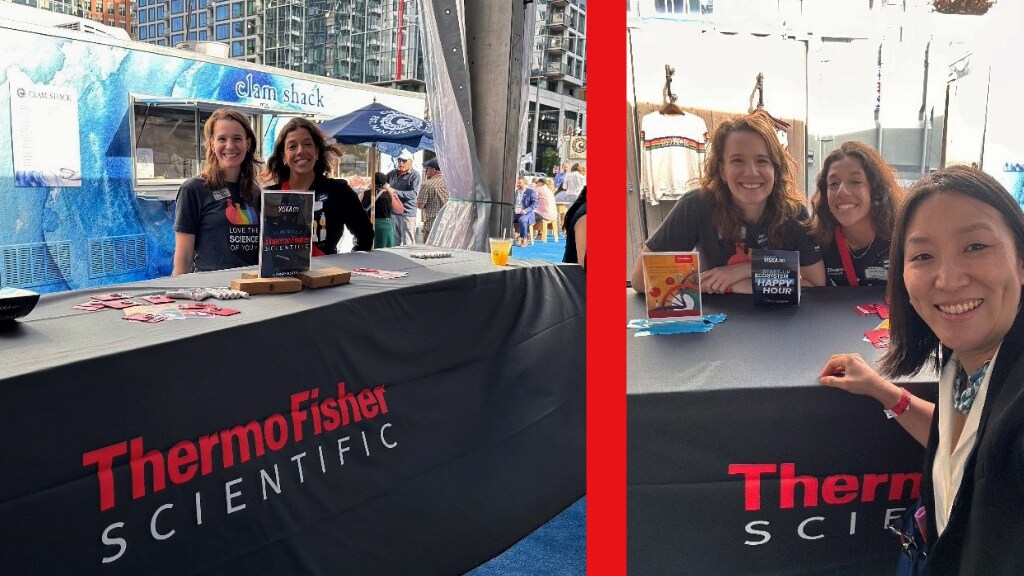
The VISKA BIO happy hour, sponsored by Thermo Fisher Scientific, was a great ancillary event to close the evening. I learned that despite challenges in the biotech industry, there are pockets of strong growth, particularly in dermatology with immunology. Also, while early-stage biotechs in Boston/Cambridge are struggling, regions like Texas and San Diego are emerging stronger. The APJ region’s biotech and pharma market is also very strong, with significant bio-manufacturing activities.
Conversations and Insights
Throughout the day, various conversations revealed insights into the biotech industry:
- The importance of patient-centricity and better patient recruitment.
- The role of patient advocacy groups and consulting practices as liaisons.
- The need for small biotech companies to partner with experienced suppliers or strategic partners for regulatory success.
- Greenwood ended with a piece of last advice that I’ll carry with me: If you have the best people and trust that you have a great AI model, be “bullish” and move forward (even if all the “experts” say you can’t make it). (She reminded all attendees that Insitro followed that energy, and they made it!)
In conclusion, day one of BIO 2025 was filled with high energy, insightful discussions, and promising innovations. Key highlights included the integration of AI in biopharma, the emphasis on regulatory partnerships, and the vibrant biotech startup ecosystem. As the industry continues to evolve, it’s clear that these elements will continue to drive innovation and success.
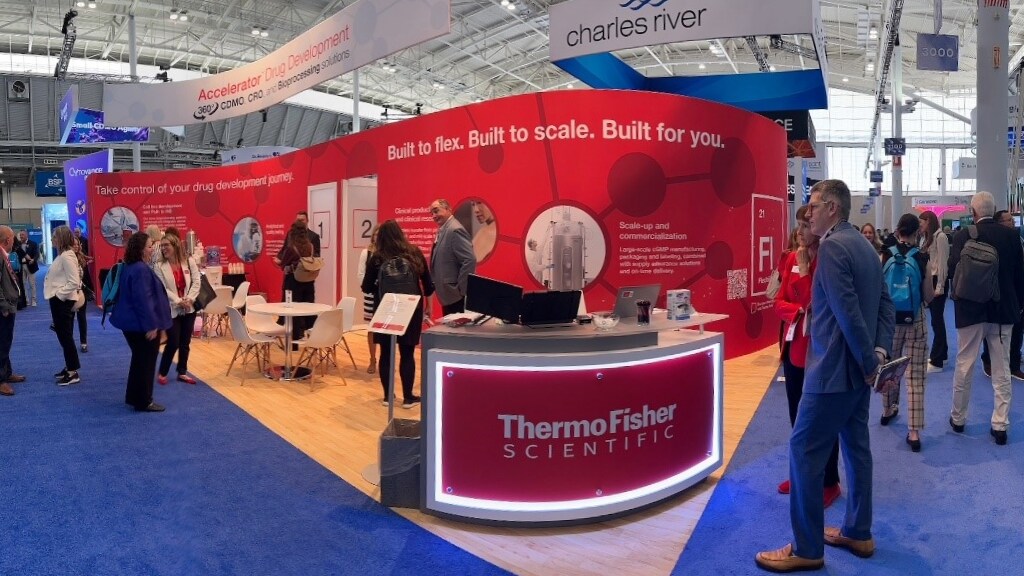
Come say hello at Booth #534 and learn more about how we can help accelerate your drug development journey.

“Lighthouse Hubs” Can Create Specialized Clusters in Europe to Elevate Particular Sub-Disciplines in the ATMP-Field
When experts from across Europe sit around one table to deba... Frauke Graalfs
Read More
Which Financial Solution Is Right for You? A Guide for Biotech Leaders
Whether you’re a startup navigating early fundin...
Read More
Smart Leasing Strategies for Growth-Phase Companies
The scientific landscape is undergoing a lot of change and c...
Read More
Balancing Progress and Cash Flow: How One Pharmaceutical Company Optimized Funding with an Extended Terms Agreement
Pharmaceutical companies often face long timelines and ...
Read More
Leave a Reply