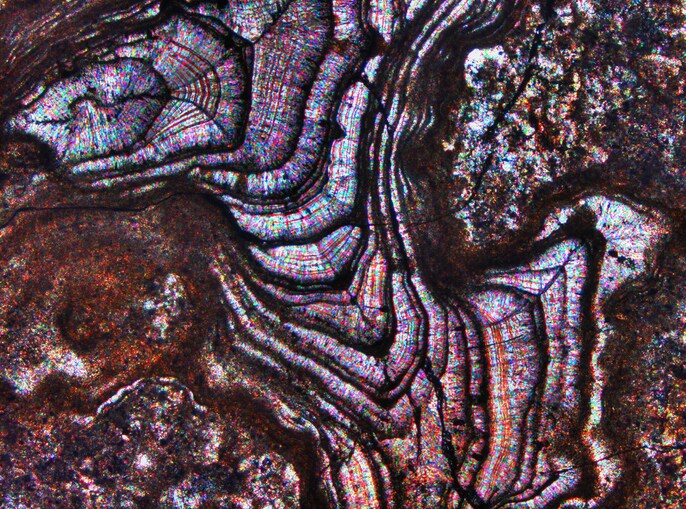
 We’ve recorded five of our most recent geoscience webinars and put them in one easy-to-access place so you can discover the latest analytical techniques for characterizing geological materials. Select one or more of the webcasts to learn how X-Ray Fluorescence (XRF), X-Ray Diffraction (XRD), Vibrational Spectroscopy, Inductively Coupled Plasma Optical Emission Spectroscopy (ICP-OES), Mass Spectrometry (MS), and other techniques are used in the world of geoscience. You can learn about:
- Geological Applications Using XRF, XRD and Vibrational Spectroscopy.
- Characterization of geological materials, including elemental composition, chemical speciation, and phase determination, is of primary importance for assessing their natural resources as well as their exploration, beneficiation, and extraction processes for industrial needs. In this presentation, several real-world geological applications using X-ray and vibrational spectroscopic techniques are presented. The complementarity of different analytical techniques are also discussed.
- Unlocking Information from Geological Samples with Carbon, Nitrogen, Sulfur and Hydrogen
- Using elemental abundances and isotopic ratios of carbon, nitrogen, sulfur and hydrogen, key information can be unlocked from geoscience samples to reconstruct the evolution of the Earth and life. This webcast explains how elemental analysis and IRMS are used to unlock the information from geological samples. Accuracy, precision and sample throughput of these techniques are also discussed.
- Oxygen and Nitrogen Under the Ice: Trace Elements and δ15N Evidence for Oxic Weathering and Oxygenated Waters During the Snowball Earth Marinoan Glaciation, Ghaub Formation, Namibia
- In this webcast, the first nitrogen isotopic and trace element analyses of three sections of the Ghaub formation, the Marinoan glacial unit in northern Namibia, is presented. The Marinoan is the second of two Cryogenian Snowball Earth glaciations. The results suggest oxidative continental weathering and mildly oxygenated marine waters.
- Inductively Coupled Plasmas for Elemental Analysis in Geosciences: Optimized Tools to Find the Right Information
- Knowing the elemental composition and exact concentrations of all elements in a sample is of high importance in Geosciences. First and foremost, this information is absolutely mandatory to determine a suitable sample preparation procedure for more specific analysis, such as age or provenance determination using isotope ratio determinations. It can also provide other insights when looking at elements such as the rare earth elements or transition metals. To obtain this information, Inductively Coupled Plasma Optical Emission Spectroscopy (ICP-OES) and Mass Spectrometry (MS) are common tools in many laboratories. This webinar highlights recent innovations in ICP-OES and triple quadrupole ICP-MS and demonstrate how these techniques can be applied for comprehensive, fast, and quantitative characterization of geological samples.
- Optimizing Methodologies in U-Pb and Lu-Hf Analysis of Zircons using TIMS, MC-ICP-MS and HR-ICP-MS
- Uranium-lead geochronology provides valuable insight into the timing and rates of various geological processes throughout Earth’s history. Isotope dilution thermal ionization mass spectrometry is the most precise and accurate technique for U-Pb geochronology. This technique is generally applied to single zircon crystals or crystal fragments yielding small amounts of Pb (typically < 100 pg) and U (approximately 1 ng) following separation by chromatographic techniques in a very clean environment. Precise and accurate analysis of such small samples requires sensitive ion detection systems. This webcast highlights the latest advances in U-Pb and Lu-Hf analysis of zircons by Isotope Dilution TIMS, as well as in-situ laser ablation sector field, single collector and multi-collector ICP-MS, with a focus on optimizing methodologies.
Just register on our Webcasts page to access any or all of the on-demand webinars in the series.

The Critical Role of Process Mass Spectrometry in e-Fuels Production
Climate-friendly energy The thermometer is rising, all over ... Daniel Merriman
Read More
Better Together: XRF and XRD
X-ray fluorescence (XRF) is a non-destructive analytical tec... Raphael Yerly
Read More
Remarkable Minerals Make Spectacular Fireworks
According to the United States Geological Survey (USGS), min...
Read More
The Trend of Mining Companies Partnering with Scrap Metal Recycling Companies
There are reports that there is a new trend in mining – th... Pete Anzalone
Read More
Leave a Reply