Amol Prakash, PhD, Group Leader, Informatics Center of Excellence, the Biomarkers Research Initiatives in Mass Spectrometry (BRIMS) Center
The possibility of solving real world problems drew Amol Prakash to science, bioinformatics, and working with technology to identify new biological targets for diagnostics and drug therapeutics.
After earning a PhD in computer science from the University of Washington and an undergrad from IIT Delhi with a major in computer science, internships followed at leading informatics organizations, including IBM Research Labs, Max Planck Institute, Institute for Systems Biology, and Fred Hutchinson Cancer Research Institute, exposing him to many different workflows and techniques for information analysis in large datasets. With this background, he could have worked anywhere in the world, but he chose BRIMS.
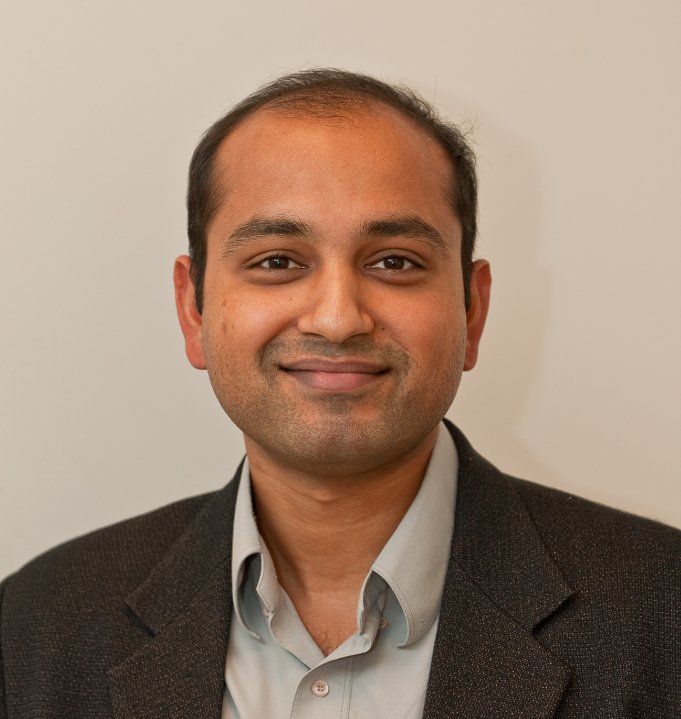
Amol Prakash, Ph.D., Group Leader at BRIMS
“BRIMS is right where I want to be: at the nexus of enabling technologies and primary research where discoveries can lead to real products that improve people’s lives,” said Prakash. “Our mass spectrometer products integrated with workflows and informatics software are constantly being refined and revised with the help of research teams from around the world.”
The BRIMS Center collaborates with clinical researchers and technology providers. These collaborations speed the validation of biomarkers and workflows, and demonstrate the reproducibility of SRM-based assays. They also provide a source of clinical expertise, samples, and input for product and workflow development, which keeps BRIMS staff at the forefront of clinical research needs. Some of the research partners the center has collaborated with include Massachusetts General Hospital, the Johns Hopkins School of Medicine, University of Gothenburg in Sweden, Tokyo Medical University Hospital, School of Medicine at Northwestern University, and the Mayo Clinic, among others.
“What excites me is that we work in a symbiotic relationship,” said Prakash. “The researchers bring us their problems and we show them a new technology, which in turn leads them to develop new investigative questions. When we hit the wall with the technology, we try to improve it to allow the research world to continue.”
Researchers seeking access to multiple mass spectrometers come to the BRIMS facility to work with technicians and staff to test their hypotheses regarding proteomics. Because rapid developments in both instrumentation and bioinformatics software allow new kinds of investigation, putting the two together to work collaboratively makes sense.
Prakash believes the future will hold more hypothesis-based investigations. “In the past five years, we’ve seen a lot of unbiased experiments, which lead to lots of interesting data and findings, but rarely to an actual target or therapeutic because we still know so little about the actual action of proteins in cell signaling. The combination of biological insight and targeted mass-spectrometry-based investigations hold more promise for drug discovery, and that’s where the research is going.”
According to Prakash, mass spectrometry will remain the gold standard for measuring proteins for a long while yet. “We are really just in the infancy of proteomics. The instruments we have now will evolve, becoming faster, cheaper, and far more widespread. Our ability to understand the actions of proteins in cell signaling will grow exponentially as the means to investigate them become more ubiquitous. Who knows? Maybe 50 years from now, we’ll all have a mass spectrometer in our home and we will run blood-based assays to tell us everything from when we have eaten an apple covered with pesticide residue to whether or not there is a dangerously high level of antiapototic proteins potentially indicating or leading to cancer. It is really just a matter of time.”

Methods and Medicine: Getting More Personal
Dayana Argoti, PhD, Senior Application Scientist, Thermo Sci...
Read More
A Career in Chemical Analytics: 50 Years and Still Separating
Barry L. Karger, Director of the Barnett Institute of Chemic...
Read More
Pushing the Boundaries of Mass Spectrometry Design and Use
Helen Cooper, PhD, Birmingham University Dr. Helen J....
Read More
Leave a Reply