Search
Invitrogen
Phospho-ZAP70/Syk (Tyr319, Tyr352) Monoclonal Antibody (n3kobu5), PE, eBioscience™
{{$productOrderCtrl.translations['antibody.pdp.commerceCard.promotion.promotions']}}
{{$productOrderCtrl.translations['antibody.pdp.commerceCard.promotion.viewpromo']}}
{{$productOrderCtrl.translations['antibody.pdp.commerceCard.promotion.promocode']}}: {{promo.promoCode}} {{promo.promoTitle}} {{promo.promoDescription}}. {{$productOrderCtrl.translations['antibody.pdp.commerceCard.promotion.learnmore']}}
Additional Information:
{{banner.description}}

FIGURE: 1 / 2
Phospho-ZAP70/Syk (Tyr319, Tyr352) Antibody (12-9006-41) in Flow
Intracellular staining of untreated (orange histogram) or 5-minute hydrogen peroxide-activated sodium pervanadate-treated (purple histogram) mouse spleen cells with Anti-Human/Mouse phospho-ZAP-70/SYK (Y319/Y352) PE using the Intracellular Fixation & Permeabilization Buffer Set (Product # 88-8824-00) and protocol. Lymphocytes in the CD3+ (left) or B220+ (right) gates were used for analysis.


Please note: We are reviewing Western blot images included in the antibody testing data in our catalog, including those provided by third parties. Unless expressly labeled or annotated as “raw-unedited”, Western blot images included in the antibody testing data in our catalog may have been edited, optimized or otherwise adjusted for presentation.


Product Details
12-9006-41
Applications
Tested Dilution
Publications
Product Specifications
Species Reactivity
Human,
Mouse
Published species
Human,
Mouse
Host/Isotype
Mouse
/ IgG2b, kappa
Recommended Isotype Control
Class
Monoclonal
Type
Antibody
Clone
n3kobu5
Conjugate
PE
PE
PE
Excitation/Emission Max
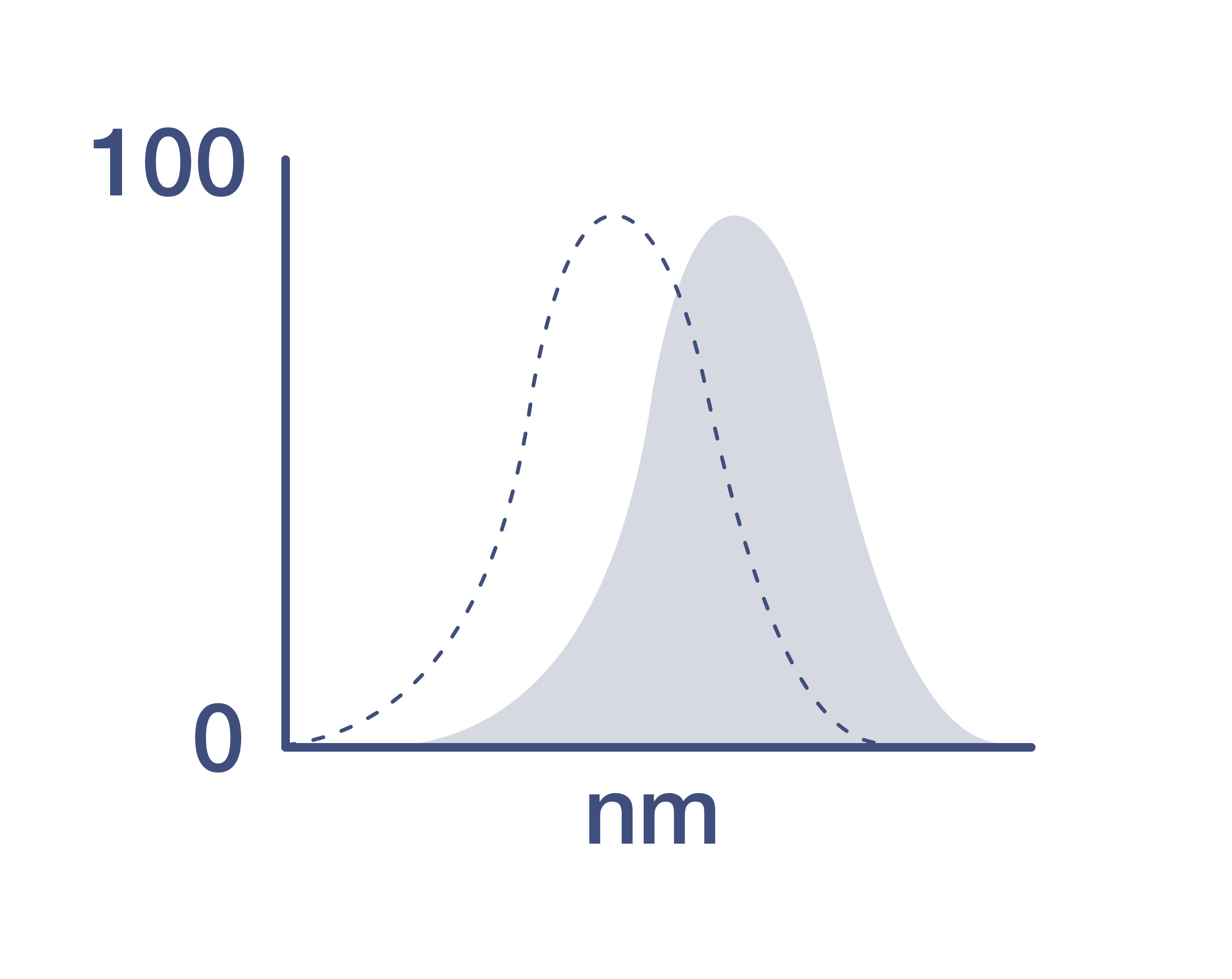
565/576 nm
View spectra
Form
Liquid
Concentration
5 µL/Test
Purification
Affinity chromatography
Storage buffer
PBS, pH 7.2, with BSA
Contains
0.09% sodium azide
Storage conditions
4°C, store in dark, DO NOT FREEZE!
Shipping conditions
Ambient (domestic); Wet ice (international)
RRID
Product Specific Information
Description: This n3kobu5 monoclonal antibody recognizes human and mouse zeta chain-associated protein of 70 kD (also known as ZAP-70) and spleen tyrosine kinase (also known as SYK) when phosphorylated on Y319 and Y352, respectively. ZAP-70 and SYK are members of the SYK protein tyrosine kinase (PTK) family that are phosphorylated and activated by Src family PTKs. ZAP-70/SYK Y319/Y352 are located in the so-called interdomain of ZAP-70/SYK (between the N-terminal dual SH2 domains and the C-terminal kinase domain).
Phosphorylation of ZAP-70 Y319 by Lck is necessary for T cell receptor (TCR)-dependent association of ZAP-70 with Lck and phospholipase C gamma and subsequent activation of calcium-dependent and Ras signaling cascades. SYK Y352 phosphorylation by Fyn/Lyn is critical for propagation of B cell receptor (BCR) signaling and for B cell development.
Specificity of this n3kobu5 clone was determined by ELISA, flow cytometry, and western blotting.
Applications Reported:This n3kobu5 antibody has been reported for use in intracellular staining followed by flow cytometric analysis.
Applications Tested: This n3kobu5 antibody has been pre-titrated and tested by intracellular staining followed by flow cytometric analysis of stimulated normal human peripheral blood cells. This can be used at 5 µL (0.03 µg) per test. A test is defined as the amount (µg) of antibody that will stain a cell sample in a final volume of 100 µL. Cell number should be determined empirically but can range from 10^5 to 10^8 cells/test.
Staining Protocol: All protocols work well for this monoclonal antibody. Use of Protocol A: Two-step protocol: intracellular (cytoplasmic) proteins allows for the greatest flexibility for detection of surface and intracellular (cytoplasmic) proteins. Use of Protocol B: One-step protocol: intracellular (nuclear) proteins is recommended for staining of transcription factors in conjunction with surface and phosphorylated intracellular (cytoplasmic) proteins. Protocol C: Two-step protocol: Fixation/Methanol allows for the greatest discrimination of phospho-specific signaling between unstimulated and stimulated samples, but with limitations on the ability to stain specific surface proteins (refer to "Clone Performance Following Fixation/Permeabilization" located in the BestProtocols Section under the Resources tab online). All Protocols can be found in the Flow Cytometry Protocols: "Staining Intracellular Antigens for Flow Cytometry Protocol" located in the BestProtocols® Section under the Resources tab online.
Excitation: 488-561 nm; Emission: 578 nm; Laser: Blue Laser, Green Laser, Yellow-Green Laser.
Filtration: 0.2 µm post-manufacturing filtered.
Target Information
ZAP70 and SYK are closely related cytoplasmic tyrosine kinases that play central roles in immune receptor signaling. ZAP70 (Zeta-chain-associated protein kinase 70; gene: ZAP70) is primarily expressed in T lymphocytes and natural killer (NK) cells, where it is recruited to the T cell receptor (TCR) complex following antigen recognition. Upon activation, ZAP70 phosphorylates downstream adaptor proteins and initiates signaling cascades that drive T cell activation, proliferation, and differentiation. SYK (Spleen Tyrosine Kinase; gene: SYK) is predominantly expressed in B cells and other hematopoietic cells and functions analogously in B cell receptor (BCR) signaling, as well as in Fc receptor and integrin-mediated pathways. Although ZAP70 and SYK share structural homology and overlapping signaling mechanisms, they exhibit distinct expression patterns and immunological roles. Dysregulation of either kinase has been implicated in autoimmune disease, immunodeficiency, and hematologic malignancies, making them important targets in immunology and therapeutic research.
For Research Use Only. Not for use in diagnostic procedures. Not for resale without express authorization.
How to use the Panel Builder
Watch the video to learn how to use the Invitrogen Flow Cytometry Panel Builder to build your next flow cytometry panel in 5 easy steps.
Bioinformatics
Protein Aliases: 70 kDa zeta-associated protein; 70 kDa zeta-chain associated protein; p72-Syk; Spleen tyrosine kinase; Syk kinase; Syk-related kinase; Syk-related tyrosine kinase; TCR-associated protein tyrosine kinase; Tyrosine-protein kinase SYK; Tyrosine-protein kinase ZAP-70; unnamed protein product; ZAP-70; zeta chain of T cell receptor associated protein kinase 70kDa; zeta-chain (TCR) associated protein kinase 70kDa; zeta-chain associated protein kinase, 70kD
Gene Aliases: ADMIO2; IMD48; IMD82; mrtle; mur; p72-Syk; ptk72; SRK; STCD; STD; SYK; Sykb; TZK; ZAP-70; ZAP70
UniProt ID: (Mouse) P48025, (Mouse) P43404
Entrez Gene ID: (Human) 6850, (Mouse) 20963, (Human) 7535, (Mouse) 22637
phosphotyrosine binding
protein kinase activity
protein serine/threonine kinase activity
protein tyrosine kinase activity
non-membrane spanning protein tyrosine kinase activity
receptor binding
integrin binding
protein binding
ATP binding
interleukin-15 receptor binding
kinase activity
protein kinase binding
phosphatase binding
Toll-like receptor binding
SH2 domain binding
phospholipase binding
scaffold protein binding
nucleotide binding
receptor signaling protein tyrosine kinase activity
transferase activity
transferase activity, transferring phosphorus-containing groups
protein domain specific binding
kinase modulator
cell activation
lymph vessel development
positive regulation of receptor internalization
stimulatory C-type lectin receptor signaling pathway
adaptive immune response
macrophage activation involved in immune response
neutrophil activation involved in immune response
leukocyte activation involved in immune response
serotonin secretion by platelet
cell surface pattern recognition receptor signaling pathway
negative regulation of inflammatory response to antigenic stimulus
regulation of transcription from RNA polymerase II promoter
protein phosphorylation
protein import into nucleus
leukocyte cell-cell adhesion
integrin-mediated signaling pathway
organ morphogenesis
regulation of platelet activation
regulation of tumor necrosis factor-mediated signaling pathway
peptidyl-tyrosine phosphorylation
platelet activation
neutrophil chemotaxis
positive regulation of protein complex assembly
receptor internalization
positive regulation of type I interferon production
positive regulation of interleukin-10 production
positive regulation of interleukin-12 production
positive regulation of interleukin-4 production
positive regulation of interleukin-6 production
positive regulation of interleukin-8 production
positive regulation of tumor necrosis factor production
regulation of superoxide anion generation
positive regulation of superoxide anion generation
positive regulation of cell adhesion mediated by integrin
positive regulation of toll-like receptor 9 signaling pathway
intracellular signal transduction
Fc-epsilon receptor signaling pathway
Fc-gamma receptor signaling pathway involved in phagocytosis
interleukin-3-mediated signaling pathway
defense response to bacterium
regulation of neutrophil degranulation
innate immune response
positive regulation of B cell differentiation
positive regulation of lymphocyte differentiation
positive regulation of bone resorption
blood vessel morphogenesis
positive regulation of inflammatory response
regulation of phagocytosis
regulation of immune response
B cell receptor signaling pathway
leukocyte migration
regulation of ERK1 and ERK2 cascade
cellular response to molecule of fungal origin
cellular response to lipid
cellular response to low-density lipoprotein particle stimulus
positive regulation of monocyte chemotactic protein-1 production
regulation of arachidonic acid secretion
regulation of platelet aggregation
apoptotic signaling pathway
beta-amyloid clearance
positive regulation of cold-induced thermogenesis
positive regulation of cGAS/STING signaling pathway
positive regulation of TORC1 signaling
cellular response to beta-amyloid
cellular response to lectin
activation of MAPK activity
angiogenesis
serotonin secretion
immune system process
cell surface receptor signaling pathway
enzyme linked receptor protein signaling pathway
transmembrane receptor protein tyrosine kinase signaling pathway
G-protein coupled receptor signaling pathway
activation of JUN kinase activity
phosphorylation
cell migration
peptidyl-serine phosphorylation
leukotriene biosynthetic process
signal transduction by protein phosphorylation
cell differentiation
peptidyl-tyrosine autophosphorylation
transcription factor import into nucleus
positive regulation of mast cell degranulation
beta selection
positive regulation of interleukin-3 biosynthetic process
positive regulation of granulocyte macrophage colony-stimulating factor biosynthetic process
positive regulation of gamma-delta T cell differentiation
positive regulation of alpha-beta T cell differentiation
positive regulation of alpha-beta T cell proliferation
protein autophosphorylation
positive regulation of cytokine secretion
positive regulation of peptidyl-tyrosine phosphorylation
positive regulation of calcium-mediated signaling
regulation of sequence-specific DNA binding transcription factor activity
immune response
T cell differentiation
T cell activation
B cell activation
positive thymic T cell selection
positive regulation of T cell differentiation
T cell receptor signaling pathway
T cell aggregation
T cell migration
negative thymic T cell selection
thymic T cell selection
Disclaimer

Clicking the images or links will redirect you to a website hosted by BenchSci that provides third-party scientific content. Neither the content nor the BenchSci technology and processes for selection have been evaluated by us; we are providing them as-is and without warranty of any kind, including for use or application of the Thermo Fisher Scientific products presented.

Performance Guarantee
If an Invitrogen™ antibody doesn't perform as described on our website or datasheet,we'll replace the product at no cost to you, or provide you with a credit for a future purchase.*
Learn more
We're here to help
Get expert recommendations for common problems or connect directly with an on staff expert for technical assistance related to applications, equipment and general product use.
Contact tech support