Search
Invitrogen
Phospho-STAT5 (Tyr694) Monoclonal Antibody (SRBCZX), PE-Cyanine7, eBioscience™
{{$productOrderCtrl.translations['antibody.pdp.commerceCard.promotion.promotions']}}
{{$productOrderCtrl.translations['antibody.pdp.commerceCard.promotion.viewpromo']}}
{{$productOrderCtrl.translations['antibody.pdp.commerceCard.promotion.promocode']}}: {{promo.promoCode}} {{promo.promoTitle}} {{promo.promoDescription}}. {{$productOrderCtrl.translations['antibody.pdp.commerceCard.promotion.learnmore']}}
Additional Information:
{{banner.description}}
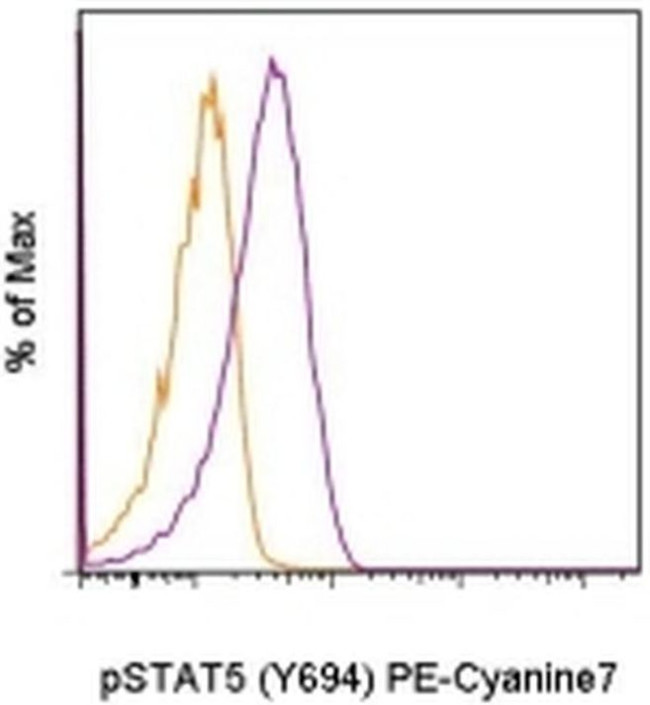
FIGURE: 1 / 8
Phospho-STAT5 (Tyr694) Antibody (25-9010-41) in Flow
Intracellular staining of untreated (orange histogram) or 15-minute IL-2-treated (purple histogram) human Th2-polarized CD4+ with Anti-Human/Mouse phospho-STAT5 (Y694) PE-Cyanine7. Cells in the lymphocyte gate were used for analysis.


Please note: We are reviewing Western blot images included in the antibody testing data in our catalog, including those provided by third parties. Unless expressly labeled or annotated as “raw-unedited”, Western blot images included in the antibody testing data in our catalog may have been edited, optimized or otherwise adjusted for presentation.




Product Details
25-9010-41
Applications
Tested Dilution
Publications
Product Specifications
Species Reactivity
Human,
Mouse
Published species
Human,
Mouse
Host/Isotype
Mouse
/ IgG1, kappa
Recommended Isotype Control
Class
Monoclonal
Type
Antibody
Clone
SRBCZX
Conjugate
PE-Cyanine7
PE-Cyanine7
PE-Cyanine7
Excitation/Emission Max
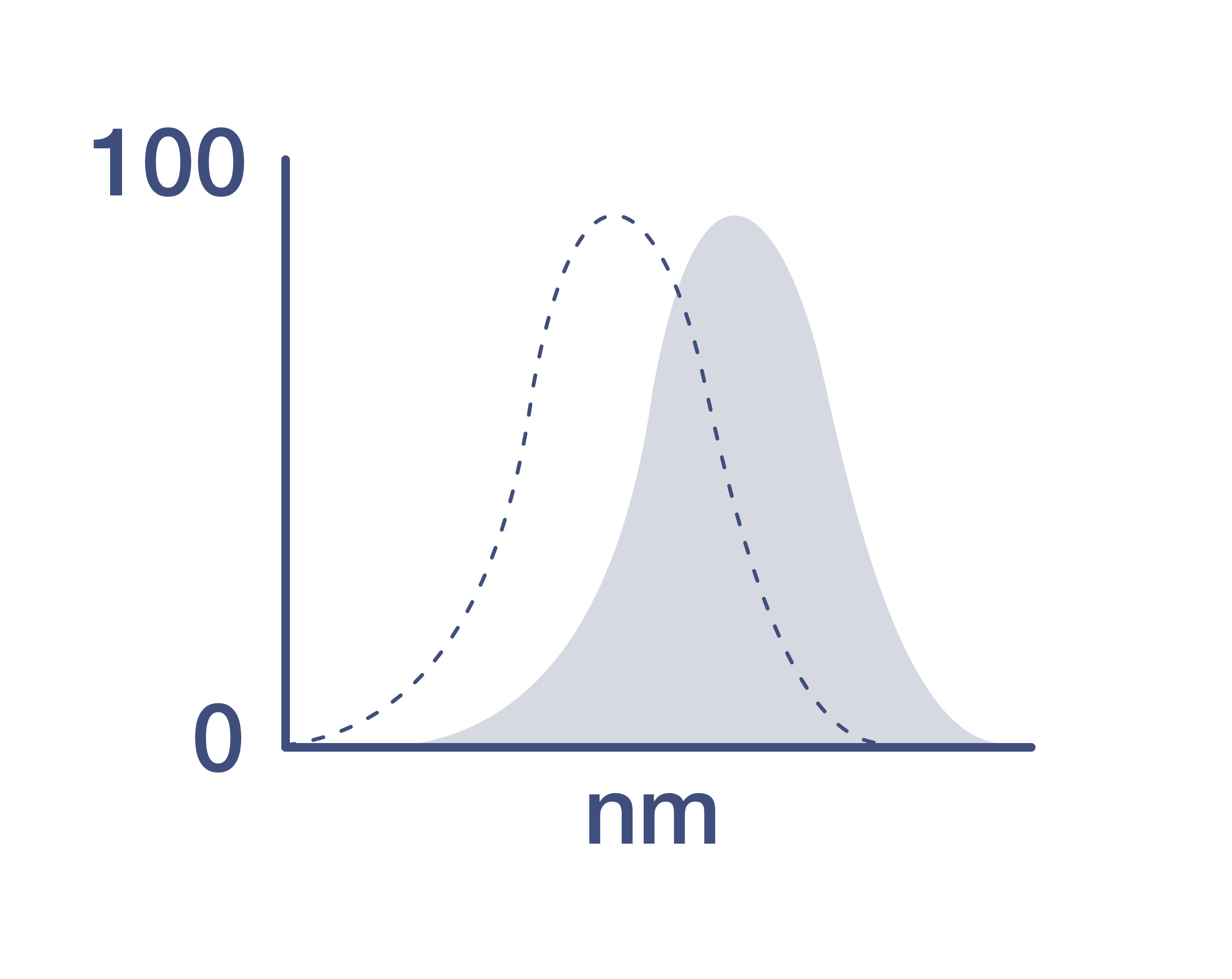
569/780 nm
View spectra
Form
Liquid
Concentration
5 µL/Test
Purification
Affinity chromatography
Storage buffer
PBS, pH 7.2, with BSA
Contains
0.09% sodium azide
Storage conditions
4°C, store in dark, DO NOT FREEZE!
Shipping conditions
Ambient (domestic); Wet ice (international)
RRID
Product Specific Information
Description: This SRBCZX monoclonal antibody recognizes signal transducer and activator of transcription 5 (STAT5) when phosphorylated on tyrosine 694. STAT proteins are activated by ligand binding to receptors, such as cytokine receptors, that associate with Janus kinase (JAK) family members. Following their phosphorylation by JAKs, STAT proteins translocate to the nucleus where they bind to DNA and regulate transcription of specific genes in a cell type- and cytokine-specific manner. In response to cytokines that signal through the common gamma chain such as IL-2, IL-7, and IL-15, STAT5 is phosphorylated on tyrosine 694 by JAK1 and JAK3. Cytokines such as IL-3, IL-5, and GM-CSF that signal via the common beta chain induce STAT5 phosphorylation on tyrosine 694 by JAK 2. Phosphorylation of STAT5 on tyrosine 694 is essential for STAT5 dimer formation, nuclear translocation, and DNA binding activity.
Specificity of this SRBCZX clone was determined by ELISA and flow cytometry.
Applications Reported: This SRBCZX antibody has been reported for use in intracellular staining followed by flow cytometric analysis.
Applications Tested: This SRBCZX antibody has been pre-titrated and tested by intracellular staining followed by flow cytometric analysis of stimulated normal human peripheral blood cells. This can be used at 5 µL (0.125 µg) per test. A test is defined as the amount (µg) of antibody that will stain a cell sample in a final volume of 100 µL. Cell number should be determined empirically but can range from 10^5 to 10^8 cells/test.
Staining Protocol: We recommend using Protocol C: Two-step protocol: Fixation/Methanol. Protocol A: Two-step protocol: intracellular (cytoplasmic) proteins and Protocol B: One-step protocol: intracellular (nuclear) proteins cannot be used. All Protocols can be found in the Flow Cytometry Protocols: "Staining Intracellular Antigens for Flow Cytometry Protocol" located in the BestProtocols® Section under the Resources tab online.
Light sensitivity: This tandem dye is sensitive to photo-induced oxidation. Please protect this vial and stained samples from light.
Fixation: Samples can be stored in IC Fixation Buffer (Product # 00-8222) (100 µL of cell sample + 100 µL of IC Fixation Buffer) or 1-step Fix/Lyse Solution (Product # 00-5333) for up to 3 days in the dark at 4°C with minimal impact on brightness and FRET efficiency/compensation. Some generalizations regarding fluorophore performance after fixation can be made, but clone specific performance should be determined empirically.
Excitation: 488-561 nm; Emission: 775 nm; Laser: Blue Laser, Green Laser, Yellow-Green Laser.
Filtration: 0.2 µm post-manufacturing filtered.
Target Information
STAT5 alpha is a member of the STAT family of transcription factors. In response to cytokines and growth factors, STAT family members are phosphorylated by the receptor associated kinases, and then form homo- or heterodimers that translocate to the cell nucleus where they act as transcription activators. STAT5 alpha is activated by, and mediates the responses of many cell ligands, such as IL2, IL3, IL7 GM-CSF, erythropoietin, thrombopoietin, and different growth hormones. Activation of STAT5 alpha in myeloma and lymphoma associated with a TEL/JAK2 gene fusion is independent of cell stimulus and has been shown to be essential for the tumorigenesis. The mouse counterpart of STAT5 alpha is found to induce the expression of BCL2L1/BCL-X(L), which suggests the antiapoptotic function of this protein in cells. STAT5 alpha, along with STAT5 beta, were identified in mouse. The amino acid sequences of STAT5 alpha and STAT5 beta show 96% sequence similarity, and both proteins are co expressed in most tissues in virgin and lactating mice. However, differential accumulation of STAT5 alpha and STAT5 beta mRNA has been reported for both muscle and mammary tissue. STAT5 alpha is critically involved in a variety of physiological functions, including reproduction, lactation, immune function and somatic growth.
For Research Use Only. Not for use in diagnostic procedures. Not for resale without express authorization.
How to use the Panel Builder
Watch the video to learn how to use the Invitrogen Flow Cytometry Panel Builder to build your next flow cytometry panel in 5 easy steps.
Bioinformatics
Protein Aliases: epididymis secretory sperm binding protein; lacks exon 18; mammary gland factor STAT5A; STAT; STAT5B; transcription factor; unnamed protein product
Gene Aliases: MGF; STAT5
UniProt ID: (Human) P42229, (Mouse) P42230
Entrez Gene ID: (Human) 6776, (Mouse) 20850
RNA polymerase II core promoter proximal region sequence-specific DNA binding
RNA polymerase II transcription factor activity, sequence-specific DNA binding
transcriptional activator activity, RNA polymerase II transcription regulatory region sequence-specific binding
DNA binding
transcription factor activity, sequence-specific DNA binding
protein binding
phosphate ion binding
sequence-specific DNA binding
DNA-binding transcription factor binding
promoter-specific chromatin binding
double-stranded DNA binding
luteinization
natural killer cell differentiation
positive regulation of endothelial cell proliferation
regulation of transcription, DNA-templated
regulation of transcription from RNA polymerase II promoter
transcription from RNA polymerase II promoter
defense response
signal transduction
JAK-STAT cascade
female pregnancy
lactation
positive regulation of cell proliferation
gene expression
peptidyl-tyrosine phosphorylation
regulation of steroid metabolic process
cytokine-mediated signaling pathway
taurine metabolic process
lipid storage
regulation of cell adhesion
eosinophil differentiation
regulation of epithelial cell differentiation
mammary gland development
positive regulation of interleukin-2 production
positive regulation of natural killer cell differentiation
negative regulation of mast cell apoptotic process
T cell differentiation in thymus
interleukin-15-mediated signaling pathway
interleukin-4-mediated signaling pathway
reelin-mediated signaling pathway
interleukin-5-mediated signaling pathway
interleukin-2-mediated signaling pathway
interleukin-7-mediated signaling pathway
interleukin-9-mediated signaling pathway
interleukin-3-mediated signaling pathway
thrombopoietin-mediated signaling pathway
regulation of multicellular organism growth
positive regulation of multicellular organism growth
positive regulation of activated T cell proliferation
regulation of cell proliferation
T cell homeostasis
negative regulation of apoptotic process
response to peptide hormone
positive regulation of blood vessel endothelial cell migration
positive regulation of B cell differentiation
positive regulation of gamma-delta T cell differentiation
positive regulation of lymphocyte differentiation
negative regulation of erythrocyte differentiation
positive regulation of mitotic cell cycle
positive regulation of transcription from RNA polymerase II promoter
positive regulation of natural killer cell mediated cytotoxicity
development of secondary female sexual characteristics
development of secondary male sexual characteristics
Peyer's patch development
positive regulation of inflammatory response
mammary gland involution
positive regulation of mast cell differentiation
JAK-STAT cascade involved in growth hormone signaling pathway
prostate gland epithelium morphogenesis
epithelial cell differentiation involved in prostate gland development
mammary gland epithelium development
positive regulation of mast cell proliferation
cellular response to cytokine stimulus
cellular response to granulocyte macrophage colony-stimulating factor stimulus
negative regulation of T-helper 17 cell lineage commitment
regulation of hemopoiesis
Disclaimer

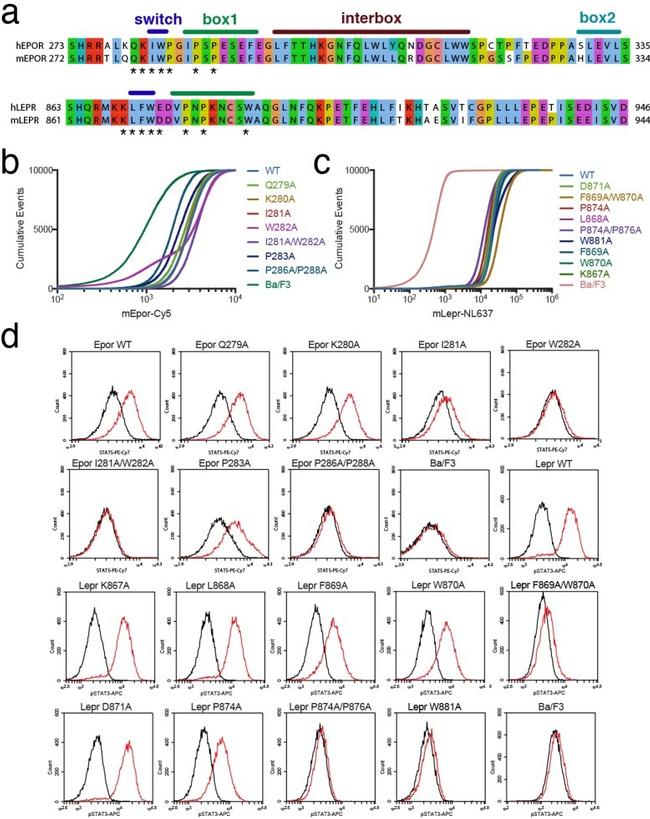
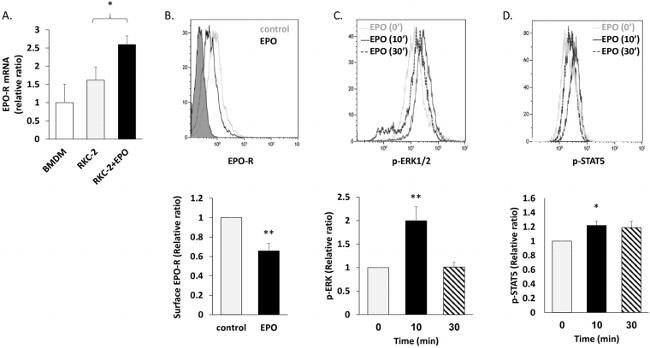
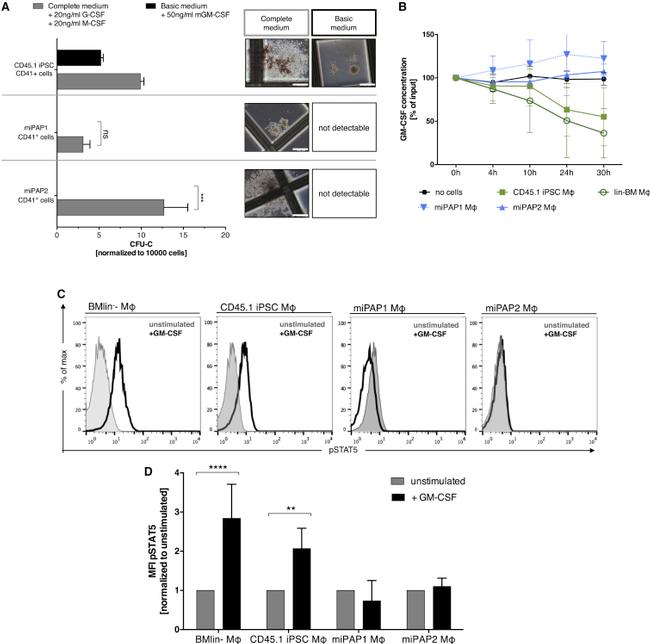
Clicking the images or links will redirect you to a website hosted by BenchSci that provides third-party scientific content. Neither the content nor the BenchSci technology and processes for selection have been evaluated by us; we are providing them as-is and without warranty of any kind, including for use or application of the Thermo Fisher Scientific products presented.

Performance Guarantee
If an Invitrogen™ antibody doesn't perform as described on our website or datasheet,we'll replace the product at no cost to you, or provide you with a credit for a future purchase.*
Learn more
We're here to help
Get expert recommendations for common problems or connect directly with an on staff expert for technical assistance related to applications, equipment and general product use.
Contact tech support