Search
Invitrogen
Fluorescein/Oregon Green Polyclonal Antibody, Alexa Fluor™ 488
{{$productOrderCtrl.translations['antibody.pdp.commerceCard.promotion.promotions']}}
{{$productOrderCtrl.translations['antibody.pdp.commerceCard.promotion.viewpromo']}}
{{$productOrderCtrl.translations['antibody.pdp.commerceCard.promotion.promocode']}}: {{promo.promoCode}} {{promo.promoTitle}} {{promo.promoDescription}}. {{$productOrderCtrl.translations['antibody.pdp.commerceCard.promotion.learnmore']}}
Additional Information:
{{banner.description}}


Product Details
A-11096
Applications
Tested Dilution
Publications
Product Specifications
Species Reactivity
Chemical
Published species
Chemical,
Mouse
Host/Isotype
Goat
/ IgG
Class
Polyclonal
Type
Antibody
Immunogen
Fluorescein/Oregon Green
Conjugate
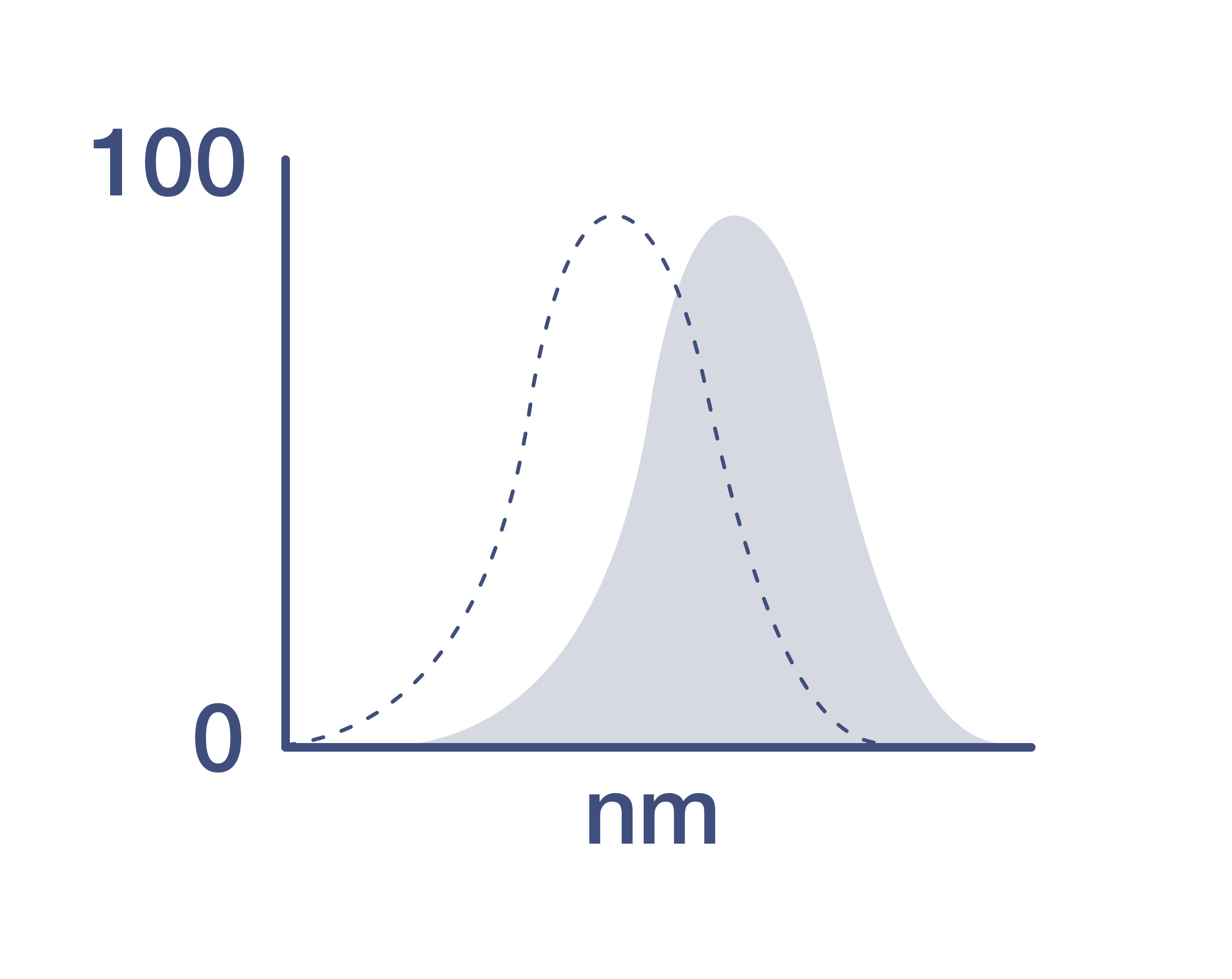
Excitation/Emission Max
499/520 nm
View spectra
Form
Liquid
Concentration
1 mg/mL
Amount
500 µg
Purification
purified
Storage buffer
0.1M potassium phosphate, pH 8
Contains
5mM sodium azide
Storage conditions
4°C, store in dark
Shipping conditions
Ambient (domestic); Wet ice (international)
RRID
Product Specific Information
We offer a variety of anti-fluorescent dye antibodies that recognize specific fluorophores and, in most cases, quench their fluorescence. Thus many anti-dye antibodies, including those that recognize fluorescein, can serve as cell-impermeant probes for determining whether fluorescent dye-conjugated ligands, proteins, bacteria, or other biomolecules have been internalized by endocytic or pinocytic processes.
In addition to their utility in quenching the fluorescence of extracellular fluorescein, the high affinity of Invitrogen's anti-fluorescein antibodies for both fluorescein and the structurally related Oregon GreenTM dye makes them ideal for immunochemical applications. Harmer and Samuel report the fluorescein-anti-fluorescein system provides a sensitive alternative to the biotin-streptavidin methods conventionally used for enzyme-linked immunosorbent assays (ELISAs). Fluorescein has also been found to be an excellent hapten for FISH, yielding sensitive results with extremely low background levels. The Alexa Fluor 488 conjugate can be used to amplify the fluorescence signal while still allowing fluorescein-compatible optics. The approximate absorption (Abs) and fluorescence emission (Em) maxima in nm: 495/519.
Our anti-dye antibodies can be used in many different applications. It is a good practice to centrifuge the labeled antibody solutions briefly in a microcentrifuge before use; only the supernatant should then be added to the experiment. This step will eliminate any protein aggregates that may have formed during storage, thereby reducing nonspecific background staining.
Target Information
Anti-fluorescent dye antibodies recognize specific fluorophores and, in most cases, quench their fluorescence. Thus many anti-dye antibodies, including those that recognize fluorescein, can serve as cell-impermeant probes for determining whether fluorescent dye-conjugated ligands, proteins, bacteria or other biomolecules have been internalized by endocytic or pinocytic processes.
For Research Use Only. Not for use in diagnostic procedures. Not for resale without express authorization.
Bioinformatics
Protein Aliases: FITC
Disclaimer

Clicking the images or links will redirect you to a website hosted by BenchSci that provides third-party scientific content. Neither the content nor the BenchSci technology and processes for selection have been evaluated by us; we are providing them as-is and without warranty of any kind, including for use or application of the Thermo Fisher Scientific products presented.

Performance Guarantee
If an Invitrogen™ antibody doesn't perform as described on our website or datasheet,we'll replace the product at no cost to you, or provide you with a credit for a future purchase.*
Learn more
We're here to help
Get expert recommendations for common problems or connect directly with an on staff expert for technical assistance related to applications, equipment and general product use.
Contact tech support