Search
Invitrogen
HDAC2 Polyclonal Antibody, Alexa Fluor™ 647
{{$productOrderCtrl.translations['antibody.pdp.commerceCard.promotion.promotions']}}
{{$productOrderCtrl.translations['antibody.pdp.commerceCard.promotion.viewpromo']}}
{{$productOrderCtrl.translations['antibody.pdp.commerceCard.promotion.promocode']}}: {{promo.promoCode}} {{promo.promoTitle}} {{promo.promoDescription}}. {{$productOrderCtrl.translations['antibody.pdp.commerceCard.promotion.learnmore']}}
Additional Information:
{{banner.description}}

FIGURE: 1 / 1
HDAC2 Antibody (PA1-861-A647) in ICC/IF
Immunofluorescent analysis of HDAC2 (red) in HeLa cells. The cells were fixed with 4% Paraformaldehyde in PBS for 15 minutes at room temperature, and blocked with 3% BSA in PBS (Product # 37525) for 30 minutes at room temperature. Cells were stained with a HDAC2 Polyclonal Antibody, AlexaFluor 647 conjugate (Product # PA1-861-A647) at a dilution of 2.5 µg/mL in blocking buffer for 1 hour at room temperature protected from light. Nuclei (blue) were stained with Hoechst Dye (Product # 62249) at a dilution of 1:10,000 in blocking buffer. Imag... View More


Product Details
PA1-861-A647
Product Specifications
Species Reactivity
Dog,
Hamster,
Human,
Mouse,
Non-human primate,
Rat
Host/Isotype
Rabbit
/ IgG
Class
Polyclonal
Type
Antibody
Immunogen
Synthetic peptide corresponding to residues C T(475) D T K G T K S E Q L S N P(488) of human HDAC2
Conjugate
Excitation/Emission Max
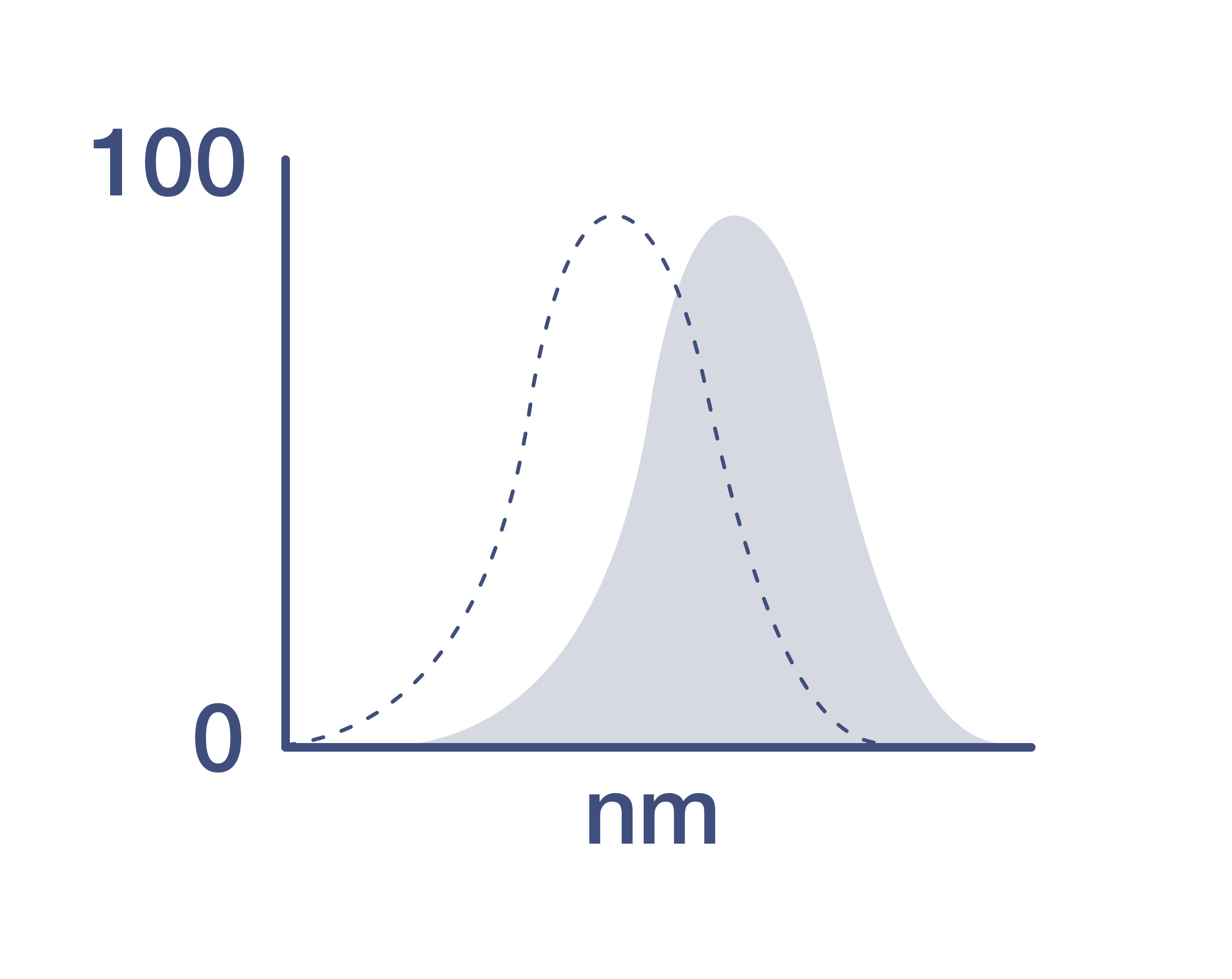
650/671 nm
View spectra
Form
Liquid
Concentration
1 mg/mL
Amount
50 µg
Purification
Antigen affinity chromatography
Storage buffer
PBS, pH 7.4, with 1mg/mL BSA
Contains
0.05% sodium azide
Storage conditions
4°C, store in dark, DO NOT FREEZE!
Shipping conditions
Ambient (domestic); Wet ice (international)
RRID
Product Specific Information
PA1861A647 detects histone deacetylase 2 (HDAC2) from canine, hamster, human, mouse, non-human primate, rat tissues and cells.
The PA1861A647 immunogen is a synthetic peptide corresponding to residues C T(475) D T K G T K S E Q L S N P(488) of human HDAC2. This immunizing peptide (Cat. # PEP-070) is available for use in neutralization and control experiments.
Target Information
HDAC2 belongs to the histone deacetylase family. Histone deacetylases act via the formation of large multiprotein complexes and are responsible for the deacetylation of lysine residues at the N-terminal regions of core histones (H2A, H2B, H3 and H4). This protein forms transcriptional repressor complexes by associating with many different proteins, including YY1, a mammalian zinc-finger transcription factor. Thus, it plays an important role in transcriptional regulation, cell cycle progression and developmental events. Alternative splicing results in multiple transcript variants.
For Research Use Only. Not for use in diagnostic procedures. Not for resale without express authorization.
References (0)
Have you cited this product in a publication?
Let us know so we can reference it here.
Bioinformatics
Protein Aliases: HD2; hdac 2; hdac-2; Histone deacetylase 2; histone deacetylase 2-like protein; Protein deacylase HDAC2; transcriptional regulator homolog RPD3; unnamed protein product; YY1 transcription factor-binding protein; YY1-associated factor 1
Gene Aliases: D10Wsu179e; HD2; HDAC2; I79_010219; KDAC2; mRPD3; RPD3; YAF1; Yy1bp
UniProt ID: (Human) Q92769, (Mouse) P70288
Entrez Gene ID: (Dog) 475035, (Human) 3066, (Mouse) 15182, (Rat) 84577, (Chinese hamster) 100764557
transcription cofactor binding
chromatin binding
RNA binding
histone deacetylase activity
protein binding
hydrolase activity
hydrolase activity, acting on carbon-nitrogen (but not peptide) bonds, in linear amides
deacetylase activity
enzyme binding
heat shock protein binding
nucleosomal DNA binding
protein deacetylase activity
histone binding
histone deacetylase binding
NF-kappaB binding
RNA polymerase II sequence-specific DNA binding transcription factor binding
DNA-binding transcription factor binding
histone deacetylase activity, hydrolytic mechanism
protein decrotonylase activity
histone decrotonylase activity
protein de-2-hydroxyisobutyrylase activity
protein lysine delactylase activity
promoter-specific chromatin binding
RNA polymerase II core promoter proximal region sequence-specific DNA binding
RNA polymerase II distal enhancer sequence-specific DNA binding
core promoter binding
RNA polymerase II repressing transcription factor binding
transcription factor activity, sequence-specific DNA binding
transcription factor binding
histone deacetylase activity (H3-K14 specific)
chromatin DNA binding
NAD-dependent histone deacetylase activity (H3-K14 specific)
histone deacetylase activity (H3-K9 specific)
histone deacetylase activity (H4-K16 specific)
Krueppel-associated box domain binding
sequence-specific DNA binding
poly(A) RNA binding
NAD-dependent histone deacetylase activity (H3-K9 specific)
NAD-dependent histone deacetylase activity (H4-K16 specific)
NAD-dependent histone deacetylase activity (H3-K18 specific)
negative regulation of transcription from RNA polymerase II promoter
maintenance of chromatin silencing
transcription, DNA-templated
regulation of transcription, DNA-templated
protein deacetylation
positive regulation of cell proliferation
epidermal cell differentiation
positive regulation of epithelial to mesenchymal transition
positive regulation of receptor biosynthetic process
negative regulation of neuron projection development
dendrite development
chromatin modification
histone deacetylation
hippocampus development
neuron differentiation
positive regulation of interleukin-1 production
positive regulation of tumor necrosis factor production
circadian regulation of gene expression
odontogenesis of dentin-containing tooth
positive regulation of tyrosine phosphorylation of Stat3 protein
embryonic digit morphogenesis
ATP-dependent chromatin remodeling
negative regulation of apoptotic process
negative regulation of DNA binding
negative regulation of sequence-specific DNA binding transcription factor activity
positive regulation of proteolysis
negative regulation of transcription, DNA-templated
positive regulation of transcription from RNA polymerase II promoter
rhythmic process
positive regulation of oligodendrocyte differentiation
positive regulation of sequence-specific DNA binding transcription factor activity
regulation of protein kinase B signaling
cardiac muscle cell development
negative regulation of cardiac muscle cell proliferation
regulation of sarcomere organization
hair follicle placode formation
negative regulation of dendritic spine development
eyelid development in camera-type eye
fungiform papilla formation
cellular response to hydrogen peroxide
histone H3 deacetylation
histone H4 deacetylation
negative regulation of canonical Wnt signaling pathway
regulation of protein deacetylation
negative regulation of peptidyl-lysine acetylation
negative regulation of intrinsic apoptotic signaling pathway
response to amphetamine
cardiac muscle hypertrophy
response to caffeine
response to lipopolysaccharide
cellular response to heat
response to nicotine
response to cocaine
response to drug
behavioral response to ethanol
response to hyperoxia
histone H3-K9 modification
cellular response to retinoic acid
cellular response to transforming growth factor beta stimulus
cellular response to dopamine
chromatin organization
chromatin remodeling
response to xenobiotic stimulus
negative regulation of transcription by competitive promoter binding
negative regulation of cell migration
negative regulation of transforming growth factor beta receptor signaling pathway
heterochromatin assembly
positive regulation of intracellular estrogen receptor signaling pathway
protein modification process
regulation of cell fate specification
positive regulation of transcription, DNA-templated
progesterone receptor signaling pathway
response to alcohol
positive regulation of male mating behavior
negative regulation of stem cell population maintenance
positive regulation of stem cell population maintenance
response to amyloid-beta
regulation of stem cell differentiation
Disclaimer

Clicking the images or links will redirect you to a website hosted by BenchSci that provides third-party scientific content. Neither the content nor the BenchSci technology and processes for selection have been evaluated by us; we are providing them as-is and without warranty of any kind, including for use or application of the Thermo Fisher Scientific products presented.

Performance Guarantee
If an Invitrogen™ antibody doesn't perform as described on our website or datasheet,we'll replace the product at no cost to you, or provide you with a credit for a future purchase.*
Learn more
We're here to help
Get expert recommendations for common problems or connect directly with an on staff expert for technical assistance related to applications, equipment and general product use.
Contact tech support