Search


Thermo Scientific™
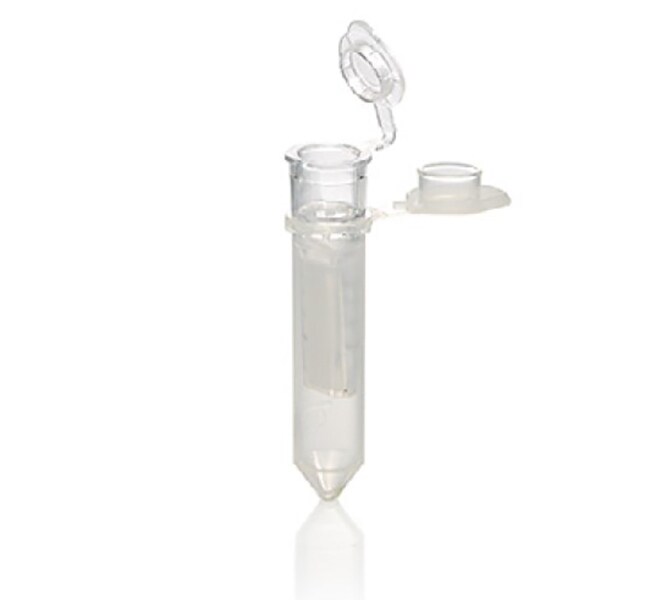
Pierce™ Concentrateurs de protéines PES, seuil de coupure moléculaire de 100 kDa, 0,5 –× 100 mL
Les concentrateurs de protéines en PES Pierce™ Thermo Scientific™ sont des dispositifs centrifuges d’ultrafiltration jetables avec une membrane en polyéthersulfoneAfficher plus
Have Questions?
Modifier l'affichage

| Référence | Quantité | Volume d’échantillon |
|---|---|---|
| 88503 | 25 concentrateurs | ≤0,5 mL |
| 88523 | 10 concentrateurs | 2 à 6 ml |
| 88524 | 24 concentrateurs | 2 à 6 ml |
| 88532 | 10 concentrateurs | 5 à 20 ml |
| 88533 | 24 concentrateurs | 5 à 20 ml |
| 88537 | 4 concentrateurs | 20 à 100 ml |
| 88532X4 | 4 x 10 concentrateurs | 5 à 20 ml |
Référence 88503
Prix (EUR)
157,65
Online Exclusive
164,00Économisez 6,35 (4%)
Each
Quantité:
25 concentrateurs
Volume d’échantillon:
≤0,5 mL
Prix (EUR)
157,65
Online Exclusive
164,00Économisez 6,35 (4%)
Each
Les concentrateurs de protéines en PES Pierce™ Thermo Scientific™ sont des dispositifs centrifuges d’ultrafiltration jetables avec une membrane en polyéthersulfone (PES) pour la concentration, le dessalage et l’échange de tampon d’échantillons biologiques. Ce produit est doté d’un seuil de rétention des molécules de 100 000 et peut être utilisé pour le traitement de volumes d’échantillons allant de 5 à 20 ml.
Caractéristiques des concentrateurs de protéines en PES Pierce :
• Concentration protéique rapide : la concentration des échantillons de 10 à 30 fois peut être obtenue en 5 à 30 minutes pour un seuil de rétention des molécules de 10 000 (la durée peut varier pour un produit avec un seuil de rétention des molécules différent)
• Excellente récupération protéique : la récupération protéique type est >90 %
• Polyvalence : permet d’effectuer la concentration d’échantillons, la diafiltration ou d’échanger le tampon d’échantillons biologiques
• Compatibilité : peut être utilisé dans des rotors à godets oscillants et à angle fixe ; permet de collecter et récupérer l’échantillon sans rotation inverse
Pour une identification facile, la valeur du seuil de rétention des molécules est gravée sur le côté de chaque dispositif. Pour faciliter l’ajout et la récupération d’échantillons, une fenêtre transparente avec graduations se trouve sur le côté de chaque dispositif permettant la détermination visuelle du volume rétentat. La conception verticale de la membrane permet des débits élevés, une faible liaison non spécifique et une agrégation protéique négligeable sur la membrane ; elle offre des résultats fiables et cohérents.
Les concentrateurs de protéines en PES Pierce contiennent une membrane nominale pour le maintien des molécules dont le poids moléculaire est au moins 2 fois supérieur à la valeur du seuil de rétention des molécules de la membrane en PES dans l’appareil. Une récupération réduite peut avoir lieu lors de l’utilisation d’un concentrateur possédant des molécules plus petites que la masse recommandée. La récupération des protéines varie en fonction de la protéine spécifique à l’échantillon et de sa concentration initiale. Pour obtenir une récupération de protéines >90 %, la concentration minimale d’échantillons de protéines doit être de 0,1 mg/ml.
Caractéristiques des concentrateurs de protéines en PES Pierce :
• Concentration protéique rapide : la concentration des échantillons de 10 à 30 fois peut être obtenue en 5 à 30 minutes pour un seuil de rétention des molécules de 10 000 (la durée peut varier pour un produit avec un seuil de rétention des molécules différent)
• Excellente récupération protéique : la récupération protéique type est >90 %
• Polyvalence : permet d’effectuer la concentration d’échantillons, la diafiltration ou d’échanger le tampon d’échantillons biologiques
• Compatibilité : peut être utilisé dans des rotors à godets oscillants et à angle fixe ; permet de collecter et récupérer l’échantillon sans rotation inverse
Pour une identification facile, la valeur du seuil de rétention des molécules est gravée sur le côté de chaque dispositif. Pour faciliter l’ajout et la récupération d’échantillons, une fenêtre transparente avec graduations se trouve sur le côté de chaque dispositif permettant la détermination visuelle du volume rétentat. La conception verticale de la membrane permet des débits élevés, une faible liaison non spécifique et une agrégation protéique négligeable sur la membrane ; elle offre des résultats fiables et cohérents.
Les concentrateurs de protéines en PES Pierce contiennent une membrane nominale pour le maintien des molécules dont le poids moléculaire est au moins 2 fois supérieur à la valeur du seuil de rétention des molécules de la membrane en PES dans l’appareil. Une récupération réduite peut avoir lieu lors de l’utilisation d’un concentrateur possédant des molécules plus petites que la masse recommandée. La récupération des protéines varie en fonction de la protéine spécifique à l’échantillon et de sa concentration initiale. Pour obtenir une récupération de protéines >90 %, la concentration minimale d’échantillons de protéines doit être de 0,1 mg/ml.
For Research Use Only. Not for use in diagnostic procedures.
Spécifications
Gamme de produitsPierce
Cible de purificationProtéine
Quantité25 concentrateurs
Conditions d’expéditionTempérature ambiante
TypeFiltre
JetableUsage unique
Type de filtreFiltre à membrane
FormatMicrocentrifugeuse, colonne de centrifugation
MWCO100 kDa
Matériau (membrane)PES
Volume d’échantillon≤0,5 mL
Unit SizeEach
Contenu et stockage
Conserver à température ambiante.