Search




Citations et références (1)
Invitrogen™
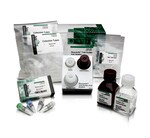
RecoverAll™ Total Nucleic Acid Isolation Kit for FFPE
Le kit d’isolement de l’acide nucléique total RecoverAll™ pour FFPE est destiné à l’extraction de l’acide nucléique total à partirAfficher plus
| Référence | Quantité |
|---|---|
| AM1975 | 40 préparations |
Référence AM1975
Prix (EUR)
700,00
Each
Quantité:
40 préparations
Prix (EUR)
700,00
Each
Le kit d’isolement de l’acide nucléique total RecoverAll™ pour FFPE est destiné à l’extraction de l’acide nucléique total à partir de tissus fixés au formol et inclus en paraffine (FFPE). Des réactifs sont inclus en quantité suffisante pour 40 purifications à partir de quatre sections de 20 µm maximum ou jusqu’à 35 mg de carottes de forage non sectionnées chacune. Caractéristiques du kit d’isolement de l’acide nucléique total RecoverAll™ pour FFPE :
• Optimisé pour l’isolement des acides nucléiques totaux, y compris les microARN, à partir du tissu FFPE
• Aucune digestion de protéinase K requise pendant la nuit—procédez au déparaffinage dans la matinée et à la qRT-PCR dans l’après-midi
• Rendements typiques >50 % à celui des tissus non fixés
• Les acides nucléiques récupérés conviennent au séquençage de nouvelle génération, à la PCR en temps réel, à la PCR, au dépistage de mutations et aux analyses microarray
Extraction d’acides nucléiques à partir d’échantillons difficiles
Les échantillons tissulaires archivés contiennent des informations précieuses sur l’état de la maladie, mais il a traditionnellement été difficile d’en isoler les acides nucléiques à une qualité adaptée à l’analyse moléculaire. Les techniques de préservation standard utilisent la formaline pour maintenir la structure tissulaire et empêcher la putréfaction. Ceci dit, la formaline piège également les acides nucléiques et les modifie par des réticulations entre protéine et protéine, et entre protéine et acide nucléique. L’ARN (et en partie l’ADN) est souvent si fragmenté et chimiquement modifié qu’il est incompatible avec de nombreuses techniques d’analyse moléculaire. La fragmentation de l’ARN dans les tissus FFPE ne peut pas être inversée ; cependant, les conditions de digestion de protéase du kit RecoverAll™ sont conçues pour libérer une quantité maximale (voir la figure) de fragments d’ARN piégés de toutes tailles, y compris le microARN, dans un temps relativement court.
Solution pour le kit d’isolement d’acide nucléique total RecoverAll™
La procédure pour le kit d’isolement d’acide nucléique total RecoverAll™ nécessite environ 45 minutes de temps de manipulation et peut être terminée en moins d’un jour pour l’ARN. Les échantillons FFPE sont déparaffinés à l’aide d’une série de lavages au xylène et à l’éthanol. Ils sont ensuite soumis à une digestion approfondie de la protéase avec une durée d’incubation adaptée à la récupération de l’ARN ou de l’ADN. Les acides nucléiques sont ensuite purifiés à l’aide d’une méthode à filtre en verre rapide et sont élués dans de l’eau ou dans un tampon à faible teneur en sel.
Acides nucléiques pour presque toutes les applications en aval
Comme c’est le cas pour tous les tissus FFPE, la fixation et la conservation des échantillons provoquent généralement la fragmentation et la modification des acides nucléiques. C’est pourquoi des applications en aval, comme l’analyse de microréseaux, qui exigent plus d’ARN en parfait état que la qRT-PCR, peuvent exiger une modification pour des résultats optimaux. Bien que l’ADN ne fasse généralement pas l’objet d’une fragmentation aussi facile que l’ARN, il semble être plus réactif que la formaline et nécessite une durée de digestion par la protéase plus longue (2 jours) pour libérer des quantités substantielles d’ADN.
• Optimisé pour l’isolement des acides nucléiques totaux, y compris les microARN, à partir du tissu FFPE
• Aucune digestion de protéinase K requise pendant la nuit—procédez au déparaffinage dans la matinée et à la qRT-PCR dans l’après-midi
• Rendements typiques >50 % à celui des tissus non fixés
• Les acides nucléiques récupérés conviennent au séquençage de nouvelle génération, à la PCR en temps réel, à la PCR, au dépistage de mutations et aux analyses microarray
Extraction d’acides nucléiques à partir d’échantillons difficiles
Les échantillons tissulaires archivés contiennent des informations précieuses sur l’état de la maladie, mais il a traditionnellement été difficile d’en isoler les acides nucléiques à une qualité adaptée à l’analyse moléculaire. Les techniques de préservation standard utilisent la formaline pour maintenir la structure tissulaire et empêcher la putréfaction. Ceci dit, la formaline piège également les acides nucléiques et les modifie par des réticulations entre protéine et protéine, et entre protéine et acide nucléique. L’ARN (et en partie l’ADN) est souvent si fragmenté et chimiquement modifié qu’il est incompatible avec de nombreuses techniques d’analyse moléculaire. La fragmentation de l’ARN dans les tissus FFPE ne peut pas être inversée ; cependant, les conditions de digestion de protéase du kit RecoverAll™ sont conçues pour libérer une quantité maximale (voir la figure) de fragments d’ARN piégés de toutes tailles, y compris le microARN, dans un temps relativement court.
Solution pour le kit d’isolement d’acide nucléique total RecoverAll™
La procédure pour le kit d’isolement d’acide nucléique total RecoverAll™ nécessite environ 45 minutes de temps de manipulation et peut être terminée en moins d’un jour pour l’ARN. Les échantillons FFPE sont déparaffinés à l’aide d’une série de lavages au xylène et à l’éthanol. Ils sont ensuite soumis à une digestion approfondie de la protéase avec une durée d’incubation adaptée à la récupération de l’ARN ou de l’ADN. Les acides nucléiques sont ensuite purifiés à l’aide d’une méthode à filtre en verre rapide et sont élués dans de l’eau ou dans un tampon à faible teneur en sel.
Acides nucléiques pour presque toutes les applications en aval
Comme c’est le cas pour tous les tissus FFPE, la fixation et la conservation des échantillons provoquent généralement la fragmentation et la modification des acides nucléiques. C’est pourquoi des applications en aval, comme l’analyse de microréseaux, qui exigent plus d’ARN en parfait état que la qRT-PCR, peuvent exiger une modification pour des résultats optimaux. Bien que l’ADN ne fasse généralement pas l’objet d’une fragmentation aussi facile que l’ARN, il semble être plus réactif que la formaline et nécessite une durée de digestion par la protéase plus longue (2 jours) pour libérer des quantités substantielles d’ADN.
Usage exclusivement réservé à la recherche. Ne pas utiliser pour des procédures de diagnostic.
Spécifications
Volume d’élution60 μL
Type de produit finalADN génomique, ARN total, micro-ARN
À utiliser avec (application)Séquençage de nouvelle génération, PCR quantitative en temps réel (qPCR), PCR de transcriptase inverse (RT-PCR), analyse de microARN, transfert Southern, transfert Northern, PCR, construction de bibliothèques d’ADNc
Compatibilité à haut débitNon compatible avec des cadences élevées (manuel)
Temps de purification45 min
Quantité40 préparations
Conditions d’expéditionBox 1: Room Temperature
Box 2: Dry Ice
Box 2: Dry Ice
Quantité de matériel de démarrageJusqu’à 35 mg d’échantillons de carottes non découpées, jusqu’à quatre coupes de 20 µm
Rendement24 µg
Isolation TechnologyColonne de centrifugation (filtre en fibre de verre)
Type d’échantillonÉchantillons fixés et FFPE, Paraffin-embedded (FFPE) Tissue
Unit SizeEach
Contenu et stockage
• 16 ml de tampon de digestion (température ambiante)
• 60 ml de concentrat de lavage 1 (température ambiante)
• 60 ml de concentrat de lavage 2 / 3 (température ambiante)
• 80 tubes de prélèvement (température ambiante)
• 40 cartouches de filtre (température ambiante)
• 19,2 ml d’additif d’isolement (température ambiante)
• 5 ml de solution d’élution (-20°C, 4°C, ou température ambiante)
• 160 µl de protéase (-20°C)
• 240 µl de tampon de DNase 10X (-20°C)
• 160 µl de DNase (-20°C)
• 400 µl de RNase A (-20°C)
Ce kit est livré en deux parties : une à température ambiante et une à -20°C.
• 60 ml de concentrat de lavage 1 (température ambiante)
• 60 ml de concentrat de lavage 2 / 3 (température ambiante)
• 80 tubes de prélèvement (température ambiante)
• 40 cartouches de filtre (température ambiante)
• 19,2 ml d’additif d’isolement (température ambiante)
• 5 ml de solution d’élution (-20°C, 4°C, ou température ambiante)
• 160 µl de protéase (-20°C)
• 240 µl de tampon de DNase 10X (-20°C)
• 160 µl de DNase (-20°C)
• 400 µl de RNase A (-20°C)
Ce kit est livré en deux parties : une à température ambiante et une à -20°C.
Foire aux questions (FAQ)
I want to isolate miRNA from formalin-fixed and unfixed laser capture microdissection (LCM) samples. Which kit will be best for this?
How can I increase my chances of successful extraction of FFPE samples in terms of DNA quality and yield?
What can I use to extract DNA from FFPE (formalin fixed paraffin embedded) samples?
I want to extract DNA, and if possible, RNA from formalin-fixed specimens in paraffin blocks. Which product would work for me?
What are the differences among RNase H, RNase A, RNase B, and RNase C? In your cDNA kits, RNase H is added in the second-strand reaction to produce more nicked RNA as primers for DNA synthesis. In this repect, would RNaseOUT RNase inhibitor influence the function of RNase H, if it was added even before first-strand synthesis?
Citations et références (1)
Citations et références
Abstract
Formamide as a denaturant for bisulfite conversion of genomic DNA: Bisulfite sequencing of the GSTPi and RARbeta2 genes of 43 formalin-fixed paraffin-embedded prostate cancer specimens.
Journal:Anal Biochem
PubMed ID:19505431
'Analysis of methylated DNA, which refers to 5-methycytosine (5mC) versus cytosine (C) at specific loci in genomic DNA (gDNA), has received increased attention in epigenomics, particularly in the area of cancer biomarkers. Many different methods for analysis of methylated DNA rely on initial reaction of gDNA with concentrated acidic sodium