Search



Citations et références (15)
Invitrogen™
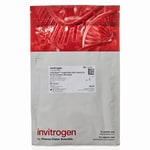
Kit de coloration bleue et fixable des cellules mortes LIVE/DEAD™ pour excitation UV
Le kit de coloration bleu et fixable de cellules mortes LIVE/DEAD™ est utilisé pour déterminer la viabilité des cellules avantAfficher plus
Have Questions?
Modifier l'affichage

| Référence | Quantité |
|---|---|
| L23105 | 200 dosages |
| L34961 également connu sous le numéro L-34961 | 80 dosages |
| L34962 | 400 dosages |
Référence L23105
Prix (EUR)
356,65
Online Exclusive
476,00Économisez 119,35 (25%)
Each
Quantité:
200 dosages
Prix (EUR)
356,65
Online Exclusive
476,00Économisez 119,35 (25%)
Each
Le kit de coloration bleu et fixable de cellules mortes LIVE/DEAD™ est utilisé pour déterminer la viabilité des cellules avant la fixation et la perméabilisation nécessaires à la coloration à l’aide d’anticorps intracellulaires ou avant l’élimination de matières présentant un risque biologique à l’aide d’une fixation au formaldéhyde. Ce kit a été optimisé et validé pour une utilisation avec un cytomètre en flux à laser UV.
• Stable—les colorants sont lyophilisés dans des flacons distincts pour assurer leur stabilité
• Robuste—le profil de coloration est identique avant et après la fixation
• Signal lumineux—permet de distinguer facilement les cellules vivantes des cellules mortes dans un seul canal
Consultez un guide de sélection pour tous les colorants de viabilité fixables pour la cytométrie en flux.
Stable
Contrairement aux produits qui sont vendus sous la forme d’une solution,la coloration bleue fixable LIVE / DEAD™ de ce kit d’échantillonneur ont été conditionnés de manière pratique dans des flacons de 40 tests afin de garantir la stabilité et les performances du colorant au fil du temps. Les colorants amino-réactifs de la solution perdront en efficacité en peu de temps. C’est pourquoi, il est recommandé d’utiliser intégralement le flacon une fois celui-ci réhydraté. Si cela n’est pas possible, aliquotez les flacons en petits volumes et stockez-les à -80°C en évitant les cycles de congélation-décongélation.
Robuste
Les colorations de discriminateurs de cellules mortes robustes peuvent perdre la sensibilité après traitement avec des fixateurs tels que le formaldéhyde ou les méthodes de fixation à base d’éthanol requises pour les études de phosphorylation intracellulaire. Le colorant LIVE/DEAD™ bleu fixable est un colorant qui réagit aux amines, qui se lie par covalence aux amines intracellulaires et extracellulaires et dont le schéma de coloration est préservé suite à une fixation au formaldéhyde.
Luminosité optimale
™ La coloration bleue fixable LIVE/DEAD a été sélectionnée en fonction de ses propriétés fluorescentes pour fournir un signal lumineux lorsqu’elle est excitée par un laser UV. Le colorant réactif bleu fluorescent a une excitation maximum d’environ 350 nm, ce qui en fait un colorant idéal pour utilisation avec un laser UV et une émission d’environ 450 nm. En passant la coloration de viabilité d’un canal laser bleu de 488 nm au laser UV, vous libèrerez un canal sur votre cytomètre en flux pour d’autres réactifs qui sont difficiles à trouver en couleurs autres que FITC ou PE. Utiliser le laser UV élimine les problèmes de chevauchement spectral avec d’autres colorants courants ; il n’est donc plus nécessaire de compenser les colorations de viabilité à partir d’autres colorants de votre panel. Comme les cellules vivantes et les cellules mortes peuvent être distinguées à l’aide d’un seul colorant et d’un seul canal de cytomètre en flux, c’est un produit idéal pour les expériences multicolores.
Fonctionnement
Dans les cellules aux membranes endommagées, le colorant réagit avec les amines libres autant à l’intérieur de la cellule qu’à sa surface, ce qui produit une coloration fluorescente intense. Dans les cellules viables, la réactivité du colorant se limite aux amines à la surface des cellules, ce qui se solde par une fluorescence moins intense. En règle générale, l’écart d’intensité est 50 fois supérieur entre les cellules vivantes et les cellules mortes, ce qui facilite la discrimination.
Couleurs disponibles
Les colorants LIVE/DEAD™ fixables pour cellules mortes sont disponibles dans une grande variété de couleurs pour répondre aux besoins de votre panel multi-couleurs.
• Stable—les colorants sont lyophilisés dans des flacons distincts pour assurer leur stabilité
• Robuste—le profil de coloration est identique avant et après la fixation
• Signal lumineux—permet de distinguer facilement les cellules vivantes des cellules mortes dans un seul canal
Consultez un guide de sélection pour tous les colorants de viabilité fixables pour la cytométrie en flux.
Stable
Contrairement aux produits qui sont vendus sous la forme d’une solution,la coloration bleue fixable LIVE / DEAD™ de ce kit d’échantillonneur ont été conditionnés de manière pratique dans des flacons de 40 tests afin de garantir la stabilité et les performances du colorant au fil du temps. Les colorants amino-réactifs de la solution perdront en efficacité en peu de temps. C’est pourquoi, il est recommandé d’utiliser intégralement le flacon une fois celui-ci réhydraté. Si cela n’est pas possible, aliquotez les flacons en petits volumes et stockez-les à -80°C en évitant les cycles de congélation-décongélation.
Robuste
Les colorations de discriminateurs de cellules mortes robustes peuvent perdre la sensibilité après traitement avec des fixateurs tels que le formaldéhyde ou les méthodes de fixation à base d’éthanol requises pour les études de phosphorylation intracellulaire. Le colorant LIVE/DEAD™ bleu fixable est un colorant qui réagit aux amines, qui se lie par covalence aux amines intracellulaires et extracellulaires et dont le schéma de coloration est préservé suite à une fixation au formaldéhyde.
Luminosité optimale
™ La coloration bleue fixable LIVE/DEAD a été sélectionnée en fonction de ses propriétés fluorescentes pour fournir un signal lumineux lorsqu’elle est excitée par un laser UV. Le colorant réactif bleu fluorescent a une excitation maximum d’environ 350 nm, ce qui en fait un colorant idéal pour utilisation avec un laser UV et une émission d’environ 450 nm. En passant la coloration de viabilité d’un canal laser bleu de 488 nm au laser UV, vous libèrerez un canal sur votre cytomètre en flux pour d’autres réactifs qui sont difficiles à trouver en couleurs autres que FITC ou PE. Utiliser le laser UV élimine les problèmes de chevauchement spectral avec d’autres colorants courants ; il n’est donc plus nécessaire de compenser les colorations de viabilité à partir d’autres colorants de votre panel. Comme les cellules vivantes et les cellules mortes peuvent être distinguées à l’aide d’un seul colorant et d’un seul canal de cytomètre en flux, c’est un produit idéal pour les expériences multicolores.
Fonctionnement
Dans les cellules aux membranes endommagées, le colorant réagit avec les amines libres autant à l’intérieur de la cellule qu’à sa surface, ce qui produit une coloration fluorescente intense. Dans les cellules viables, la réactivité du colorant se limite aux amines à la surface des cellules, ce qui se solde par une fluorescence moins intense. En règle générale, l’écart d’intensité est 50 fois supérieur entre les cellules vivantes et les cellules mortes, ce qui facilite la discrimination.
Couleurs disponibles
Les colorants LIVE/DEAD™ fixables pour cellules mortes sont disponibles dans une grande variété de couleurs pour répondre aux besoins de votre panel multi-couleurs.
Usage exclusivement réservé à la recherche. Ne pas utiliser pour des procédures de diagnostic.
Spécifications
Perméabilité cellulaireImperméable
Type de celluleCellule eucaryote
DescriptionKit de coloration bleue et fixable des cellules mortes LIVE/DEAD™ pour excitation UV
Méthode de détectionFluorescence
Type de colorantColoration bleue fixable pour cellules mortes LIVE/DEAD™
FormeSolide
FormatTube(s)
Quantité200 dosages
Conditions d’expéditionTempérature ambiante
SolubilitéDMSO (diméthylsulfoxyde)
CouleurBleu
Emission450 nm
Excitation Wavelength Range350 nm
À utiliser avec (application)Test de viabilité
À utiliser avec (équipement)Cytomètre en flux
Gamme de produitsLIVE/DEAD
Type de produitKit de coloration de cellules mortes
Unit SizeEach
Contenu et stockage
Contient 5 flacons de coloration fixable pour cellules mortes LIVE/DEAD™ et 500 μl de DMSO.
Conserver à -20°C.
Conserver à -20°C.
Foire aux questions (FAQ)
I need to use a dead cell control for my viability assay. Do you have a protocol for killing cells for this?
Regarding the LIVE/DEAD Fixable Dead Cell Stain Kits, which can discriminate between live and dead cells using flow cytometry with one emission wavelength. Can these kits be used with microscopy?
How do I prepare dead cell controls for LIVE/DEAD cell viability assays?
Which cell viability kits are compatible with fixation?
Why do I need to include a viability stain in my assays?
Citations et références (15)
Citations et références
Abstract
Long-term remission of diabetes in NOD mice is induced by nondepleting anti-CD4 and anti-CD8 antibodies.
Journal:Diabetes
PubMed ID:22751694
Residual ß-cells found at the time of clinical onset of type 1 diabetes are sufficient to control hyperglycemia if rescued from ongoing autoimmune destruction. The challenge, however, is to develop an immunotherapy that not only selectively suppresses the diabetogenic response and efficiently reverses diabetes, but also establishes long-term ß-cell-specific tolerance
Techniques to improve the direct ex vivo detection of low frequency antigen-specific CD8+ T cells with peptide-major histocompatibility complex class I tetramers.
Journal:Cytometry A
PubMed ID:18836993
'The ability to quantify and characterize antigen-specific CD8+ T cells irrespective of functional readouts using fluorochrome-conjugated peptide-major histocompatibility complex class I (pMHCI) tetramers in conjunction with flow cytometry has transformed our understanding of cellular immune responses over the past decade. In the case of prevalent CD8+ T cell populations that
The survival of memory CD8 T cells that is mediated by IL-15 correlates with sustained protection against malaria.
Journal:J Immunol
PubMed ID:23589611
'Ag-specific memory T cell responses elicited by infections or vaccinations are inextricably linked to long-lasting protective immunity. Studies of protective immunity among residents of malaria endemic areas indicate that memory responses to Plasmodium Ags are not adequately developed or maintained, as people who survive episodes of childhood malaria are still
Role of NK cells in host defense against pulmonary type A Francisella tularensis infection.
Journal:Microbes Infect
PubMed ID:23211929
'Pneumonic tularemia is a potentially fatal disease caused by the Category A bioterrorism agent Francisella tularensis. Understanding the pulmonary immune response to this bacterium is necessary for developing effective vaccines and therapeutics. In this study, characterization of immune cell populations in the lungs of mice infected with the type A
Measles virus vaccine attenuation: suboptimal infection of lymphatic tissue and tropism alteration.
Journal:J Infect Dis
PubMed ID:17624839
'The mechanisms of measles virus (MV) vaccine attenuation are insufficiently characterized. Because the Edmonston vaccine strain can enter cells through CD46 in addition to the primary MV receptor signaling lymphocyte activation molecule (SLAM or CD150), we asked whether and how its tropism is altered. In human tonsillar tissue, this vaccine