Search
Invitrogen
HLA-ABC Monoclonal Antibody (W6/32), Brilliant Ultra Violet™ 737, eBioscience™
{{$productOrderCtrl.translations['antibody.pdp.commerceCard.promotion.promotions']}}
{{$productOrderCtrl.translations['antibody.pdp.commerceCard.promotion.promocode']}}: {{promo.promoCode}} {{promo.promoTitle}} {{promo.promoDescription}}. {{$productOrderCtrl.translations['antibody.pdp.commerceCard.promotion.learnmore']}}
{{$ctrl.translations['antibody.pdp.skuNotes.additionalInformation']}}:

FIGURE: 1 / 1
HLA-ABC Antibody (367-9983-42) in Flow
Normal human peripheral blood cells were stained with Mouse IgG2a kappa Isotype Control, Brilliant Ultra Violet 737 (BUV737) (Product # 367-4724-81) (blue histogram) or HLA-ABC Monoclonal Antibody, Brilliant Ultra Violet 737 (BUV737) (purple histogram). Viable cells in the lymphocyte gate were used for analysis, as determined by LIVE/DEAD™ Fixable Violet Dead Cell Stain Kit (Product # L34964).

Please note: We are reviewing Western blot images included in the antibody testing data in our catalog, including those provided by third parties. Unless expressly labeled or annotated as “raw-unedited”, Western blot images included in the antibody testing data in our catalog may have been edited, optimized or otherwise adjusted for presentation.

Product Details
367-9983-42
Product Specifications
Species Reactivity
Human
Host/Isotype
Mouse
/ IgG2a, kappa
Recommended Isotype Control
Class
Monoclonal
Type
Antibody
Clone
W6/32
Conjugate
Brilliant Ultra Violet™ 737
Brilliant Ultra Violet™ 737
Brilliant Ultra Violet™ 737
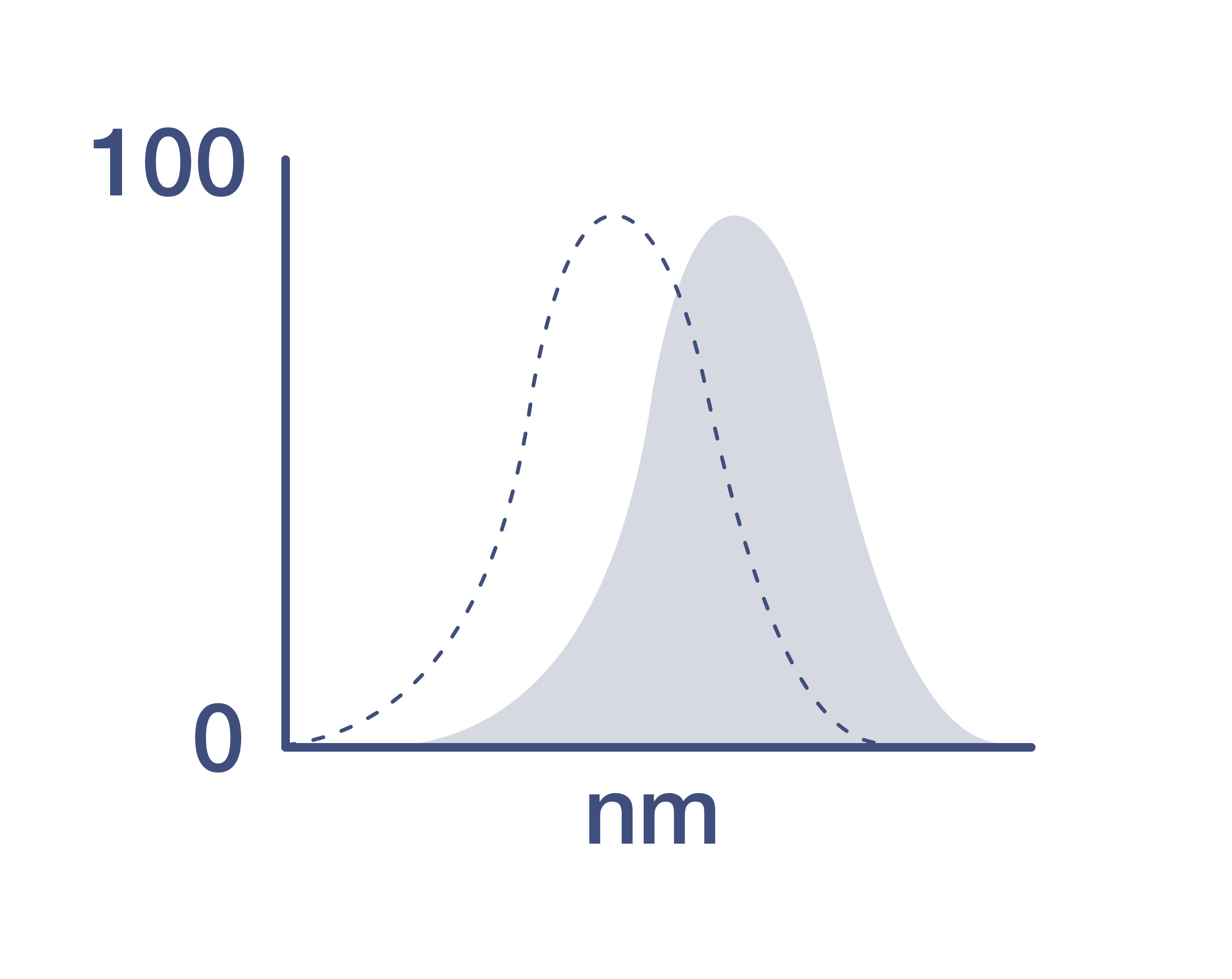
Excitation/Emission Max
350/740 nm
View spectra
Form
Liquid
Concentration
5 µL/Test
Purification
Affinity chromatography
Storage buffer
PBS, pH 7.2, with BSA
Contains
0.09% sodium azide
Storage conditions
4°C, store in dark, DO NOT FREEZE!
Shipping conditions
Ambient (domestic); Wet ice (international)
RRID
Product Specific Information
Description
The W6/32 monoclonal antibody reacts with the human major histocompatibility complex (MHC) class I, HLA-A, B, C. MHC class I antigens associated with beta 2-microglobulin are expressed by all human nucleated cells and are central in cell-mediated immune response and tumor surveillance. W6/32 mAb recognizes a non-polymorphic epitope shared among products of the HLA-A, B, and C loci and immunoprecipitates both 43 kDa and 11-12 kDa chains. Crossreactivity is also seen in baboon, rhesus and cynomolgus monkey.
Applications Tested
This W6/32 antibody has been pre-diluted and tested by flow cytometric analysis of normal human peripheral blood cells. This may be used at 5 µL (0.5 µg) per test. A test is defined as the amount (µg) of antibody that will stain a cell sample in a final volume of 100 µL. Cell number should be determined empirically but can range from 10^5 to 10^8 cells/test.
Blocking Buffers
When using two or more Super Bright, Brilliant Violet™, Brilliant Ultra Violet™, or other polymer dye-conjugated antibodies in a staining panel, it is recommended to use Super Bright Complete Staining Buffer (Product # SB-4401) or Brilliant Stain Buffer (Product # 00-4409-75) to minimize any non-specific polymer interactions. Please refer to the datasheet for Super Bright Staining Buffer or Brilliant Stain Buffer for more information.
Light sensitivity
This tandem dye is sensitive to photo-induced oxidation. Please protect this vial and stained samples from light.
Fixation
• Samples can be stored in IC Fixation Buffer (Product # 00-8222) (100 µL of cell sample + 100 µL of IC Fixation Buffer) or 1-step Fix/Lyse Solution (Product # 00-5333) for up to 3 days in the dark at 4°C with minimal impact on brightness and FRET efficiency/compensation.
• Some generalizations regarding fluorophore performance after fixation can be made, but clone specific performance should be determined empirically.
• Our internal testing suggests that Brilliant Ultra Violet™ 737 (BUV737) is compatible with short-term methanol-based fixation, but should not be stored in buffers containing methanol for longer than one hour.
Excitation: 355 nm; Emission: 732 nm; Laser: Ultraviolet Laser.
BRILLIANT ULTRA VIOLET™ is a trademark or registered trademark of Becton, Dickinson and Company or its affiliates, and is used under license. Powered by Sirigen™.
Target Information
HLA-class I major histocompatibility (MHC) antigens are intrinsic membrane glycoproteins expressed on nucleated cells and noncovalently associated with an invariant beta2 microglobulin. They carry foreign determinants important for immune recognition by cytotoxic T cells, thus important for anti-viral and anti-tumor defense. Human HLA-class I antigens are represented by HLA-A, HLA-B and HLA-C molecules.
HLA and MHC antibodies play a significant role in Immunopeptidomics, facilitating the identification and characterization of neoantigens through high-performance liquid chromatography coupled to tandem Mass Spectrometry.
For Research Use Only. Not for use in diagnostic procedures. Not for resale without express authorization.
How to use the Panel Builder
Watch the video to learn how to use the Invitrogen Flow Cytometry Panel Builder to build your next flow cytometry panel in 5 easy steps.
References (0)
Have you cited this product in a publication?
Let us know so we can reference it here.
Bioinformatics
Protein Aliases: allele B-3515; B*3509; cell surface glycoprotein; integral membrane protein; exons 2-8; glycosylation aa 86, alpha domain 1 aa 1-24, alpha domain 2 aa 25-114, alpha domain 3 aa 207-298; glycosylation aa 86, alpha domain 1 aa 25-114, alpha domain 2 aa 115-206, alpha domain 3 aa 207-298; H-2K; H-2K(d); H2-K; heavy chain; hla antigen; HLA B-1519; HLA class I antigen HLA-B; HLA class I histocompatibility antigen, A-1 alpha chain; HLA class I histocompatibility antigen, B alpha chain; HLA protein allele A25; HLA protein allele B37; HLA protein allele B51; HLA protein allele B57; HLA protein allele B7; HLA-A; HLA-A 2402; HLA-A*0201 alpha chain; human leukocyte antigen; HLA-A*0204; HLA-A*0207 alpha chain; human leukocyte antigen; HLA-A-0102 allele; HLA-A24AK; HLA-A25; HLA-B; HLA-B 1502; HLA-B*4002; HLA-B-07ZEL allele; HLA-B-1501; HLA-B-1516; HLA-B-1520 allele; HLA-B-15AOH allele; HLA-B-15ZEL allele; HLA-B-27KSH allele; HLA-B-67LAV allele; This submission reports an HLA-B-6701 variant (HLA-B-67LAV) that differs from the published B-6701 sequence, GenBank Accession Number L17005; HLA-B18; HLA-B27 peptide; HLA-B39; HLA-B41 variant; HLA-B61; HLA-Bw-39-DBU allele; HLA-C antigen; HLA-Cw; HLA-Cw1 protein; HLA-Cw2 protein; HLA-Cw3 protein; human leukocyte antigen; human leukocyte antigen-C alpha chain; leucocyte antigen A; leukocyte antigen class I-A; leukocyte antigen class I-B; lymphocyte antigen; major histocompatibility antigen HLA-C; major histocompatibility complex class I A; major histocompatibility HLA-Cw2.2 heavy chain; MGC184092; MGC7052; MHC 1; MHC Class 1; MHC class 1 antigen; MHC class I; MHC class I antigen heavy chain HLA-C; MHC class I antigen HLA-A heavy chain; MHC class I antigen HLA-B alpha chain; MHC class I antigen HLA-B heavy chain; MHC class I antigen SHCHA; MHC class I molecule; MHC class I-like alpha chain membrane-bound type; MHC HLA-A cell surface antigen; MHC HLA-A10-alpha-2 chain precursor; MHC HLA-A2.4a chain; MHC HLA-A24 cell surface glycoprotein; MHC HLA-ABC; MHC HLA-B cell surface glycoprotein; MHC HLA-B transmembrane glycoprotein; MHC HLA-B44; MHC HLA-B7 heavy chain precursor; MHC HLA-Bw46; MHC HLA-C-alpha-2 chain precursor; MHC I HLA; MHC1; MHCI; similar to Homo sapiens MHC HLA-B39 mRNA with GenBank Accession Number L42024.1; subtype B*3508 differs at residue 156 (Leu->Arg) with subtype B*3501; unnamed protein product
Gene Aliases: AS; B-4901; D6S204; HLA-JY3; HLAA; HLAB; HLAC; HLC-C; MHC; PSORS1
UniProt ID: (Human) P04439, (Human) P01889, (Human) P10321
Entrez Gene ID: (Human) 3105, (Human) 3106, (Human) 3107
T cell mediated cytotoxicity
positive regulation of T cell mediated cytotoxicity
T cell mediated cytotoxicity directed against tumor cell target
antigen processing and presentation of endogenous peptide antigen via MHC class Ib
antigen processing and presentation of exogenous peptide antigen via MHC class Ib
antigen processing and presentation of endogenous peptide antigen via MHC class I via ER pathway, TAP-dependent
antigen processing and presentation of endogenous peptide antigen via MHC class I via ER pathway, TAP-independent
peptide antigen assembly with MHC class I protein complex
regulation of natural killer cell mediated immunity
positive regulation of T cell cytokine production
immune response
detection of bacterium
antibacterial humoral response
antigen processing and presentation
antigen processing and presentation of endogenous peptide antigen via MHC class I
positive regulation of interferon-gamma production
CD8-positive, alpha-beta T cell activation
protection from natural killer cell mediated cytotoxicity
antigen processing and presentation of exogenous peptide antigen via MHC class I
defense response to Gram-positive bacterium
T cell receptor signaling pathway
positive regulation of CD8-positive, alpha-beta T cell proliferation
positive regulation of memory T cell activation
positive regulation of CD8-positive, alpha-beta T cell activation
signal transduction
positive regulation of natural killer cell mediated cytotoxicity
regulation of T cell anergy
defense response
regulation of interleukin-12 production
regulation of interleukin-6 production
regulation of dendritic cell differentiation
Disclaimer

Clicking the images or links will redirect you to a website hosted by BenchSci that provides third-party scientific content. Neither the content nor the BenchSci technology and processes for selection have been evaluated by us; we are providing them as-is and without warranty of any kind, including for use or application of the Thermo Fisher Scientific products presented.

Performance Guarantee
If an Invitrogen™ antibody doesn't perform as described on our website or datasheet,we'll replace the product at no cost to you, or provide you with a credit for a future purchase.*
Learn more
We're here to help
Get expert recommendations for common problems or connect directly with an on staff expert for technical assistance related to applications, equipment and general product use.
Contact tech support