Search
Invitrogen
IL-17F Monoclonal Antibody (eBio18F10), Brilliant Violet™ 711, eBioscience™
{{$productOrderCtrl.translations['antibody.pdp.commerceCard.promotion.promotions']}}
{{$productOrderCtrl.translations['antibody.pdp.commerceCard.promotion.promocode']}}: {{promo.promoCode}} {{promo.promoTitle}} {{promo.promoDescription}}. {{$productOrderCtrl.translations['antibody.pdp.commerceCard.promotion.learnmore']}}
{{$ctrl.translations['antibody.pdp.skuNotes.additionalInformation']}}:

FIGURE: 1 / 1
IL-17F Antibody (407-7471-82) in Flow
Six-day Th17-polarized BALB/c mouse splenocytes were unstimulated (left) or stimulated for 5 hours with the Cell Stimulation Cocktail (plus protein transport inhibitors) (Product # 00-4975-03) (right). Cells were then stained intracellularly, using the Intracellular Fixation & Permeabilization Buffer Set (Product # 88-8824-00) and protocol, with CD4 Monoclonal Antibody, FITC (Product # 11-0041-82) and 0.5 µg of IL-17F Monoclonal Antibody, Brilliant Violet 711. Total viable cells were used for analysis, as determined by Fixable Viability Dy... View More

Please note: We are reviewing Western blot images included in the antibody testing data in our catalog, including those provided by third parties. Unless expressly labeled or annotated as “raw-unedited”, Western blot images included in the antibody testing data in our catalog may have been edited, optimized or otherwise adjusted for presentation.

Product Details
407-7471-82
Product Specifications
Species Reactivity
Mouse
Host/Isotype
Rat
/ IgG2a, kappa
Recommended Isotype Control
Class
Monoclonal
Type
Antibody
Clone
eBio18F10
Conjugate
Brilliant Violet™ 711
Brilliant Violet™ 711
Brilliant Violet™ 711
Excitation/Emission Max
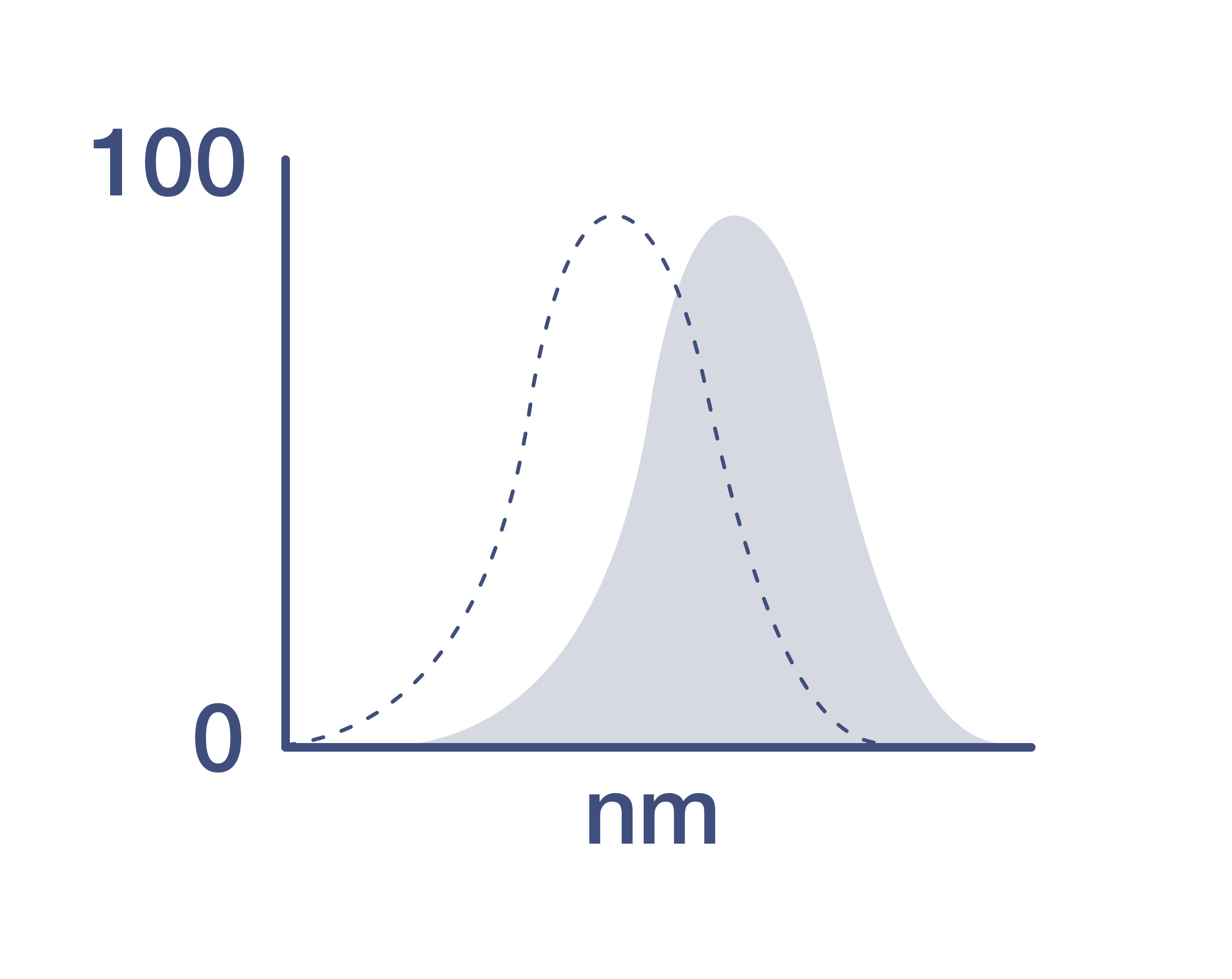
406/711 nm
View spectra
Form
liquid
Concentration
0.2 mg/mL
Amount
100 µg
Purification
Affinity chromatography
Storage buffer
PBS, pH 7.2, with BSA
Contains
0.09% sodium azide
Storage conditions
4°C, store in dark, DO NOT FREEZE!
Shipping conditions
Ambient (domestic); Wet ice (international)
Product Specific Information
Description
The eBio18F10 antibody reacts with mouse IL-17F. IL-17F is a 37 kD homodimer of the IL-17 family and a signature Th17 marker. Of all the six IL-17 family members, IL-17F and IL-17A share the strongest homology (50% amino acid identity), and the two genes are located in the same chromosomal region. Recent studies have demonstrated coordinated regulation of IL-17A and IL-17F during Th17 differentiation. Expression of IL-17F and IL-17A has been detected in activated human peripheral blood lymphocytes, specifically by activated human CD4+ T cells. In addition to IL-17A, differentiated Th17 cells also produce IL-17F and IL-22 upon re-activation. Like IL-17A, IL-17F has been linked with inflammatory diseases. IL-17F and IL-17A expression has been observed in tissue samples from various autoimmune diseases, such as rheumatoid arthritis, multiple sclerosis, psoriasis, inflammatory bowel disease, and asthma. IL-17F treatment of airway epithelium, vein endothelial cells, and fibroblasts has been reported to induce expression of IL-6, IL-8, GRO-alpha, ENA-78, TGF-beta, MCP-1, G-CSF, GM-CSF, and ICAM-1.
Like IL-17A, IL-17F is a disulfide-linked homodimeric glycoprotein. The IL-17F homodimer includes a classical cysteine knot motif, which is found also in the TGF-beta, BMP, and NGF superfamilies. The presence of the cysteine knot motif suggested the possibility of a heterodimeric structure, as was reported for TGF-beta and inhibin/activin. Recent reports confirm that co-expression of IL-17F and IL-17A in HEK293 cells results in the formation of biologically active IL-17F/IL-17A heterodimers, in addition to the IL-17F homodimers and IL-17A homodimers. Moreover, activated human CD4+ T cells were found to produce the IL-17A/F heterodimer, along with the corresponding homodimers. In comparing the relative potency of IL-17A, IL-17F, and IL-17A/F, all three were found to induce GRO-alpha secretion; IL-17A was most potent, followed by IL-17A/F heterodimer, then IL-17F (100-fold lower than IL-17A). In the mouse, the IL-17A/F heterodimer (alone or in synergy with TNF-alpha) was found to regulate the expression of IL-6 and KC (mouse homolog of human GRO-alpha); this was found to be dependent on IL-17RA and TRAF6.
Applications Tested
The eBio18F10 antibody has been tested by intracellular staining and flow cytometric analysis of in vitro-differentiated mouse Th17 cell cultures. The antibody can be used at less than or equal to 1.0 µg per test. A test is defined as the amount (µg) of antibody that will stain a cell sample in a final volume of 100 µL. Cell number should be determined empirically but can range from 10^5 to 10^8 cells/test. It is recommended that the antibody be carefully titrated for optimal performance in the assay of interest.
Blocking Buffers
When using two or more Super Bright, Brilliant Violet™, Brilliant Ultra Violet™, or other polymer dye-conjugated antibodies in a staining panel, it is recommended to use Super Bright Complete Staining Buffer (Product # SB-4401) or Brilliant Stain Buffer (Product # 00-4409-75) to minimize any non-specific polymer interactions. Please refer to the datasheet for Super Bright Staining Buffer or Brilliant Stain Buffer for more information.
Light sensitivity
This tandem dye is sensitive to photo-induced oxidation. Please protect this vial and stained samples from light.
Fixation
• Samples can be stored in IC Fixation Buffer (Product # 00-8222) (100 µL of cell sample + 100 µL of IC Fixation Buffer) or 1-step Fix/Lyse Solution (Product # 00-5333) for up to 3 days in the dark at 4°C with minimal impact on brightness and FRET efficiency/compensation.
• Some generalizations regarding fluorophore performance after fixation can be made, but clone specific performance should be determined empirically.
• Our internal testing suggests that Brilliant Violet™ 711 (BV711) is not compatible with methanol-based fixation.
Excitation: 407 nm; Emission: 713 nm; Laser: Violet Laser.
BRILLIANT ULTRA VIOLET™ is a trademark or registered trademark of Becton, Dickinson and Company or its affiliates, and is used under license. Powered by Sirigen™.
Target Information
IL-17F (Interleukin 17F, CTLA-8)) is a cytokine belonging to the IL-17 family that is produced by inflammatory cells such as activated T cells, mast cells, and basophils. IL-17F is involved in allergic airway inflammation, and can induce several cytokines, chemokines, and adhesion molecules in bronchial epithelial cells, vein endothelial cells, fibroblasts, and eosinophils. IL-17F may be secreted as a homodimer, or a heterodimer with IL17A. It acts by binding to the type I receptor, IL-17R, aiding recruitment of monocytes and neutrophils at the site of inflammation by increasing chemokine production. IL-17F also stimulates induction of other pro-inflammatory cytokines TNF alpha, IL-1 beta, IL-6, and IL-8, and reports strongly suggest the involvement of IL-17 in several chronic inflammatory diseases such as rheumatoid arthritis, psoriasis and multiple sclerosis. TGF-beta (differentiation) and IL-23 (expansion) are required for induction and maintenance of Th17 (IL-17 producing) cells, which in turn induce the other pro-inflammatory cytokines. IL-17F is produced, and exists, as a homo-dimer, with homology to a herpes virus early protein, is one of the six members (IL-17A-F) of this cytokine family, and is well characterized and highly expressed by activated effector memory T cells. IL-17F has been found to inhibit the angiogenesis of endothelial cells and induce endothelial cells to produce IL2, TGFB1/TGFB, and monocyte chemoattractant protein-1.
For Research Use Only. Not for use in diagnostic procedures. Not for resale without express authorization.
How to use the Panel Builder
Watch the video to learn how to use the Invitrogen Flow Cytometry Panel Builder to build your next flow cytometry panel in 5 easy steps.
References (0)
Have you cited this product in a publication?
Let us know so we can reference it here.
Bioinformatics
Protein Aliases: cytokine; cytokine; IL-17F; IL-24; ILN; Interleukin; interleukin-24; Interleukin17F; mutant IL-17F; unnamed protein product
Gene Aliases: IL-17F
UniProt ID: (Mouse) Q7TNI7
Entrez Gene ID: (Mouse) 257630
positive regulation of cytokine production
positive regulation of antimicrobial peptide production
inflammatory response
negative regulation of angiogenesis
regulation of transforming growth factor beta receptor signaling pathway
regulation of granulocyte macrophage colony-stimulating factor production
regulation of interleukin-2 production
regulation of interleukin-6 production
regulation of interleukin-8 production
positive regulation of interleukin-6 production
positive regulation of lymphotoxin A production
positive regulation of transcription from RNA polymerase II promoter
defense response to Gram-negative bacterium
defense response to Gram-positive bacterium
cartilage development
interleukin-17-mediated signaling pathway
positive regulation of cytokine production involved in inflammatory response
positive regulation of chemokine (C-X-C motif) ligand 1 production
Disclaimer

Clicking the images or links will redirect you to a website hosted by BenchSci that provides third-party scientific content. Neither the content nor the BenchSci technology and processes for selection have been evaluated by us; we are providing them as-is and without warranty of any kind, including for use or application of the Thermo Fisher Scientific products presented.

Performance Guarantee
If an Invitrogen™ antibody doesn't perform as described on our website or datasheet,we'll replace the product at no cost to you, or provide you with a credit for a future purchase.*
Learn more
We're here to help
Get expert recommendations for common problems or connect directly with an on staff expert for technical assistance related to applications, equipment and general product use.
Contact tech support