Search
Invitrogen
CD3e Monoclonal Antibody (FN-18), FITC
{{$productOrderCtrl.translations['antibody.pdp.commerceCard.promotion.promotions']}}
{{$productOrderCtrl.translations['antibody.pdp.commerceCard.promotion.viewpromo']}}
{{$productOrderCtrl.translations['antibody.pdp.commerceCard.promotion.promocode']}}: {{promo.promoCode}} {{promo.promoTitle}} {{promo.promoDescription}}. {{$productOrderCtrl.translations['antibody.pdp.commerceCard.promotion.learnmore']}}
Additional Information:
{{banner.description}}
Product Details
APS0308
Applications
Tested Dilution
Publications
Product Specifications
Species Reactivity
Non-human primate,
Rhesus monkey
Published species
Human,
Non-human primate,
Rhesus monkey
Host/Isotype
Mouse
/ IgG1
Class
Monoclonal
Type
Antibody
Clone
FN-18
Immunogen
Rhesus monkey peripheral blood mononuclear cells
Conjugate
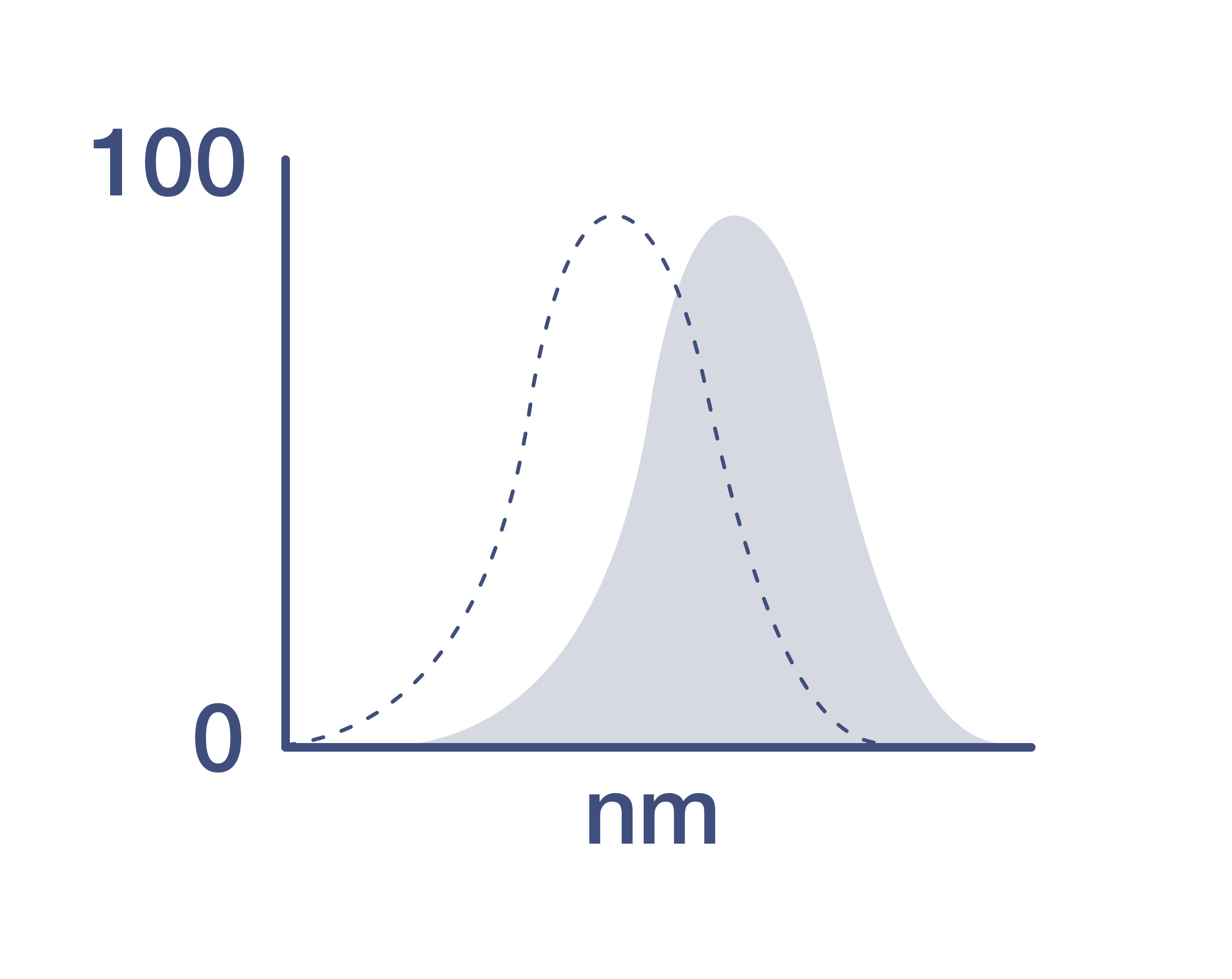
Excitation/Emission Max
498/517 nm
View spectra
Form
Lyophilized
Amount
50 µg
Purification
Ion-exchange chromatography
Storage buffer
PBS with 125mM trehalose, 1% BSA
Contains
no preservative
Storage conditions
4°C, store in dark
Shipping conditions
Ambient (domestic); Wet ice (international)
RRID
Product Specific Information
Reconstitution Dissolve the contents of the vial by injection of 0.5 mL sterile distilled water.
Lyophilized product is, protected from light, stable for at least one year at 4°C. After reconstitution, the contents can be safely stored at 4°C for one month when protected from light.
For long-term storage, it is recommended to divide the reconstituted product into small aliquots for single use. These aliquots are, protected from light, stable for one year at -20°C.
Add 0.02% sodium azide to prevent bacterial growth.
Target Information
The CD3 complex, composed of gamma, delta, epsilon, and zeta subunits, is essential for the assembly, trafficking, and surface expression of the T cell receptor (TCR) complex. These subunits are structurally related members of the immunoglobulin superfamily and are encoded by closely linked genes on human chromosome 11. CD3 is expressed by thymocytes in a developmentally regulated manner and by all mature T cells, but not on B or NK cells. The CD3 subunits play a crucial role in transducing antigen-recognition signals into the cytoplasm of T cells. The cytoplasmic tails of CD3 subunits contain a double tyrosine-based motif that associates with cytoplasmic signal transduction molecules, mediating T cell activation through the TCR. Crosslinking of the TCR initiates intracellular biochemical pathways that result in cellular activation, proliferation, and potentially growth arrest and cell survival. CD3 is present on 68-82% of normal peripheral blood lymphocytes, 65-85% of thymocytes, and Purkinje cells in the cerebellum. Decreased percentages of T lymphocytes may be observed in some autoimmune diseases. Defects in the CD3 gene are associated with CD3 immunodeficiency, highlighting its importance in immune function and regulation.
For Research Use Only. Not for use in diagnostic procedures. Not for resale without express authorization.
How to use the Panel Builder
Watch the video to learn how to use the Invitrogen Flow Cytometry Panel Builder to build your next flow cytometry panel in 5 easy steps.
Bioinformatics
Protein Aliases: CD3 TCR complex; CD3 zeta chain; CD3g molecule, epsilon (CD3-TCR complex); FLJ18683; Leu-4; T cell antigen receptor complex epsilon subunit of T3; T-cell receptor zeta chain; T-cell surface CD3 gamma chain; T3/TCR complex
Gene Aliases: CD3Z; EGK_06950; EGK_06952
Entrez Gene ID: (Rhesus monkey) 697814, (Rhesus monkey) 699582, (Rhesus monkey) 699467, (Rhesus monkey) 705270
Disclaimer

Clicking the images or links will redirect you to a website hosted by BenchSci that provides third-party scientific content. Neither the content nor the BenchSci technology and processes for selection have been evaluated by us; we are providing them as-is and without warranty of any kind, including for use or application of the Thermo Fisher Scientific products presented.

Performance Guarantee
If an Invitrogen™ antibody doesn't perform as described on our website or datasheet,we'll replace the product at no cost to you, or provide you with a credit for a future purchase.*
Learn more
We're here to help
Get expert recommendations for common problems or connect directly with an on staff expert for technical assistance related to applications, equipment and general product use.
Contact tech support