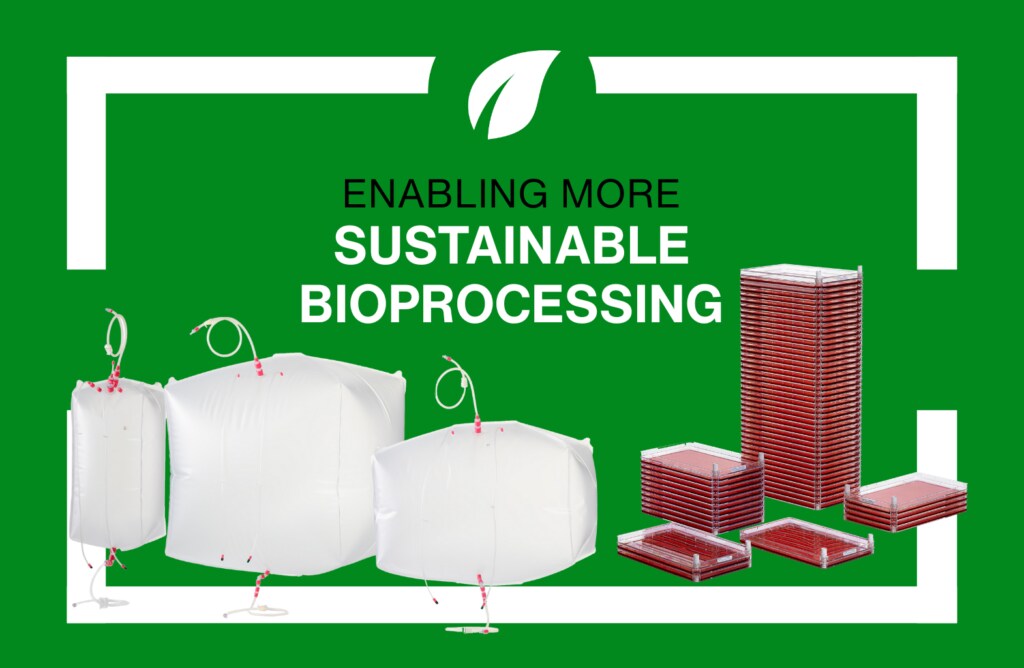
In the face of escalating climate change, reducing our carbon footprint has become a critical goal for our industry. By adopting more sustainable practices, we can lower our environmental impact and contribute to a healthier planet. This blog explores practical steps to help reduce carbon emissions focusing on the benefits of biobased products.
Understanding carbon footprint
A carbon footprint represents the total greenhouse gas emissions caused directly and indirectly by an individual, building, organization, or company1. These emissions are primarily composed of carbon dioxide (CO2). Reducing these emissions can be achieved by adopting more sustainable practices.
What are biobased plastics?
Biobased plastics are derived from renewable resources such as plants, agricultural residues, and even used cooking oil. Unlike their fossil fuel-based counterparts, biobased plastics help reduce carbon emissions because the plants used to create them absorb CO2 from the atmosphere during their growth.
The role of biobased products
By integrating these greener solutions in bioprocessing workflows, the environmental impact can be reduced. Examples of biobased products include the Thermo Scientific BioProcess Containers and Nunc Cell Factory systems, both of which utilize renewable resources to support a lower carbon footprint.
Benefits of biobased solutions
- Reduced greenhouse gas emissions: Biobased products help reduce carbon emissions, contrary to their fossil fuel-based counterparts.
Here are two bioprocess workflow examples that show the positive impact of using biobased solutions:
- 2,000-liter mAb workflow using Thermo Scientific Aegis film2: Assuming 100 runs per year, you could save approximately 151 metric tons of carbon, which is equivalent to taking 35.2 gasoline-powered cars off the road for a year.*
- Adherent cell vaccine production workflow using Nunc Cell Factory systems2: Assuming 90 Cell Factory systems per run and 100 runs per year, you could save 280 metric tons of carbon, equivalent to removing 65.3 gasoline-powered cars from the road for a year.*
*Conversion performed by the USEPA Greenhouse Gas Equivalencies Calculator
Learn more about our biobased solutions for bioprocessing > - Renewable resources: Biobased products are made from renewable feedstocks, unlike fossil fuel-based options, which help reduce the environmental impact.
Steps to help reduce your environmental footprint
- Adopt biobased products: Integrate biobased products into your biomanufacturing process to help reduce your carbon emissions.
- Support more sustainable practices: Choose products and services that prioritize sustainability. Look for certifications that support more sustainable and traceable production.
- Reduce waste: Use products with more sustainable packaging principles helps generate less packaging waste.
In closing, reducing your carbon footprint is a collective effort that involves greener options and more sustainable processes. By embracing biobased products and implementing the suggested steps above, you can help make a positive impact on the environment. Remember, every small action contributes to building a greener future. Let’s take responsibility and work together to create a more sustainable world.
Request to speak with a sustainability specialist >
Reference
- United States Environmental Protection Agency. “Climate Change Terms.” United States Environmental Protection Agency, September 19, 2013
- Thermo Fisher Scientific. Biobased Solutions, February 27, 2025.
For Research Use or Further Manufacturing. Not for diagnostic use or direct administration into humans or animals.

Start Small to Move Fast: The Benefits of the 5 L DynaDrive Benchtop Bioreactor
In the fast-paced world of bioprocessing, innovation and eff...
Read More
Maximize Uptime and Elevate Performance with Thermo Fisher Scientific FlexCare Services
In the world of bioprocessing, reliable equipment is the bac...
Read More
Scalable Fed-Batch Bioreactor Process for Lentiviral Vector Production
In cell and gene therapy, the production of lentiviral vecto...
Read More
Enhanced Oxygen Transfer in Single-Use Fermentors Revolutionizes High-Density Cultures
In bioprocessing, the ability to cultivate fast-growing, hig...
Read More
Leave a Reply