“Studies have shown that 16.5 million Americans have one of six types of PFSASs in their drinking water levels at or above the maximum EPA limit.” – Susan Scutti, CNN
Contaminants in our water sources not only cause mild physical ailments like an upset stomach or other gastrointestinal issues, but they can also cause cancer, high cholesterol, and obesity. Cancer-causing contaminants like PFASs, or polyfluoroalkyl and perfluoroalkyl substances, are organic compounds used in products that we use everyday, like packaging materials, fabrics, and nonstick cooking pans. They deftly migrate into the air we breathe, household dust, food, soil, and ground and surface water sources at staggering rates.
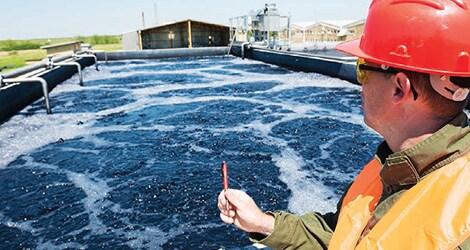
For water quality monitoring, we offer multiple techniques for the analysis of drinking water, surface water, groundwater, and wastewater to comply with legislation and regulations.
Scientists and lab professionals utilize water on a daily basis (it’s the most common reagent used in laboratories) for any number of research tasks, so when the pure water supply is compromised—typically because of contamination—all work stops in its tracks. Quality, purity, and reliability of the water supply are critical parts of running any laboratory. To guarantee maximum water quality, lab managers typically focus on obtaining the right equipment and stressing the most rigorous working standards and processes.
Many contaminants in water, like dissolved compounds, microorganisms, and ionic content, can directly affect pH and the levels of inorganic compounds and particulate matter present in the water, rendering any research or water quality outcome meaningless and causing potential danger to those it comes in contact with. Ensuring correct water quality for the specific task at hand, as well as having the equipment and processes to allow you to detect various contaminants when present, is essential to conducting beneficial and relevant scientific research.
Common Contaminants: Knowing is half the battle
Many of the usual contaminants that make their way into our various water sources simply occur or are created naturally in our environment. Manufacturing processes, sewer overflows, and incidental in-lab contamination, along with naturally existing chemicals and minerals, can all introduce contaminants into our water systems.
Volatile Organic Contaminants
Arsenic, a standard water contaminant, is an ingredient in the Earth’s crust and leeches into groundwater through the earth, especially near fracking sites or landfills. Detection of radon, a naturally occurring radioactive gas, can be difficult because you can’t smell it, see it, or taste it. Usually airborne, but also found in soil and water supplies, radon is the second leading cause of lung cancer, secondly only to smoking.

Water purification systems strip water of bacteria, organic and inorganic chemicals, and other unwanted contaminants.
Process analyzers, turbidity sensors, and other water analysis products help you accurately identify dangerous levels of various contaminants, preparing your water samples for CO2 incubators and water purification systems to strip the water of bacteria, organic and inorganic chemicals, and other unwanted contaminants.
Inorganic Compound Contaminants
The colorless, odorless, and tasteless compound nitrate—and its chemical counterpart nitrite—forms as part of an integral phase of the nitrogen cycle in soil, often accumulated from fertilizers, manure, municipal waste water treatment, and septic tanks. Nitrates and nitrites are dissolved inorganic compounds, which make up the bulk of water impurities, and are most efficiently combated with prevention rather than treatment. The use of nitrate electrodes, which measure nitrate in aqueous solutions, are vital in the detection of dangerous or undesirable levels of nitrates and nitrites in a lab water sample.
Bacterial Contaminants
Referred to as “indicator organisms,” a coliform bacterium indicates the possible presence of other disease-causing bacteria and persists longer in water than most other disease-causing organisms. They appear in soil and surface water and can even exist on human skin, with large quantities frequently found in the waste from humans and animals. Extremely widespread, coliform bacteria, including E. coli, are removed from water using continuous disinfection methods, using chlorine, ultraviolet light, or via shock chlorination. Water purification systems are an effective way to remove all coliform bacteria in water as well as pyrogens and undesired inorganic solids.
Match Your Method to the Source
The source of the water influences the methods you can potentially use to prevent contaminants from hindering research and experimentation. In some water sources—like in the case of nitrates in drinking water supplies—preventing them at the source can control contaminants. Coliform bacteria, however, is best treated with chemical purification and by performing regular system maintenance of the water supply to alleviate clogging and excessive unsafe matter and organisms.
Protect Your Lab from Research Killer Contaminants
Water analysis and purification practices are crucial for combating the diverse and prolific contaminants found in water, from our groundwater and drinking water sources to the water applied for research and experimental purposes in a laboratory, treatment plant, or biopharmaceutical research facility.
With Thermo Fisher Scientific’s wide range of all-encompassing solutions, you can spend your valuable time making important discoveries and developing positive water quality outcomes, not maintaining sub-standard equipment and cobbling together inefficient tools.
Learn more about how you can keep your water safe from contaminants with our advanced water analysis and water purification products.
Sources:
- http://www.americanlaboratory.com/914-Application-Notes/168082-Detecting-and-Managing-Water-Contaminants-in-the-Laboratory/
- https://publiclab.org/wiki/common-water-contaminants
- http://extension.psu.edu/natural-resources/water/drinking-water/water-testing/pollutants
- https://www.cdc.gov/healthywater/drinking/public/drinking-water-faq.html
- http://www.drinktap.org/water-info/whats-in-my-water/chlorate.aspx
- http://www.labtechtests.com/page/Common_Drinking_Water_Contaminants.aspx
- http://www.americanlaboratory.com/Lab-Tips/190447-Navigating-Constraints-to-Outsmart-Water-Contamination-in-the-Lab/
- https://thepathologist.com/issues/team-laboratory/water-when-things-go-wrong/
- http://www.cnn.com/2016/08/09/health/contaminated-water/index.html

DNA Purification & SARS-CoV-2 RNA Vaccine Development
Behind the SARS-CoV-2 RNA Vaccines: High-Quality DNA Purifi...
Read More
How to Automate Your SARS-CoV-2 Wastewater Testing Workflows: 4 Key Questions
The COVID-19 pandemic has spawned a year of innovation never...
Read More
A Brief History of Wastewater Testing and Pathogen Detection
Since humans started building permanent structures in which ...
Read More
We’ll be watching World Water Week from August 23 to 27. Will you join us?
Each year, more than 130 countries around the world convene ...
Read More
Leave a Reply