The world is anxiously watching the Democratic Republic of Congo (DRC) as it tackles its latest Ebola outbreak. Unfortunately, the country is no stranger to this devastating disease, which is quickly spread through direct contact and has a fatality rate of about 90 percent.
For decades, the DRC has been a hotbed for disease emergence, with Ebola, HIV, Marburg and Monkeypox all originating in the region. This is the DRC’s ninth Ebola outbreak since the virus was first discovered in the country in 1976, and it has afflicted the area many times since. Investigations into the spread of the disease across the northern Bas-Uele province in 2017 are still ongoing even as the country responds to this latest occurrence.
Ebola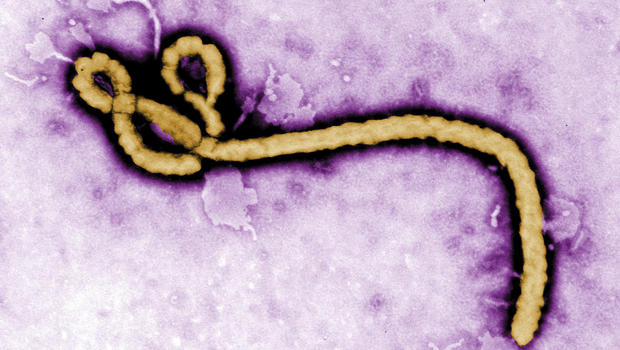
In just a short time, more than 400 people have been vaccinated in the major city of Mbandaka, with the drug now being dispersed in rural areas of the country, where spread of the disease occurs more slowly. While vaccination is a critical means for preventing further cases of the virus, it can create a challenge for researchers who have spent decades studying how this catastrophic illness develops and spreads.
Acting Quickly to Save Precious Research
Once an individual is vaccinated, the antibody response from natural exposure becomes difficult to distinguish from response to the vaccine – making it nearly impossible to trace who, where and to what strain an individual has been exposed.
Knowing this complication exists, researchers are accelerating their efforts to identify and test infected individuals, and those with whom they have come in contact, to obtain vital samples of natural exposure. Without this information, the ability to understand the disease will be severely compromised, making it difficult to anticipate and prevent outbreaks in the future.
Among those working toward this goal is Anne W. Rimoin, Ph.D., M.P.H., associate professor in the Department of Epidemiology at UCLA School of Public Health and director of the UCLA-DRC Research Program. She and her team, comprised of Americans and DRC Nationals alike, have been studying the disease in Kinshasa and other remote areas of the country for the past 15 years. In fact, it was her team that first identified the initial cases in Kinshasa in collaboration with the DRC Ministry of Health, the Institut National de Recherche Biomedicale (National Institute of Biomedical Research and DRC National Reference Laboratory) and the Kinshasa School of Public Health.
Recently, Dr. Rimoin and her colleagues found evidence of multiple exposure among several of the DRC citizens they track, suggesting that strains of the virus may circulate more quickly than scientists previously thought. This new information makes it more important than ever for samples to be gathered quickly, so further testing can be conducted before research is adulterated by vaccine administration.
Supporting Sample Procurement and Integrity
In order for Dr. Rimoin and her team to continue their efforts, which are pivotal to advancing our global understanding of how the disease travels among the human population, it’s critical that their lab has the tools and labware necessary to support their end-to-end workflow. Tools that will ensure sample integrity throughout the process to enable accurate and impactful results.
Nunc™ 2.0mL Internally-Threaded Universal Tubes
Our Nunc™ Universal Tubes integrate many of Thermo Scientific’s best offerings for easy, organized, and secure lab work, including a universal cap, universal latch rack and free-standing tubs. Versatile in their design and ideal for both large store systems and smaller scale cryostorage applications, we’re sure the team will be able to put the more than 2,000 tubes we’ve sent over to good use!
We’ve also supplied the researchers with more than 16,000 of our multipurpose and durable Nunc™ Biobanking and Cell Culture Cryogenic Tubes, capable of storing samples from general cold storage to the vapor phase of liquid nitrogen and available with either internal or external threads.
To ensure delicate samples remain unspoiled by external pollutants, we’ve shipped more than 6,000 of our ART Barrier Pipette Tips to the team. Designed to seal when exposed to potential contaminants, these special tips offer an extra level of contamination control that is ideal for a variety of applications, especially in non-traditional lab environments.
We’ve also provided nearly 300 of our break-resistant polycarbonate cryoboxes, capable of storing up to 169 tubes each, and our Cryo Vial Closure Color Coders to ensure each of the team’s samples can be easily stored and promptly found.
With vaccinations moving quickly, it is imperative that research programs like the UCLA-DRC Research Program have the labware necessary to obtain and store its samples efficiently, despite the often-challenging conditions inherent with research in remote regions of the world. With our tubes, researchers can continue their work assured of their samples’ integrity, knowing that they will receive high-quality and precise testing results every step of the way.
We commend the work of Dr. Rimoin and her team, along with all the other researchers working tirelessly in the region to understand and, ultimately, bring an end to this deadly virus. It is a great honor to have our lab products involved in their important work. We wish them the best of luck as they continue their research, and a safe and healthy return home.
For more information on how you can support the UCLA-DRC Research Program, click here.

Thermo Fisher Scientific Partners with AIM Biotech on Development of Microphysiological Systems
The adoption of New Approach Methodologies (NAMs) in drug di...
Read More
5 Solutions for Overcoming Research Challenges in Vaccine Development
What are the main challenges in vaccine development? The mai...
Read More
Spatial Omics Meets Neuroscience: Dual ISH-IHC Brain Mapping Case Study
Spatial omics biology is reshaping how researchers study com... Dana D'Amico
Read More
APD vs PMT and Beyond: Flow Cytometry Light Detectors
Flow cytometry relies on sensitive photodetectors to convert... Aram Schiffman Eric Finan
Read More
Leave a Reply