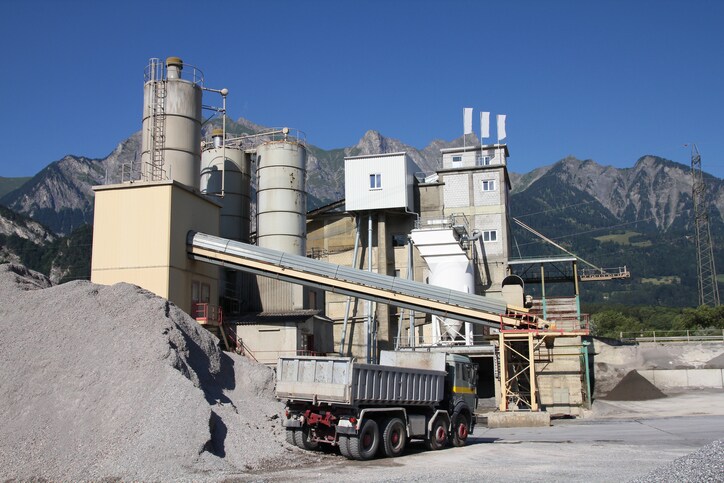
 Cement producers have many concerns throughout the cement production process. How can the life of the quarry be extended? Is the product blended correctly to meet customer requirements? How can product variation be reduced? Is there a way to make the plant more efficient, less costly, and yet still maintain safe, clean production lines?
We have addressed these concerns and more in our Cement Analysis and Production Information Center on our website. Visit these pages to get an overview of the cement production process, which begins with the extraction of limestone and clay from the quarry. The material is then blended, crushed and fed to the kiln. Post-kiln, the clinker is cooled and goes through a final grinding method before it is ready to ship. Portland cement, the most common type of cement, is formulated in a variety of strengths and colors, depending on its intended use. Cement composition is based upon their customer’s requests, each requiring a different elemental chemistry in recipe.
Here are the five stages of cement production and the steps to help maintain consistent raw material quality with minimal chemistry deviation, from quarry to silo to customer:
- The Quarry
- Extracting limestone and clay from the earth — which provides the key elemental components of cement, begins the process. If you are involved in cement manufacturing, you should also be aware that there are types of cement raw materials mining equipment that will help extend the life of the quarry.
- Crusher and Pre-Blending
- The material is crushed to reduce the particle sizes, and blended to reduce variability in cement composition.
- Raw Mill and Kiln
- Additives, such as sand, iron ore, marl, shale and fly ash are proportionally fed to the raw mill to ensure the correct “blend” to meet customer requirements.
- Coal Mill
- Coal helps to deliver the energy needed for the heat inside the kiln which helps control the blend. There are also clean air standards and guidelines that must be followed when processing minerals into cement.
- Clinker
- While the cement production process before the kiln is focused on the elemental make-up and proportions of the raw materials, after the clinker is produced, the focus shifts to the molecules these elements form — which plays an important role in the physical characteristics of cement such as color and strength.
You can learn more about the Cement Analysis and Production process by accessing our educational materials — including infographics, technology primers, application notes, FAQs, product comparison tables, brochures, videos, as well as additional blog posts — on the Cement Analysis and Production Information Center on our website.
And if your questions still aren’t answered, there’s a Cement, Coal & Minerals Resource Library and a handy button to click to Request Information.
> View the Cement Analysis and Production Information Center
What Is Ambient Air?
Learn about ambient air, its significance, pollutants, and m... Marlene Gasdia-Cochrane, Editor
Read More
PGNAA Improves Process and Quality Control in Cement Production
In the world of cement production, precision is key. Getting... Darrell Leetham
Read More
Don’t Abandon the Treasures: Fill Your Trick-or-Treat Bags with Free eBooks for Mining and Cement Operations
Ghost towns have more to do with the abandonment of mining t... Marlene Gasdia-Cochrane, Editor
Read More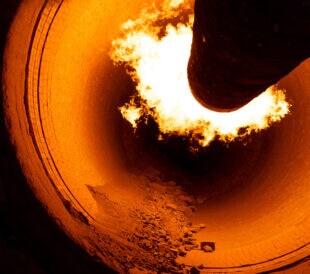
Making Sure Green Cement is Clean Cement
Alternative Fuels (AFs) are being increasingly used in cemen... Jill Staggert
Read More
Leave a Reply