Search
 Elementsuche
 Struktursuche


Thermo Scientific Chemicals
Kaliumcyanid, 97+ %, Thermo Scientific Chemicals
Have Questions?
Ansicht ändern

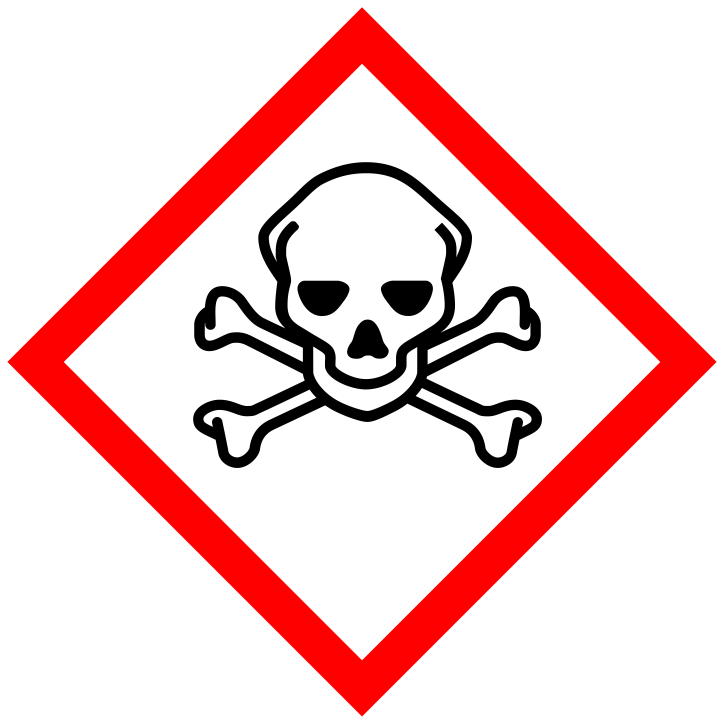


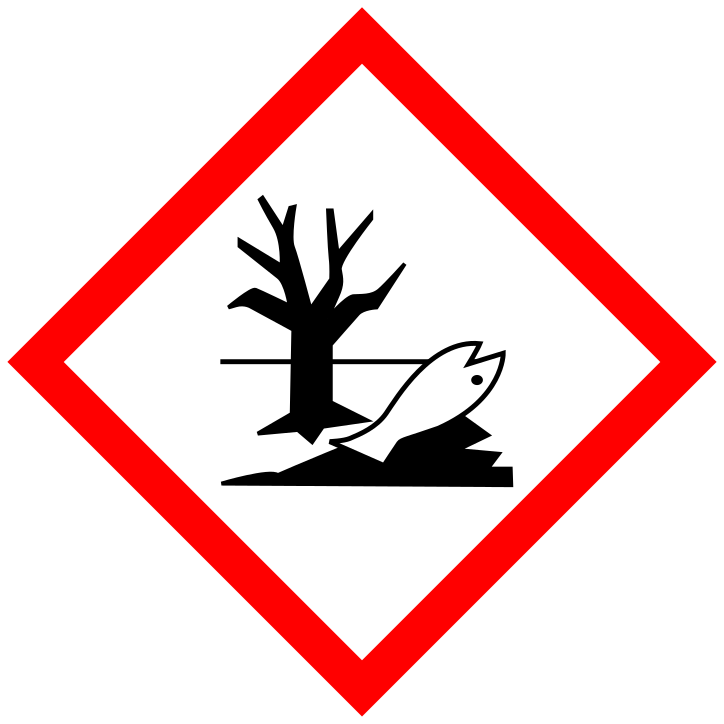

Chemikalien-Kennzeichnungen
CAS151-50-8
IUPAC Namepotassium iminomethanide
Molecular FormulaCKN
InChI KeyNNFCIKHAZHQZJG-UHFFFAOYSA-N
SMILES[K+].[C-]#N
Mehr anzeigen
Specifications Datenblatt
Appearance (Color)White
Assay from Supplier's CofA≥97.0% as KCN
FormCrystals or powder or crystalline powder or granules
Potassium cyanide is widely applied in organic synthesis for the synthesis of many organic compounds, for example in the synthesis of hydantoins, spiro heterocycles, nitriles, carboxylic acids, cyanohydrins and in von richter reaction. It is employed in gold mining, electroplating, and as a reagent in protein characterization.
This Thermo Scientific Chemicals brand product was originally part of the Alfa Aesar product portfolio. Some documentation and label information may refer to the legacy brand. The original Alfa Aesar product / item code or SKU reference has not changed as a part of the brand transition to Thermo Scientific Chemicals.
Anwendungen
Kaliumcyanid wird in der organischen Synthese weithin für die Synthese vieler organischer Verbindungen verwendet, zum Beispiel in der Synthese von Hydantoinen, Spiroheterozyklen, Nitrilen, Carboxylsäuren und Cyanhydrinen und in der Von-Richter-Reaktion. Es wird im Goldabbau, bei der Galvanisierung und als Reagenz in der Proteincharakterisierung eingesetzt.
Löslichkeit
Es ist in Wasser sehr löslich. Löslich in Methanol, Glycerin und Formamid. Schwer löslich in Ethanol.
Hinweise
Hygroskopischer Feststoff. In luftdichten Behältern lagern. Nicht kompatibel mit Säuren.
RUO – Research Use Only
Allgemeine Referenzen:
- Für durch Kronenether geförderte Cyanierungsreaktionen und die Bildung eines 1:1 Kronenether-Komplexes siehe 18-Krone-6, A11249. Für die Cyanierung von Alkylhalogeniden unter Verwendung von Phasentransferkatalyse ohne Lösungsmittel siehe: Bull. Soc. Chim. Fr., 124 (1986). Siehe auch Natriumcyanid, L13278.
- Raphulu, M. C.; Scurrell, M. S. Cyanide leaching of gold catalysts. Catal. Commun. 2015, 67, 87-89.
- Johnströma, P.; Bergman, L.; Varnäs, K.; Malmquist, J.; Halldin, C.; Farde, L. Development of rapid multistep carbon-11 radiosynthesis of the myeloperoxidase inhibitor AZD3241 to assess brain exposure by PET microdosing. Nucl. Med. Biol. 2015, 42, (6), 555-560.