Search



Zitierungen und Referenzen (1)
Gibco™
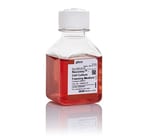
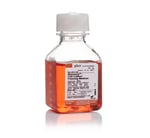
Recovery™ Cell Culture Freezing Medium
Recovery™ Cell Culture Freezing Medium ist ein gebrauchsfertiges Komplett-Gefriermittel für die Kryokonservierung einer Vielzahl von Säugetierzellen einschließlich CHO-S, CHO-K1, HEKWeitere Informationen
| Katalognummer | Menge |
|---|---|
| 12648010 | 50 ml |
Katalognummer 12648010
Preis (EUR)
197,00
Each
Menge:
50 ml
Preis (EUR)
197,00
Each
Recovery™ Cell Culture Freezing Medium ist ein gebrauchsfertiges Komplett-Gefriermittel für die Kryokonservierung einer Vielzahl von Säugetierzellen einschließlich CHO-S, CHO-K1, HEK 293, Jurkat und NIH 3T3. Merkmale von Recovery™ Cell Culture Freezing Medium:
• Klassische Formulierung optimiert für bessere Leistung
• Geeignet für eine Vielzahl von Säugetierzellen
• Geprüfte Qualität und Leistung
Klassische Formulierung optimiert für bessere Leistung
Seit vielen Jahren verwenden Forscher ein übliches Rezept für die Herstellung von Gefriermedien: Dulbecco's Modified Eagle Medium (DMEM) mit hohem Glukose-Anteil, ergänzt mit 10 % Serum und 10 % DMSO. Recovery™ Zellkultur-Gefriermedium ist eine optimierte Version dieser klassischen Rezeptur; die Nutzung von qualitativ hochwertigem Gibco™ Kälberserum und fötalem Kälberserum gewährleistet nach dem Auftauen eine bessere Zellrückgewinnung und Zellviabilität.
Geeignet für eine Vielzahl von Säugetierzellen
Recovery™ Zellkultur-Gefriermedium kann zum Einfrieren der meisten Säugetierzellen verwendet werden, die in DMEM-, DMEM/F-12-, MEM-, RPMI 1640- und Ham's F-12-Zellen kultiviert wurden, einschließlich CHO-S, CHO-K1, HEK 293-, Jurkat- und NIH 3T3-Zellen.
Geprüfte Qualität und Leistung
Recovery™ Zellkultur-Gefriermedium wurde auf pH, Osmolalität, Sterilität und Endotoxin geprüft. Darüber hinaus wird jede Charge mit CHO-K1-Zellen auf ihre Leistungsfähigkeit getestet.
CGMP-konformes Herstellungs- und Qualitätssystem
Recovery™ Zellkultur-Gefriermedium wird in einer cGMP-konformen Anlage in Grand Island, New York, hergestellt. Die Einrichtung ist von der US-Arzneimittelbehörde FDA als Hersteller medizinischer Geräte zugelassen und ISO 13485-zertifiziert.
• Klassische Formulierung optimiert für bessere Leistung
• Geeignet für eine Vielzahl von Säugetierzellen
• Geprüfte Qualität und Leistung
Klassische Formulierung optimiert für bessere Leistung
Seit vielen Jahren verwenden Forscher ein übliches Rezept für die Herstellung von Gefriermedien: Dulbecco's Modified Eagle Medium (DMEM) mit hohem Glukose-Anteil, ergänzt mit 10 % Serum und 10 % DMSO. Recovery™ Zellkultur-Gefriermedium ist eine optimierte Version dieser klassischen Rezeptur; die Nutzung von qualitativ hochwertigem Gibco™ Kälberserum und fötalem Kälberserum gewährleistet nach dem Auftauen eine bessere Zellrückgewinnung und Zellviabilität.
Geeignet für eine Vielzahl von Säugetierzellen
Recovery™ Zellkultur-Gefriermedium kann zum Einfrieren der meisten Säugetierzellen verwendet werden, die in DMEM-, DMEM/F-12-, MEM-, RPMI 1640- und Ham's F-12-Zellen kultiviert wurden, einschließlich CHO-S, CHO-K1, HEK 293-, Jurkat- und NIH 3T3-Zellen.
Geprüfte Qualität und Leistung
Recovery™ Zellkultur-Gefriermedium wurde auf pH, Osmolalität, Sterilität und Endotoxin geprüft. Darüber hinaus wird jede Charge mit CHO-K1-Zellen auf ihre Leistungsfähigkeit getestet.
CGMP-konformes Herstellungs- und Qualitätssystem
Recovery™ Zellkultur-Gefriermedium wird in einer cGMP-konformen Anlage in Grand Island, New York, hergestellt. Die Einrichtung ist von der US-Arzneimittelbehörde FDA als Hersteller medizinischer Geräte zugelassen und ISO 13485-zertifiziert.
Nur für Forschungszwecke. Nicht zur Verwendung bei diagnostischen Verfahren.
Specifications
ZelltypSäugetierzellen
ProduktlinieGibco, Recovery
ProdukttypEinfriermedium
Reinheits- oder QualitätsgradForschungsqualität
Menge50 ml
Haltbarkeit12 Monate
VersandbedingungTrockeneis
Culture TypeSäugetierzellkultur
FormFlüssig
Serum LevelStandard-Serumzugabe
SterilitätSteril gefiltert
Mit AdditivenHoher Glukosegehalt, Phenolrot, DMSO (10 %)
Ohne AdditiveKein Phenolrot
Unit SizeEach
Inhalt und Lagerung
Lagerbedingungen: -5 bis -20 °C. Vor Licht schützen.
Versandbedingungen: GefrorenHaltbarkeit:
12 Monate ab Herstellungsdatum
Versandbedingungen: GefrorenHaltbarkeit:
12 Monate ab Herstellungsdatum
Häufig gestellte Fragen (FAQ)
What is the procedure for cryopreserving mammalian cells?
Is there any difference between your Cell Culture Freezing Medium-Dimethylsulfoxide(DMSO) and the standard method using DMSO? Does it depend on the cell types? What protocol should I use for freezing cells?
Is it important to centrifuge and aspirate Recovery Cell Culture Freezing Medium before seeding into the flask?
Can Recovery Cell Culture Freezing Medium be stored at 2 to 8 degrees C?
Can Recovery Cell Culture Freezing Medium undergo multiple freeze thaw cycles?
Zitierungen und Referenzen (1)
Zitierungen und Referenzen
Abstract
Sleeping Beauty transposon mutagenesis of the rat genome in spermatogonial stem cells.
Journal:Methods
PubMed ID:21193047
'Since several aspects of physiology in rats have evolved to be more similar to humans than that of mice, it is highly desirable to link the rat into the process of annotating the human genome with function. However, the lack of technology for generating defined mutants in the rat genome