Search


Invitrogen™
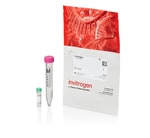
SiteClick™ sDIBO Alkyne Kits for Antibody Labeling
Mit SiteClick™ Chemie können Sie Alexa Fluor™ pHrodo™ und Biotin sDIBO Alkin-Tags ganz einfach an azidmodifizierte Antikörper binden.
Have Questions?
Ansicht ändern

| Katalognummer | Marker oder Farbstoff | Kennzeichnungsmaßstab |
|---|---|---|
| S10911 | Alexa Fluor 647 | 5 mg |
| C20027 | Alexa Fluor™ 488 | 100–250 µg |
| C20029 | Alexa Fluor 647 | 100–250 µg |
| C20031 | Primäres Amin | 100–250 µg |
| C20034 | pHrodo™ iFL Red | 100–250 µg |
| S10902 | Biotin | 1 mg |
| S10903 | pHrodo™ iFL Red | 1 mg |
| S10904 | Alexa Fluor™ 488 | 1 mg |
| S10906 | Alexa Fluor 647 | 1 mg |
| S10907 | Biotin | 5 mg |
| S10908 | pHrodo™ iFL Red | 5 mg |
| S10909 | Alexa Fluor™ 488 | 5 mg |
| S10914 | pHrodo™ Dunkelrot | 100 bis 250 µg |
| S10915 | pHrodo™ Dunkelrot | 1 mg |
| C20028 | Alexa Fluor™ 555 | 100 bis 250 µg |
| C20030 | Biotin | 100 bis 250 µg |
Katalognummer S10911
Preis (EUR)
960,00
Each
Marker oder Farbstoff:
Alexa Fluor 647
Kennzeichnungsmaßstab:
5 mg
Preis (EUR)
960,00
Each
Erstellen Sie mit SiteClick sDIBO Alkinen für die Antikörpermarkierung stellenspezifische Antikörperkonjugate. SiteClick sDIBO Antikörpermarkierungskits sind für die Verwendung in Verbindung mit den SiteClick Azid-Modifikationskits (S20026, S10900 oder S10901 separat erhältlich) optimiert und enthalten ausreichend Reagenzien für die Konjugationsreaktion einer SiteClick sDIBO Alkine-Markierung mit 100 μg, 1 mg oder 5 mg azidmodifizierten IgG-Antikörpern. Die SiteClick sDIBO Alkine für die Antikörpermarkierung nutzen eine kupferfreie Click-Chemie zum kovalenten Verknüpfen von mit Alexa Fluor Farbstoff, pHrodo Farbstoff oder Biotin markiertem Dibenzocyclooctin (sDIBO) mit einem azidmodifizierten Antikörper. Nach dem Anbringen der Markierung an den Antikörper befindet sie sich weit entfernt von der Antigenbindungsdomäne.
Erstellen Sie mit den SiteClick sDIBO Alkin-Markierungen Ihre eigenen kovalent markierten Antikörperkonjugate, die für die Verwendung mit azidmodifizierten Antikörpern vorgesehen sind. SiteClick sDIBO Alkin-Antikörpermarkierungskits enthalten das sDIBO Alkin und den Antikörperkonzentrator, der eine kovalente Bindung von Alexa Fluor und pHrodo Farbstoffen, Biotin oder Molekülen Ihrer Wahl ermöglicht. Bei Verwendung mit dem SiteClick Antikörper-Azid-Modifikationskit (gesondert unter Art.-Nr. S20026, S10900, S10901 erhältlich), erfolgt die Markierung an den schweren N-verknüpften Glykanketten, weit entfernt von der Antigenbindungsdomäne. Dies ermöglicht eine hervorragende Reproduzierbarkeit zwischen separaten Markierungsreaktionen und mehreren Antikörperspezies und -subtypen. SiteClick sDIBO Alkin-Kits für die Antikörpermarkierung sind für Konjugationsreaktionen optimiert und binden kovalent 100 µg, 1 mg oder 5 mg azidmodifizierte IgG-Antikörper.
Das SiteClick Antikörper-Azid-Modifikationskit (Art.-Nr. S20026, S10900, S10901) wird für die Anbindung eines Azid-Anteils an die schweren Ketten eines unmarkierten IgG-Antikörpers empfohlen. Andere speziell entwickelte Antikörper, die Azid-Anteile enthalten, eignen sich ebenfalls.
In Verbindung mit dem SiteClick Antikörper-Azid-Modifikationskit bieten Ihnen SiteClick sDIBO Alkin-Kits zur Antikörpermarkierung die Möglichkeit, verschiedene Fluoreszenzmarkierungen für Ihren Antikörper zu testen, andere Moleküle über Streptavidin oder Ihr eigenes Molekül über aminreaktive Einheiten anzubinden, je nach Ihrem Assay. Diese sDIBO Alkine sind verbesserte Versionen der ursprünglichen DIBO Cyclooctine, die Konjugate mit weniger überhängenden („sticky“) Enden ergeben und bei biologischen Proben einen schwächeren Signalhintergrund liefern.
Das SiteClick Antikörper-Azid-Modifikationskit (Art.-Nr. S20026, S10900, S10901) wird für die Anbindung eines Azid-Anteils an die schweren Ketten eines unmarkierten IgG-Antikörpers empfohlen. Andere speziell entwickelte Antikörper, die Azid-Anteile enthalten, eignen sich ebenfalls.
In Verbindung mit dem SiteClick Antikörper-Azid-Modifikationskit bieten Ihnen SiteClick sDIBO Alkin-Kits zur Antikörpermarkierung die Möglichkeit, verschiedene Fluoreszenzmarkierungen für Ihren Antikörper zu testen, andere Moleküle über Streptavidin oder Ihr eigenes Molekül über aminreaktive Einheiten anzubinden, je nach Ihrem Assay. Diese sDIBO Alkine sind verbesserte Versionen der ursprünglichen DIBO Cyclooctine, die Konjugate mit weniger überhängenden („sticky“) Enden ergeben und bei biologischen Proben einen schwächeren Signalhintergrund liefern.
Nur für Forschungszwecke. Nicht zur Verwendung bei diagnostischen Verfahren.
Specifications
Chemische ReaktivitätAzid
Anregung/Emission650/665
FiltertypCy5
Durchflusszytometer-LaserlinienRot
KitinhaltEnthält 1 Fläschchen SiteClick Alexa Fluor 647 sDIBO alkyne für die Antikörpermarkierung in 250 µl DMSO und 1 Antikörperkonzentrator
MarkierungsmethodeClick-Chemie
Kennzeichnungsmaßstab5 mg
MarkierungszielAzido modifizierte Antikörper
Marker oder FarbstoffAlexa Fluor 647
Mengefor 5 mg of Ab
Reaktiver TeilSDIBO Alkyne
VersandbedingungNasseis
FarbeTiefrot
ProduktlinieAlexa Fluor, SiteClick
Unit SizeEach
Inhalt und Lagerung
Im Kühlschrank (2 bis 8 °C) aufbewahren und vor Licht schützen.