Search
Invitrogen
Pan SHANK Monoclonal Antibody (N23b/49), PE
{{$productOrderCtrl.translations['antibody.pdp.commerceCard.promotion.promotions']}}
{{$productOrderCtrl.translations['antibody.pdp.commerceCard.promotion.viewpromo']}}
{{$productOrderCtrl.translations['antibody.pdp.commerceCard.promotion.promocode']}}: {{promo.promoCode}} {{promo.promoTitle}} {{promo.promoDescription}}. {{$productOrderCtrl.translations['antibody.pdp.commerceCard.promotion.learnmore']}}

FIGURE: 1 / 3
Pan SHANK Antibody (MA5-45441) in ICC/IF
Immunocytochemistry/Immunofluorescence analysis using human neuroblastoma cells. Fixation involved 4% Formaldehyde for 15 min at RT. Samples were incubated with SHANK (pan) monoclonal antibody (Product # MA5-45441) at 1:100 for 60 min at RT, followed by Goat Anti-Mouse ATTO 488 at 1:200 for 60 min at RT. Counterstain used was Phalloidin Texas Red F-Actin stain; DAPI (blue) nuclear stain at 1:1,000, 1:5,000 ... View More


Please note: We are reviewing Western blot images included in the antibody testing data in our catalog, including those provided by third parties. Unless expressly labeled or annotated as “raw-unedited”, Western blot images included in the antibody testing data in our catalog may have been edited, optimized or otherwise adjusted for presentation.


Product Details
MA5-45441
Applications
Tested Dilution
Publications
Product Specifications
Species Reactivity
Human,
Mouse,
Rat
Host/Isotype
Mouse
/ IgG1
Class
Monoclonal
Type
Antibody
Clone
N23b/49
Immunogen
Fusion protein amino acids 84-309 of rat Shank2
Conjugate
PE
PE
PE
Excitation/Emission Max
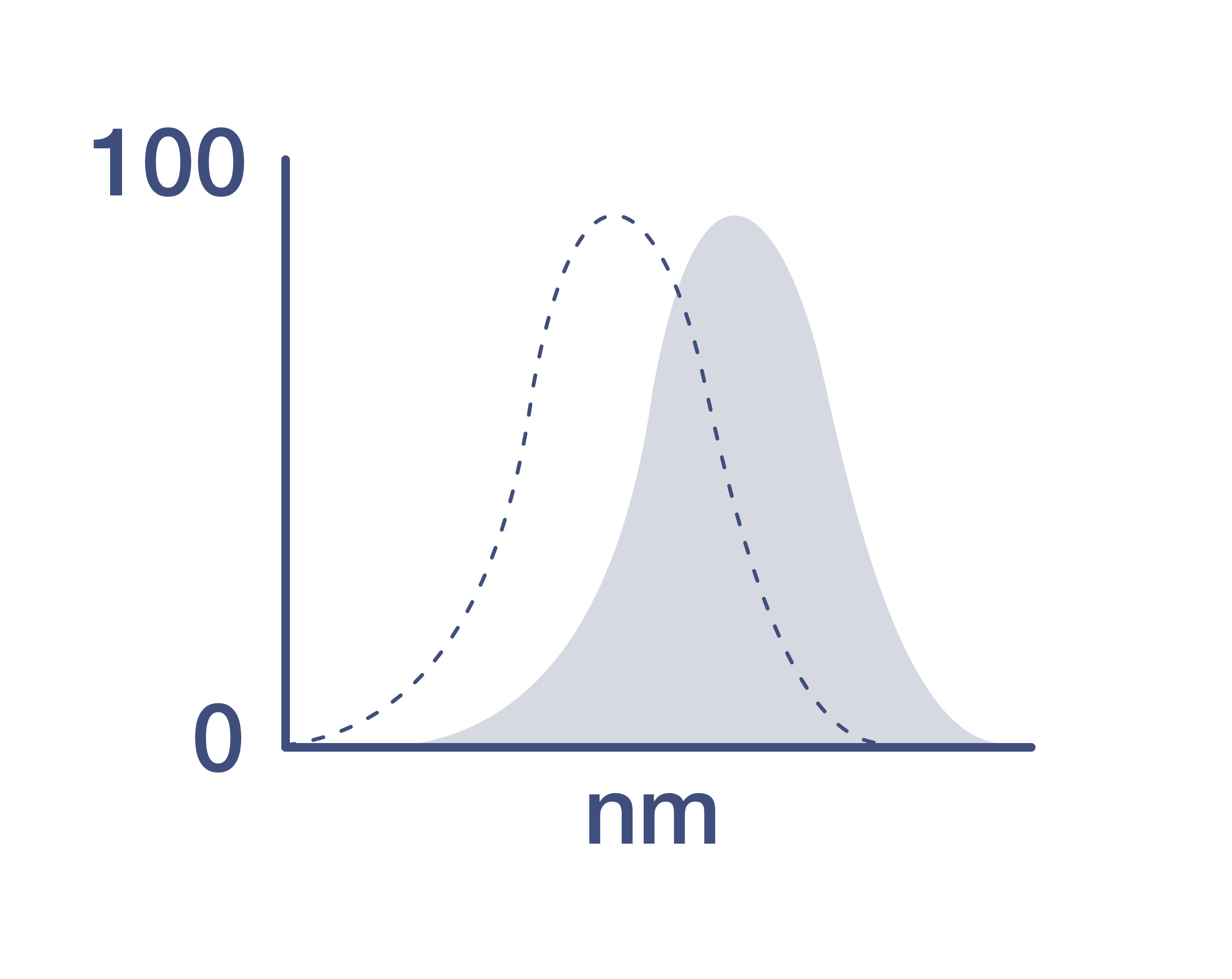
565/576 nm
View spectra
Form
Liquid
Concentration
1 mg/mL
Amount
100 µg
Purification
Protein G
Storage buffer
95.64mM phosphate/2.48mM MES, pH 7.4, with 0.5M EDTA
Contains
no preservative
Storage conditions
4°C
Shipping conditions
Ambient (domestic); Wet ice (international)
RRID
Product Specific Information
1 µg/mL of MA5-45441 was sufficient for detection of Shank1-4 in 10 µg of rat brain lysate by colorimetric immunoblot analysis using Goat anti-mouse IgG:HRP as the secondary antibody.|Detects approximately 160kDa. Recognizes Shank1, 2 and 3.
Target Information
Shank proteins make up a family of scaffold proteins identified through their interaction with a variety of membrane and cytoplasmic proteins. Shank proteins at postsynaptic sites of excitatory synapses play roles in signal transmission into the postsynaptic neuron. Studies suggest that Shank2 is expressed in the neurons of the developing retina, and could play a role in the neuronal differentiation of the developing retina. Other recent studies suggest that the disruption of glutamate receptors at the Shank postsynaptic platform could contribute to the destruction of the postsynaptic density, which underlies the synaptic dysfunction and loss in Alzheimer's disease.
For Research Use Only. Not for use in diagnostic procedures. Not for resale without express authorization.
References (0)
Have you cited this product in a publication?
Let us know so we can reference it here.
Bioinformatics
Protein Aliases: brain specific protein; brain-specific protein; cortactin SH3 domain-binding protein; cortactin-binding protein 1; CortBP1; GKAP/SAPAP interacting protein; GKAP/SAPAP-interacting protein; multidomain postsynaptic density protein; PDZ-based scaffold protein; ProSAP1 protein; postsynaptic density protein; postsynaptic scaffold protein; proline rich synapse associated protein 2; proline-rich synapse associated protein 1; proline-rich synapse-associated protein 1; proline-rich synapse-associated protein 2; SAPAP-interacting protein synamon; scaffolding protein; SH3 and multiple ankyrin repeat domains protein 2-like; SH3/ankyrin domain gene 1; SH3/ankyrin domain gene 2; SH3/ankyrin domain gene 3; shank postsynaptic density protein; Shank postsynaptic density protein 3a; Shank2; shank3 postsynaptic density protein; somatostatin receptor-interacting protein; SPANK-1; SPANK-2; proSAP2; proline-rich synapse-associated protein 2; SSTR-interacting protein; synamon; unnamed protein product
Gene Aliases: AUTS17; CORTBP1; CTTNBP1; DEL22q13.3; mKIAA1022; ProSAP1; PROSAP2; PSAP2; SCZD15; SHANK; Shank1a; Shank2E; SPANK-1; SPANK-2; SPANK-3; Spank1; SSTRIP; synamon
UniProt ID: (Human) Q9Y566, (Human) Q9UPX8, (Human) Q9BYB0, (Rat) Q9WV48, (Mouse) D3YZU1, (Mouse) Q80Z38, (Rat) Q9QX74, (Rat) Q9JLU4, (Mouse) Q4ACU6
Entrez Gene ID: (Human) 50944, (Human) 22941, (Human) 85358, (Rat) 78957, (Mouse) 243961, (Mouse) 210274, (Rat) 171093, (Rat) 59312, (Mouse) 58234
G-protein coupled receptor binding
protein binding
SH3 domain binding
receptor signaling complex scaffold activity
GKAP/Homer scaffold activity
somatostatin receptor binding
ionotropic glutamate receptor binding
identical protein binding
macromolecular complex binding
ankyrin repeat binding
scaffold protein binding
structural constituent of postsynaptic density
zinc ion binding
receptor binding
long-term memory
associative learning
adult behavior
negative regulation of actin filament bundle assembly
social behavior
protein localization to synapse
olfactory behavior
habituation
modulation of synaptic transmission
synapse organization
neuromuscular process controlling balance
determination of affect
righting reflex
synapse maturation
dendritic spine morphogenesis
positive regulation of dendritic spine development
protein-containing complex assembly
vocalization behavior
AMPA selective glutamate receptor signaling pathway
maintenance of postsynaptic density structure
positive regulation of excitatory postsynaptic potential
synapse assembly
learning
memory
positive regulation of cell proliferation
adult locomotory behavior
response to xenobiotic stimulus
negative regulation of hippo signaling
exploration behavior
positive regulation of synaptic transmission, glutamatergic
long-term synaptic potentiation
long term synaptic depression
regulation of postsynapse organization
MAPK cascade
embryonic epithelial tube formation
learning or memory
locomotory behavior
gene expression
glial cell proliferation
striatal medium spiny neuron differentiation
locomotory exploration behavior
locomotion
vocal learning
negative regulation of cell volume
regulation of synaptic plasticity
positive regulation of long-term neuronal synaptic plasticity
brain morphogenesis
sensory perception of touch
positive regulation of synapse structural plasticity
regulation of dendritic spine morphogenesis
neural precursor cell proliferation
postsynaptic density assembly
AMPA glutamate receptor clustering
NMDA glutamate receptor clustering
guanylate kinase-associated protein clustering
response to interleukin-17
regulation of long-term synaptic potentiation
positive regulation of long-term synaptic potentiation
positive regulation of glutamate receptor signaling pathway
regulation of long term synaptic depression
regulation of AMPA glutamate receptor clustering
regulation of grooming behavior
regulation of behavioral fear response
cognition
response to nutrient
Disclaimer

Clicking the images or links will redirect you to a website hosted by BenchSci that provides third-party scientific content. Neither the content nor the BenchSci technology and processes for selection have been evaluated by us; we are providing them as-is and without warranty of any kind, including for use or application of the Thermo Fisher Scientific products presented.

Performance Guarantee
If an Invitrogen™ antibody doesn't perform as described on our website or datasheet,we'll replace the product at no cost to you, or provide you with a credit for a future purchase.*
Learn more
We're here to help
Get expert recommendations for common problems or connect directly with an on staff expert for technical assistance related to applications, equipment and general product use.
Contact tech support