Search
Invitrogen
TLR4 Monoclonal Antibody (HTA125), PE
{{$productOrderCtrl.translations['antibody.pdp.commerceCard.promotion.promotions']}}
{{$productOrderCtrl.translations['antibody.pdp.commerceCard.promotion.viewpromo']}}
{{$productOrderCtrl.translations['antibody.pdp.commerceCard.promotion.promocode']}}: {{promo.promoCode}} {{promo.promoTitle}} {{promo.promoDescription}}. {{$productOrderCtrl.translations['antibody.pdp.commerceCard.promotion.learnmore']}}
Additional Information:
{{banner.description}}
Product Details
MA5-16721
Product Specifications
Species Reactivity
Dog,
Guinea pig,
Human,
Pig,
Rhesus monkey
Host/Isotype
Mouse
/ IgG2a
Class
Monoclonal
Type
Antibody
Clone
HTA125
Immunogen
Ba/F3 cell line expressing TLR4 (CD284).
Conjugate
PE
PE
PE
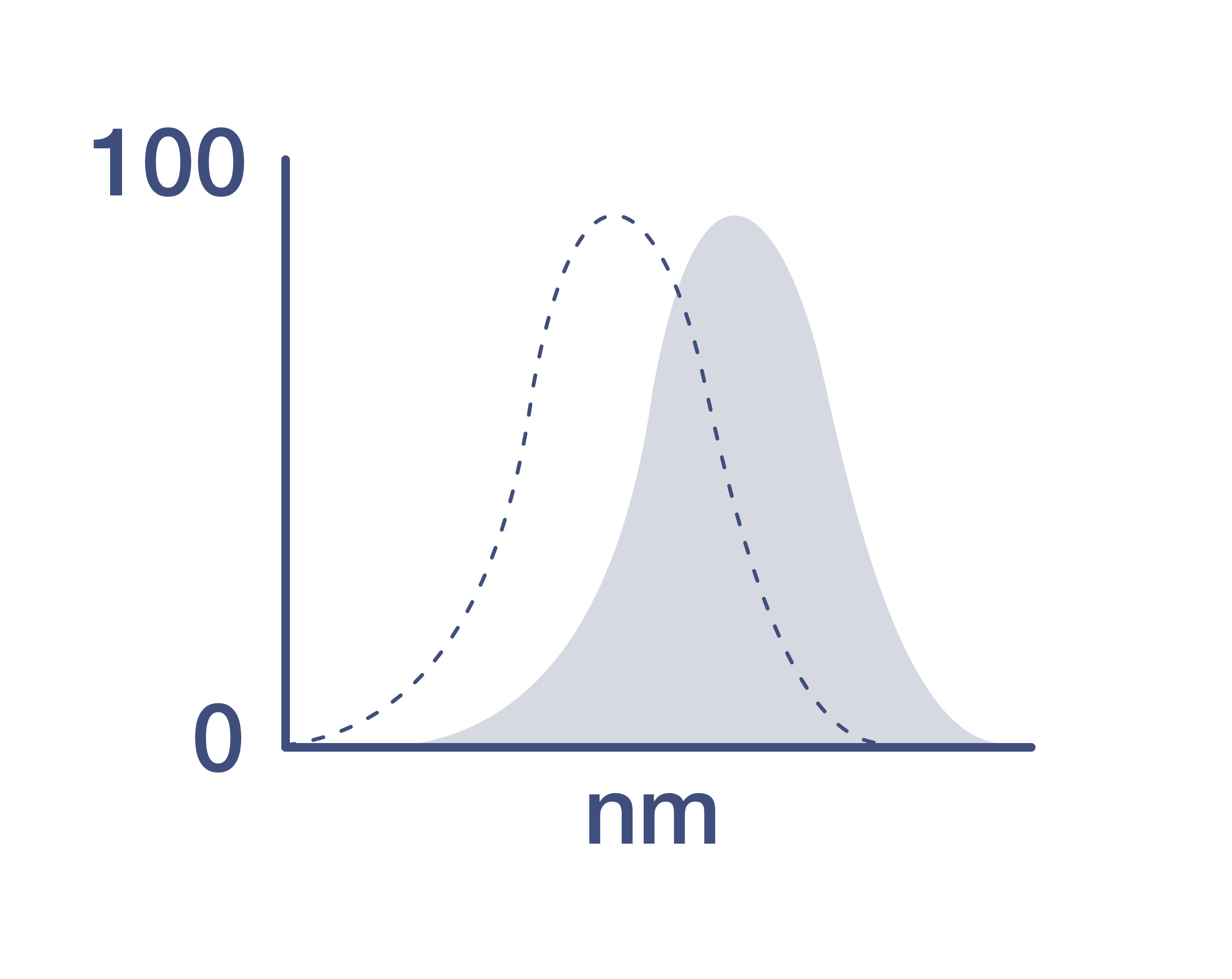
Excitation/Emission Max
565/576 nm
View spectra
Form
Lyophilized
Concentration
Conc. Not Determined
Purification
Protein A
Storage buffer
PBS with 1% BSA, 5% sucrose
Contains
0.09% sodium azide
Storage conditions
4°C, store in dark, DO NOT FREEZE!
Shipping conditions
Ambient (domestic); Wet ice (international)
RRID
Product Specific Information
Reconstitute with 1 mL of distilled water. After reconstitution, store product undiluted at 4°C in the dark.
For FACS analysis, use 10 µL of the suggested working dilution to label 1x10^6 cells in 100 µL.
Target Information
TLR4 is member of the Toll like receptor (TLR) family which plays a fundamental role in pathogen recognition and activation of innate immunity. TLRs are highly conserved from Drosophila to humans and share structural and functional similarities. This receptor is most abundantly expressed in placenta, and in myelomonocytic subpopulation of the leukocytes. Mammalian cells respond to LPS by activating TLR4. TLR4 belongs to the multi-protein complex of lipopolysaccharide (LPS) receptor, containing CD14, LY96 and TLR4, and is involved in signal transduction events induced by lipopolysaccharide (LPS) found in most gram-negative bacteria. TLR4 aids in the recognition of pathogen-associated molecular patterns (PAMPs) that are expressed on infectious agents, and mediate the production of cytokines necessary for the development of effective immunity. The various TLRs exhibit different patterns of expression. Mutations in the TLR4 gene have been associated with differences in LPS responsiveness. Also, several transcript variants of the TLR4 gene have been found, but the protein coding potential of most of them is uncertain. TLR4 is expressed by peripheral blood monocytes and a small population of B-cells and is also expressed in human placenta. Studies with TLR4-deficient mice indicate that the main ligand for TLR is lipopolysaccharide. Consequently, these mice also showed increased susceptibility to Gram-negative sepsis.
For Research Use Only. Not for use in diagnostic procedures. Not for resale without express authorization.
How to use the Panel Builder
Watch the video to learn how to use the Invitrogen Flow Cytometry Panel Builder to build your next flow cytometry panel in 5 easy steps.
References (0)
Have you cited this product in a publication?
Let us know so we can reference it here.
Bioinformatics
Protein Aliases: CD284; homolog of Drosophila toll; hToll; similar to the Drosophila Toll protein; LRR motif; similar to the cytoplasmic domain of IL-1 receptor; TLR4; toll like receptor 4 protein; Toll-like receptor 4; Toll-like receptor4 protein; toll/interleukin-l receptor (TIR) domain; unnamed protein product
Gene Aliases: ARMD10; CD284; EGK_07381; hToll; TLR-4; TLR4; TOLL
UniProt ID: (Human) O00206
Entrez Gene ID: (Rhesus monkey) 574360, (Pig) 399541, (Human) 7099, (Dog) 403417, (Guinea pig) 100724803
lipopolysaccharide receptor activity
transmembrane signaling receptor activity
NAD(P)+ nucleosidase activity
NAD+ nucleotidase, cyclic ADP-ribose generating
lipopolysaccharide binding
beta-amyloid binding
receptor binding
protein binding
signaling receptor activity
identical protein binding
protein heterodimerization activity
lipopolysaccharide-mediated signaling pathway
detection of lipopolysaccharide
interleukin-1 beta production
innate immune response
positive regulation of NLRP3 inflammasome complex assembly
activation of innate immune response
toll-like receptor signaling pathway
wound healing involved in inflammatory response
B cell proliferation involved in immune response
immune system process
nitric oxide production involved in inflammatory response
regulation of dendritic cell cytokine production
MyD88-dependent toll-like receptor signaling pathway
nitric oxide biosynthetic process
phagocytosis
defense response
inflammatory response
immune response
signal transduction
I-kappaB kinase/NF-kappaB signaling
JNK cascade
response to bacterium
gene expression
positive regulation of platelet activation
positive regulation of gene expression
astrocyte development
microglia differentiation
positive regulation of smooth muscle cell migration
detection of fungus
neurogenesis
signal transduction involved in regulation of gene expression
positive regulation of B cell proliferation
response to lipopolysaccharide
regulation of tumor necrosis factor production
negative regulation of interferon-gamma production
negative regulation of interleukin-17 production
negative regulation of interleukin-23 production
negative regulation of interleukin-6 production
negative regulation of tumor necrosis factor production
positive regulation of chemokine production
positive regulation of interferon-alpha production
positive regulation of interferon-beta production
positive regulation of interferon-gamma production
positive regulation of interleukin-1 beta production
positive regulation of interleukin-1 production
positive regulation of interleukin-10 production
positive regulation of interleukin-12 production
positive regulation of interleukin-6 production
positive regulation of interleukin-8 production
positive regulation of tumor necrosis factor production
positive regulation of stress-activated MAPK cascade
toll-like receptor 4 signaling pathway
regulation of toll-like receptor 4 signaling pathway
TRIF-dependent toll-like receptor signaling pathway
cellular response to platelet-derived growth factor stimulus
T-helper 1 type immune response
B cell proliferation
macrophage activation
defense response to bacterium
positive regulation of macrophage activation
positive regulation of I-kappaB kinase/NF-kappaB signaling
leukocyte activation
MHC class II biosynthetic process
positive regulation of MHC class II biosynthetic process
positive regulation of nitric oxide biosynthetic process
negative regulation of osteoclast differentiation
positive regulation of transcription from RNA polymerase II promoter
positive regulation of JNK cascade
lymphocyte proliferation
positive regulation of smooth muscle cell proliferation
positive regulation of lymphocyte proliferation
regulation of inflammatory response
positive regulation of inflammatory response
defense response to Gram-negative bacterium
positive regulation of NF-kappaB transcription factor activity
NK T cell activation
stress-activated MAPK cascade
detection of stimulus
intestinal epithelial structure maintenance
positive regulation of macrophage cytokine production
ERK1 and ERK2 cascade
negative regulation of ERK1 and ERK2 cascade
positive regulation of ERK1 and ERK2 cascade
nucleotide-binding oligomerization domain containing 1 signaling pathway
positive regulation of nucleotide-binding oligomerization domain containing 1 signaling pathway
nucleotide-binding oligomerization domain containing 2 signaling pathway
positive regulation of nucleotide-binding oligomerization domain containing 2 signaling pathway
cellular response to lipopolysaccharide
cellular response to lipoteichoic acid
cellular response to mechanical stimulus
cellular response to interferon-gamma
negative regulation of cold-induced thermogenesis
cellular response to oxidised low-density lipoprotein particle stimulus
negative regulation of cytokine production involved in inflammatory response
positive regulation of cytokine production involved in inflammatory response
positive regulation of reactive oxygen species biosynthetic process
positive regulation of cellular response to macrophage colony-stimulating factor stimulus
positive regulation of matrix metallopeptidase secretion
cellular response to beta-amyloid
positive regulation of chemokine (C-X-C motif) ligand 2 production
positive regulation of extrinsic apoptotic signaling pathway
Disclaimer

Clicking the images or links will redirect you to a website hosted by BenchSci that provides third-party scientific content. Neither the content nor the BenchSci technology and processes for selection have been evaluated by us; we are providing them as-is and without warranty of any kind, including for use or application of the Thermo Fisher Scientific products presented.

Performance Guarantee
If an Invitrogen™ antibody doesn't perform as described on our website or datasheet,we'll replace the product at no cost to you, or provide you with a credit for a future purchase.*
Learn more
We're here to help
Get expert recommendations for common problems or connect directly with an on staff expert for technical assistance related to applications, equipment and general product use.
Contact tech support