Search



Thermo Scientific™
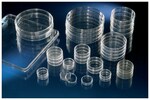
Nunc™ Cell Culture/Petri Dishes
広範囲のサイズおよびフォーマットでさまざまなアプリケーションに使用でき、多様な実験ニーズを満たします。


| 製品番号(カタログ番号) | 培養面積 | 表面処理 | 格子あり | 通気 |
|---|---|---|---|---|
| 174888 | 20.8平方cm | 細胞培養 | グリッドなし | エアベント付きの蓋 |
| 150318 | 8.8平方cm | Nunclon Delta | グリッドなし | エアベントなしの蓋 |
| 174926 | 8.8平方cm | Nunclon Delta | グリッドあり | エアベント付きの蓋 |
| 171099 | 8.8平方cm | 未処理 | グリッドなし | エアベント付きの蓋 |
| 150340 | 21.5平方cm | 未処理 | グリッドなし | エアベント付きの蓋 |
| 150326 | 21.5平方cm | Nunclon Delta | グリッドなし | エアベントなしの蓋 |
| 169558 | 21.5平方cm | Nunclon Delta | グリッドあり | エアベント付きの蓋 |
製品番号(カタログ番号) 174888
価格(JPY)
134,800
Online offer
Ends: 25-Dec-2026
224,700割引額 89,900 (40%)
Case of 500
培養面積:
20.8平方cm
表面処理:
細胞培養
格子あり:
グリッドなし
通気:
エアベント付きの蓋
Thermo Scientific™ Nunc™細胞培養ディッシュには、幅広いサイズとスタイルで、細胞培養ルーチンの多様な実験ニーズに対応します。Nunclon™ Delta表面処理を施したディッシュは、さまざまな用途に使用でき、幅広い種類の細胞による最大限の接着を促進できます。
機能:
- 上部と下部の積み重ね用リングにより、取り扱いがより簡単で、積み重ねがさらに安定
- 滅菌済かつパイロジェンフリー
- ガス交換のためのエアーベント付き、またはエアーベントなしから選択可
- クローニング実験や播種効率の測定のための2x2 mmグリッド
オーダー情報:
174926および169558は2x2 mmグリッド付き
171099 は Nunclon Delta 処理なし、細胞の懸濁培養用
内容:
生物学的性能とトレーサビリティをユーザーに保証する証明書。
保証:90日間
内部研究への使用制限に関する免責条項:この条件に関連するウェブページに掲載されている製品については、購入者が社内研究目的にのみ使用することを制限するものではありません。
仕様
キャップ色消去
クロージャー付属クロージャ―付属
クロージャー材質プラスチック製
格子ありグリッドなし
内容蓋
箱あたりの入数500/Cs.
パックあたり入数20 Pk.
数量10 Pk., 400/Cs.
形状丸型
タイプ細胞培養ディッシュ
通気エアベント付きの蓋
容量(メートル法)使用可能5 mL
底形状平底
容量(メートル法)5 mL(ウェル)
色消去
培養面積20.8平方cm
直径(メートル法)60 mm
高さ(メートル法)15 mm
材料プラスチック製
無菌性滅菌済
表面処理細胞培養
ウェルカウント1
Unit SizeCase of 500