Search




Thermo Scientific™
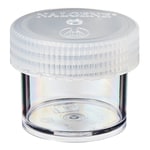
Nalgene™ Straight-Sided Wide-Mouth Polycarbonate Jars with Closure
これらの透明な PC 広口円筒容器は、ペーストや個体状のサンプルおよびラボ小物の保存に適しています。耐衝撃性が高く、幅広い用途にお使いいただけます。


| 製品番号(カタログ番号) | 容量(メートル法) | クロージャーサイズ |
|---|---|---|
| 2116-0060PK または、製品番号2116-0060 | 60 mL | 53 mm |
| 2116-0015PK または、製品番号2116-0015 | 15 mL | 38 mm |
| 2116-0030PK または、製品番号2116-0030 | 30 mL | 43 mm |
| 2116-0125PK または、製品番号2116-0125 | 125 mL | 70 mm |
| 2116-0250PK または、製品番号2116-0250 | 250 mL | 70 mm |
| 2116-0500PK | 500 mL | 120 mm |
| 2116-1000PK または、製品番号2116-1000 | 1000 mL | 120 mm |
製品番号(カタログ番号) 2116-0060PK
または、製品番号2116-0060
価格(JPY)
3,720
Pack of 4
容量(メートル法):
60 mL
クロージャーサイズ:
53 mm
Thermo Scientific™ Nalgene™ 広口円筒容器は透明度が高く、ペーストや個体状のサンプルおよびラボ小物の保存に適しています。温度範囲が広く(−135 °C ∼+135 °C)、これらの容器は低温室および冷蔵庫での使用やオートクレーブも可能です。耐衝撃性が高く、幅広い用途にお使いいただけます。液漏れ防止構造ではありません。
- 低温室および冷蔵庫での使用に最適 — 透明な本体でな要物の確認が容易
- 広口円筒形状により、サンプルの取り出しが簡単に行えます
- 15、30、および 60 mL の容器には、ナチュラル色ポリプロピレン製スクリューキャップが付いています
- 125 mL ~ 1 L の容器には、積み重ねられるように上面が窪んだ白色ポリプロピレン製スクリューキャップが付いています
- 液漏れ防止構造ではありません。輸送を伴う液体の保管には推奨しません。
- オートクレーブ可能/透明なボトル本体
仕様
容量2 oz., 60 mL
透明度Clear
クロージャー材質Polypropylene
クロージャーサイズ53 mm
キャップタイプScrew Cap
直径(ヤードポンド法)1.8 in.
直径(ヤードポンド法)内部ネック1.7 in.
直径(メートル法)47 mm
直径(メートル法)内部ネック44 mm
使用対象(アプリケーション)Storage
高さ(ヤードポンド法)1.9 in.
高さ(メートル法)45 mm
内容Cover
箱あたりの入数48
パックあたり入数4
重量(メートル法)26 g
容量(ヤードポンド法)2 oz.
容量(メートル法)60 mL
色Clear
材料Polycarbonate
口広口
製品タイプStraight-sided Jar
形状Round
Unit SizePack of 4