Search

Thermo Scientific™
Jump-In™ GripTite™ HEK 293 Kit
Jump-In™ GripTite™ HEK293 Kit を使用すると、Jump-In™ GripTite™ HEK293細胞株の特定の遺伝子改変済みR4部位を標的として遺伝子物質を統合し、従来の細胞工学手法よりも少ない労力かつ短時間で、アイソジェニック安定細胞株を作成できます詳細を見る
| 製品番号(カタログ番号) | 数量 |
|---|---|
| A14150 | 1キット |
製品番号(カタログ番号) A14150
価格(JPY)
1,537,000
Each
数量:
1キット
Jump-In™ GripTite™ HEK293 Kit を使用すると、Jump-In™ GripTite™ HEK293細胞株の特定の遺伝子改変済みR4部位を標的として遺伝子物質を統合し、従来の細胞工学手法よりも少ない労力かつ短時間で、アイソジェニック安定細胞株を作成できます。
GripTite™ HEK293細胞株のR4部位により可能になった高いリターゲティング効率により、クローン選択を必要とせずにアイソジェニックプールを使用した追加実験ができます。また、リターゲティング効率が高いため、目的遺伝子を発現する安定した陽性クローンを簡単に選択できます。
Jump-In™ GripTite™ HEK293キットを用いて以下のことが可能です。
• 従来の細胞工学法に比べ、約半分の時間で、安定的に設計されたアイソジェニック細胞プールを迅速かつ効率的に開発
• 遺伝子ファミリー、アイソフォーム、あるいはオルソログの比較分析に最適なソリューションとして、定義済みゲノム遺伝子座からのアイソジェニック発現を利用
• 作業フローが簡易なため、複数の細胞株を並行して生成
• 複雑なライセンスや制限なしに簡単に技術にアクセス
迅速かつ効率的な遺伝子改変細胞株の生成により時間を短縮
Jump-In™ GripTite™ HEK293キットを使用すると、手間のかかるクローン単離や解析を行うことなく、わずか2週間で機能的な細胞プールを生成でき、能率的なプロトコルによって複数の細胞株を同時に容易に生成できます。陽性クローンの割合が高いため、クローン細胞株の生成も時間と労力を削減して行うことができます。さらに、Jump-In™技術は、制約的なライセンス要件なしで無制限の細胞株を生成する自由を提供します。
実験能力を高める
Jump-In™ GripTite™ HEK293キットは、一過性遺伝子改変技術が問題となる細胞やアッセイのほか、「遺伝子改変」することが難しい細胞株に最適なソリューションを提供します。このキットは、遺伝子ファミリー、アイソフォーム、あるいはオルソログの標的パネルを作製する際にも便利です。Gateway™デスティネーションベクターは大きなインサートでも可能なため、大きなタンパク質やマルチユニットタンパク質の遺伝子コーディングは問題ありません。
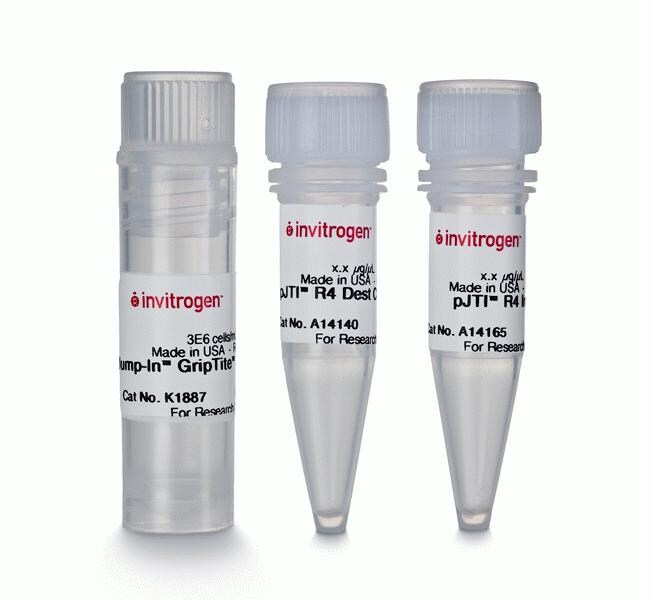
このキットには、以下のものが含まれます:
• pJTI™ R4 Dest CMV pAベクター(100 µg)
• pJTI™ R4 Intベクター(100 µg)
• Jump-In™ GripTite™ HEK293細胞(2バイアル、各1 mL)
研究用途にのみご使用ください。ヒトまたは動物の治療もしくは診断用には使用できません。
GripTite™ HEK293細胞株のR4部位により可能になった高いリターゲティング効率により、クローン選択を必要とせずにアイソジェニックプールを使用した追加実験ができます。また、リターゲティング効率が高いため、目的遺伝子を発現する安定した陽性クローンを簡単に選択できます。
Jump-In™ GripTite™ HEK293キットを用いて以下のことが可能です。
• 従来の細胞工学法に比べ、約半分の時間で、安定的に設計されたアイソジェニック細胞プールを迅速かつ効率的に開発
• 遺伝子ファミリー、アイソフォーム、あるいはオルソログの比較分析に最適なソリューションとして、定義済みゲノム遺伝子座からのアイソジェニック発現を利用
• 作業フローが簡易なため、複数の細胞株を並行して生成
• 複雑なライセンスや制限なしに簡単に技術にアクセス
迅速かつ効率的な遺伝子改変細胞株の生成により時間を短縮
Jump-In™ GripTite™ HEK293キットを使用すると、手間のかかるクローン単離や解析を行うことなく、わずか2週間で機能的な細胞プールを生成でき、能率的なプロトコルによって複数の細胞株を同時に容易に生成できます。陽性クローンの割合が高いため、クローン細胞株の生成も時間と労力を削減して行うことができます。さらに、Jump-In™技術は、制約的なライセンス要件なしで無制限の細胞株を生成する自由を提供します。
実験能力を高める
Jump-In™ GripTite™ HEK293キットは、一過性遺伝子改変技術が問題となる細胞やアッセイのほか、「遺伝子改変」することが難しい細胞株に最適なソリューションを提供します。このキットは、遺伝子ファミリー、アイソフォーム、あるいはオルソログの標的パネルを作製する際にも便利です。Gateway™デスティネーションベクターは大きなインサートでも可能なため、大きなタンパク質やマルチユニットタンパク質の遺伝子コーディングは問題ありません。
このキットには、以下のものが含まれます:
• pJTI™ R4 Dest CMV pAベクター(100 µg)
• pJTI™ R4 Intベクター(100 µg)
• Jump-In™ GripTite™ HEK293細胞(2バイアル、各1 mL)
研究用途にのみご使用ください。ヒトまたは動物の治療もしくは診断用には使用できません。
研究用途にのみご使用ください。診断目的には使用できません。
仕様
細胞株Jump-In™ GripTite™ Hek293
供給タイプTransfection
発現システム哺乳動物
使用対象(アプリケーション)タンパク質発現、アッセイ開発
主機能安定した細胞株の開発、ターゲットの統合
製品ラインJump-In
製品タイプHEK293キット
数量1キット
選択剤(真核生物)Geneticin™(G-418)、ハイグロマイシン
システムタイプJump-In™
フォーマットキット
プロモーターCMV
Unit SizeEach
組成および保存条件
このキットの内容:
Jump-In™ GripTite™ HEK293細胞
pJTI™ R4 Int(インテグラーゼベクター)
pJTI™ R4 DEST CMV pA(デスティネーションベクター)
受け取り後、細胞は液体窒素に保存し、ベクターは-20℃で保存してください。-80℃で保存された細胞は、生存能力を迅速に失います。
Jump-In™ GripTite™ HEK293細胞
pJTI™ R4 Int(インテグラーゼベクター)
pJTI™ R4 DEST CMV pA(デスティネーションベクター)
受け取り後、細胞は液体窒素に保存し、ベクターは-20℃で保存してください。-80℃で保存された細胞は、生存能力を迅速に失います。