Search


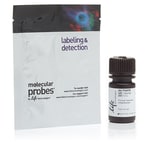
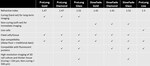


ProLong Diamond退色防止用封入剤は、グリセロールベースの液体封入剤であり、顕微鏡スライド上の蛍光標識細胞や組織サンプルに直接塗布します。DNA染色剤なし、または青色DNA染色剤のDAPI、または深紅色DNA染色剤のSYTOX Deep Redで構成されています。ProLong Diamond封入剤は、可視および赤外スペクトル全域にわたって卓越した退色保護を提供するように設計されています。ProLong Diamond封入剤は、ほぼすべての蛍光色素や蛍光タンパク質(GFP、RFP、mCherryなど)と組み合わせることができ、高解像度の明るい蛍光画像を得るために、非常に輝度の高いシグナルと低いバックグラウンドを実現します。
ProLong Diamond退色防止用封入剤には、以下の特長があります:
•可視及びIRスペクトル全域にわたり、蛍光色素や蛍光タンパク質を退色から守ります
• 長期保存用に硬化する、すぐに使用可能な液体
• Alexa Fluor、FITCやCy3などの従来の色素、およびGFP、RFP、mCherryなどの蛍光タンパク質に最適です
• マウントされたサンプルは数ヶ月間安定しています
• 蛍光シグナルの維持—ほとんど、もしくはまったく消光しません
ProLong Antifade 封入剤の詳細をご覧ください。
油浸漬対物イメージング用に最適化された1.52 屈折率を持つ封入剤については ProLong Glass退色防止用封入剤 または非硬化 SlowFade Glass ソフトセット Antifade Mountant封入剤の硬化をお試しください。
ProLong Diamond退色防止用封入剤は、すでに混合されており、DNA染色の有無にかかわらず、ドロッパーボトルまたは10 mLボトルですぐに使用できます。DAPI染色剤は、DNAに結合すると、UV光によって360 nmで励起され、460 nmで最大の発光を示し、DAPI従来のフィルターを使用して検出します。SYTOX Deep Red染色剤は、DNAに結合すると660 nmの赤色光によって励起し、最大発光波長は682 nmで、Cy5/濃赤の従来型フィルターを使用して検出されます。サンプルに一滴垂らしてカバースリップを載せた後、硬化させてイメージングするだけです。ProLong Diamond封入剤は、ほぼ完璧な光路(1.47 RI)を形成する硬化性封入剤であり、光退色を防ぎながらサンプルを長期間保存するのに役立ちます。ProLong Diamond封入剤は、硬化および長期保存時に変色または収縮しないため、スライドを取り付けてから数週間後または数ヶ月後であっても、高品質の蛍光画像を取得できます。
可視および赤外スペクトル全域にわたって、光退色を防止します
ProLong Diamond封入剤は、どの蛍光色素や蛍光タンパク質を使用している場合でも、光退色に対する優れた保護機能を提供します。最高クラスの性能は、Alexa Fluor色素、FITC、TRTC、Texasレッド、Cy3、Cy5 などの幅広い蛍光色素との組み合わせで実証されています。ProLong Diamond封入剤は蛍光色素を消光しません。また、バックグラウンドを持たない明るいシグナルを提供するため、発表に最適な品質の高解像度画像を得ることができます。
イメージング中および長期保存用の安定したシグナル
ProLong Diamond封入剤は、蛍光色素または蛍光タンパク質を使用したサンプルの保存に最適なオプションです。また、長時間のイメージングセッション中(たとえば、共焦点レーザースキャン照明下でスキャンを繰り返す場合など)や超高解像度顕微鏡を使用するときに信号強度を維持するためにも最適な選択肢です。さらに、染色したサンプルやマウントから余分な水分を除去するだけという使いやすさも兼ね備えています。サンプルをすぐに確認するには、非硬化性封入剤であるSlowFade Diamond退色防止用封入剤をお選びください。
優れた屈折率マッチングによる鮮明な画像の実現
最新の高解像度イメージングアプリケーションでは、屈折率(RI)マッチングが重要です。ProLong Diamond封入剤の硬化後屈折率は1.47です。さらに、この硬化特性は、扱いにくいアクリル樹脂(すなわち、爪に塗るマニキュア液)を使用する必要がないことを意味します。このような樹脂が最新顕微鏡の対物レンズに接触すると、損傷または破壊される可能性があります。
ProLong Diamond退色防止用封入剤には、以下の特長があります:
•可視及びIRスペクトル全域にわたり、蛍光色素や蛍光タンパク質を退色から守ります
• 長期保存用に硬化する、すぐに使用可能な液体
• Alexa Fluor、FITCやCy3などの従来の色素、およびGFP、RFP、mCherryなどの蛍光タンパク質に最適です
• マウントされたサンプルは数ヶ月間安定しています
• 蛍光シグナルの維持—ほとんど、もしくはまったく消光しません
ProLong Antifade 封入剤の詳細をご覧ください。
油浸漬対物イメージング用に最適化された1.52 屈折率を持つ封入剤については ProLong Glass退色防止用封入剤 または非硬化 SlowFade Glass ソフトセット Antifade Mountant封入剤の硬化をお試しください。
ProLong Diamond退色防止用封入剤は、すでに混合されており、DNA染色の有無にかかわらず、ドロッパーボトルまたは10 mLボトルですぐに使用できます。DAPI染色剤は、DNAに結合すると、UV光によって360 nmで励起され、460 nmで最大の発光を示し、DAPI従来のフィルターを使用して検出します。SYTOX Deep Red染色剤は、DNAに結合すると660 nmの赤色光によって励起し、最大発光波長は682 nmで、Cy5/濃赤の従来型フィルターを使用して検出されます。サンプルに一滴垂らしてカバースリップを載せた後、硬化させてイメージングするだけです。ProLong Diamond封入剤は、ほぼ完璧な光路(1.47 RI)を形成する硬化性封入剤であり、光退色を防ぎながらサンプルを長期間保存するのに役立ちます。ProLong Diamond封入剤は、硬化および長期保存時に変色または収縮しないため、スライドを取り付けてから数週間後または数ヶ月後であっても、高品質の蛍光画像を取得できます。
可視および赤外スペクトル全域にわたって、光退色を防止します
ProLong Diamond封入剤は、どの蛍光色素や蛍光タンパク質を使用している場合でも、光退色に対する優れた保護機能を提供します。最高クラスの性能は、Alexa Fluor色素、FITC、TRTC、Texasレッド、Cy3、Cy5 などの幅広い蛍光色素との組み合わせで実証されています。ProLong Diamond封入剤は蛍光色素を消光しません。また、バックグラウンドを持たない明るいシグナルを提供するため、発表に最適な品質の高解像度画像を得ることができます。
イメージング中および長期保存用の安定したシグナル
ProLong Diamond封入剤は、蛍光色素または蛍光タンパク質を使用したサンプルの保存に最適なオプションです。また、長時間のイメージングセッション中(たとえば、共焦点レーザースキャン照明下でスキャンを繰り返す場合など)や超高解像度顕微鏡を使用するときに信号強度を維持するためにも最適な選択肢です。さらに、染色したサンプルやマウントから余分な水分を除去するだけという使いやすさも兼ね備えています。サンプルをすぐに確認するには、非硬化性封入剤であるSlowFade Diamond退色防止用封入剤をお選びください。
優れた屈折率マッチングによる鮮明な画像の実現
最新の高解像度イメージングアプリケーションでは、屈折率(RI)マッチングが重要です。ProLong Diamond封入剤の硬化後屈折率は1.47です。さらに、この硬化特性は、扱いにくいアクリル樹脂(すなわち、爪に塗るマニキュア液)を使用する必要がないことを意味します。このような樹脂が最新顕微鏡の対物レンズに接触すると、損傷または破壊される可能性があります。
研究用にのみ使用できます。診断用には使用いただけません。
仕様
概要ProLong™ Diamond Antifade Mountant, 1 x 10 mL
数量10 mL
出荷条件室温またはウェットアイスでの出荷
製品ラインProLong
製品タイプAntifade Mountant
試薬タイプ抗褪色溶液
容量(メートル法)10 mL
Unit SizeEach
組成および保存条件
10 mLボトル1本。
•2~8℃で保存してください。
•要遮光
•製品到着後、6カ月以上安定
•2~8℃で保存してください。
•要遮光
•製品到着後、6カ月以上安定
よくあるご質問(FAQ)
What is the difference between ProLong and SlowFade antifade reagents?
If I use ProLong Gold Antifade Mountant to mount my slides, should I seal the edges?
Some antifade mounting media stay as liquid whereas others harden. What is the benefit of having one that hardens?
I mounted my cells in ProLong antifade mounting medium, but now I want to go back and re-label them. Is there a way I can unmount the coverslip after it has cured (hardened)?
I am using ProLong antifade mounting medium. Do I need to let it cure before imaging? Do I need to seal the edges of the coverslip?
引用および参考文献 (96)
引用および参考文献
Abstract
Intranasal administration of rotenone in mice attenuated olfactory functions through the lesion of dopaminergic neurons in the olfactory bulb.
Journal:
PubMed ID:26493152
'Many environmental chemicals are thought to affect brain function. It was reported that chemicals in the nasal cavity directly reach the brain through the connection between olfactory neurons and the olfactory bulb (OB). In this ''olfactory transport,'' xenobiotics absorbed at the nasal mucosa reach the brain by bypassing some physical
Chemically Defined Culture and Cardiomyocyte Differentiation of Human Pluripotent Stem Cells.
Journal:
PubMed ID:26439715
'Since the first discovery that human pluripotent stem cells (hPS cells) can differentiate to cardiomyocytes, efforts have been made to optimize the conditions under which this process occurs. One of the most effective methodologies to optimize this process is reductionist simplification of the medium formula, which eliminates complex animal-derived components
Actin Cytoskeletal Organization in Drosophila Germline Ring Canals Depends on Kelch Function in a Cullin-RING E3 Ligase.
Journal:
PubMed ID:26384358
'The Drosophila Kelch protein is required to organize the ovarian ring canal cytoskeleton. Kelch binds and cross-links F-actin in vitro, and it also functions with Cullin 3 (Cul3) as a component of a ubiquitin E3 ligase. How these two activities contribute to cytoskeletal remodeling in vivo is not known. We
Visualizing hypothalamic network dynamics for appetitive and consummatory behaviors.
Journal:
PubMed ID:25635459
'Optimally orchestrating complex behavioral states, such as the pursuit and consumption of food, is critical for an organism''s survival. The lateral hypothalamus (LH) is a neuroanatomical region essential for appetitive and consummatory behaviors, but whether individual neurons within the LH differentially contribute to these interconnected processes is unknown. Here, we
Rhinovirus Load Is High despite Preserved Interferon-ß Response in Cystic Fibrosis Bronchial Epithelial Cells.
Journal:
PubMed ID:26599098
'Lung disease in cystic fibrosis (CF) is often exacerbated following acute upper respiratory tract infections caused by the human rhinovirus (HRV). Pathophysiology of these exacerbations is presently unclear and may involve deficient innate antiviral or exaggerated inflammatory responses in CF airway epithelial cells. Furthermore, responses of CF cells to HRV