Search


Invitrogen™
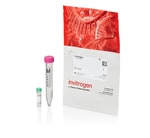
SiteClick™ sDIBO Alkyne Kits for Antibody Labeling
SiteClick™ケミストリーを使用して、Alexa Fluor™、pHrodo™、およびBiotin sDIBO Alkyneタグをアジド修飾抗体に簡単に接続できます。


| 製品番号(カタログ番号) | 標識または色素 | 標識スケール |
|---|---|---|
| S10909 | Alexa Fluor™ 488 | 5 mg |
| C20027 | Alexa Fluor™ 488 | 100~250 µg |
| C20029 | Alexa Fluor™ 647 | 100~250 µg |
| C20031 | 第一級アミン | 100~250 µg |
| C20034 | pHrodo™ iFL Red | 100~250 µg |
| S10902 | ビオチン | 1 mg |
| S10903 | pHrodo™ iFL Red | 1 mg |
| S10904 | Alexa Fluor™ 488 | 1 mg |
| S10906 | Alexa Fluor™ 647 | 1 mg |
| S10907 | ビオチン | 5 mg |
| S10908 | pHrodo™ iFL Red | 5 mg |
| S10911 | Alexa Fluor™ 647 | 5 mg |
| S10914 | pHrodo™ Deep Red | 100~250 µg |
| S10915 | pHrodo™ Deep Red | 1 mg |
| C20028 | Alexa Fluor™ 555 | 100~250 µg |
| C20030 | ビオチン | 100~250 µg |
製品番号(カタログ番号) S10909
価格(JPY)
151,000
Each
標識または色素:
Alexa Fluor™ 488
標識スケール:
5 mg
抗体標識用SiteClick sDIBO Alkynesを使用して、部位特異的に標識された抗体コンジュゲートを生成します。当社のSiteClick sDIBO抗体標識キットは、SiteClick Azido Modificationキット(S20026、S10900、S10901は別売り)と併用するように最適化されており、100 μg、1 mgまたは5 mgのアジド修飾IgG抗体を用いてSiteClick sDIBO Alkyneラベルを結合反応させるための試薬が十分用意されています。SiteClick sDIBO Alkynes for Antibody Labelingは、銅フリーClickケミストリーを採用しており、Alexa Fluor色素、pHrodo色素、またはビオチンで標識されたジベンゾサイクリン(sDIBO)をアジド修飾抗体に共有結合します。この標識は、抗体に貼り付けた場合、抗原結合ドメインから離れた場所に位地します。
SiteClick sDIBO Alkyneラベルの使用により、共有標識抗体コンジュゲートを独自に作成できます。これは、アジド修飾抗体での使用を目的としています。SiteClick sDIBO Alkyne抗体標識キットには、sDIBO Alkyneおよび抗体濃縮装置が含まれており、Alexa FluorおよびpHrodo色素、ビオチンまたは分子の銅フリー共有結合を可能にします。SiteClick Antibody Azido Modification Kit(カタログ番号S20026、S10900、S10901)では、抗原結合ドメインから遠く離れた重鎖N結合グリカンに標識が生じることで、個別標識反応と複数抗体種およびサブタイプとの間で優れた再現性を示すことができます。抗体標識用SiteClick sDIBOアルキンキットは、100 μg、1 mg、または5 mgのアジド修飾IgG抗体を共有結合させることができるよう、コンジュゲーション反応に最適化されています。
SiteClick Antibody Azido Modification Kit(カタログ番号S20026、S10900、S10901)は、非標識IgG抗体の重鎖へのアジド部位に付着させる場合に推奨されます。また、アジド部分を含むその他の設計抗体も適しています。
SiteClick Antibody Azido Modification Kitと併用した場合、抗体標識用のSiteClick sDIBOアルキンキットは、アッセイに応じて、抗体の異なる蛍光ラベルの試用、ストレプトアビジンによる他の分子の付着、アミン反応部位による独自の分子の付着などのオプションが選択できます。当社のsDIBOアルキンは、当社オリジナルのDIBOシクロオクチンの改良版であり、「粘着性」が低く、生体サンプル中のシグナルバックグラウンドが低いコンジュゲートを生成します。
SiteClick Antibody Azido Modification Kit(カタログ番号S20026、S10900、S10901)は、非標識IgG抗体の重鎖へのアジド部位に付着させる場合に推奨されます。また、アジド部分を含むその他の設計抗体も適しています。
SiteClick Antibody Azido Modification Kitと併用した場合、抗体標識用のSiteClick sDIBOアルキンキットは、アッセイに応じて、抗体の異なる蛍光ラベルの試用、ストレプトアビジンによる他の分子の付着、アミン反応部位による独自の分子の付着などのオプションが選択できます。当社のsDIBOアルキンは、当社オリジナルのDIBOシクロオクチンの改良版であり、「粘着性」が低く、生体サンプル中のシグナルバックグラウンドが低いコンジュゲートを生成します。
研究用途にのみご使用ください。診断目的には使用できません。
仕様
化学反応性アジド
励起/発光490/525
フィルタータイプGFP
フローサイトメーターレーザーライン青色
キット内容250 μL DMSOおよび抗体濃縮装置1台に抗体標識用のSiteClick Alexa Fluor 488 sDIBO Alkyneを1バイアル含みます
標識法クリックケミストリー
標識スケール5 mg
標識標的アジド修飾抗体
標識または色素Alexa Fluor™ 488
数量for 5 mg of Ab
反応性部分sDIBOアルキン
出荷条件湿氷
色Green
製品ラインAlexa Fluor, SiteClick
Unit SizeEach
組成および保存条件
冷蔵庫(2℃~8℃)に保存し、遮光してください。