Search
Invitrogen
NOTCH1 Monoclonal Antibody (mN1A), PE, eBioscience™
{{$productOrderCtrl.translations['antibody.pdp.commerceCard.promotion.promotions']}}
{{$productOrderCtrl.translations['antibody.pdp.commerceCard.promotion.viewpromo']}}
{{$productOrderCtrl.translations['antibody.pdp.commerceCard.promotion.promocode']}}: {{promo.promoCode}} {{promo.promoTitle}} {{promo.promoDescription}}. {{$productOrderCtrl.translations['antibody.pdp.commerceCard.promotion.learnmore']}}
Additional Information:
{{banner.description}}

FIGURE: 1 / 1
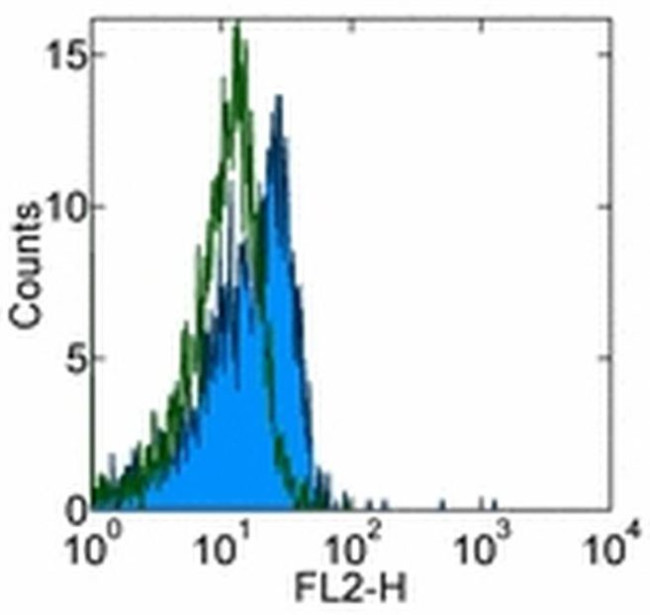
NOTCH1 Antibody (12-5785-82) in Flow
Intracellular staining of C57BL/6 thymocytes with 0.06 µg of Mouse IgG1 kappa Isotype Control PE (Product # 12-4714-81) (open histogram) or 0.125 µg of Anti-Human/Mouse Notch1 PE (filled histogram) using the Intracellular Fixation & Permeabilization Buffer Set (Product # 88-8824-00) and protocol. CD4-CD8. thymocytes were used for analysis.

Please note: We are reviewing Western blot images included in the antibody testing data in our catalog, including those provided by third parties. Unless expressly labeled or annotated as “raw-unedited”, Western blot images included in the antibody testing data in our catalog may have been edited, optimized or otherwise adjusted for presentation.
Product Details
12-5785-82
Applications
Tested Dilution
Publications
Product Specifications
Species Reactivity
Human,
Mouse
Published species
Human
Host/Isotype
Mouse
/ IgG1, kappa
Recommended Isotype Control
Class
Monoclonal
Type
Antibody
Clone
mN1A
Conjugate
PE
PE
PE
Excitation/Emission Max
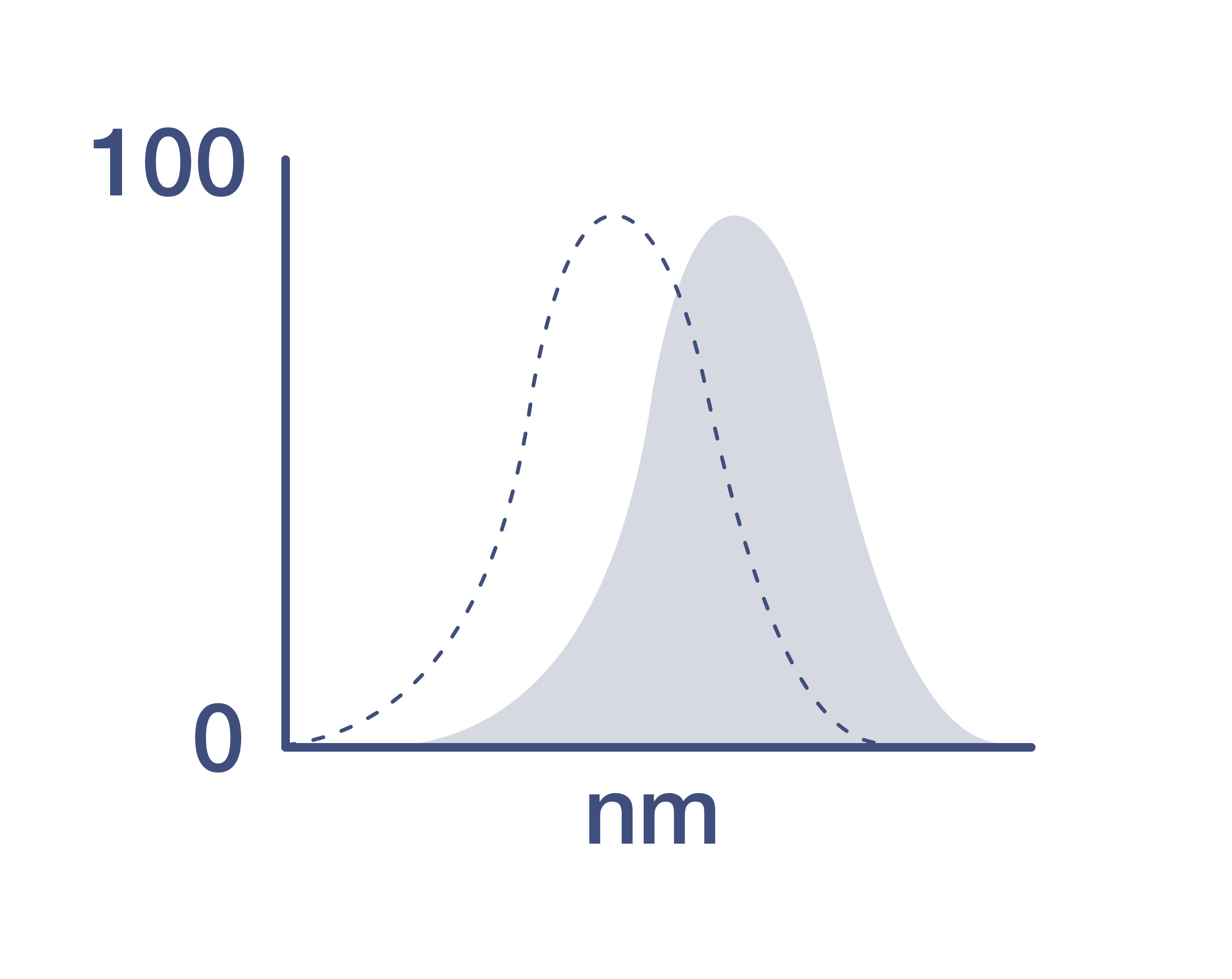
565/576 nm
View spectra
Form
Liquid
Concentration
0.2 mg/mL
Amount
100 µg
Purification
Affinity chromatography
Storage buffer
PBS, pH 7.2
Contains
0.09% sodium azide
Storage conditions
4°C, store in dark, DO NOT FREEZE!
Shipping conditions
Ambient (domestic); Wet ice (international)
RRID
Product Specific Information
Description: The Notch family of transmembrane receptors controls cell-fate decisions during the development of many organs in a wide variety of species. After binding its ligand, the Notch receptor is cleaved in its transmembrane domain, and the resulting intracellular domain dissociates from the membrane and translocates to the nucleus, where it is able to suppress the expression of lineage-specific genes by interacting with transcriptional repressors. The mN1A antibody reacts with the intracellular domain of mouse and human Notch1, but not with Notch2, 3, or 4. The mN1A antibody has a low affinity for the full-length (unprocessed or heterodimeric cell surface) forms of Notch1. In the mouse, Notch mRNA is expressed in mouse hematopoietic cells of the fetal liver and adult thymus and bone marrow. In the thymus, Notch1 protein is detected in CD4-CD8- (double-negative) and CD4-CD8+ (single-positive) thymocytes. Studies of Notch1-transgenic cells and Notch1-null mice indicate that the receptor is involved in the regulation of lymphopoiesis and myelopoiesis.
Applications Reported: This mN1A antibody has been reported for use in intracellular staining followed by flow cytometric analysis.
Applications Tested: This mN1A antibody has been tested by intracellular staining and flow cytometric analysis of mouse thymocytes using the Intracellular Fixation & Permeabilization Buffer Set (Product # 88-8824-00)and protocol. Please refer to BestProtocols®: Protocol A: Two step protocol for (cytoplasmic) intracellular proteins located under the Resources Tab online. This can be used at less than or equal to 0.25 µg per test. A test is defined as the amount (µg) of antibody that will stain a cell sample in a final volume of 100 µL. Cell number should be determined empirically but can range from 10^5 to 10^8 cells/test. It is recommended that the antibody be carefully titrated for optimal performance in the assay of interest.
Excitation: 488-561 nm; Emission: 578 nm; Laser: Blue Laser, Green Laser, Yellow-Green Laser.
Filtration: 0.2 µm post-manufacturing filtered.
Target Information
The notch gene belongs to a family of epidermal growth factor (EGF) like homeotic genes, which encode transmembrane proteins with a variable number of cysteine-rich EGF-like repeats in the extracellular region. Four notch genes have been described in mammals: Notch1, Notch2, Notch3 and Notch4(Int-3), which have been implicated in the differentiation of the nervous system and other structures. The EGF-like proteins Delta and Serrate have been identified as ligands of Notch1. Mature Notch proteins are heterodimeric receptors derived from the cleavage of Notch pre-proteins into an extracellular subunit (NEC) containing multiple EGF-like repeats and a transmembrane subunit including intracellular region (Ntm).
For Research Use Only. Not for use in diagnostic procedures. Not for resale without express authorization.
How to use the Panel Builder
Watch the video to learn how to use the Invitrogen Flow Cytometry Panel Builder to build your next flow cytometry panel in 5 easy steps.
Bioinformatics
Protein Aliases: major type A protein; Motch A; mT14; neuro cell differentiation; notch 1; Notch gene homolog 1; Notch homolog 1, translocation-associated; Notch-like protein 1; NOTCH1; p300; RP23-306D20.12; RP23-306D20.12-001; TAN1; translocation-associated notch protein TAN-1; unnamed protein product
Gene Aliases: 9930111A19Rik; AOS5; AOVD1; hN1; lin-12; Mis6; N1; TAN1
UniProt ID: (Human) P46531, (Mouse) Q01705
Entrez Gene ID: (Human) 4851, (Mouse) 18128
chromatin binding
transcription coactivator activity
enzyme inhibitor activity
transmembrane signaling receptor activity
Notch binding
calcium ion binding
protein binding
enzyme binding
chromatin DNA binding
signaling receptor activity
identical protein binding
transcription regulator activator activity
negative regulation of transcription from RNA polymerase II promoter
angiogenesis
luteolysis
in utero embryonic development
cell fate specification
epithelial to mesenchymal transition
liver development
heart looping
morphogenesis of an epithelial sheet
sprouting angiogenesis
osteoblast fate commitment
positive regulation of neuroblast proliferation
epithelial cell development
inflammatory response to antigenic stimulus
outflow tract morphogenesis
endocardium development
endocardium morphogenesis
atrioventricular node development
coronary vein morphogenesis
aortic valve morphogenesis
atrioventricular valve morphogenesis
coronary sinus valve morphogenesis
pulmonary valve morphogenesis
mitral valve formation
endocardial cushion development
epithelial to mesenchymal transition involved in endocardial cushion formation
endocardial cushion morphogenesis
cardiac chamber formation
cardiac ventricle morphogenesis
cardiac atrium morphogenesis
cardiac right atrium morphogenesis
cardiac left ventricle morphogenesis
cardiac right ventricle formation
ventricular trabecula myocardium morphogenesis
growth involved in heart morphogenesis
regulation of cardioblast proliferation
cell migration involved in endocardial cushion formation
negative regulation of extracellular matrix constituent secretion
pericardium morphogenesis
regulation of transcription, DNA-templated
regulation of transcription from RNA polymerase II promoter
protein import into nucleus
humoral immune response
Notch signaling pathway
positive regulation of transcription of Notch receptor target
spermatogenesis
determination of left/right symmetry
compartment pattern specification
axonogenesis
axon guidance
foregut morphogenesis
endoderm development
heart development
positive regulation of cell proliferation
negative regulation of cell proliferation
epidermis development
regulation of Notch signaling pathway
auditory receptor cell fate commitment
glial cell differentiation
gene expression
regulation of gene expression
negative regulation of cardiac muscle hypertrophy
positive regulation of gene expression
negative regulation of gene expression
negative regulation of cardiac muscle cell apoptotic process
positive regulation of epithelial to mesenchymal transition
positive regulation of cell development
negative regulation of cell-substrate adhesion
negative regulation of myotube differentiation
mesenchymal cell development
regulation of somitogenesis
cell differentiation in spinal cord
neural tube development
cell differentiation
protein catabolic process
neuron differentiation
keratinocyte differentiation
negative regulation of ossification
lung development
embryonic limb morphogenesis
regulation of cell migration
positive regulation of cell migration
positive regulation of BMP signaling pathway
negative regulation of BMP signaling pathway
positive regulation of epithelial cell differentiation
forebrain development
hair follicle morphogenesis
organ regeneration
response to muramyl dipeptide
response to lipopolysaccharide
negative regulation of collagen biosynthetic process
embryonic hindlimb morphogenesis
tube formation
epithelial cell differentiation involved in kidney development
skeletal muscle cell differentiation
cellular response to vascular endothelial growth factor stimulus
regulation of cell proliferation
tissue regeneration
regulation of apoptotic process
positive regulation of apoptotic process
negative regulation of programmed cell death
negative regulation of catalytic activity
positive regulation of viral genome replication
cell fate commitment
negative regulation of cell differentiation
positive regulation of endothelial cell differentiation
regulation of auditory receptor cell differentiation
negative regulation of auditory receptor cell differentiation
positive regulation of keratinocyte differentiation
negative regulation of myoblast differentiation
negative regulation of neuron differentiation
negative regulation of osteoblast differentiation
positive regulation of glial cell differentiation
positive regulation of Notch signaling pathway
negative regulation of transcription, DNA-templated
positive regulation of transcription, DNA-templated
positive regulation of transcription from RNA polymerase II promoter
negative regulation of calcium ion-dependent exocytosis
positive regulation of JAK-STAT cascade
negative regulation of photoreceptor cell differentiation
positive regulation of Ras protein signal transduction
somatic stem cell division
developmental growth
reproductive structure development
neuron fate commitment
astrocyte differentiation
oligodendrocyte differentiation
positive regulation of astrocyte differentiation
negative regulation of oligodendrocyte differentiation
branching morphogenesis of an epithelial tube
artery morphogenesis
venous blood vessel morphogenesis
homeostasis of number of cells within a tissue
regulation of epithelial cell proliferation
positive regulation of epithelial cell proliferation
regulation of neurogenesis
negative regulation of neurogenesis
regulation of developmental process
positive regulation of smooth muscle cell differentiation
cardiac muscle tissue morphogenesis
cardiac muscle cell proliferation
positive regulation of cardiac muscle cell proliferation
negative regulation of glial cell proliferation
cilium morphogenesis
cardiac epithelial to mesenchymal transition
negative regulation of cell adhesion molecule production
cardiac muscle cell myoblast differentiation
cardiac septum morphogenesis
ventricular septum morphogenesis
secretory columnal luminar epithelial cell differentiation involved in prostate glandular acinus development
prostate gland epithelium morphogenesis
regulation of epithelial cell proliferation involved in prostate gland development
arterial endothelial cell differentiation
venous endothelial cell differentiation
cardiac vascular smooth muscle cell development
endocardial cell differentiation
vasculogenesis involved in coronary vascular morphogenesis
coronary artery morphogenesis
regulation of cell adhesion involved in heart morphogenesis
heart trabecula morphogenesis
positive regulation of cardiac epithelial to mesenchymal transition
negative regulation of biomineral tissue development
positive regulation of ERK1 and ERK2 cascade
left/right axis specification
cellular response to tumor cell
cellular response to follicle-stimulating hormone stimulus
cellular response to hypoxia
glomerulus vasculature development
distal tubule development
collecting duct development
nephron tubule development
glomerular mesangial cell development
T-helper 17 type immune response
negative regulation of cell migration involved in sprouting angiogenesis
negative regulation of canonical Wnt signaling pathway
neuronal stem cell population maintenance
interleukin-17-mediated signaling pathway
chemical synaptic transmission, postsynaptic
negative regulation of cold-induced thermogenesis
positive regulation of ephrin receptor signaling pathway
regulation of extracellular matrix assembly
apoptotic process involved in embryonic digit morphogenesis
positive regulation of apoptotic process involved in morphogenesis
positive regulation of aorta morphogenesis
negative regulation of cell-cell adhesion mediated by cadherin
regulation of cell proliferation involved in heart morphogenesis
negative regulation of cell proliferation involved in heart morphogenesis
negative regulation of stem cell differentiation
negative regulation of anoikis
negative regulation of pro-B cell differentiation
negative regulation of endothelial cell chemotaxis
immune response
Disclaimer

Clicking the images or links will redirect you to a website hosted by BenchSci that provides third-party scientific content. Neither the content nor the BenchSci technology and processes for selection have been evaluated by us; we are providing them as-is and without warranty of any kind, including for use or application of the Thermo Fisher Scientific products presented.

Performance Guarantee
If an Invitrogen™ antibody doesn't perform as described on our website or datasheet,we'll replace the product at no cost to you, or provide you with a credit for a future purchase.*
Learn more
We're here to help
Get expert recommendations for common problems or connect directly with an on staff expert for technical assistance related to applications, equipment and general product use.
Contact tech support