Search


Citations & References (25)
Invitrogen™
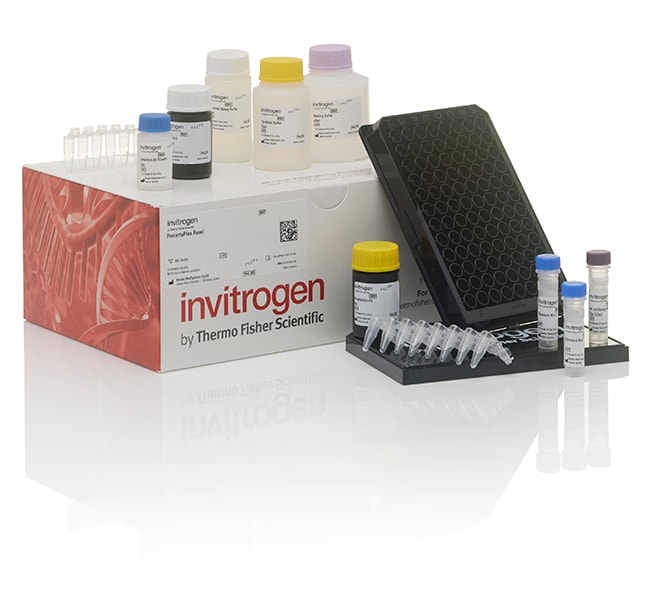
ProcartaPlex™ Human Cytokine/Chemokine/Growth Factor Panel 1, 45plex
ヒトサイトカイン/ケモカイン/増殖因子45-プレックスProcartaPlexパネル1は、Luminex xMAP技術を使用して1つのウェルで45のタンパク質ターゲットを分析することにより、免疫機能の研究を可能にします。このパネルは 5つのモジュール式サブパネルで構成されており、興味のあるターゲットを決定するための最初の広範なスクリーニングと、個別に購入できるサイトカインの特定の機能サブセットを分析するその後の研究を可能にしています。サブパネルは、相互に詳細を見る
| 製品番号(カタログ番号) | 数量 |
|---|---|
| EPX450-12171-901 | 96テスト |
製品番号(カタログ番号) EPX450-12171-901
価格(JPY)
1,267,000
Each
数量:
96テスト
ヒトサイトカイン/ケモカイン/増殖因子45-プレックスProcartaPlexパネル1は、Luminex xMAP技術を使用して1つのウェルで45のタンパク質ターゲットを分析することにより、免疫機能の研究を可能にします。このパネルは 5つのモジュール式サブパネルで構成されており、興味のあるターゲットを決定するための最初の広範なスクリーニングと、個別に購入できるサイトカインの特定の機能サブセットを分析するその後の研究を可能にしています。サブパネルは、相互に、またはパネル内のターゲットに対応する個々のシンプレックスアッセイと完全に組み合わせることができます。同じターゲットは、サイトカイン/ケモカイン/増殖因子コンビニエンス45-プレックスProcartaPlexパネル1にもあり(カタログ番号EPXR450-12171-901)、分注が少なくて済み、すぐに使用できるフォーマットになっています。
ProcartaPlex事前設定済みパネルは、検体の組み合わせ性、干渉、交差反応性について広範にテストされており、最高レベルの検証と精度を提供します。すべての ProcartaPlex パネルには、アッセイの実行に必要な試薬が付属しています。
ProcartaPlexマルチプレックスパネルは、6 種の生物種(ヒト、マウス、ラット、ヒト以外の霊長類、ブタ、イヌ)にわたって複数のフォーマットで利用可能です。詳細と利用可能な製品については、ProcartaPlexイムノアッセイページをご覧ください。
ターゲットリスト [ビーズ領域]:
Th1/Th2:GM-CSF [44], IFN γ[43], IL-1 β[18], IL-2 [19], IL-4 [20], IL-5 [21], IL-6 [25], IL-8 [27], IL-12p70 [34], IL-13 [35], IL-18 [66], TNF α[45]
Th9/Th17/Th22/Treg: IL-9 [52], IL-10 [28], IL-17A (CTLA-8) [36], IL-21 [72], IL-22 [76], IL-23 [63], IL-27 [14]
炎症性サイトカイン:IFN α[48], IL-1 α[62], IL-1RA [38], IL-7 [26], IL-15 [65], IL-31 [37], TNF β[54]
ケモカイン。Eotaxin (CCL11) [33], GRO α(CXCL1) [61], IP-10 (CXCL10) [22], MCP-1 (CCL2) [51], MIP-1 α(CCL3) [12], MIP-1 β(CCL4) [47], RANTES (CCL5) [42], SDF-1 α[13]
増殖因子:BDNF [57], EGF [56], FGF-2 [75], HGF [46], NGF β [55], PDGF-BB [77], PlGF-1 [29], SCF [39], VEGF-A [78], VEGF-D [53]
Luminexプラットフォーム用ProcartaPlexアッセイについて
ProcartaPlexイムノアッセイはサンドイッチELISAの原理に基づいており、1つのタンパク質の異なるエピトープに結合する2つの高特異性抗体を使用して、Luminex装置により、すべてのタンパク質ターゲットを同時に定量できます。ProcartaPlex マルチプレックスアッセイは、わずか 25 µL の血漿または血清、あるいは 50 µL の細胞培養上清のみを必要とし、分析結果を得るために要する時間もわずか 4 時間です。
次の特長があります。
• 再現性と信頼性の高い結果—タンパク質ターゲットの結合性や交差反応性試験など、業界最高水準のパネルとして検証済み
• 1サンプルあたりの結果の増加—25~50 μLのサンプル1つで複数のタンパク質ターゲットを同時に測定
• タンパク質の検出および定量における、定評のあるLuminex技術を使用した高度な参照マルチプレックスプラットフォーム
ProcartaPlexアッセイでは、Luminex xMAP(多項目同時測定プロファイリング)技術を利用して、25~50 μLのサンプル1つで最大65のタンパク質ターゲット(血漿、血清、細胞培養上清、およびその他の体液)を同時に検出および定量できます。
ProcartaPlex アッセイの Luminex ビーズは、赤および赤外フルオロフォアの正確な比率で内部染色されており、Luminex xMAP 検出システム(Luminex 200、FLEXMAP 3D、MAGPIX など)により識別できるスペクトル的に固有なシグネチャを生じます。サンドイッチ ELISA と同様に、ProcartaPlex アッセイはマッチした抗体ペアを使用して目的のタンパク質を同定します。マルチプレックスアッセイでは、スペクトル的に固有な各ビーズは単一の標的タンパク質に特異的な抗体で標識され、結合タンパク質がビオチン化抗体およびストレプトアビジン–R-フィコエリトリン(RPE)で同定されます。タンパク質特異的抗体の特異的なビーズへの結合により、1 つのウェルで複数のターゲットの分析が可能になります。
ProcartaPlex アッセイと ELISA の最も大きな違いは、ProcartaPlex アッセイの捕捉抗体がビーズに結合され、マイクロプレートウェルに吸着されないことです。そのため、ProcartaPlex アッセイ試薬は溶液中で自由に浮遊します。たとえば、Luminex 200装置は検出用に2つのレーザーを備えています。1つは各ビーズのスペクトル特性を識別するためのレーザーで、もう1つはサンプル中のタンパク質量に比例したRPE蛍光量を定量するためのレーザーです。ProcartaPlexマルチプレックスアッセイは、従来のサンドウィッチELISAの実行に要する時間で、大幅に少ないサンプル量を使用して、より多くのターゲットタンパク質をプロファイルできます。
ProcartaPlexマルチプレックスパネルは、6種の生物種(ヒト、マウス、ラット、ヒト以外の霊長類、ブタ、イヌ)にわたって複数のフォーマットで利用可能です。詳細および利用可能な製品については、thermofisher.com/procartaplex をご覧ください。
ProcartaPlex事前設定済みパネルは、検体の組み合わせ性、干渉、交差反応性について広範にテストされており、最高レベルの検証と精度を提供します。すべての ProcartaPlex パネルには、アッセイの実行に必要な試薬が付属しています。
ProcartaPlexマルチプレックスパネルは、6 種の生物種(ヒト、マウス、ラット、ヒト以外の霊長類、ブタ、イヌ)にわたって複数のフォーマットで利用可能です。詳細と利用可能な製品については、ProcartaPlexイムノアッセイページをご覧ください。
ターゲットリスト [ビーズ領域]:
Th1/Th2:GM-CSF [44], IFN γ[43], IL-1 β[18], IL-2 [19], IL-4 [20], IL-5 [21], IL-6 [25], IL-8 [27], IL-12p70 [34], IL-13 [35], IL-18 [66], TNF α[45]
Th9/Th17/Th22/Treg: IL-9 [52], IL-10 [28], IL-17A (CTLA-8) [36], IL-21 [72], IL-22 [76], IL-23 [63], IL-27 [14]
炎症性サイトカイン:IFN α[48], IL-1 α[62], IL-1RA [38], IL-7 [26], IL-15 [65], IL-31 [37], TNF β[54]
ケモカイン。Eotaxin (CCL11) [33], GRO α(CXCL1) [61], IP-10 (CXCL10) [22], MCP-1 (CCL2) [51], MIP-1 α(CCL3) [12], MIP-1 β(CCL4) [47], RANTES (CCL5) [42], SDF-1 α[13]
増殖因子:BDNF [57], EGF [56], FGF-2 [75], HGF [46], NGF β [55], PDGF-BB [77], PlGF-1 [29], SCF [39], VEGF-A [78], VEGF-D [53]
Luminexプラットフォーム用ProcartaPlexアッセイについて
ProcartaPlexイムノアッセイはサンドイッチELISAの原理に基づいており、1つのタンパク質の異なるエピトープに結合する2つの高特異性抗体を使用して、Luminex装置により、すべてのタンパク質ターゲットを同時に定量できます。ProcartaPlex マルチプレックスアッセイは、わずか 25 µL の血漿または血清、あるいは 50 µL の細胞培養上清のみを必要とし、分析結果を得るために要する時間もわずか 4 時間です。
次の特長があります。
• 再現性と信頼性の高い結果—タンパク質ターゲットの結合性や交差反応性試験など、業界最高水準のパネルとして検証済み
• 1サンプルあたりの結果の増加—25~50 μLのサンプル1つで複数のタンパク質ターゲットを同時に測定
• タンパク質の検出および定量における、定評のあるLuminex技術を使用した高度な参照マルチプレックスプラットフォーム
ProcartaPlexアッセイでは、Luminex xMAP(多項目同時測定プロファイリング)技術を利用して、25~50 μLのサンプル1つで最大65のタンパク質ターゲット(血漿、血清、細胞培養上清、およびその他の体液)を同時に検出および定量できます。
ProcartaPlex アッセイの Luminex ビーズは、赤および赤外フルオロフォアの正確な比率で内部染色されており、Luminex xMAP 検出システム(Luminex 200、FLEXMAP 3D、MAGPIX など)により識別できるスペクトル的に固有なシグネチャを生じます。サンドイッチ ELISA と同様に、ProcartaPlex アッセイはマッチした抗体ペアを使用して目的のタンパク質を同定します。マルチプレックスアッセイでは、スペクトル的に固有な各ビーズは単一の標的タンパク質に特異的な抗体で標識され、結合タンパク質がビオチン化抗体およびストレプトアビジン–R-フィコエリトリン(RPE)で同定されます。タンパク質特異的抗体の特異的なビーズへの結合により、1 つのウェルで複数のターゲットの分析が可能になります。
ProcartaPlex アッセイと ELISA の最も大きな違いは、ProcartaPlex アッセイの捕捉抗体がビーズに結合され、マイクロプレートウェルに吸着されないことです。そのため、ProcartaPlex アッセイ試薬は溶液中で自由に浮遊します。たとえば、Luminex 200装置は検出用に2つのレーザーを備えています。1つは各ビーズのスペクトル特性を識別するためのレーザーで、もう1つはサンプル中のタンパク質量に比例したRPE蛍光量を定量するためのレーザーです。ProcartaPlexマルチプレックスアッセイは、従来のサンドウィッチELISAの実行に要する時間で、大幅に少ないサンプル量を使用して、より多くのターゲットタンパク質をプロファイルできます。
ProcartaPlexマルチプレックスパネルは、6種の生物種(ヒト、マウス、ラット、ヒト以外の霊長類、ブタ、イヌ)にわたって複数のフォーマットで利用可能です。詳細および利用可能な製品については、thermofisher.com/procartaplex をご覧ください。
研究用途にのみご使用ください。診断目的には使用できません。
仕様
アッセイ範囲分析証明書を参照
アッセイ感度15%未満
使用対象 (装置)Luminex™ 装置
フォーマットMultiplex Kit
製品ラインProcartaPlex
サンプルタイプ血清、血漿、細胞培養上清, Plasma, Cell Culture Supernatants
サンプル量血清、血漿:25 μL、CCS:50 μL
出荷条件湿氷
CombinabilityCombinable
製品タイプマルチプレックスパネル
数量96テスト
Research AreaImmunology, Cytokines, Chemokines, Growth Factors
種Human
Unit SizeEach
組成および保存条件
- ヒト標準ミックスA(凍結乾燥)バイアル2本
- ヒト標準ミックスB(凍結乾燥)バイアル2本
- ヒト標準ミックスC(凍結乾燥)バイアル2本
- キャプチャービーズミックスB(1X)バイアル1本
- キャプチャービーズミックスC(1X)バイアル1本
- キャプチャービーズミックスD(1X)バイアル1本
- キャプチャービーズミックスF(1X)バイアル1本
- キャプチャービーズミックスG(1X)バイアル1本
- ビオチン化検出抗体ミックスB(50X)バイアル1本
- ビオチン化検出抗体ミックスC(50X)バイアル1本
- ビオチン化検出抗体ミックスD(50X)バイアル1本
- ビオチン化検出抗体ミックスF(50X)バイアル1本
- ビオチン化検出抗体ミックスG(50X)バイアル1本
- 読み取りバッファー(1X)ボトル1本
- 洗浄バッファー(10X)ボトル1本
- ストレプトアビジン-PE(1X)ボトル1本
よくあるご質問(FAQ)
What is the size of the Luminex beads you currently use?
I am interested in performing Luminex assays using BioSource kits, and I have a Luminex xMAP system. Besides the kits and system, what other reagents and equipment will I need?
Do the Luminex beads require special care in handling?
Why would the Luminex acquisition software display "Sample Empty" messages during analysis?
What are the Luminex beads made of?
引用および参考文献 (25)
引用および参考文献
Abstract
Decreased memory B cell frequencies in COVID-19 delta variant vaccine breakthrough infection.
Journal:EMBO Mol Med
PubMed ID:34994081
The SARS-CoV-2 Delta (B.1.617.2) variant is capable of infecting vaccinated persons. An open question remains as to whether deficiencies in specific vaccine-elicited immune responses result in susceptibility to vaccine breakthrough infection. We investigated 55 vaccine breakthrough infection cases (mostly Delta) in Singapore, comparing them against 86 vaccinated close contacts who
Effects of altered salt intake and diet on cytokines in humans: A 20-week randomized cross-over intervention study.
Journal:European journal of immunology
PubMed ID:36330564
Zika Virus Infection Preferentially Counterbalances Human Peripheral Monocyte and/or NK Cell Activity.
Journal:
PubMed ID:29600283
'Zika virus (ZIKV) has reemerged in the population and caused unprecedented global outbreaks. Here, the transcriptomic consequences of ZIKV infection were studied systematically first in human peripheral blood CD14'
Influenza Virus Infection Enhances Antibody-Mediated NK Cell Functions via Type I Interferon-Dependent Pathways.
Journal:J Virol
PubMed ID:30541850
'Natural killer (NK) cells are an important component in the control of influenza virus infection, acting to both clear virus-infected cells and release antiviral cytokines. Engagement of CD16 on NK cells by antibody-coated influenza virus-infected cells results in antibody-dependent cellular cytotoxicity (ADCC). Increasing the potency of antibody-mediated NK cell activity
Deciphering the state of immune silence in fatal COVID-19 patients.
Journal:Nat Commun
PubMed ID:33674591
'Since the beginning of the SARS-CoV-2 pandemic, COVID-19 appeared as a unique disease with unconventional tissue and systemic immune features. Here we show a COVID-19 immune signature associated with severity by integrating single-cell RNA-seq analysis from blood samples and broncho-alveolar lavage fluids with clinical, immunological and functional ex vivo data. This