Product References
Candesartan Cilexetil Attenuates Arrhythmogenicity Following Pressure Overload in Rats via the Modulation of Cardiac Electrical and Structural Remodeling and Calcium Handling Dysfunction.
Journal of the American Heart Association
Chang GJ,Yeh YH,Chen WJ,Ko YS,Lai YJ,Lee YS
MA3-916 was used in Western Blotting to assess whether candesartan cilexetil, an angiotensin II type 1 receptor blocker, could suppress arrhythmogenecity by attenuating cardiac electrical remodeling and calcium mishandling in rats with pressure-overload hypertrophy.
Tue Aug 02 00:00:00 EDT 2022
Galectin-3 enhances atrial remodelling and arrhythmogenesis through CD98 signalling.
Acta physiologica (Oxford, England)
Cheng WL,Chen YC,Li SJ,Lee TI,Lee TW,Higa S,Chung CC,Kao YH,Chen SA,Chen YJ
MA3-916 was used in Western Blotting to investigate the effects of Gal-3/CD98 signalling on atrial pathogenesis.
Tue Mar 01 00:00:00 EST 2022
STIM1-dependent peripheral coupling governs the contractility of vascular smooth muscle cells.
eLife
Krishnan V,Ali S,Gonzales AL,Thakore P,Griffin CS,Yamasaki E,Alvarado MG,Johnson MT,Trebak M,Earley S
MA3-916 was used in Immunocytochemistry to investigate the role of STIM1 in the formation of stable peripheral coupling sites in native, contractile smooth muscle cells from cerebral arteries.
Fri Feb 11 00:00:00 EST 2022
Anti-inflammatory effects of endothelin receptor blockade in left atrial tissue of spontaneously hypertensive rats.
International journal of cardiology. Heart & vasculature
Bukowska A,Nikonova Y,Wolke C,Lendeckel U,Kockskämper J,Goette A
MA3-916 was used in Western Blotting to investigate whether an endothelin receptor antagonist, macitentan, could reduce left atrial (LA) remodeling in arterial hypertension.
Sat Oct 01 00:00:00 EDT 2022
cAMP Imaging at Ryanodine Receptors Reveals β2-Adrenoceptor Driven Arrhythmias.
Circulation research
Berisha F,Götz KR,Wegener JW,Brandenburg S,Subramanian H,Molina CE,Rüffer A,Petersen J,Bernhardt A,Girdauskas E,Jungen C,Pape U,Kraft AE,Warnke S,Lindner D,Westermann D,Blankenberg S,Meyer C,Hasenfuß G,Lehnart SE,Nikolaev VO
MA3-916 was used in Immunocytochemistry-immunoflourescence to establish a real-time live-cell imaging approach capable of directly visualizing cAMP in the vicinity of mouse and human RyR2 and to analyze its pathological changes in failing cardiomyocytes under β-AR stimulation.
Fri Jun 25 00:00:00 EDT 2021
RyR2 regulates Cx43 hemichannel intracellular Ca2+-dependent activation in cardiomyocytes.
Cardiovascular research
Lissoni A,Hulpiau P,Martins-Marques T,Wang N,Bultynck G,Schulz R,Witschas K,Girao H,De Smet M,Leybaert L
MA3-916 was used in Immunocytochemistry to investigate the activation of Cx43 hemichannels in murine ventricular cardiomyocytes voltage-clamped at -70 mV.
Fri Jan 01 00:00:00 EST 2021
Identification of Three Potential Prognostic Genes in Platinum-Resistant Ovarian Cancer via Integrated Bioinformatics Analysis.
Cancer management and research
Zhang X,Wei X,Bai G,Huang X,Hu S,Mao H,Liu P
MA3-916 was used in Immunohistochemistry, Western Blot to find the poorly understood molecular mechanisms underlying platinum resistance in ovarian cancer.
Thu Apr 28 00:00:00 EDT 2022
Identification of Three Potential Prognostic Genes in Platinum-Resistant Ovarian Cancer via Integrated Bioinformatics Analysis.
Cancer management and research
Zhang X,Wei X,Bai G,Huang X,Hu S,Mao H,Liu P
MA3-916 was used in Immunohistochemistry, Western Blot to find the poorly understood molecular mechanisms underlying platinum resistance in ovarian cancer.
Thu Apr 28 00:00:00 EDT 2022
Interleukin-6-Mediated-Ca2+ Handling Abnormalities Contributes to Atrial Fibrillation in Sterile Pericarditis Rats.
Frontiers in immunology
Liao J,Zhang S,Yang S,Lu Y,Lu K,Wu Y,Wu Q,Zhao N,Dong Q,Chen L,Du Y
MA3-916 was used in Western Blot to show that IL-6-mediated-Ca2+ handling abnormalities in SP rats, especially RyR2-dysfunction, independent of IL-6-induced-fibrosis, early contribute to the development of postoperative atrial fibrillation by increasing propensity for arrhythmogenic alternans.
Mon Feb 14 00:00:00 EST 2022
Repeat DNA-PAINT suppresses background and non-specific signals in optical nanoscopy.
Nature communications
Clowsley AH,Kaufhold WT,Lutz T,Meletiou A,Di Michele L,Soeller C
MA3-916 was used in Immunohistochemistry to describe Repeat DNA-PAINT, a method that enables a substantial reduction in imager concentration, thus suppressing spurious signals.
Thu Jan 21 00:00:00 EST 2021
Remodeling of t-system and proteins underlying excitation-contraction coupling in aging versus failing human heart.
NPJ aging and mechanisms of disease
Lyu Y,Verma VK,Lee Y,Taleb I,Badolia R,Shankar TS,Kyriakopoulos CP,Selzman CH,Caine W,Alharethi R,Navankasattusas S,Seidel T,Drakos SG,Sachse FB
MA3-916 was used in Dot Blot to indicate that targeting sarcolemmal association of JPH2 might ameliorate age-associated deficiencies of heart function.
Fri May 28 00:00:00 EDT 2021
Phosphorylation-Dependent Interactome of Ryanodine Receptor Type 2 in the Heart.
Proteomes
Chiang DY,Lahiri S,Wang G,Karch J,Wang MC,Jung SY,Heck AJR,Scholten A,Wehrens XHT
MA3-916 was used in ChIP assay to yield mechanistic insights into RyR2 regulation which may guide future drug designs.
Mon Jun 07 00:00:00 EDT 2021
Cardiac-specific deletion of voltage dependent anion channel 2 leads to dilated cardiomyopathy by altering calcium homeostasis.
Nature communications
Shankar TS,Ramadurai DKA,Steinhorst K,Sommakia S,Badolia R,Thodou Krokidi A,Calder D,Navankasattusas S,Sander P,Kwon OS,Aravamudhan A,Ling J,Dendorfer A,Xie C,Kwon O,Cheng EHY,Whitehead KJ,Gudermann T,Richardson RS,Sachse FB,Schredelseker J,Spitzer KW,Chaudhuri D,Drakos SG
MA3-916 was used in Western Blot to demonstrate that VDAC2 plays a crucial role in cardiac function by influencing cellular calcium signaling.
Wed Jul 28 00:00:00 EDT 2021
Cardiac-specific deletion of voltage dependent anion channel 2 leads to dilated cardiomyopathy by altering calcium homeostasis.
Nature communications
Shankar TS,Ramadurai DKA,Steinhorst K,Sommakia S,Badolia R,Thodou Krokidi A,Calder D,Navankasattusas S,Sander P,Kwon OS,Aravamudhan A,Ling J,Dendorfer A,Xie C,Kwon O,Cheng EHY,Whitehead KJ,Gudermann T,Richardson RS,Sachse FB,Schredelseker J,Spitzer KW,Chaudhuri D,Drakos SG
MA3-916 was used in Western Blot to demonstrate that VDAC2 plays a crucial role in cardiac function by influencing cellular calcium signaling.
Wed Jul 28 00:00:00 EDT 2021
Increased RyR2 activity is exacerbated by calcium leak-induced mitochondrial ROS.
Basic research in cardiology
Hamilton S,Terentyeva R,Martin B,Perger F,Li J,Stepanov A,Bonilla IM,Knollmann BC,Radwański PB,Györke S,Belevych AE,Terentyev D
MA3-916 was used in Immunoprecipitation to conclude that in a process whereby leak begets leak, augmented RyR2 activity modulates mitochondrial Ca2+ handling, promoting mito-ROS emission and driving further channel activity in a proarrhythmic feedback cycle in the diseased heart.
Fri May 22 00:00:00 EDT 2020
PKA phosphorylation underlies functional recruitment of sarcolemmal SK2 channels in ventricular myocytes from hypertrophic hearts.
The Journal of physiology
Hamilton S,Polina I,Terentyeva R,Bronk P,Kim TY,Roder K,Clements RT,Koren G,Choi BR,Terentyev D
MA3-916 was used in Proximity Ligation Assay to study the effect of post-translational modifications of SK channels in disease related activation of the channels.
Wed Jul 01 00:00:00 EDT 2020
IP3R-Mediated Compensatory Mechanism for Calcium Handling in Human Induced Pluripotent Stem Cell-Derived Cardiomyocytes With Cardiac Ryanodine Receptor Deficiency.
Frontiers in cell and developmental biology
Luo X,Li W,Künzel K,Henze S,Cyganek L,Strano A,Poetsch MS,Schubert M,Guan K
MA3-916 was used in Western Blotting to generate two human induced pluripotent stem cell (iPSC)-based RYR2 knockout (RYR2-/-) lines using the CRISPR/Cas9 gene editing technology.
Mon Sep 28 00:00:00 EDT 2020
Lack of functional wolframin causes drop in plasmalemmal sodium-calcium exchanger type 1 expression at early stage in rat model of Wolfram syndrome.
General physiology and biophysics
Kureková S,Plaas M,Cagalinec M
MA3-916 was used in Western Blot to investigate if wolframin influences processes in the myocyte plasma membrane.
Tue Sep 01 00:00:00 EDT 2020
Structural, Pro-Inflammatory and Calcium Handling Remodeling Underlies Spontaneous Onset of Paroxysmal Atrial Fibrillation in JDP2-Overexpressing Mice.
International journal of molecular sciences
Parahuleva MS,Kockskämper J,Heger J,Grimm W,Scherer A,Bühler S,Kreutz J,Schulz R,Euler G
MA3-916 was used in Western Blotting to perform in vivo studies on JDP2-overexpressing mice to investigate the impact of JDP2 on the predisposition to spontaneous atrial fibrillation (AF).
Mon Nov 30 00:00:00 EST 2020
Chronic dantrolene treatment attenuates cardiac dysfunction and reduces atrial fibrillation inducibility in a rat myocardial infarction heart failure model.
Heart rhythm O2
Nofi C,Zhang K,Tang YD,Li Y,Migirov A,Ojamaa K,Gerdes AM,Zhang Y
MA3-916 was used in Western Blot to investigate the effects of stabilizing RyR2 with chronic dantrolene treatment on HF development and AF inducibility in a myocardial infarction (MI)-induced HF model in rats.
Mon Jun 01 00:00:00 EDT 2020
Molecular characterization of the calcium release channel deficiency syndrome.
JCI insight
Tester DJ,Kim CSJ,Hamrick SK,Ye D,O'Hare BJ,Bombei HM,Fitzgerald KK,Haglund-Turnquist CM,Atkins DL,Nunez LAO,Law I,Temple J,Ackerman MJ
MA3-916 was used in Western Blotting to identify a potentially novel homozygous duplication involving the promoter region and exons 1-4 of the gene encoding type 2 cardiac ryanodine receptor (RYR2) that is responsible for highly penetrant, exertion-related sudden deaths/cardiac arrests in the Amish community without an overt phenotype to suggest RYR2-mediated catecholaminergic polymorphic ventricular tachycardia (CPVT).
Thu Aug 06 00:00:00 EDT 2020
Altered calcium handling produces reentry-promoting action potential alternans in atrial fibrillation-remodeled hearts.
JCI insight
Liu T,Xiong F,Qi XY,Xiao J,Villeneuve L,Abu-Taha I,Dobrev D,Huang C,Nattel S
MA3-916 was used in Western Blotting to show reduced expression of total and phosphorylated ryanodine receptors and calsequestrin in AF and unchanged phospholamban/SERCA expression.
Tue Apr 07 00:00:00 EDT 2020
Phosphorylation of cardiac myosin-binding protein-C contributes to calcium homeostasis.
The Journal of biological chemistry
Kumar M,Haghighi K,Kranias EG,Sadayappan S
MA3-916 was used in Western Blotting to conclude that improvement of contractile deficits alone without improving calcium handling may be insufficient for effective management of heart failure.
Fri Aug 07 00:00:00 EDT 2020
Cardiac ryanodine receptor distribution is dynamic and changed by auxiliary proteins and post-translational modification.
eLife
Asghari P,Scriven DR,Ng M,Panwar P,Chou KC,van Petegem F,Moore ED
MA3-916 was used in Western Blot to examine the effects of the immunophilins, FKBP12 and FKBP12.6, and phosphorylation on type II ryanodine receptor (RyR2) arrangement and function.
Thu Jan 09 00:00:00 EST 2020
Nanoscale coupling of junctophilin-2 and ryanodine receptors regulates vascular smooth muscle cell contractility.
Proceedings of the National Academy of Sciences of the United States of America
Pritchard HAT,Griffin CS,Yamasaki E,Thakore P,Lane C,Greenstein AS,Earley S
MA3-916 was used in Immunocytochemistry to conclude that JPH2 maintains functional coupling between RyR2s and BK channels and is critically important for cerebral arterial function.
Tue Oct 22 00:00:00 EDT 2019
MicroRNA-133 suppresses ZFHX3-dependent atrial remodelling and arrhythmia.
Acta physiologica (Oxford, England)
Cheng WL,Kao YH,Chao TF,Lin YK,Chen SA,Chen YJ
MA3-916 was used in Western Blotting to analyse the changes of miRNA expression in loss-of-function of ZFHX3 and the effect of miRNA modulation on atrial arrhythmias.
Fri Nov 01 00:00:00 EDT 2019
Adverse transverse-tubule remodeling in a rat model of heart failure is attenuated with low-dose triiodothyronine treatment.
Molecular medicine (Cambridge, Mass.)
An S,Gilani N,Huang Y,Muncan A,Zhang Y,Tang YD,Gerdes AM,Ojamaa K
MA3-916 was used in Western Blotting to test whether T3 treatment could prevent adverse post-infarction cardiomyocyte remodelling by maintaining transverse-tubule structures, thus improving calcium dynamics and contractility.
Fri Dec 06 00:00:00 EST 2019
3D dSTORM imaging reveals novel detail of ryanodine receptor localization in rat cardiac myocytes.
The Journal of physiology
Shen X,van den Brink J,Hou Y,Colli D,Le C,Kolstad TR,MacQuaide N,Carlson CR,Kekenes-Huskey PM,Edwards AG,Soeller C,Louch WE
MA3-916 was used in Immunocytochemistry-immunoflourescence to develop novel approaches to quantitatively describe the nanoscale, 3D organisation of ryanodine receptors in cardiomyocytes.
Tue Jan 01 00:00:00 EST 2019
Cardiomyocyte substructure reverts to an immature phenotype during heart failure.
The Journal of physiology
Lipsett DB,Frisk M,Aronsen JM,Nordén ES,Buonarati OR,Cataliotti A,Hell JW,Sjaastad I,Christensen G,Louch WE
MA3-916 was used in Immunocytochemistry-immunoflourescence to examine whether cardiomyocyte subcellular structure and function revert to an immature phenotype during heart failure.
Mon Apr 01 00:00:00 EDT 2019
Control of Neuronal Ryanodine Receptor-Mediated Calcium Signaling by Calsenilin.
Molecular neurobiology
Grillo MA,Grillo SL,Gerdes BC,Kraus JG,Koulen P
MA3-916 was used in Western Blotting to describe a novel mechanism, in which calsenilin controls the activity of neuronal RyRs.
Tue Jan 01 00:00:00 EST 2019
Ion channel gating in cardiac ryanodine receptors from the arrhythmic RyR2-P2328S mouse.
Journal of cell science
Salvage SC,Gallant EM,Beard NA,Ahmad S,Valli H,Fraser JA,Huang CL,Dulhunty AF
MA3-916 was used in Western Blotting to show that observed changes in channel activity seen with the P2328S mutation correlate with altered Ca2+ homeostasis in myocytes from RyR2S/S mice and the CPVT and AF phenotypes.
Tue May 21 00:00:00 EDT 2019
Iron-deficiency anemia reduces cardiac contraction by downregulating RyR2 channels and suppressing SERCA pump activity.
JCI insight
Chung YJ,Luo A,Park KC,Loonat AA,Lakhal-Littleton S,Robbins PA,Swietach P
MA3-916 was used in Western Blotting to investigate the actions of iron deficiency on the heart.
Thu Apr 04 00:00:00 EDT 2019
SLMAP3 isoform modulates cardiac gene expression and function.
PloS one
Mlynarova J,Trentin-Sonoda M,Gaisler da Silva F,Major JL,Salih M,Carneiro-Ramos MS,Tuana BS
MA3-916 was used in Western Blotting to study the role of three SLMAP isoforms in cardiac gene expression and function.
Mon Jan 13 00:00:00 EST 2020
Empagliflozin Attenuates Myocardial Sodium and Calcium Dysregulation and Reverses Cardiac Remodeling in Streptozotocin-Induced Diabetic Rats.
International journal of molecular sciences
Lee TI,Chen YC,Lin YK,Chung CC,Lu YY,Kao YH,Chen YJ
MA3-916 was used in Western Blotting to determine whether empaglifozin modulates cardiac electrical activity in addition to Ca2+/Na2+ homeostasis in diabetes mellitus cardiomyopathy.
Thu Apr 04 00:00:00 EDT 2019
Role of Ryanodine Type 2 Receptors in Elementary Ca2+ Signaling in Arteries and Vascular Adaptive Responses.
Journal of the American Heart Association
Kaßmann M,Szijártó IA,García-Prieto CF,Fan G,Schleifenbaum J,Anistan YM,Tabeling C,Shi Y,le Noble F,Witzenrath M,Huang Y,Markó L,Nelson MT,Gollasch M
MA3-916 was used in Western Blotting to determine the impact of individual ryanodine receptors isoforms on adaptive vascular responses.
Tue May 07 00:00:00 EDT 2019
Enhancing Autophagy Diminishes Aberrant Ca2+ Homeostasis and Arrhythmogenesis in Aging Rabbit Hearts.
Frontiers in physiology
Murphy KR,Baggett B,Cooper LL,Lu Y,O-Uchi J,Sedivy JM,Terentyev D,Koren G
MA3-916 was used in Western Blotting to identify decreased autophagy as a major cause of increased mitochondria-derived oxygen species in aging rabbit hearts.
Sun Apr 10 00:00:00 EDT 2022
Impaired Activity of Ryanodine Receptors Contributes to Calcium Mishandling in Cardiomyocytes of Metabolic Syndrome Rats.
Frontiers in physiology
Fernández-Miranda G,Romero-Garcia T,Barrera-Lechuga TP,Mercado-Morales M,Rueda A
MA3-916 was used in Western Blotting to show the impaired in situ activity of RyR2 may also account for the poor overall cardiac outcome reported in MetS patients; hence, the SERCA pump and RyR2 are both attractive potential targets for future therapies.
Thu Oct 01 00:00:00 EDT 2020
Long-term contractile activity and thyroid hormone supplementation produce engineered rat myocardium with adult-like structure and function.
Acta biomaterialia
Jackman C,Li H,Bursac N
MA3-916 was used in Immunohistochemistry to show that a combination of lowrate (0.2 Hz) contractile activity and thyroid hormone supplementation significantly promote structural and functional maturation of engineered rat cardiac tissues.
Sat Sep 15 00:00:00 EDT 2018
Calcium Release Mediated by Redox-Sensitive RyR2 Channels Has a Central Role in Hippocampal Structural Plasticity and Spatial Memory.
Antioxidants & redox signaling
More JY,Bruna BA,Lobos PE,Galaz JL,Figueroa PL,Namias S,Sánchez GL,Barrientos GC,Valdés JL,Paula-Lima AC,Hidalgo C,Adasme T
MA3-916 was used in Immunohistochemistry-immunofluorescence to propose that BDNF-induced RyR2-mediated Ca2+ release and ROS generation via NOS/NOX2 are strictly required for the dendritic spine remodeling and the RyR2 upregulation induced by BDNF, and that RyR2 channel expression is crucial for spatial memory processes.
Sat Oct 20 00:00:00 EDT 2018
N-Acetylcysteine Prevents the Spatial Memory Deficits and the Redox-Dependent RyR2 Decrease Displayed by an Alzheimer's Disease Rat Model.
Frontiers in aging neuroscience
More J,Galusso N,Veloso P,Montecinos L,Finkelstein JP,Sanchez G,Bull R,Valdés JL,Hidalgo C,Paula-Lima A
MA3-916 was used in Immunohistochemistry-immunofluorescence to study the effects of amyloid beta oligomer injections directly into the hippocampus on type-2 ryanodine receptor expression and activation.
Tue Sep 29 00:00:00 EDT 2020
N-Acetylcysteine Prevents the Spatial Memory Deficits and the Redox-Dependent RyR2 Decrease Displayed by an Alzheimer's Disease Rat Model.
Frontiers in aging neuroscience
More J,Galusso N,Veloso P,Montecinos L,Finkelstein JP,Sanchez G,Bull R,Valdés JL,Hidalgo C,Paula-Lima A
MA3-916 was used in Immunohistochemistry-immunofluorescence to study the effects of amyloid beta oligomer injections directly into the hippocampus on type-2 ryanodine receptor expression and activation.
Tue Sep 29 00:00:00 EDT 2020
Axial Tubule Junctions Activate Atrial Ca2+ Release Across Species.
Frontiers in physiology
Brandenburg S,Pawlowitz J,Fakuade FE,Kownatzki-Danger D,Kohl T,Mitronova GY,Scardigli M,Neef J,Schmidt C,Wiedmann F,Pavone FS,Sacconi L,Kutschka I,Sossalla S,Moser T,Voigt N,Lehnart SE
MA3-916 was used in Immunohistochemistry-immunofluorescence to examine and quantitatively analyse the architecture of axial tubule membrane structures and associated Ca2+ signalling proteins across species from mouse to human.
Tue Sep 29 00:00:00 EDT 2020
Axial Tubule Junctions Activate Atrial Ca2+ Release Across Species.
Frontiers in physiology
Brandenburg S,Pawlowitz J,Fakuade FE,Kownatzki-Danger D,Kohl T,Mitronova GY,Scardigli M,Neef J,Schmidt C,Wiedmann F,Pavone FS,Sacconi L,Kutschka I,Sossalla S,Moser T,Voigt N,Lehnart SE
MA3-916 was used in Immunohistochemistry-immunofluorescence to examine and quantitatively analyse the architecture of axial tubule membrane structures and associated Ca2+ signalling proteins across species from mouse to human.
Tue Sep 29 00:00:00 EDT 2020
Axial Tubule Junctions Activate Atrial Ca2+ Release Across Species.
Frontiers in physiology
Brandenburg S,Pawlowitz J,Fakuade FE,Kownatzki-Danger D,Kohl T,Mitronova GY,Scardigli M,Neef J,Schmidt C,Wiedmann F,Pavone FS,Sacconi L,Kutschka I,Sossalla S,Moser T,Voigt N,Lehnart SE
MA3-916 was used in Immunohistochemistry-immunofluorescence to examine and quantitatively analyse the architecture of axial tubule membrane structures and associated Ca2+ signalling proteins across species from mouse to human.
Tue Sep 29 00:00:00 EDT 2020
Ryanodine receptor dispersion disrupts Ca2+ release in failing cardiac myocytes.
eLife
Kolstad TR,van den Brink J,MacQuaide N,Lunde PK,Frisk M,Aronsen JM,Norden ES,Cataliotti A,Sjaastad I,Sejersted OM,Edwards AG,Lines GT,Louch WE
MA3-916 was used in Immunohistochemistry to investigate whether reduced cardiac contractility during heart failure can be traced to ryanodine receptor reorganisation.
Tue Oct 30 00:00:00 EDT 2018
True Molecular Scale Visualization of Variable Clustering Properties of Ryanodine Receptors.
Cell reports
Jayasinghe I,Clowsley AH,Lin R,Lutz T,Harrison C,Green E,Baddeley D,Di Michele L,Soeller C
MA3-916 was used in Immunocytochemistry-immunoflourescence to visualise the variable clustering properties of ryanodine receptors.
Tue Jan 09 00:00:00 EST 2018
Pharmacological Modulation of Mitochondrial Ca2+ Content Regulates Sarcoplasmic Reticulum Ca2+ Release via Oxidation of the Ryanodine Receptor by Mitochondria-Derived Reactive Oxygen Species.
Frontiers in physiology
Hamilton S,Terentyeva R,Kim TY,Bronk P,Clements RT,O-Uchi J,Csordás G,Choi BR,Terentyev D
MA3-916 was used in Western Blotting to study the effects of kaempferol, CGP-37157, and Ru360 in rat ventricular myocytes from control rats and rats with hypertrophy induced by thoracic aortic banding.
Thu Oct 01 00:00:00 EDT 2020
Profibrotic, Electrical, and Calcium-Handling Remodeling of the Atria in Heart Failure Patients With and Without Atrial Fibrillation.
Frontiers in physiology
Molina CE,Abu-Taha IH,Wang Q,Roselló-Díez E,Kamler M,Nattel S,Ravens U,Wehrens XHT,Hove-Madsen L,Heijman J,Dobrev D
MA3-916 was used in Western Blotting to evaluate atrial remodelling in patients with severe left ventricular dysfunction, long-standing persistent atrial fibrillation or both, and sinus rhythm controls with normal left ventricular function.
Tue Sep 29 00:00:00 EDT 2020
Sheet-Like Remodeling of the Transverse Tubular System in Human Heart Failure Impairs Excitation-Contraction Coupling and Functional Recovery by Mechanical Unloading.
Circulation
Seidel T,Navankasattusas S,Ahmad A,Diakos NA,Xu WD,Tristani-Firouzi M,Bonios MJ,Taleb I,Li DY,Selzman CH,Drakos SG,Sachse FB
MA3-916 was used in Immunohistochemistry-immunofluorescence to suggest that the remodelled t-system impairs excitation-contraction coupling and functional recovery during chronic left ventricular assist device unloading.
Tue Apr 25 00:00:00 EDT 2017
SPEG (Striated Muscle Preferentially Expressed Protein Kinase) Is Essential for Cardiac Function by Regulating Junctional Membrane Complex Activity.
Circulation research
Quick AP,Wang Q,Philippen LE,Barreto-Torres G,Chiang DY,Beavers D,Wang G,Khalid M,Reynolds JO,Campbell HM,Showell J,McCauley MD,Scholten A,Wehrens XH
MA3916 was used in immunocytochemistry, immunoprecipitation, and western blot to investigate the function of striated muscle preferentially expressed gene
Fri Jan 06 00:00:00 EST 2017
SK channel enhancers attenuate Ca2+-dependent arrhythmia in hypertrophic hearts by regulating mito-ROS-dependent oxidation and activity of RyR.
Cardiovascular research
Kim TY,Terentyeva R,Roder KH,Li W,Liu M,Greener I,Hamilton S,Polina I,Murphy KR,Clements RT,Dudley SC,Koren G,Choi BR,Terentyev D
MA3916 was used in immunoprecipitation and western blot to ask if SK channels in the mitochondria inner membrane play an important role in regulating mitochondrial function in chronic cardiac diseases
Wed Mar 01 00:00:00 EST 2017
Osteolytic Breast Cancer Causes Skeletal Muscle Weakness in an Immunocompetent Syngeneic Mouse Model.
Frontiers in endocrinology
Regan JN,Mikesell C,Reiken S,Xu H,Marks AR,Mohammad KS,Guise TA,Waning DL
MA3-916 was used in Western Blotting to demonstrate that a syngeneic mouse model of osteolytic cancer in bone leads to cachexia and skeletal muscle weakness, associated with oxidation of the ryanodine receptor and Ca2+ release channel.
Wed Nov 20 00:00:00 EST 2019
MG53 is dispensable for T-tubule maturation but critical for maintaining T-tubule integrity following cardiac stress.
Journal of molecular and cellular cardiology
Zhang C,Chen B,Wang Y,Guo A,Tang Y,Khataei T,Shi Y,Kutschke WJ,Zimmerman K,Weiss RM,Liu J,Benson CJ,Hong J,Ma J,Song LS
MA3-916 was used in Western Blotting to investigate whether MG53 antagonises T-tubule damage to protect against maladaptive remodelling and thereby loss of excitation-contraction coupling and cardiac function.
Wed Nov 01 00:00:00 EDT 2017
Subcellular localization of Na/K-ATPase isoforms in ventricular myocytes.
Journal of molecular and cellular cardiology
Yuen GK,Galice S,Bers DM
MA3-916 was used in Immunocytochemistry-immunoflourescence to show the sodium/potassium ATPase α2 isoform is preferentially concentrated in the transverse tubules in ventricular myocytes to modulate cardiac contractility.
Sat Jul 01 00:00:00 EDT 2017
Sarcolemmal distribution of ICa and INCX and Ca2+ autoregulation in mouse ventricular myocytes.
American journal of physiology. Heart and circulatory physiology
Gadeberg HC,Kong CHT,Bryant SM,James AF,Orchard CH
MA3-916 was used in Immunocytochemistry to investigate the sarcolemmal distribution of L-type Ca2+current and Na+/Ca2+exchanger current and autoregulation in mouse ventricular myocytes.
Sat Jul 01 00:00:00 EDT 2017
Progesterone Protects Against Bisphenol A-Induced Arrhythmias in Female Rat Cardiac Myocytes via Rapid Signaling.
Endocrinology
Ma J,Hong K,Wang HS
MA3-916 was used in Western Blotting to study the role of progesterone on cardiac actions of bisphenol A in cardiac myocytes.
Sat Apr 01 00:00:00 EDT 2017
A protocol for registration and correction of multicolour STED superresolution images.
Journal of microscopy
Hebisch E,Wagner E,Westphal V,Sieber JJ,Lehnart SE
MA3-916 was used in Immunocytochemistry-immunoflourescence to introduce a new method for image registration and rationally based postprocessing steps through a highly standardised protocol for multicolour STED imaging, which directly supports the reproducibility of protein co-localisation analyses.
Tue Aug 01 00:00:00 EDT 2017
Genomic upregulation of cardiac Cav1.2α and NCX1 by estrogen in women.
Biology of sex differences
Papp R,Bett GCL,Lis A,Rasmusson RL,Baczkó I,Varró A,Salama G
MA3-916 was used in Western Blotting to investigate if the effects of oestrogen on rabbit L-type Ca2+ and sodium-calcium exchange apply to human hearts.
Mon Aug 14 00:00:00 EDT 2017
Genomic upregulation of cardiac Cav1.2α and NCX1 by estrogen in women.
Biology of sex differences
Papp R,Bett GCL,Lis A,Rasmusson RL,Baczkó I,Varró A,Salama G
MA3-916 was used in Western Blotting to investigate if the effects of oestrogen on rabbit L-type Ca2+ and sodium-calcium exchange apply to human hearts.
Mon Aug 14 00:00:00 EDT 2017
Plakophilin-2 is required for transcription of genes that control calcium cycling and cardiac rhythm.
Nature communications
Cerrone M,Montnach J,Lin X,Zhao YT,Zhang M,Agullo-Pascual E,Leo-Macias A,Alvarado FJ,Dolgalev I,Karathanos TV,Malkani K,Van Opbergen CJM,van Bavel JJA,Yang HQ,Vasquez C,Tester D,Fowler S,Liang F,Rothenberg E,Heguy A,Morley GE,Coetzee WA,Trayanova NA,Ackerman MJ,van Veen TAB,Valdivia HH,Delmar M
MA3-916 was used in Immunohistochemistry to show that PKP2 controls the expression of proteins involved in calcium cycling in adult mouse hearts, and that lack of PKP2 can cause arrhythmia in a structurally normal heart.
Mon Jul 24 00:00:00 EDT 2017
RyR2R420Q catecholaminergic polymorphic ventricular tachycardia mutation induces bradycardia by disturbing the coupled clock pacemaker mechanism.
JCI insight
Wang YY,Mesirca P,Marqués-Sulé E,Zahradnikova A,Villejoubert O,D'Ocon P,Ruiz C,Domingo D,Zorio E,Mangoni ME,Benitah JP,Gómez AM
MA3-916 was used in Western Blotting to study the mechanism responsible for catecholaminergic polymorphic ventricular tachycardia patients presenting with bradycardia and sino-atrial node dysfunction.
Thu Apr 20 00:00:00 EDT 2017
The angiotensin receptor-associated protein Atrap is a stimulator of the cardiac Ca2+-ATPase SERCA2a.
Cardiovascular research
Mederle K,Gess B,Pluteanu F,Plackic J,Tiefenbach KJ,Grill A,Kockskämper J,Castrop H
MA3-916 was used in Western Blotting to determine the role of angiotensin II type 1 receptor- associated protein in the heart.
Wed Jun 01 00:00:00 EDT 2016
Inhibition of Rac1 reduces store overload-induced calcium release and protects against ventricular arrhythmia.
Journal of cellular and molecular medicine
Zhang L,Lu X,Gui L,Wu Y,Sims SM,Wang G,Feng Q
MA3-916 was used in western blot to determine the reduction of store overload-induced calcium release and protection against ventricular arrhythmia due to inhibition of Rac1
Mon Aug 01 00:00:00 EDT 2016
CaMKII-dependent phosphorylation regulates basal cardiac pacemaker function via modulation of local Ca2+ releases.
American journal of physiology. Heart and circulatory physiology
Li Y,Sirenko S,Riordon DR,Yang D,Spurgeon H,Lakatta EG,Vinogradova TM
MA3916 was used in western blot to investigate the regulation of Ca(2+)/calmodulin-dependent protein kinase II in sinoatrial node cells
Thu Sep 01 00:00:00 EDT 2016
Heterozygous deletion of sarcolipin maintains normal cardiac function.
American journal of physiology. Heart and circulatory physiology
Shimura D,Kusakari Y,Sasano T,Nakashima Y,Nakai G,Jiao Q,Jin M,Yokota T,Ishikawa Y,Nakano A,Goda N,Minamisawa S
MA3-916 was used in western blot to maintain cardiac function through a heterozygous deletion of sarcolipin
Fri Jan 01 00:00:00 EST 2016
Early transverse tubule development begins in utero in the sheep heart.
Journal of muscle research and cell motility
Munro ML,Soeller C
MA3916 was used in immunohistochemistry - frozen section to describe transverse-tubule development in the large mammalian fetal heart
Thu Dec 01 00:00:00 EST 2016
Expression of connexin 43, ion channels and Ca2+-handling proteins in rat pulmonary vein cardiomyocytes.
Experimental and therapeutic medicine
Xiao Y,Cai X,Atkinson A,Logantha SJ,Boyett M,Dobrzynski H
MA3916 was used in immunohistochemistry - frozen section to suggest that ectopic beats originating in the myocardial sleeves of the pulmonary veins occur only under pathological conditions
Tue Nov 01 00:00:00 EDT 2016
Strategic Positioning and Biased Activity of the Mitochondrial Calcium Uniporter in Cardiac Muscle.
The Journal of biological chemistry
De La Fuente S,Fernandez-Sanz C,Vail C,Agra EJ,Holmstrom K,Sun J,Mishra J,Williams D,Finkel T,Murphy E,Joseph SK,Sheu SS,Csordás G
MA3916 was used in immunohistochemistry to test if mitochondrial calcium uniporter concentrated at the mitochondria-sarcoplasmic reticulum interface promotes calcium transfer
Fri Oct 28 00:00:00 EDT 2016
Cardiac Resynchronization Therapy Reduces Subcellular Heterogeneity of Ryanodine Receptors, T-Tubules, and Ca2+ Sparks Produced by Dyssynchronous Heart Failure.
Circulation. Heart failure
Li H,Lichter JG,Seidel T,Tomaselli GF,Bridge JH,Sachse FB
MA3-916 was used in immunohistochemistry - frozen section to study dyssynchronous heart failure after cardiac resynchronization therapy
Sun Nov 01 00:00:00 EDT 2015
Altered distribution of ICa impairs Ca release at the t-tubules of ventricular myocytes from failing hearts.
Journal of molecular and cellular cardiology
Bryant SM,Kong CH,Watson J,Cannell MB,James AF,Orchard CH
MA3-916 was used in immunocytochemistry to study t-tubule function during cardiac failure.
Tue Sep 01 00:00:00 EDT 2015
Nanoscale analysis of ryanodine receptor clusters in dyadic couplings of rat cardiac myocytes.
Journal of molecular and cellular cardiology
Hou Y,Jayasinghe I,Crossman DJ,Baddeley D,Soeller C
MA3-916 was used in immunohistochemistry to quantify the spatial distribution ryanodine receptors throughout the myoplasm
Sun Mar 01 00:00:00 EST 2015
Examination of the Effects of Heterogeneous Organization of RyR Clusters, Myofibrils and Mitochondria on Ca2+ Release Patterns in Cardiomyocytes.
PLoS computational biology
Rajagopal V,Bass G,Walker CG,Crossman DJ,Petzer A,Hickey A,Siekmann I,Hoshijima M,Ellisman MH,Crampin EJ,Soeller C
MA3-916 was used in immunohistochemistry to characterize Ca2+ release patterns in cardiomyocytes and examine the effects of heterogeneous organization of RyR clusters, mitochondria, and myofibrils
Tue Sep 01 00:00:00 EDT 2015
Combining confocal and single molecule localisation microscopy: A correlative approach to multi-scale tissue imaging.
Methods (San Diego, Calif.)
Crossman DJ,Hou Y,Jayasinghe I,Baddeley D,Soeller C
MA3-916 was used in immunohistochemistry - frozen section to describe a method of multi-scale imaging of human cardiac tissue
Thu Oct 15 00:00:00 EDT 2015
Store-operated calcium entry and the localization of STIM1 and Orai1 proteins in isolated mouse sinoatrial node cells.
Frontiers in physiology
Liu J,Xin L,Benson VL,Allen DG,Ju YK
MA3-916 was used in immunocytochemistry to examine the interaction between store-operated calcium entry and store content and its role in cardiac pacemaking
Wed Mar 25 00:00:00 EDT 2015
Early remodeling of perinuclear Ca2+ stores and nucleoplasmic Ca2+ signaling during the development of hypertrophy and heart failure.
Circulation
Ljubojevic S,Radulovic S,Leitinger G,Sedej S,Sacherer M,Holzer M,Winkler C,Pritz E,Mittler T,Schmidt A,Sereinigg M,Wakula P,Zissimopoulos S,Bisping E,Post H,Marsche G,Bossuyt J,Bers DM,Kockskämper J,Pieske B
MA3-916 was used in immunocytochemistry and immunohistochemistry to study the contribution of nuclear Ca(2+) handling on the development and progression of heart failure
Tue Jul 15 00:00:00 EDT 2014
Single delivery of an adeno-associated viral construct to transfer the CASQ2 gene to knock-in mice affected by catecholaminergic polymorphic ventricular tachycardia is able to cure the disease from birth to advanced age.
Circulation
Denegri M,Bongianino R,Lodola F,Boncompagni S,De Giusti VC,Avelino-Cruz JE,Liu N,Persampieri S,Curcio A,Esposito F,Pietrangelo L,Marty I,Villani L,Moyaho A,Baiardi P,Auricchio A,Protasi F,Napolitano C,Priori SG
MA3-916 was used in Western Blotting to investigate the efficacy and durability of viral gene transfer of wild-type calsequestrin 2 in a catecholaminergic polymorphic ventricular tachycardia knock-in mouse model carrying the CASQ2 R33Q mutation.
Tue Jun 24 00:00:00 EDT 2014
Loss of microRNA-106b-25 cluster promotes atrial fibrillation by enhancing ryanodine receptor type-2 expression and calcium release.
Circulation. Arrhythmia and electrophysiology
Chiang DY,Kongchan N,Beavers DL,Alsina KM,Voigt N,Neilson JR,Jakob H,Martin JF,Dobrev D,Wehrens XH,Li N
MA3-916 was used in immunoprecipitation and western blot to study the loss of thd miR-106b-25 cluster in the pathogenesis of atrial fibrillation
Mon Dec 01 00:00:00 EST 2014
Reduced aerobic capacity causes leaky ryanodine receptors that trigger arrhythmia in a rat strain artificially selected and bred for low aerobic running capacity.
Acta physiologica (Oxford, England)
Høydal MA,Stølen TO,Johnsen AB,Alvez M,Catalucci D,Condorelli G,Koch LG,Britton SL,Smith GL,Wisløff U
MA3-916 was used in western blot to study the presence of leaky ryanodine receptors and increased risk of ventricular fibrillation in rats specifically bred to have low aerobic running capacity
Tue Apr 01 00:00:00 EDT 2014
Suppression of InsP3 receptor-mediated Ca2+ signaling alleviates mutant presenilin-linked familial Alzheimer's disease pathogenesis.
The Journal of neuroscience : the official journal of the Society for Neuroscience
Shilling D,Müller M,Takano H,Mak DO,Abel T,Coulter DA,Foskett JK
MA3-916 was used in western blot to study the role of exagerated Ca(2+) signaling mediated by InsP3 receptor1 in the pathogenesis of mutant presenilin-linked Alzheimer's disease
Wed May 14 00:00:00 EDT 2014
A modified local control model for Ca2+ transients in cardiomyocytes: junctional flux is accompanied by release from adjacent non-junctional RyRs.
Journal of molecular and cellular cardiology
Torres NS,Sachse FB,Izu LT,Goldhaber JI,Spitzer KW,Bridge JH
MA3-916 was used in immunohistochemistry to develop a model of Ca(2+) fluxes in cardiomyocytes
Sat Mar 01 00:00:00 EST 2014
Age-associated abnormalities of intrinsic automaticity of sinoatrial nodal cells are linked to deficient cAMP-PKA-Ca(2+) signaling.
American journal of physiology. Heart and circulatory physiology
Liu J,Sirenko S,Juhaszova M,Sollott SJ,Shukla S,Yaniv Y,Lakatta EG
MA3-916 was used in western blot to study the role of Ca(2+) cycling and cAMP signaling in the age-related decline in sinoatrial node function
Thu May 15 00:00:00 EDT 2014
Hierarchical clustering of ryanodine receptors enables emergence of a calcium clock in sinoatrial node cells.
The Journal of general physiology
Stern MD,Maltseva LA,Juhaszova M,Sollott SJ,Lakatta EG,Maltsev VA
MA3-916 was used in immunocytochemistry and western blot to study and model the role of ryanodine receptors in the sinoatrial node calcium clock mechanism
Thu May 01 00:00:00 EDT 2014
Oxidation- and CaMKII-mediated sarcoplasmic reticulum Ca(2+) leak triggers atrial fibrillation in aging.
Journal of cardiovascular electrophysiology
Guo X,Yuan S,Liu Z,Fang Q
MA3-916 was used in western blot to study the role of SR Ca(2+) leakage due to RyR2 oxidation and CaMKII-mediated phosphorylation in the age-related increase in susceptibility to atrial fibrillation
Sun Jun 01 00:00:00 EDT 2014
RyR2 modulates a Ca2+-activated K+ current in mouse cardiac myocytes.
PloS one
Mu YH,Zhao WC,Duan P,Chen Y,Zhao WD,Wang Q,Tu HY,Zhang Q
MA3-916 was used in western blot to study the regulation of murine cardiomyocyte SK channel activity by RyR2-mediated Ca(2+) release
Thu Jan 15 00:00:00 EST 2015
Phospholipase Cε hydrolyzes perinuclear phosphatidylinositol 4-phosphate to regulate cardiac hypertrophy.
Cell
Zhang L,Malik S,Pang J,Wang H,Park KM,Yule DI,Blaxall BC,Smrcka AV
MA3-916 was used in immunoprecipitation and western blot to study the role in cardiac hyperpertrophy of perinuclear hydrolysis of phosphatidylinositol 4-phosphate by PLC-epsilon
Thu Mar 28 00:00:00 EDT 2013
Cardiomyocyte ryanodine receptor degradation by chaperone-mediated autophagy.
Cardiovascular research
Pedrozo Z,Torrealba N,Fernández C,Gatica D,Toro B,Quiroga C,Rodriguez AE,Sanchez G,Gillette TG,Hill JA,Donoso P,Lavandero S
MA3-916 was used in western blot to study the role of chaperone-mediated autophagy in the degradation of cardiomyocyte ryanodine receptors
Wed May 01 00:00:00 EDT 2013
Cardio-protection by Ginkgo biloba extract 50 in rats with acute myocardial infarction is related to Na⁺-Ca²⁺ exchanger.
The American journal of Chinese medicine
Liu AH,Bao YM,Wang XY,Zhang ZX
MA3-916 was used in western blot to study the potential involvement of the Na(+), Ca(2+)-exchanger in the beneficial cardiac effects of a Ginkgo biloba extract in a rat model of acute myocardial infarction
Thu Oct 24 00:00:00 EDT 2013
Large-conductance calcium-activated potassium current modulates excitability in isolated canine intracardiac neurons.
American journal of physiology. Cell physiology
Pérez GJ,Desai M,Anderson S,Scornik FS
MA3-916 was used in immunohistochemistry to study the role of BK channels in intracardiac neuron excitability in dogs
Fri Feb 01 00:00:00 EST 2013
Bradycardia alters Ca(2+) dynamics enhancing dispersion of repolarization and arrhythmia risk.
American journal of physiology. Heart and circulatory physiology
Kim JJ,Němec J,Papp R,Strongin R,Abramson JJ,Salama G
MA3-916 was used in western blot to study the role of Ca(2+) metabolism in the mechanism by which bradycardia enhances dispersion of repolarization and increases the risk of arrhythmia
Fri Mar 15 00:00:00 EDT 2013
Impaired contractile function due to decreased cardiac myosin binding protein C content in the sarcomere.
American journal of physiology. Heart and circulatory physiology
Cheng Y,Wan X,McElfresh TA,Chen X,Gresham KS,Rosenbaum DS,Chandler MP,Stelzer JE
MA3-916 was used in western blot to study the effects of reduced MyBP-C expression on cardiac contractile function
Mon Jul 01 00:00:00 EDT 2013
Inhibition of the late sodium current slows t-tubule disruption during the progression of hypertensive heart disease in the rat.
American journal of physiology. Heart and circulatory physiology
Aistrup GL,Gupta DK,Kelly JE,O'Toole MJ,Nahhas A,Chirayil N,Misener S,Beussink L,Singh N,Ng J,Reddy M,Mongkolrattanothai T,El-Bizri N,Rajamani S,Shryock JC,Belardinelli L,Shah SJ,Wasserstrom JA
MA3-916 was used in western blot to study the slowing of t-tubule disruption in the hypertensive rat heart by ranolzine-mediated inhibition of the late sodium current
Tue Oct 01 00:00:00 EDT 2013
Identifying cellular mechanisms of zinc-induced relaxation in isolated cardiomyocytes.
American journal of physiology. Heart and circulatory physiology
Yi T,Vick JS,Vecchio MJ,Begin KJ,Bell SP,Delay RJ,Palmer BM
MA3-916 was used in western blot to study the mechanisms underlying the effects of zinc on cardiomyocyte contraction-relaxation
Sun Sep 01 00:00:00 EDT 2013
Direct association of the reticulon protein RTN1A with the ryanodine receptor 2 in neurons.
Biochimica et biophysica acta
Kaya L,Meissner B,Riedl MC,Muik M,Schwarzer C,Ferraguti F,Sarg B,Lindner H,Schweigreiter R,Knaus HG,Romanin C,Bandtlow CE
MA3-916 was used in immunocytochemistry and immunoprecipitation to study the interaction between RTN1A and the ryanodine receptor-2 and its biological significance in neurons
Sat Jun 01 00:00:00 EDT 2013
Targeted sarcoplasmic reticulum Ca2+ ATPase 2a gene delivery to restore electrical stability in the failing heart.
Circulation
Cutler MJ,Wan X,Plummer BN,Liu H,Deschenes I,Laurita KR,Hajjar RJ,Rosenbaum DS
MA3-916 was used in western blot to study the restoration of electrical stability and contractile function of the failing heart by gene transfer of SERCA2a in a guinea pig model
Tue Oct 23 00:00:00 EDT 2012
Stimulated emission depletion live-cell super-resolution imaging shows proliferative remodeling of T-tubule membrane structures after myocardial infarction.
Circulation research
Wagner E,Lauterbach MA,Kohl T,Westphal V,Williams GS,Steinbrecher JH,Streich JH,Korff B,Tuan HT,Hagen B,Luther S,Hasenfuss G,Parlitz U,Jafri MS,Hell SW,Lederer WJ,Lehnart SE
MA3-916 was used in Immunocytochemistry-immunoflourescence to study how transverse tubules are progressively remodelled during the development of heart failure, causing early Ca(2+) release unit dysfunction.
Fri Aug 03 00:00:00 EDT 2012
Dantrolene rescues arrhythmogenic RYR2 defect in a patient-specific stem cell model of catecholaminergic polymorphic ventricular tachycardia.
EMBO molecular medicine
Jung CB,Moretti A,Mederos y Schnitzler M,Iop L,Storch U,Bellin M,Dorn T,Ruppenthal S,Pfeiffer S,Goedel A,Dirschinger RJ,Seyfarth M,Lam JT,Sinnecker D,Gudermann T,Lipp P,Laugwitz KL
MA3-916 was used in immunohistochemistry and western blot to study an arrhythmia causing RYR2 mutation in cardiomyocytes derived from induced pluripotent stem cells obtained from a catecholaminergic polymorphic ventricular tachycardia patient
Thu Mar 01 00:00:00 EST 2012
Extreme sarcoplasmic reticulum volume loss and compensatory T-tubule remodeling after Serca2 knockout.
Proceedings of the National Academy of Sciences of the United States of America
Swift F,Franzini-Armstrong C,Øyehaug L,Enger UH,Andersson KB,Christensen G,Sejersted OM,Louch WE
MA3-916 was used in immunocytochemistry to demonstrate the role of Serca2 in the integrity of sarcoplasmic reticulum and T-tubules in cardiomyocytes
Tue Mar 06 00:00:00 EST 2012
JTV519 (K201) reduces sarcoplasmic reticulum Ca²⁺ leak and improves diastolic function in vitro in murine and human non-failing myocardium.
British journal of pharmacology
Sacherer M,Sedej S,Wakuła P,Wallner M,Vos MA,Kockskämper J,Stiegler P,Sereinigg M,von Lewinski D,Antoons G,Pieske BM,Heinzel FR
MA3-916 was used in Western Blotting to study how JTV519 was negatively inotropic at baseline but significantly enhanced ouabain-induced force and reduced its deleterious effects on diastolic function.
Mon Oct 01 00:00:00 EDT 2012
JTV519 (K201) reduces sarcoplasmic reticulum Ca²⁺ leak and improves diastolic function in vitro in murine and human non-failing myocardium.
British journal of pharmacology
Sacherer M,Sedej S,Wakuła P,Wallner M,Vos MA,Kockskämper J,Stiegler P,Sereinigg M,von Lewinski D,Antoons G,Pieske BM,Heinzel FR
MA3-916 was used in Western Blotting to study how JTV519 was negatively inotropic at baseline but significantly enhanced ouabain-induced force and reduced its deleterious effects on diastolic function.
Mon Oct 01 00:00:00 EDT 2012
Probenecid: novel use as a non-injurious positive inotrope acting via cardiac TRPV2 stimulation.
Journal of molecular and cellular cardiology
Koch SE,Gao X,Haar L,Jiang M,Lasko VM,Robbins N,Cai W,Brokamp C,Varma P,Tranter M,Liu Y,Ren X,Lorenz JN,Wang HS,Jones WK,Rubinstein J
MA3-916 was used in western blot to study the role of probenecid as a positive ionotrope through its cardiac TRPV2 agonist activity
Sun Jul 01 00:00:00 EDT 2012
Amyloid peptide regulates calcium homoeostasis and arrhythmogenesis in pulmonary vein cardiomyocytes.
European journal of clinical investigation
Tsao HM,Weerateerangkul P,Chen YC,Kao YH,Lin YK,Huang JH,Chen SA,Chen YJ
MA3-916 was used in western blot to study the effect of amyloid peptide on calcium homoeostasis and arrhythmogenesis in pulmonary vein cardiomyocytes
Fri Jun 01 00:00:00 EDT 2012
Coupling of ryanodine receptor 2 and voltage-dependent anion channel 2 is essential for Ca²+ transfer from the sarcoplasmic reticulum to the mitochondria in the heart.
The Biochemical journal
Min CK,Yeom DR,Lee KE,Kwon HK,Kang M,Kim YS,Park ZY,Jeon H,Kim DH
MA3-916 was used in immunocytochemistry to study cardiac sarcoplasmic reticulum-to-mitochondrion transfer of Ca(2+) and the roles of ryanodine receptor-2 and VDAC2
Thu Nov 01 00:00:00 EDT 2012
Combined insulin treatment and intense exercise training improved basal cardiac function and Ca(2+)-cycling proteins expression in type 1 diabetic rats.
Applied physiology, nutrition, and metabolism = Physiologie appliquee, nutrition et metabolisme
Le Douairon Lahaye S,Gratas-Delamarche A,Malardé L,Zguira S,Vincent S,Lemoine Morel S,Carré F,Rannou Bekono F
MA3-916 was used in western blot to investigate the effect of combination of insulin treatment and intense exercise training on basal cardiac function and Ca2+- cycling proteins expression in type 1 diabetic rats
Wed Feb 01 00:00:00 EST 2012
Overexpression of histidine-rich calcium binding protein in equine ventricular myocardium.
Veterinary journal (London, England : 1997)
Sacchetto R,Sharova E,Patruno M,Maccatrozzo L,Damiani E,Mascarello F
MA3-916 was used in immunohistochemistry to investigate myocardic histidine-rich calcium binding protein in horses
Sun Jul 01 00:00:00 EDT 2012
ACE inhibition prevents diastolic Ca2+ overload and loss of myofilament Ca2+ sensitivity after myocardial infarction.
Current molecular medicine
Zalvidea S,André L,Loyer X,Cassan C,Sainte-Marie Y,Thireau J,Sjaastad I,Heymes C,Pasquié JL,Cazorla O,Aimond F,Richard S
MA3-916 was used in western blot to study the beneficial effects of an ACE inhibitor on cardiomyocyte Ca(2+) metabolism in a murine model of myocardial infarction
Wed Feb 01 00:00:00 EST 2012
Advanced glycation end product cross-link breaker attenuates diabetes-induced cardiac dysfunction by improving sarcoplasmic reticulum calcium handling.
Frontiers in physiology
Kranstuber AL,Del Rio C,Biesiadecki BJ,Hamlin RL,Ottobre J,Gyorke S,Lacombe VA
MA3-916 was used in western blot to study the role of improved SR Ca(2+) metabolism in the mechanism by which an AGE cross-link breaker improves cardiac function in a diabetic rat model
Tue Oct 02 00:00:00 EDT 2012
Zinc-induced cardiomyocyte relaxation in a rat model of hyperglycemia is independent of myosin isoform.
Cardiovascular diabetology
Yi T,Cheema Y,Tremble SM,Bell SP,Chen Z,Subramanian M,LeWinter MM,VanBuren P,Palmer BM
MA3-916 was used in western blot to study the effect of Zn(2+) on cardiomyocyte relaxation in a hyperglycemic diabetic rat model expressing only beta-myosin heavy chain in the heart
Fri Nov 02 00:00:00 EDT 2012
Ca²+-regulatory proteins in cardiomyocytes from the right ventricle in children with congenital heart disease.
Journal of translational medicine
Wu Y,Feng W,Zhang H,Li S,Wang D,Pan X,Hu S
MA3-916 was used in western blot to study the effects of congenital heart disease on Ca(2+) regulatory protein expression in right ventricular cardiomyocytes
Mon Apr 02 00:00:00 EDT 2012
Ca(2+)-related signaling and protein phosphorylation abnormalities play central roles in a new experimental model of electrical storm.
Circulation
Tsuji Y,Hojo M,Voigt N,El-Armouche A,Inden Y,Murohara T,Dobrev D,Nattel S,Kodama I,Kamiya K
MA3-916 was used in western blot to investigate the effect of calcium signaling dysfunction in heart dysfunction
Tue May 24 00:00:00 EDT 2011
Involvement of ryanodine receptors in neurotrophin-induced hippocampal synaptic plasticity and spatial memory formation.
Proceedings of the National Academy of Sciences of the United States of America
Adasme T,Haeger P,Paula-Lima AC,Espinoza I,Casas-Alarcón MM,Carrasco MA,Hidalgo C
MA3-916 was used in western blot to study the role of ryanodine receptors in the neurotrophin-induced neuronal plasticity and spacial memory formation.
Tue Feb 15 00:00:00 EST 2011
Reduced Ca2+ spark activity after subarachnoid hemorrhage disables BK channel control of cerebral artery tone.
Journal of cerebral blood flow and metabolism : official journal of the International Society of Cerebral Blood Flow and Metabolism
Koide M,Nystoriak MA,Krishnamoorthy G,O'Connor KP,Bonev AD,Nelson MT,Wellman GC
MA3-916 was used in western blot to study the role of Ca2+ spark activity in BK channel activity and cerebral artery constriction.
Sat Jan 01 00:00:00 EST 2011
Exercise training does not improve cardiac function in compensated or decompensated left ventricular hypertrophy induced by aortic stenosis.
Journal of molecular and cellular cardiology
van Deel ED,de Boer M,Kuster DW,Boontje NM,Holemans P,Sipido KR,van der Velden J,Duncker DJ
MA3-916 was used in western blot to investigate the effect of exercise training on cardiac function with pathological left ventricular hypertrophy and dysfunction
Wed Jun 01 00:00:00 EDT 2011
Couplons in rat atria form distinct subgroups defined by their molecular partners.
Journal of cell science
Schulson MN,Scriven DR,Fletcher P,Moore ED
MA3-916 was used in immunohistochemistry to investigate the localization and function of RyR2 in atria cells
Fri Apr 01 00:00:00 EDT 2011
Cardiac calcium pump inactivation and nitrosylation in senescent rat myocardium are not attenuated by long-term treadmill training.
Experimental gerontology
Thomas MM,Vigna C,Betik AC,Tupling AR,Hepple RT
MA3-916 was used in western blot to study the effect of long-term treadmill training on xardiac calcium pump inactivation and nitrosylation in senescent rat myocardium
Sat Oct 01 00:00:00 EDT 2011
Effects of exercise training combined with insulin treatment on cardiac NOS1 signaling pathways in type 1 diabetic rats.
Molecular and cellular biochemistry
Le Douairon Lahaye S,Rebillard A,Zguira MS,Malardé L,Saïag B,Gratas-Delamarche A,Carré F,Bekono FR
MA3-916 was used in western blot to investigate the effect of combining exercise training and insulin treatment ation treatment on heart function in type 1 diabetic rats
Sat Jan 01 00:00:00 EST 2011
FKBP12.6 mice display temporal gender differences in cardiac Ca(2+)-signalling phenotype upon chronic pressure overload.
Canadian journal of physiology and pharmacology
Prévilon M,Pezet M,Semprez F,Mercadier JJ,Rouet-Benzineb P
MA3-916 was used in western blot to investigate the role of FKBP12.6 in the cardiac calcium homeostasis and in the pathogenesis of heart failure
Tue Nov 01 00:00:00 EDT 2011
4D super-resolution microscopy with conventional fluorophores and single wavelength excitation in optically thick cells and tissues.
PloS one
Baddeley D,Crossman D,Rossberger S,Cheyne JE,Montgomery JM,Jayasinghe ID,Cremer C,Cannell MB,Soeller C
MA3-916 was used in immunocytochemistry to evaluate 4D super-resolution microscopy in thick cells and tissues
Wed Oct 05 00:00:00 EDT 2011
Ryanodine receptor phosphorylation by calcium/calmodulin-dependent protein kinase II promotes life-threatening ventricular arrhythmias in mice with heart failure.
Circulation
van Oort RJ,McCauley MD,Dixit SS,Pereira L,Yang Y,Respress JL,Wang Q,De Almeida AC,Skapura DG,Anderson ME,Bers DM,Wehrens XH
MA3-916 was used in western blot to investigate the involvement of ryanodine receptor phosphorylation in ventricular arrhythmias
Tue Dec 21 00:00:00 EST 2010
Chronic heart rate reduction with ivabradine improves systolic function of the reperfused heart through a dual mechanism involving a direct mechanical effect and a long-term increase in FKBP12/12.6 expression.
European heart journal
Couvreur N,Tissier R,Pons S,Chetboul V,Gouni V,Bruneval P,Mandet C,Pouchelon JL,Berdeaux A,Ghaleh B
MA3-916 was used in western blot to investigate the mechanism of heart rate and blook pressure regulation by ivabradine
Tue Jun 01 00:00:00 EDT 2010
Phospholamban ablation rescues sarcoplasmic reticulum Ca(2+) handling but exacerbates cardiac dysfunction in CaMKIIdelta(C) transgenic mice.
Circulation research
Zhang T,Guo T,Mishra S,Dalton ND,Kranias EG,Peterson KL,Bers DM,Brown JH
MA3-916 was used in western blot to investigate the effect of phospholamban blockade on heart function in transgenic mice
Fri Feb 05 00:00:00 EST 2010
Regulation of myocyte contraction via neuronal nitric oxide synthase: role of ryanodine receptor S-nitrosylation.
The Journal of physiology
Wang H,Viatchenko-Karpinski S,Sun J,Györke I,Benkusky NA,Kohr MJ,Valdivia HH,Murphy E,Györke S,Ziolo MT
MA3-916 was used in western blot to investigate the role of ryanodine receptor in the modulation of myocytes induced by NOS1
Sun Aug 01 00:00:00 EDT 2010
A new twist in cardiac muscle: dislocated and helicoid arrangements of myofibrillar z-disks in mammalian ventricular myocytes.
Journal of molecular and cellular cardiology
Jayasinghe ID,Crossman DJ,Soeller C,Cannell MB
MA3-916 was used in immunocytochemistry to study the unique myofibrillar structure in cardiac muscle
Sat May 01 00:00:00 EDT 2010
Succinate modulates Ca(2+) transient and cardiomyocyte viability through PKA-dependent pathway.
Cell calcium
Aguiar CJ,Andrade VL,Gomes ER,Alves MN,Ladeira MS,Pinheiro AC,Gomes DA,Almeida AP,Goes AM,Resende RR,Guatimosim S,Leite MF
MA3-916 was used in western blot to study the role of succinate in calcium homeostasis and cardiomyocyte viability
Fri Jan 01 00:00:00 EST 2010
A novel ryanodine receptor expressed in pancreatic islets by alternative splicing from type 2 ryanodine receptor gene.
Biochemical and biophysical research communications
Takasawa S,Kuroki M,Nata K,Noguchi N,Ikeda T,Yamauchi A,Ota H,Itaya-Hironaka A,Sakuramoto-Tsuchida S,Takahashi I,Yoshikawa T,Shimosegawa T,Okamoto H
MA3-916 was used in western blot to characterize a new islet-type ryanodine receptor
Fri Jun 25 00:00:00 EDT 2010
Defective calmodulin binding to the cardiac ryanodine receptor plays a key role in CPVT-associated channel dysfunction.
Biochemical and biophysical research communications
Xu X,Yano M,Uchinoumi H,Hino A,Suetomi T,Ono M,Tateishi H,Oda T,Okuda S,Doi M,Kobayashi S,Yamamoto T,Ikeda Y,Ikemoto N,Matsuzaki M
MA3-916 was used in immunocytochemistry to investigate the role of calmodulin mutation in the pathogenesis of catecholaminergic polymorphic ventricular tachycardia
Fri Apr 09 00:00:00 EDT 2010
Sequential alterations in Akt, GSK3β, and calcineurin signalling in the mouse left ventricle after thoracic aortic constriction.
Canadian journal of physiology and pharmacology
Prévilon M,Pezet M,Dachez C,Mercadier JJ,Rouet-Benzineb P
MA3-916 was used in western blot to investigate the changes of gene expression in left ventricular hypertrophy
Mon Nov 01 00:00:00 EDT 2010
Electrophysiological consequences of dyssynchronous heart failure and its restoration by resynchronization therapy.
Circulation
Aiba T,Hesketh GG,Barth AS,Liu T,Daya S,Chakir K,Dimaano VL,Abraham TP,O'Rourke B,Akar FG,Kass DA,Tomaselli GF
MA3-916 was used in Western Blotting to study how CRT partially restores DHF-induced ion channel remodeling and abnormal Ca(2+) homeostasis and attenuates the regional heterogeneity of action potential duration.
Tue Mar 10 00:00:00 EDT 2009
Increased Ca2+ sensitivity of the ryanodine receptor mutant RyR2R4496C underlies catecholaminergic polymorphic ventricular tachycardia.
Circulation research
Fernández-Velasco M,Rueda A,Rizzi N,Benitah JP,Colombi B,Napolitano C,Priori SG,Richard S,Gómez AM
MA3-916 was used in Western Blotting to analyze the underlying Ca(2+) release defect that leads to arrhythmia in cardiomyocytes isolated from heterozygous knock-in mice carrying the RyR2(R4496C) mutation.
Fri Jan 30 00:00:00 EST 2009
Optical single-channel resolution imaging of the ryanodine receptor distribution in rat cardiac myocytes.
Proceedings of the National Academy of Sciences of the United States of America
Baddeley D,Jayasinghe I,Lam L,Rossberger S,Cannell MB,Soeller C
MA3-916 was used in immunocytochemistry to investigate the distribution of the ryanodine receptor in rat cardiac myocytes
Tue Dec 29 00:00:00 EST 2009
Induced overexpression of Na+/Ca2+ exchanger transgene: altered myocyte contractility, [Ca2+]i transients, SR Ca2+ contents, and action potential duration.
American journal of physiology. Heart and circulatory physiology
Wang J,Chan TO,Zhang XQ,Gao E,Song J,Koch WJ,Feldman AM,Cheung JY
MA3-916 was used in western blot to study the phenotype of transgenic rats overexpressing sodium/calcium exchanger .
Sat Aug 01 00:00:00 EDT 2009
Exercise training during diabetes attenuates cardiac ryanodine receptor dysregulation.
Journal of applied physiology (Bethesda, Md. : 1985)
Shao CH,Wehrens XH,Wyatt TA,Parbhu S,Rozanski GJ,Patel KP,Bidasee KR
MA3-916 was used in Western Blotting to show that ExT during diabetes normalizes RyR2 function and Ca(2+) release from the sarcoplasmic reticulum, providing insights into mechanisms by which ExT during diabetes improves cardiac function.
Wed Apr 01 00:00:00 EDT 2009
Distribution of ryanodine receptors in rat ventricular myocytes.
Journal of muscle research and cell motility
Salnikov V,Lukyanenko YO,Lederer WJ,Lukyanenko V
MA3-916 was used in immunocytochemistry to investigate the expression of ryanodine receptors in ventricular myocytes
Mon Nov 02 00:00:00 EST 2009
Three-dimensional high-resolution imaging of cardiac proteins to construct models of intracellular Ca2+ signalling in rat ventricular myocytes.
Experimental physiology
Soeller C,Jayasinghe ID,Li P,Holden AV,Cannell MB
MA3-916 was used in immunocytochemistry to study intracellular Ca2+ signalling in rat ventricular myocytes using 3D high-resolution imaging of cardiac proteins
Fri May 01 00:00:00 EDT 2009
The unliganded long isoform of estrogen receptor beta stimulates brain ryanodine receptor single channel activity alongside with cytosolic Ca2+.
Journal of receptor and signal transduction research
Rybalchenko V,Grillo MA,Gastinger MJ,Rybalchenko N,Payne AJ,Koulen P
MA3-916 was used in immunocytochemistry to study the effect of estrogen receptor beta isoforms on ryanodine receptor single channel activity and cytosolic calcium
Tue Dec 01 00:00:00 EST 2009
Unexpected structural and functional consequences of the R33Q homozygous mutation in cardiac calsequestrin: a complex arrhythmogenic cascade in a knock in mouse model.
Circulation research
Rizzi N,Liu N,Napolitano C,Nori A,Turcato F,Colombi B,Bicciato S,Arcelli D,Spedito A,Scelsi M,Villani L,Esposito G,Boncompagni S,Protasi F,Volpe P,Priori SG
MA3-916 was used in western blot to investigate the structural and functional consequences of the R33Q homozygous mutation in cardiac calsequestrin in a homozygous CASQ2 (R33Q/R33Q) knock in mouse model
Fri Aug 01 00:00:00 EDT 2008
Wide long lasting perinuclear Ca2+ release events generated by an interaction between ryanodine and IP3 receptors in canine Purkinje cells.
Journal of molecular and cellular cardiology
Hirose M,Stuyvers B,Dun W,Ter Keurs H,Boyden PA
MA3-916 was used in immunocytochemistry to determine whether IP3Rs contribute to the generation of wide long lasting perinuclear calcium release events in canine Purkinje cells
Fri Aug 01 00:00:00 EDT 2008
IP3 receptor-dependent Ca2+ release modulates excitation-contraction coupling in rabbit ventricular myocytes.
American journal of physiology. Heart and circulatory physiology
Domeier TL,Zima AV,Maxwell JT,Huke S,Mignery GA,Blatter LA
MA3-916 was used in western blot to suggest that IP3R-dependent calcium release has positive inotropic effects on ECC by facilitating calcium release
Fri Feb 01 00:00:00 EST 2008
Differential alterations in expressions of ryanodine receptor subtypes in cerebellar cortical neurons of an ataxic mutant, rolling mouse Nagoya.
Neuroscience
Sawada K,Hosoi E,Bando M,Sakata-Haga H,Lee NS,Jeong YG,Fukui Y
MA3-916 was used in immunohistochemistry to investigate the role of ryanodine receptor subtypes in the calcium homeostasis in cerebellar cortical neurons
Thu Mar 27 00:00:00 EDT 2008
Physical coupling supports the local Ca2+ transfer between sarcoplasmic reticulum subdomains and the mitochondria in heart muscle.
The Journal of biological chemistry
García-Pérez C,Hajnóczky G,Csordás G
MA3-916 was used in immunohistochemistry to study the mechanism for the calcium transport between reticulum subdomains and the mitochondria
Fri Nov 21 00:00:00 EST 2008
CaMKII-mediated increased lusitropic responses to beta-adrenoreceptor stimulation in ANP-receptor deficient mice.
Cardiovascular research
Yurukova S,Kilić A,Völker K,Leineweber K,Dybkova N,Maier LS,Brodde OE,Kuhn M
MA3-916 was used in western blot to study CaMKII-mediated lusitropic responses to beta adrenergic stimulation in ANP receptor-deficient mice
Thu Mar 01 00:00:00 EST 2007
Functional groups of ryanodine receptors in rat ventricular cells.
The Journal of physiology
Lukyanenko V,Ziman A,Lukyanenko A,Salnikov V,Lederer WJ
MA3-916 was used in immunocytochemistry to study the functions of ryanodine receptor 2 in rat ventricular cells.
Wed Aug 15 00:00:00 EDT 2007
Three-dimensional distribution of cardiac Na+-Ca2+ exchanger and ryanodine receptor during development.
Biophysical journal
Dan P,Lin E,Huang J,Biln P,Tibbits GF
MA3-916 was used in immunocytochemistry to study the localization and functions of the cardiac Na+-Ca2+ exchanger and ryanodine receptor during development
Mon Oct 01 00:00:00 EDT 2007
Thermogenic activity of Ca2+-ATPase from skeletal muscle heavy sarcoplasmic reticulum: the role of ryanodine Ca2+ channel.
Biochimica et biophysica acta
Arruda AP,Nigro M,Oliveira GM,de Meis L
MA3-916 was used in western blot to study the thermogenic activity of Ca2+-ATPase from skeletal muscle heavy sarcoplasmic reticulum
Fri Jun 01 00:00:00 EDT 2007
New cardioprotective agent K201 is natriuretic and glomerular filtration rate enhancing.
Circulation
Lisy O,Burnett JC
MA3-916 was used in immunohistochemistry to characterize the cardioprotective drug K201 .
Tue Jan 17 00:00:00 EST 2006
Increased sarcoplasmic reticulum calcium leak but unaltered contractility by acute CaMKII overexpression in isolated rabbit cardiac myocytes.
Circulation research
Kohlhaas M,Zhang T,Seidler T,Zibrova D,Dybkova N,Steen A,Wagner S,Chen L,Brown JH,Bers DM,Maier LS
MA3-916 was used in immunoprecipitation to study the role of acute CaMKII overexpression in calcium leakage and contractility in rabbit cardiomyocytes
Fri Feb 03 00:00:00 EST 2006
Functional uncoupling between Ca2+ release and afterhyperpolarization in mutant hippocampal neurons lacking junctophilins.
Proceedings of the National Academy of Sciences of the United States of America
Moriguchi S,Nishi M,Komazaki S,Sakagami H,Miyazaki T,Masumiya H,Saito SY,Watanabe M,Kondo H,Yawo H,Fukunaga K,Takeshima H
MA3-916 was used in western blot to investigate the important role of junctophilins in neural excitability and plasticity
Tue Jul 11 00:00:00 EDT 2006
Ca2+ sparks and waves in canine purkinje cells: a triple layered system of Ca2+ activation.
Circulation research
Stuyvers BD,Dun W,Matkovich S,Sorrentino V,Boyden PA,ter Keurs HE
MA3-916 was used in immunocytochemistry to study the role of Ca2+ sparks and waves in canine Purkinje cells
Fri Jul 08 00:00:00 EDT 2005
Triadin overexpression stimulates excitation-contraction coupling and increases predisposition to cellular arrhythmia in cardiac myocytes.
Circulation research
Terentyev D,Cala SE,Houle TD,Viatchenko-Karpinski S,Gyorke I,Terentyeva R,Williams SC,Gyorke S
MA3-916 was used in western blot to study the functional properties of TRD in myocardial intracellular Ca handling
Fri Apr 01 00:00:00 EST 2005
Distinct subcellular location of the Ca2+-binding protein S100A1 differentially modulates Ca2+-cycling in ventricular rat cardiomyocytes.
Journal of cell science
Most P,Boerries M,Eicher C,Schweda C,Völkers M,Wedel T,Söllner S,Katus HA,Remppis A,Aebi U,Koch WJ,Schoenenberger CA
MA3-916 was used in immunocytochemistry to investigate the role of distinct subcellular location of the calcium-binding protein S100A1 in cardiac calcium-handling
Sat Jan 15 00:00:00 EST 2005
Caveolin-3 is adjacent to a group of extradyadic ryanodine receptors.
Biophysical journal
Scriven DR,Klimek A,Asghari P,Bellve K,Moore ED
MA3-916 was used in immunocytochemistry to investigate the localization of caveolin-3
Thu Sep 01 00:00:00 EDT 2005
Dilated cardiomyopathy caused by tissue-specific ablation of SC35 in the heart.
The EMBO journal
Ding JH,Xu X,Yang D,Chu PH,Dalton ND,Ye Z,Yeakley JM,Cheng H,Xiao RP,Ross J,Chen J,Fu XD
MA3-916 was used in western blot to investigate the role of SC35 in the heart
Wed Feb 25 00:00:00 EST 2004
Identification of biochemical adaptations in hyper- or hypocontractile hearts from phospholamban mutant mice by expression proteomics.
Proceedings of the National Academy of Sciences of the United States of America
Pan Y,Kislinger T,Gramolini AO,Zvaritch E,Kranias EG,MacLennan DH,Emili A
MA3-916 was used in western blot to conduct proteomic profiling in phospholamban mutant mice.
Tue Feb 24 00:00:00 EST 2004
Calcium/calmodulin-dependent protein kinase IIdelta associates with the ryanodine receptor complex and regulates channel function in rabbit heart.
The Biochemical journal
Currie S,Loughrey CM,Craig MA,Smith GL
MA3-916 was used in immunoprecipitation to investigate the relationship between endogenous CaMKII with RyR2
Thu Jan 15 00:00:00 EST 2004
RyR2 and calpain-10 delineate a novel apoptosis pathway in pancreatic islets.
The Journal of biological chemistry
Johnson JD,Han Z,Otani K,Ye H,Zhang Y,Wu H,Horikawa Y,Misler S,Bell GI,Polonsky KS
MA3-916 was used in immunocytochemistry to investigate the role of RyR2 in beta-cell survival in vitro and its mechanism .
Fri Jun 04 00:00:00 EDT 2004
Chronic diabetes increases advanced glycation end products on cardiac ryanodine receptors/calcium-release channels.
Diabetes
Bidasee KR,Nallani K,Yu Y,Cocklin RR,Zhang Y,Wang M,Dincer UD,Besch HR
MA3-916 was used in western blot to study the effect of chronic diabetes on RyR2 glycation
Tue Jul 01 00:00:00 EDT 2003
ET-1 activates Ca2+ sparks in PASMC: local Ca2+ signaling between inositol trisphosphate and ryanodine receptors.
American journal of physiology. Lung cellular and molecular physiology
Zhang WM,Yip KP,Lin MJ,Shimoda LA,Li WH,Sham JS
MA3-916 was used in immunohistochemistry to suggest that ET-1 activation of calcium sparks is mediated via the ETA receptor-PLC-IP3 pathway
Mon Sep 01 00:00:00 EDT 2003
Effect of tachycardia on myocardial sarcoplasmic reticulum and Ca2+ dynamics: a mechanism for preconditioning?
Journal of molecular and cellular cardiology
Domenech RJ,Sánchez G,Donoso P,Parra V,Macho P
MA3-916 was used in western blot to study the effect of earlier tachycardia on infarct size
Mon Dec 01 00:00:00 EST 2003
Ca2+ regulatory systems in rat myocardium are altered by 24 weeks treadmill training.
Pflugers Archiv : European journal of physiology
Morán M,Saborido A,Megías A
MA3-916 was used in western blot to investigate the effect of 24-week treadmill training on the calcium regulatory systems in rat myocardium
Thu May 01 00:00:00 EDT 2003
Nitric oxide protects cardiac sarcolemmal membrane enzyme function and ion active transport against ischemia-induced inactivation.
The Journal of biological chemistry
Xu KY,Kuppusamy SP,Wang JQ,Li H,Cui H,Dawson TM,Huang PL,Burnett AL,Kuppusamy P,Becker LC
MA3-916 was used in western blot to demonstrate the protective effect of nitric oxide on cardiac SL NOSs and sodium/potassium-ATPase against ischemia-induced inactivation.
Fri Oct 24 00:00:00 EDT 2003
Spatial and temporal inhomogeneities during Ca2+ release from the sarcoplasmic reticulum in pig ventricular myocytes.
Circulation research
Heinzel FR,Bito V,Volders PG,Antoons G,Mubagwa K,Sipido KR
MA3-916 was used in immunocytochemistry to study the distribution of SR calcium release in pig ventricular myocytes
Fri Nov 29 00:00:00 EST 2002
Phosphorylation of inositol 1,4,5-trisphosphate receptors in parotid acinar cells. A mechanism for the synergistic effects of cAMP on Ca2+ signaling.
The Journal of biological chemistry
Bruce JI,Shuttleworth TJ,Giovannucci DR,Yule DI
MA3-916 was used in immunoprecipitation to investigate the role of inositol 1,4,5-trisphosphate during the regulation of Ca2.
Fri Jan 11 00:00:00 EST 2002
cADP-ribose/ryanodine channel/Ca2+-release signal transduction pathway in mesangial cells.
American journal of physiology. Renal physiology
Yusufi AN,Cheng J,Thompson MA,Dousa TP,Warner GM,Walker HJ,Grande JP
MA3-916 was used in western blot to demonstrate that MC possess elements of a novel ADP-ribosyl cyclase signaling pathway regulated by proinflammatory cytokines and steroid superfamily hormones.
Sun Jul 01 00:00:00 EDT 2001
Ryanodine receptor dysfunction in hearts of streptozotocin-induced diabetic rats.
Molecular pharmacology
Bidasee KR,Dinçer UD,Besch HR
MA3-916 was used in western blot to investigate the dysfunction of RyR3 in diabetic rat hearts
Sat Dec 01 00:00:00 EST 2001
Dynamic localization and clustering of dendritic Kv2.1 voltage-dependent potassium channels in developing hippocampal neurons.
Neuroscience
Antonucci DE,Lim ST,Vassanelli S,Trimmer JS
MA3-916 was used in immunocytochemistry to study the distribution of Kv2.1 channels in developing rat hippocampal neurons
Wed Feb 20 00:00:00 EST 2002
Intracellular Ca(2+) handling in vascular smooth muscle cells is affected by proliferation.
Arteriosclerosis, thrombosis, and vascular biology
Vallot O,Combettes L,Jourdon P,Inamo J,Marty I,Claret M,Lompré AM
MA3-916 was used in immunocytochemistry to investigate the change of intracellular calcium during the process of RASMC proliferation
Mon May 01 00:00:00 EDT 2000
Long-chain acylcarnitine induces Ca2+ efflux from the sarcoplasmic reticulum.
Journal of cardiovascular pharmacology
Yamada KA,Kanter EM,Newatia A
MA3-916 was used in western blot to investigate the role of long-chain acylcarnitine on caclium efflux from the sarcoplasmic reticulum
Sat Jul 01 00:00:00 EDT 2000
Regulation of aquaporin-2 trafficking by vasopressin in the renal collecting duct. Roles of ryanodine-sensitive Ca2+ stores and calmodulin.
The Journal of biological chemistry
Chou CL,Yip KP,Michea L,Kador K,Ferraris JD,Wade JB,Knepper MA
MA3-916 was used in western blot to demonstrate the vasopressin effect on aquaporin-2 trafficking in the renal collecting duct.
Fri Nov 24 00:00:00 EST 2000
Comparative analysis of the isoform expression pattern of Ca(2+)-regulatory membrane proteins in fast-twitch, slow-twitch, cardiac, neonatal and chronic low-frequency stimulated muscle fibers.
Biochimica et biophysica acta
Froemming GR,Murray BE,Harmon S,Pette D,Ohlendieck K
MA3-916 was used in western blot to study the expression of Ca(2+) regulatory membrane protein isoforms in skeletal, cardiac and neonatal muscle fibres
Thu Jun 01 00:00:00 EDT 2000
Expression and functional characterization of the cardiac muscle ryanodine receptor Ca(2+) release channel in Chinese hamster ovary cells.
Biophysical journal
Bhat MB,Hayek SM,Zhao J,Zang W,Takeshima H,Wier WG,Ma J
MA3-916 was used in western blot to investigate the expression and function of the cardiac muscle ryanodine receptor calcium release channel in Chinese hamster ovary cells
Sun Aug 01 00:00:00 EDT 1999
Ontogeny of local sarcoplasmic reticulum Ca2+ signals in cerebral arteries: Ca2+ sparks as elementary physiological events.
Circulation research
Gollasch M,Wellman GC,Knot HJ,Jaggar JH,Damon DH,Bonev AD,Nelson MT
MA3-916 was used in immunocytochemistry to investigate the local sarcoplasmic reticulum calcium signalling initiation in cerebral arteries
Mon Nov 30 00:00:00 EST 1998
A-kinase anchoring protein 100 (AKAP100) is localized in multiple subcellular compartments in the adult rat heart.
The Journal of cell biology
Yang J,Drazba JA,Ferguson DG,Bond M
MA3-916 was used in immunocytochemistry to investigate the subcellular localization of A-kinase anchoring protein 100 (AKAP100) in the adult rat heart
Mon Jul 27 00:00:00 EDT 1998
Characterization of recombinant rabbit cardiac and skeletal muscle Ca2+ release channels (ryanodine receptors) with a novel [3H]ryanodine binding assay.
The Journal of biological chemistry
Du GG,Imredy JP,MacLennan DH
MA3-916 was used in immunocytochemistry to demonstrate the different properties of RyR2 and RyR1 are retained in the recombinant expressed proteins
Fri Dec 11 00:00:00 EST 1998
Distribution of inositol-1,4,5-trisphosphate and ryanodine receptors in rat neostriatum.
Brain research
Martone ME,Alba SA,Edelman VM,Airey JA,Ellisman MH
MA3-916 was used in immunohistochemistry to investigate the effect of ryanodine receptor on intracellular calcium regulation and that of IP3 receptor on spiny neurons.
Fri May 09 00:00:00 EDT 1997
Compensatory mechanisms associated with the hyperdynamic function of phospholamban-deficient mouse hearts.
Circulation research
Chu G,Luo W,Slack JP,Tilgmann C,Sweet WE,Spindler M,Saupe KW,Boivin GP,Moravec CS,Matlib MA,Grupp IL,Ingwall JS,Kranias EG
MA3-916 was used in western blot to investigate the compensatory mechanisms for the hyperdynamic function of phospholamban-deficient mouse hearts
Sun Dec 01 00:00:00 EST 1996
Expression of a cardiac Ca(2+)-release channel isoform in mammalian brain.
The Biochemical journal
Lai FA,Dent M,Wickenden C,Xu L,Kumari G,Misra M,Lee HB,Sar M,Meissner G
MA3-916 was used in immunohistochemistry to study the distribution and expression level of the cardiac RyR isoform in mammalian brain
Tue Dec 01 00:00:00 EST 1992


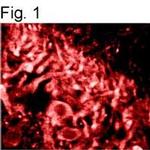


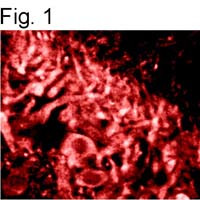
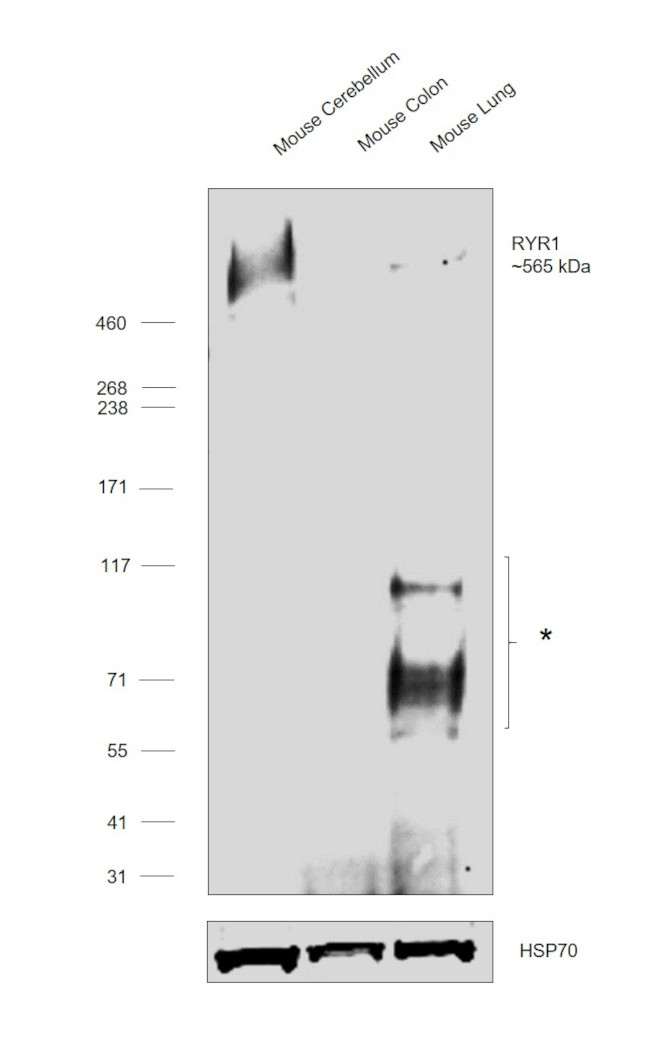
 ligand-gated ion channel

