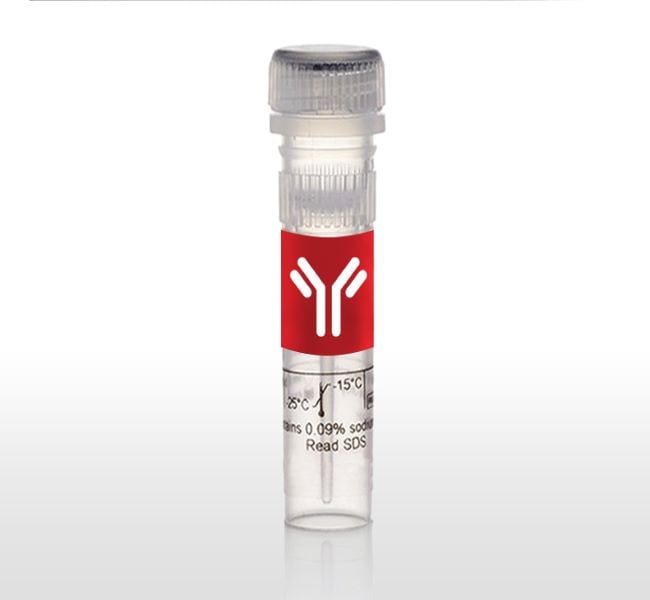
CXCL2 (GROβ) Recombinant Human Protein, AA 39-107
Gibco™

CXCL2 (GROβ) Recombinant Human Protein, AA 39-107

Recombinant CXCL2 (Gro-β) is a bioactive protein intended for use in cell culture applications. CXCL2 is a chemokine that inducesRead more
Have Questions?
Catalog NumberQuantity
PHC9221100 μg
Catalog number PHC9221
Price (USD)
-
Quantity:
100 μg
Recombinant CXCL2 (Gro-β) is a bioactive protein intended for use in cell culture applications. CXCL2 is a chemokine that induces the infiltration of neutrophils.
For Research Use Only. Not for use in diagnostic procedures.
Specifications
Accession NumberCR542171, CR617096
ClassificationCarrier-Free
Endotoxin LevelVery Low
Expression SystemE. coli
Gene AliasCXCL2 (GROβ) (AA 39-107)
Gene ID (Entrez)CR542171, CR617096
Gene SymbolCXCL2
Mass100 μg
Molecular Weight (g/mol)7.5 kDa
Product LineGibco
Protein FamilyChemokines & Receptors
Protein FormRecombinant, Ligand, Truncated
Protein Length69 aa
Protein SubtypeGRO⁄KC⁄CINC Chemokines
Protein TagUntagged
Purification MethodSequential Chromatography
Purity or Quality Grade95 %
Quantity100 μg
Research CategoryInflammation, Oncology
Shipping ConditionWet Ice
SourceHuman
For Use With (Application)Cell Culture
FormLyophilized
RecombinantRecombinant
SpeciesHuman
Unit Size100 µg
Contents & Storage
This product is supplied lyophilized, carrier-free.
Lyophilized human GRO-β should be stored at 2-8°C, preferably desiccated. Store reconstituted human GRO-β at = –20°C (not in a frost-free freezer). Keep freeze-thaw cycles to a minimum.

Frequently asked questions (FAQs)

It looks like the recombinant protein vial I received from you is empty. Is this normal?

Gibco recombinant proteins are frequently formulated without carrier proteins or additives (e.g., BSA, HSA, sucrose, etc.) and no Gibco PeproTech recombinant protein contains a carrier protein. As a result, during lyophilization, the protein product may be deposited on the vial as a thin, and sometimes invisible, film instead of a pellet. The size of the pellet, if any, is not directly related to the quantity of the recombinant protein in the vial. Our quality control procedures assure that each vial contains the correct amount of product.

To ensure complete recovery of protein product, before opening a vial of lyophilized recombinant protein, we recommend centrifuging it in a microcentrifuge for 20-30 seconds to drive any protein that may be lodged in the cap or on the side to the bottom of the vial. After reconstitution, you can confirm the presence of product protein by running a small amount on SDS-PAGE. In general, a protein band with expected size should be visible with as little as 10 ng of protein loaded on an acrylamide gel.

Find additional tips, troubleshooting help, and resources within our Cell Culture Support Center.

Why does my recombinant protein not show activity in my own experiment?

Assay time is critical. Each assay needs to beoptimized and performed at the peak response time. Different cells may respond differently to a growth factor or cytokine. We suggest repeating our QC assay using same indicator cells as suggested in the manual to see if you can obtain a similar response. In addition, serum may be masking the response. Serum starvation might be needed for certain types of assays.

How should I store the reconstituted recombinant proteins?

Protein solutions are generally not very stable when frozen at low concentration. Upon freeze and thaw, some proteins in the solution may stick to the wall of the container, which results in significant reduction of protein concentration if the starting concentration was low. Therefore, carrier proteins are used to reduce such loss. The most commonly used carrier proteins include bovine serum albumin (BSA), human serum albumin (HSA), or fetal bovine serum (FBS). These carrier proteins are generally used at 0.1% concentration. As a rule of thumb, if the concentration of the recombinant protein is less than 0.5 mg/mL, it is a good idea to add some carrier protein

How do I store my lyophilized recombinant protein?

Lyophilized proteins can typically be stored at 2 to 8 degrees C for several weeks, or stored dessicated at -20 degrees C for long-term storage.