Search
Invitrogen
IL-5 Monoclonal Antibody (TRFK5), PE, eBioscience™
{{$productOrderCtrl.translations['antibody.pdp.commerceCard.promotion.promotions']}}
{{$productOrderCtrl.translations['antibody.pdp.commerceCard.promotion.promocode']}}: {{promo.promoCode}} {{promo.promoTitle}} {{promo.promoDescription}}. {{$productOrderCtrl.translations['antibody.pdp.commerceCard.promotion.learnmore']}}
{{$ctrl.translations['antibody.pdp.skuNotes.additionalInformation']}}:

FIGURE: 1 / 5
IL-5 Antibody (12-7052-82) in Flow
Normal human peripheral blood cells were polarized under Th2 conditions and then unstimulated (left) or stimulated for 5 hours with Cell Stimulation Cocktail (Product # 00-4970-03) in the presence of Brefeldin A Solution (Product # 00-4506-51) (right). Cells were intracellularly stained with Anti-Human CD4 FITC (Product # 11-0048-42) and 0.125 µg of Anti-Human/Mouse IL-5 PE using the Intracellular Fixation & Permeabilization Buffer Set (Product # 88-8824-00) and protocol. Cells in the lymphocyte gate were used for analysis.


Please note: We are reviewing Western blot images included in the antibody testing data in our catalog, including those provided by third parties. Unless expressly labeled or annotated as “raw-unedited”, Western blot images included in the antibody testing data in our catalog may have been edited, optimized or otherwise adjusted for presentation.


Product Details
12-7052-82
Applications
Tested Dilution
Publications
Product Specifications
Species Reactivity
Human,
Mouse
Published species
Human,
Mouse
Host/Isotype
Rat
/ IgG1
Recommended Isotype Control
Class
Monoclonal
Type
Antibody
Clone
TRFK5
Conjugate
PE
PE
PE
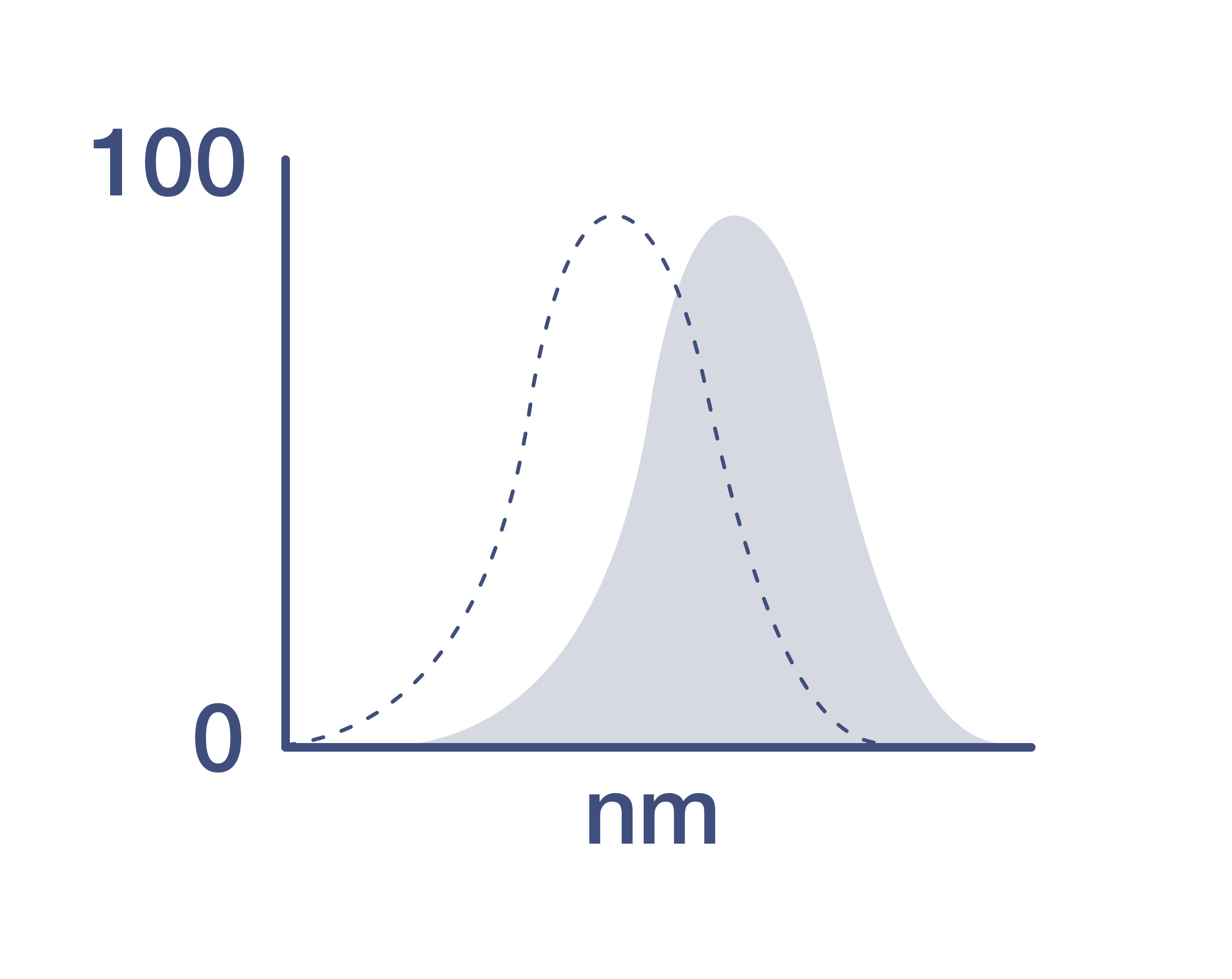
Excitation/Emission Max
565/576 nm
View spectra
Form
Liquid
Concentration
0.2 mg/mL
Amount
100 µg
Purification
Affinity chromatography
Storage buffer
PBS, pH 7.2
Contains
0.09% sodium azide
Storage conditions
4°C, store in dark, DO NOT FREEZE!
Shipping conditions
Ambient (domestic); Wet ice (international)
RRID
Product Specific Information
Description: The TRFK5 antibody reacts with mouse and human interleukin-5 (IL-5). The TRFK5 antibody is a neutralizing antibody. mouse IL-5 is a disulfide-linked homodimer, containing two 113 amino acid peptides; these resolve as 32-34 kDa bands in SDS-PAGE. IL-5 is produced by T cells and has been known as eosinophil-differentiating factor (EDF), B cell growth factor II (BCGFII), and T cell-replacing factor (TRF). IL-5 induces eosinophil differentiation and promotes eosinophil survival and activation. In mice, IL-5 has been shown to stimulate B cell proliferation and antibody production.
Applications Reported: This TRFK5 antibody has been reported for use in intracellular staining followed by flow cytometric analysis.
Applications Tested: This TRFK5 antibody has been pre-titrated and tested by intracellular staining followed by flow cytometric analysis of stimulated normal human peripheral blood cells using the Intracellular Fixation & Permeabilization Buffer Set (Product # 88-8824-00) and protocol. Please refer to BestProtocols®: Protocol A: Two step protocol for (cytoplasmic) intracellular proteins located under the Resources Tab online. This can be used at less than or equal to 0.25 µg per test. A test is defined as the amount (µg) of antibody that will stain a cell sample in a final volume of 100 µL. Cell number should be determined empirically but can range from 10^5 to 10^8 cells/test. It is recommended that the antibody be carefully titrated for optimal performance in the assay of interest.
Excitation: 488-561 nm; Emission: 578 nm; Laser: Blue Laser, Green Laser, Yellow-Green Laser.
Filtration: 0.2 µm post-manufacturing filtered.
Target Information
IL-5 is a cytokine that acts as a growth and differentiation factor for both B cells and eosinophils. IL-5 cytokine is a main regulator of eosinopoiesis, eosinophil maturation and activation. The elevated production of this cytokine is reported to be related to asthma or hypereosinophilic syndromes. The receptor of IL-5 cytokine is a heterodimer, whose beta subunit is shared with the receptors for interleukine 3 (IL3) and colony stimulating factor 2 (CSF2/GM-CSF). IL-5, together with those for interleukin 4 (IL4), interleukin 13 (IL13), and CSF2, form a cytokine gene cluster on chromosome 5. IL-5, IL4, and IL13 are found to be regulated coordinately by long-range regulatory elements spread over 120 kilobases on chromosome 5q31.
For Research Use Only. Not for use in diagnostic procedures. Not for resale without express authorization.
How to use the Panel Builder
Watch the video to learn how to use the Invitrogen Flow Cytometry Panel Builder to build your next flow cytometry panel in 5 easy steps.
Bioinformatics
Protein Aliases: B-cell differentiation factor I; B-cell growth factor II; BCGF-II; colony-stimulating factor, eosinophil; cytotoxic T-lymphocyte inducer; eosinophil differentiation factor; ILN; Interleukin; Interleukin5; T-cell replacing factor; TRF; unnamed protein product
Gene Aliases: EDF; IL-5; TRF
UniProt ID: (Human) P05113, (Mouse) P04401
Entrez Gene ID: (Human) 3567, (Mouse) 16191
positive regulation of immunoglobulin production
immune response
JAK-STAT cascade
positive regulation of cell proliferation
cytokine-mediated signaling pathway
eosinophil differentiation
positive regulation of B cell proliferation
interleukin-5-mediated signaling pathway
positive regulation of eosinophil differentiation
positive regulation of transcription from RNA polymerase II promoter
positive regulation of JAK-STAT cascade
positive regulation of peptidyl-tyrosine phosphorylation
positive regulation of podosome assembly
inflammatory response
Disclaimer

Clicking the images or links will redirect you to a website hosted by BenchSci that provides third-party scientific content. Neither the content nor the BenchSci technology and processes for selection have been evaluated by us; we are providing them as-is and without warranty of any kind, including for use or application of the Thermo Fisher Scientific products presented.

Performance Guarantee
If an Invitrogen™ antibody doesn't perform as described on our website or datasheet,we'll replace the product at no cost to you, or provide you with a credit for a future purchase.*
Learn more
We're here to help
Get expert recommendations for common problems or connect directly with an on staff expert for technical assistance related to applications, equipment and general product use.
Contact tech support