Hamburger Menu Button
Thermo Fisher Scientific Logo
Faça o login
Não tem uma conta? Criar Conta​
  • Produtos
    • Consumíveis de Laboratório
    • Equipamentos de Laboratório
    • Instrumentos de Laboratório
    • Clínica & Diagnóstico
    • Cromatografia
    • Espectrômetria de Massas
    • Cultura Celular
    • Análise Celular
    • Anticorpos
    • Biologia Molecular & Análise de Ácidos Nucleicos
    • Produtos Ácidos Nucleicos Específicos de Sequência
    • Veja todas as categorias de produtos
  • Aplicações
    • Cultura Celular e Transfecção
    • Citometria de Fluxo
    • Pesquisa em Oncologia
    • Cromatografia
    • Sequenciamento
    • PCR
    • Soluções Laboratoriais
    • Diagnóstico de Alergias
    • Veja todas as aplicações e técnicas
  • Serviços
    • Serviços de Instrumentos e Equipamentos de Laboratório
    • Serviços Personalizados
    • Serviços de Treinamento
    • Informática de Laboratório em Nível Empresarial
    • Serviços Financeiros e de Arrendamento
    • CDMO & Serviços de Ensaios Clínicos
    • Veja todas as serviços
  • Ajuda e suporte
    • Cadastre-se em nosso site
    • Como fazer o pedido
    • Entre em Contato Conosco
    • Mudança de Localização do Site
    • Veja todos os tópicos de ajuda e suporte
  • Popular
    • Our Instagram
      Nosso Instagram
    • Our Facebook
      Nosso Facebook
    • Blog Behind the Bench
      Blog Behind the Bench
    • Customer Experience Center (CEC)
      Customer Experience Center (CEC)
    • Ecommerce Exclusives
  • Quem atendemos
    • Setor de Biotecnologia
    • Indústria Biofarmacêutica
    • CDMO
    • Diagnósticos Laboratoriais
    • Ciência Industrial e Aplicada
  • Ofertas especiais
  • Fale Conosco
  • Pedido rápido
  • Documentos e certificados
Thermo Fisher Scientific Logo

Search

Search All
Search button
          • Fale Conosco
          • Pedido rápido
          • Faça o login
            Faça o login
            Não tem uma conta? Criar Conta​
            • Conta
            • Status do pedido
            • Produtos Customizados & Projetos
          • Primary Antibodies ›
          • PD-1 (CD279) Antibodies

          Invitrogen

          CD279 (PD-1) Monoclonal Antibody (J43), Functional Grade, eBioscience™

          50 Published Figures
          56 References
          View all (259) PD-1 (CD279) antibodies

          {{$productOrderCtrl.translations['antibody.pdp.commerceCard.promotion.promotions']}}

          {{$productOrderCtrl.translations['antibody.pdp.commerceCard.promotion.viewpromo']}}

          {{$productOrderCtrl.translations['antibody.pdp.commerceCard.promotion.promocode']}}: {{promo.promoCode}} {{promo.promoTitle}} {{promo.promoDescription}}. {{$productOrderCtrl.translations['antibody.pdp.commerceCard.promotion.learnmore']}}

          Datasheet
          Certificates
          Protocols
          Questions & Answers
          Tech Support
          Datasheet
          Certificates
          Protocols
          Questions & Answers
          Tech Support
          Datasheet
          Certificates
          Protocols
          Questions & Answers
          Tech Support

          Cite CD279 (PD-1) Monoclonal Antibody (J43), Functional Grade, eBioscience™

          Additional Information:
          {{banner.description}}
          {{$ctrl.isSkuNotesCollapsed ? 'View more' : 'View less'}}
          • Antibody Testing Data (1)
          • Published Figures (50)
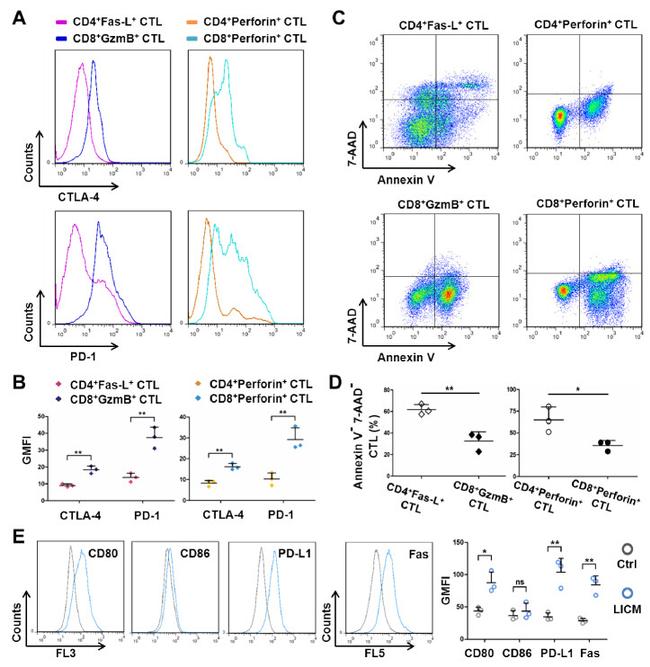
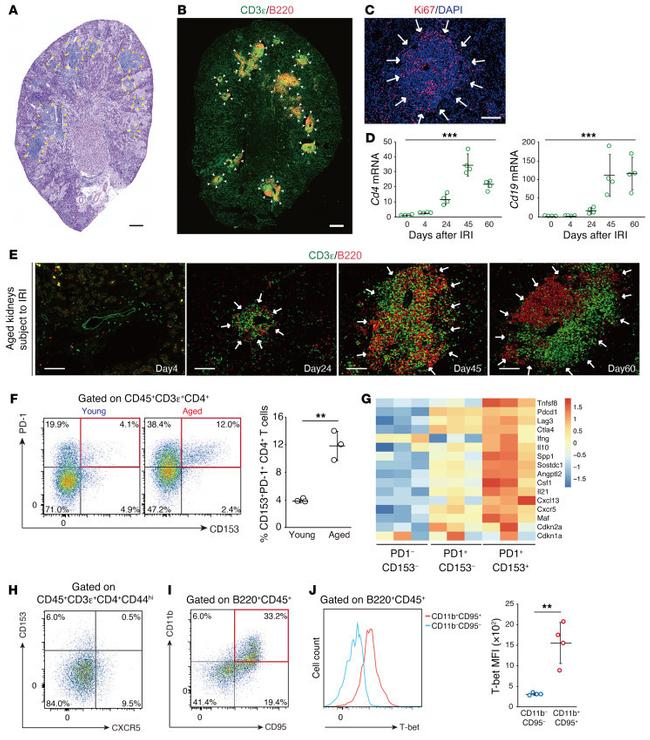
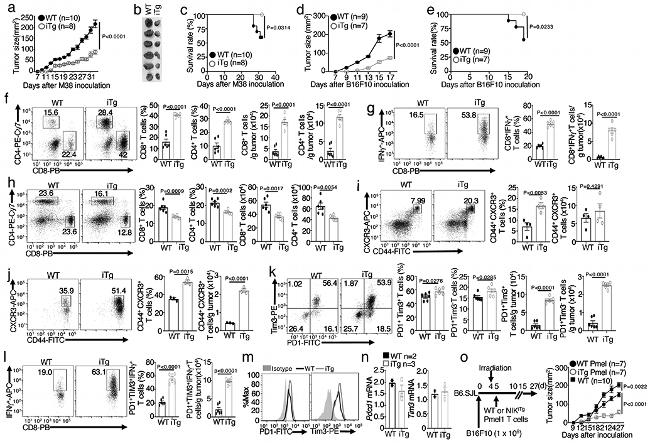
          CD279 (PD-1) Antibody in Flow Cytometry (Flow)
          Group 53 Created with Sketch.
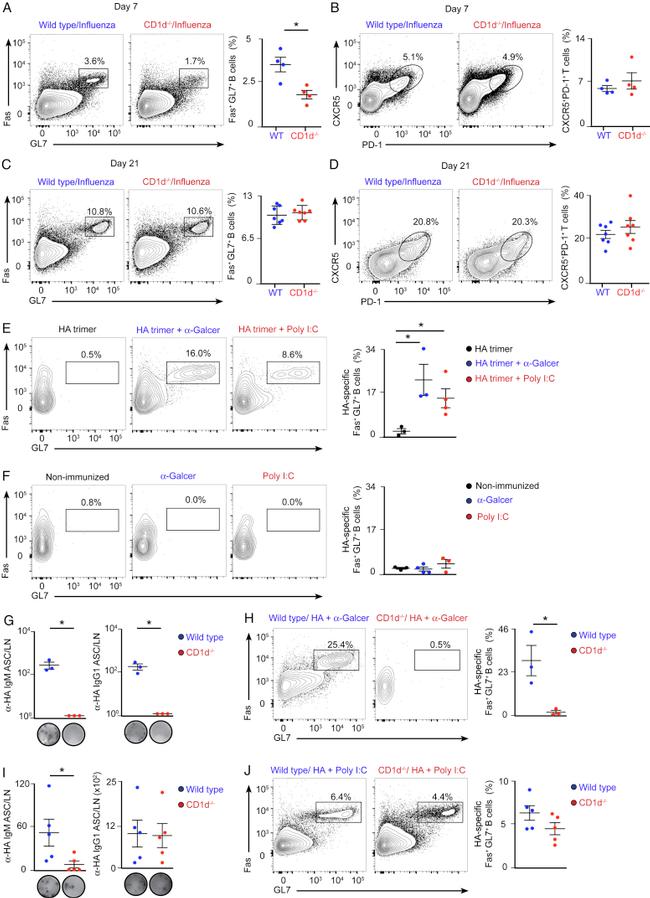
          CD279 (PD-1) Antibody in Flow Cytometry (Flow)
          Group 53 Created with Sketch.

          FIGURE: 1 / 51

          {{ $ctrl.currentElement.advancedVerification.fullName }}
          {{ $ctrl.currentElement.advancedVerification.text }}

          CD279 (PD-1) Antibody (16-9985-82) in Flow

          Staining of 3-day unstimulated (left) and 3-day ConA-stimulated (right) BALB/c splenocytes with 0.25 µg of Armenian Hamster IgG Isotype Control Functional Grade Purified (Product # 16-4888-81) (open histogram) or 0.25 µg of Anti-Mouse CD279 (PD-1) Functional Grade Purified (filled histogram) followed by Anti-Armenian Hamster IgG Biotin (Product # 13-4113-85) and Streptavidin PE (Product # 12-4317-87). Total viable cells were used for analysis. {{ $ctrl.currentElement.advancedVerification.fullName }} validation info. View more
          Published figure supplied by benchsci-logo
          PMID: {{$ctrl.currentElement.benchSciPubmedId}}
          View Product

          {{$ctrl.videoDesc}}

          {{$ctrl.videoLongDesc}}

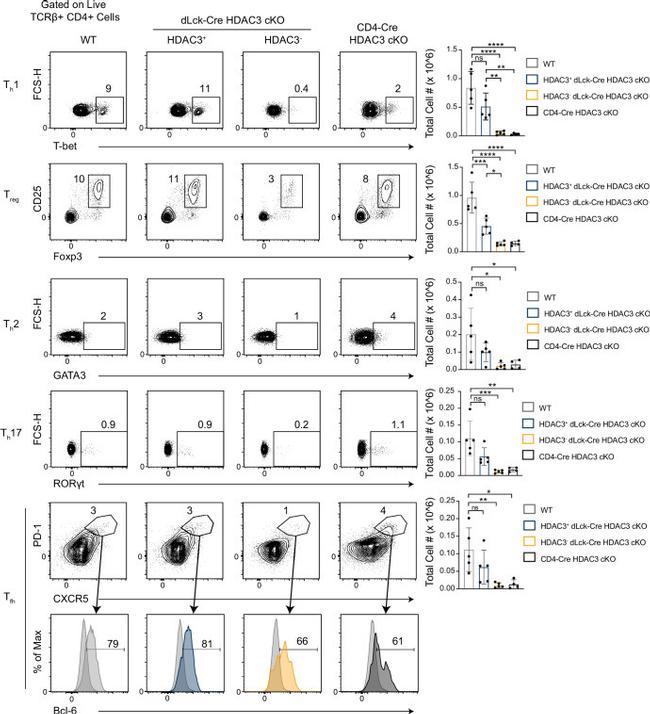
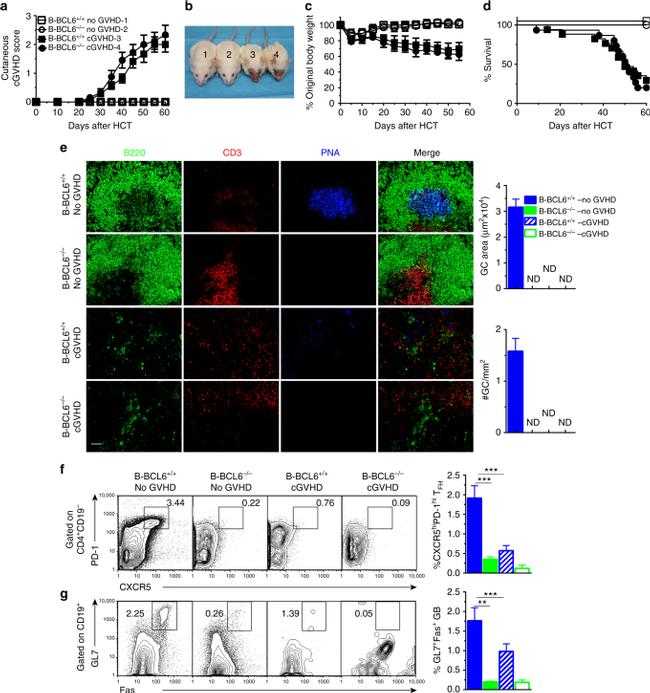
          CD279 (PD-1) Antibody in Flow Cytometry (Flow)
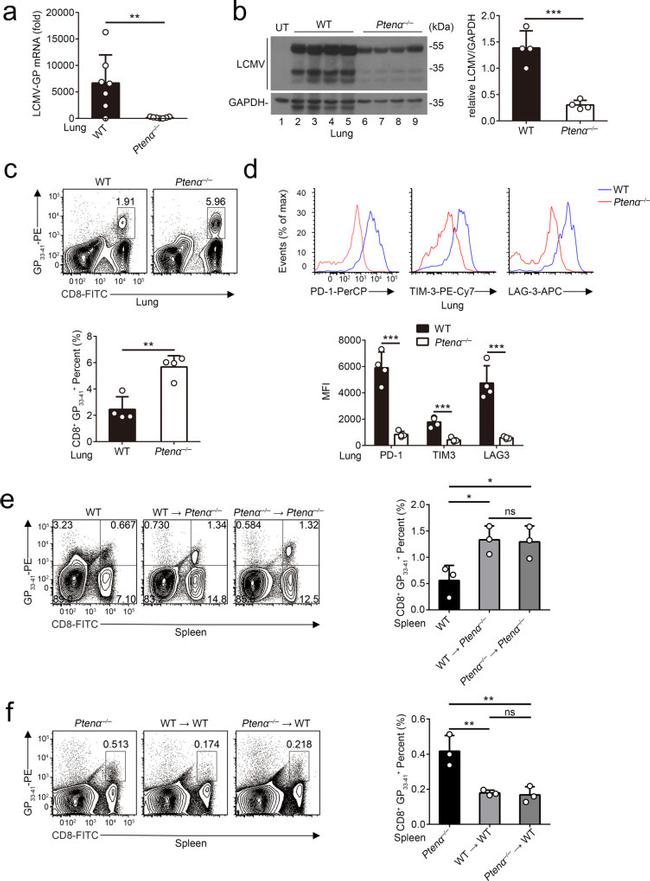
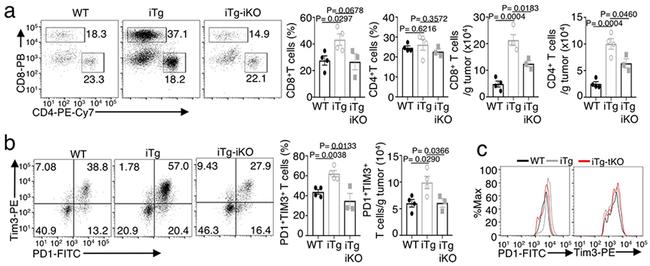
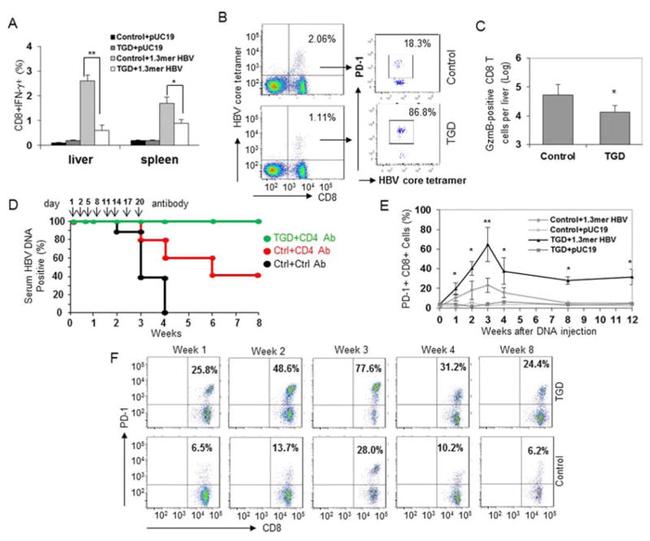
          CD279 (PD-1) Antibody in Flow Cytometry (Flow)
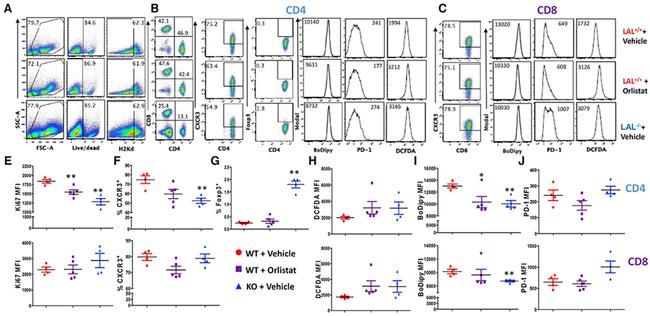
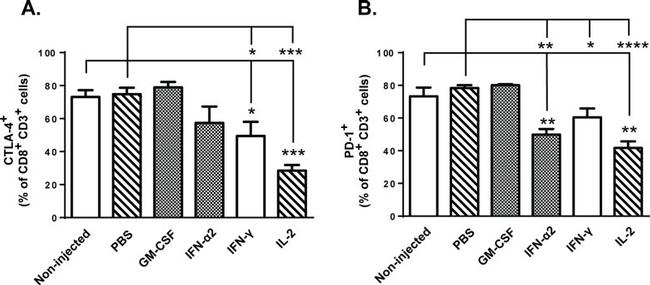
          CD279 (PD-1) Antibody in Flow Cytometry (Flow)
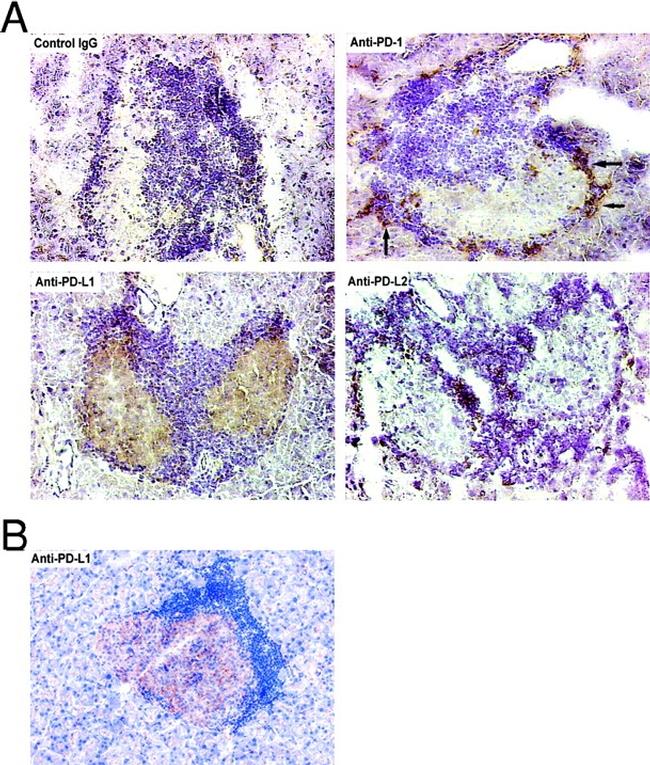
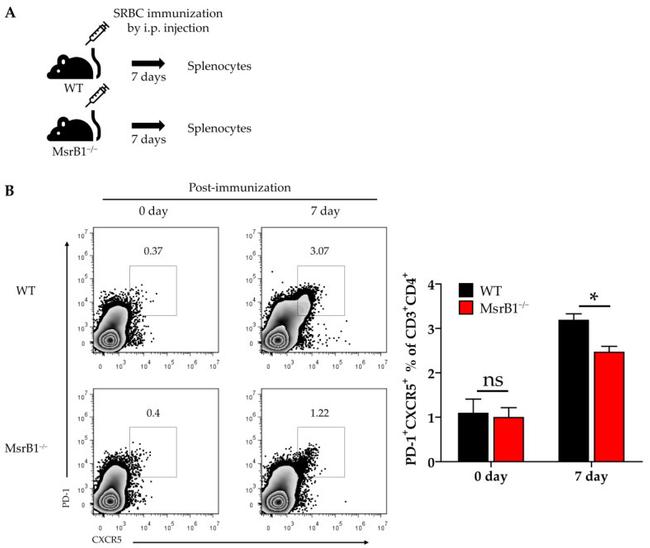
          CD279 (PD-1) Antibody in Immunohistochemistry (IHC)
          CD279 (PD-1) Antibody in Immunohistochemistry (IHC)
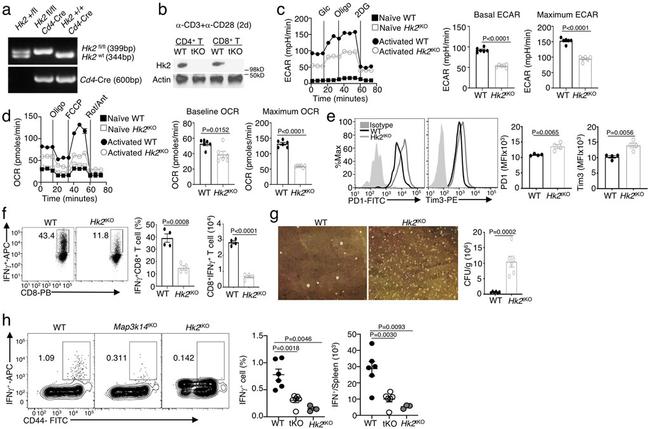
          CD279 (PD-1) Antibody in Flow Cytometry (Flow)
          CD279 (PD-1) Antibody in Flow Cytometry (Flow)
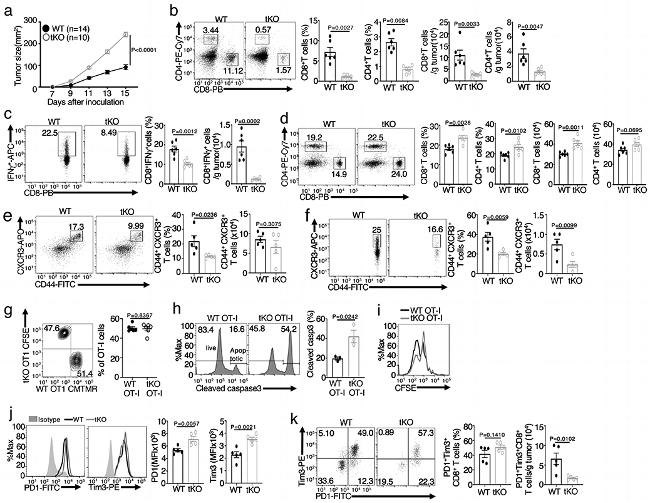
          CD279 (PD-1) Antibody in Flow Cytometry (Flow)
          CD279 (PD-1) Antibody in Flow Cytometry (Flow)
          CD279 (PD-1) Antibody in Flow Cytometry (Flow)
          CD279 (PD-1) Antibody in Flow Cytometry (Flow)
          CD279 (PD-1) Antibody in Flow Cytometry (Flow)
          CD279 (PD-1) Antibody in Flow Cytometry (Flow)
          CD279 (PD-1) Antibody in Flow Cytometry (Flow)
          CD279 (PD-1) Antibody in Flow Cytometry (Flow)
          CD279 (PD-1) Antibody in Flow Cytometry (Flow)
          CD279 (PD-1) Antibody in Flow Cytometry (Flow)
          CD279 (PD-1) Antibody in Flow Cytometry (Flow)
          CD279 (PD-1) Antibody in Flow Cytometry (Flow)
          CD279 (PD-1) Antibody in Flow Cytometry (Flow)
          CD279 (PD-1) Antibody in Flow Cytometry (Flow)
          CD279 (PD-1) Antibody in Flow Cytometry (Flow)
          CD279 (PD-1) Antibody in Flow Cytometry (Flow)
          CD279 (PD-1) Antibody in Flow Cytometry (Flow)
          CD279 (PD-1) Antibody in Flow Cytometry (Flow)
          CD279 (PD-1) Antibody in Flow Cytometry (Flow)
          CD279 (PD-1) Antibody in Flow Cytometry (Flow)
          CD279 (PD-1) Antibody in Flow Cytometry (Flow)
          CD279 (PD-1) Antibody in Flow Cytometry (Flow)
          CD279 (PD-1) Antibody in Flow Cytometry (Flow)
          CD279 (PD-1) Antibody in Flow Cytometry (Flow)
          CD279 (PD-1) Antibody in Flow Cytometry (Flow)
          CD279 (PD-1) Antibody in Flow Cytometry (Flow)
          CD279 (PD-1) Antibody in Flow Cytometry (Flow)
          CD279 (PD-1) Antibody in Flow Cytometry (Flow)
          CD279 (PD-1) Antibody in Flow Cytometry (Flow)
          CD279 (PD-1) Antibody in Flow Cytometry (Flow)
          CD279 (PD-1) Antibody in Flow Cytometry (Flow)
          CD279 (PD-1) Antibody in Flow Cytometry (Flow)
          CD279 (PD-1) Antibody in Flow Cytometry (Flow)
          CD279 (PD-1) Antibody in Flow Cytometry (Flow)
          CD279 (PD-1) Antibody in Flow Cytometry (Flow)
          CD279 (PD-1) Antibody in Flow Cytometry (Flow)
          CD279 (PD-1) Antibody in Flow Cytometry (Flow)
          CD279 (PD-1) Antibody in Flow Cytometry (Flow)
          CD279 (PD-1) Antibody in Flow Cytometry (Flow)
          CD279 (PD-1) Antibody in Flow Cytometry (Flow)
          CD279 (PD-1) Antibody in Flow Cytometry (Flow)
          CD279 (PD-1) Antibody in Flow Cytometry (Flow)
          CD279 (PD-1) Antibody in Flow Cytometry (Flow)
          CD279 (PD-1) Antibody in Neutralization (Neu)

          Product Details

          16-9985-82

          Applications
          Tested Dilution
          Publications

          Immunohistochemistry (IHC)

          -
          View 2 publications 2 publications

          Immunohistochemistry (Frozen) (IHC (F))

          -
          View 1 publication 1 publication

          Flow Cytometry (Flow)

          0.5 µg/test
          View 46 publications 46 publications

          ELISA (ELISA)

          -
          View 1 publication 1 publication

          Neutralization (Neu)

          -
          View 2 publications 2 publications

          Functional Assay (Functional)

          Assay-Dependent
          View 4 publications 4 publications
          Product Specifications

          Species Reactivity

          Mouse

          Published species

          Human, Mouse

          Host/Isotype

          Armenian hamster / IgG

          Recommended Isotype Control

          Armenian Hamster IgG Isotype Control (eBio299Arm), Functional Grade, eBioscience™

          Class

          Monoclonal

          Type

          Antibody

          Clone

          J43

          Conjugate

          Functional Grade Functional Grade Functional Grade
          • Unconjugated
          • APC 
          • APC-eFluor 780
          • Biotin 
          • Brilliant UV 395
          • Brilliant UV 563
          • Brilliant UV 615
          • Brilliant UV 661
          • Brilliant UV 737
          • Brilliant UV 805
          • Brilliant Violet 480
          • Brilliant Violet 605
          • Brilliant Violet 650
          • Brilliant Violet 786
          • eFluor 450
          • eFluor 506
          • FITC
          • PE 
          • PE-Cyanine7
          • PE-eFluor 610
          • PerCP-eFluor 710
          • Super Bright 436
          • Super Bright 600
          • Super Bright 645
          • Super Bright 702
          • Super Bright 780
          • Request custom conjugation

          Form

          Liquid

          Concentration

          1 mg/mL

          Purification

          Affinity chromatography

          Storage buffer

          PBS, pH 7.2

          Contains

          no preservative

          Storage conditions

          4°C

          Shipping conditions

          Ambient (domestic); Wet ice (international)

          RRID

          AB_469307

          Product Specific Information

          Description: The J43 monoclonal antibody reacts with mouse PD-1 (programmed death-1), a 55 kDa member of the Ig superfamily. PD-1 contains the immunoreceptor tyrosine-based inhibitory motif (ITIM) and plays a key role in peripheral tolerance and autoimmune disease in mice. PD-1 is expressed mainly on activated T and B lymphocytes. Two novel B7 Family members have been identified as PD-1 ligands, PD-L1 (B7-H1) and PD-L2 (B7-DC). Evidence reported to date suggests overlapping functions for these ligands and their constitutive expression on some normal tissues and upregulation on activated antigen-presenting cells. It is reported that J43 inhibits the binding of mouse PD-L1-Ig and mouse PD-L2-Ig to PD-1/BHK transfected cells. When administrated in vivo, both intact and Fab of J43 are reported to enhance contact hypersensitivity and exacerbate acute GVHD similar to transfer of PD-1-deficient cells. Injection of J43 also exacerbates EAE and NOD diabetes as do specific antibodies to mouse PD-L1 and PD-L2.

          Applications Reported: The J43 antibody has been reported for use in flow cytometric analysis. It has also been reported for use in in vitro functional assays.

          Applications Tested: The J43 antibody has been tested by flow cytometric analysis of mouse Con-A activated spleen cells and mouse PD-1 transfected cells. This can be used at less than or equal to 0.5 µg per test. A test is defined as the amount (µg) of antibody that will stain a cell sample in a final volume of 100 µL. Cell number should be determined empirically but can range from 10^5 to 10^8 cells/test. It is recommended that the antibody be carefully titrated for optimal performance in the assay of interest.

          Storage and handling: Use in a sterile environment.

          Filtration: 0.2 µm post-manufacturing filtered.

          Purity: Greater than 90%, as determined by SDS-PAGE.

          Endotoxin Level: Less than 0.001 ng/µg antibody, as determined by LAL assay.

          Aggregation: Less than 10%, as determined by HPLC.

          Target Information

          Cell-mediated immune responses are initiated by T lymphocytes that are themselves stimulated by cognate peptides bound to MHC molecules on antig en-presenting cells (APC). T-cell activation is generally self-limited as activated T cells express receptors such as PD-1 (also known as PDCD-1) that mediate inhibitory signals from the APC. PD-1 can bind two different but related ligands, PDL-1 and PDL-2. Upon binding to either of these ligands, signals generated by PD-1 inhibit the activation of the immune response in the absence of "danger signals" such as LPS or other molecules associated with bacteria or other pathogens. Evidence for this is seen in PD1-null mice who exhibit hyperactivated immune systems and autoimmune diseases. Despite its predicted molecular weight, PD-1 often migrates at higher molecular weight in SDS-PAGE.

          For Research Use Only. Not for use in diagnostic procedures. Not for resale without express authorization.
          Bioinformatics

          Protein Aliases: CD279; hPD1; mPD-1; Programmed cell death protein 1; Protein PD-1; Protein PD1; sCD279; soluble CD279

          View more View less

          Gene Aliases: Ly101; PD-1; Pd1; Pdc1; Pdcd1

          View more View less

          UniProt ID: (Mouse) Q02242

          View more View less

          Entrez Gene ID: (Mouse) 18566

          View more View less

          Function(s)
          protein binding
          Process(es)
          immune system process negative regulation of tolerance induction apoptotic process positive regulation of apoptotic process negative regulation of apoptotic process positive regulation of T cell apoptotic process
          It has to be done as per old AB suggested Products section.

          Disclaimer

          Close

          Clicking the images or links will redirect you to a website hosted by BenchSci that provides third-party scientific content. Neither the content nor the BenchSci technology and processes for selection have been evaluated by us; we are providing them as-is and without warranty of any kind, including for use or application of the Thermo Fisher Scientific products presented.

          guarantee_icon

          Performance Guarantee

          If an Invitrogen™ antibody doesn't perform as described on our website or datasheet,we'll replace the product at no cost to you, or provide you with a credit for a future purchase.*

          Learn more
          help_icon

          We're here to help

          Get expert recommendations for common problems or connect directly with an on staff expert for technical assistance related to applications, equipment and general product use.

          Contact tech support
          Pedidos Plus Icon Minus Icon
          • Status do pedido
          • Ajuda para pedidos
          • Pedido rápido
          • Supply Center
          • eProcurement
          Suporte Plus Icon Minus Icon
          • Ajuda e suporte
          • Entre em Contato
          • Centros de Suporte Técnico
          • Obter Documentos e Certificados
          • Informe um Problema no Site
          Recursos Plus Icon Minus Icon
          • Centros de aprendizagem
          • Promoções
          • Eventos & Webinars
          • Mídia Sociais
          Sobre a Thermo Fisher Plus Icon Minus Icon
          • Sobre Nós Sobre Nós
          • Carreiras Carreiras
          • Investidores Investidores
          • Sala de Impresa Sala de Impresa
          • Responsabilidade Social Responsabilidade Social
          • Marcas
          • Políticas e avisos
          Nosso Portfólio Plus Icon Minus Icon
          • Thermo Scientific
          • Applied Biosystems
          • Invitrogen
          • Gibco
          • Ion Torrent
          • Fisher Scientific
          • Patheon
          • PPD
          • Terms & Conditions
          • Privacy Policy
          • Price & Freight Policy
          © 2006-2026 Thermo Fisher Scientific Inc. All rights reserved. All trademarks are the property of Thermo Fisher Scientific and its subsidiaries unless otherwise specified.
          Brasil flag icon
          Brasil

          Your items have has been added!


          Host server : magellan-search-green-7d94cb4b65-jwmpg:80/100.66.76.145:80.
          git-commit: c9e08c96761173abe34e68f880379696776a4827
          git-url: https://github.com/thermofisher/magellan-search
          git-branch: release/2.44.1-2026.02.97.1.0