Search
Invitrogen
CD66 Monoclonal Antibody (CD66a-B1.1), Super Bright™ 702, eBioscience™
{{$productOrderCtrl.translations['antibody.pdp.commerceCard.promotion.promotions']}}
{{$productOrderCtrl.translations['antibody.pdp.commerceCard.promotion.promocode']}}: {{promo.promoCode}} {{promo.promoTitle}} {{promo.promoDescription}}. {{$productOrderCtrl.translations['antibody.pdp.commerceCard.promotion.learnmore']}}
{{$ctrl.translations['antibody.pdp.skuNotes.additionalInformation']}}:

FIGURE: 1 / 1
CD66 Antibody (67-0668-42) in Flow
Staining of normal human peripheral blood cells with CD16 Monoclonal Antibody, FITC (Product # 11-0168-42) and Mouse IgG2a kappa Isotype Control, Super Bright 702 (Product # 67-4724-82) (left) or CD66 Monoclonal Antibody, Super Bright 702 (right). Cells in the granulocyte gate were used for analysis.

Please note: We are reviewing Western blot images included in the antibody testing data in our catalog, including those provided by third parties. Unless expressly labeled or annotated as “raw-unedited”, Western blot images included in the antibody testing data in our catalog may have been edited, optimized or otherwise adjusted for presentation.

Product Details
67-0668-42
Applications
Tested Dilution
Publications
Product Specifications
Species Reactivity
Human
Host/Isotype
Mouse
/ IgG2a, kappa
Recommended Isotype Control
Class
Monoclonal
Type
Antibody
Clone
CD66a-B1.1
Conjugate
Super Bright™ 702
Super Bright™ 702
Super Bright™ 702
Excitation/Emission Max
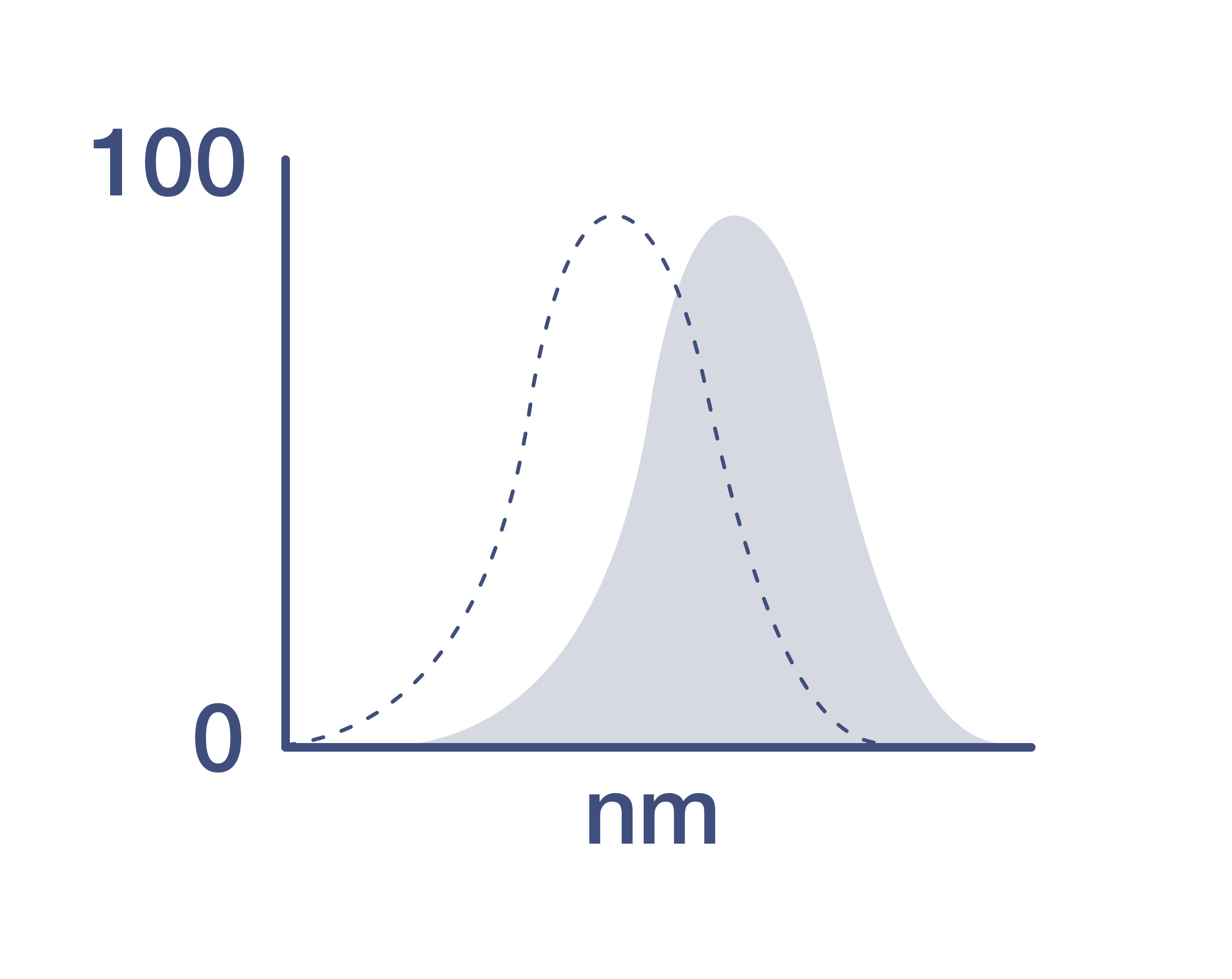
413/702 nm
View spectra
Form
Liquid
Concentration
5 µL/Test
Purification
Affinity chromatography
Storage buffer
PBS, pH 7.2, with BSA
Contains
0.09% sodium azide
Storage conditions
4°C, store in dark, DO NOT FREEZE!
Shipping conditions
Ambient (domestic); Wet ice (international)
RRID
Product Specific Information
Description: The CD66a-B1.1 monoclonal antibody reacts with human CD66a, c, d, and e, which are also known as CEACAM1, CEACAM6, CEACAM3 and CEA, respectively. CD66 is expressed on endothelial and epithelial cells, as well as on neutrophils and monocytes. Myeloma and cancer cells also express CD66. Moreover, expression of this receptor can be induced on T cells, B cells, and CD16-negative NK cells. CD66 exists as multiple splice variants that differ in the length of their cytoplasmic domain, which contains an immunoreceptor tyrosine-based inhibitory motif (ITIM) that mediates the inhibitory functions of this cell surface protein on T and NK cells. CD66 is involved in cell adhesion and growth, neutrophil activation, and signaling. Finally, studies have shown that the CD66 variants interact with each other homo- and heterotypically.
Applications Reported: This CD66a-B1.1 antibody has been reported for use in flow cytometric analysis.
Applications Tested: This CD66a-B1.1 antibody has been pre-titrated and tested by flow cytometric analysis of normal human peripheral blood cells. This can be used at 5 µL (0.25 µg) per test. A test is defined as the amount (µg) of antibody that will stain a cell sample in a final volume of 100 µL. Cell number should be determined empirically but can range from 10^5 to 10^8 cells/test.
Super Bright 702 is a tandem dye that can be excited with the violet laser line (405 nm) and emits at 702 nm. We recommend using a 710/50 bandpass filter. Please make sure that your instrument is capable of detecting this fluorochrome.
When using two or more Super Bright dye-conjugated antibodies in a staining panel, it is recommended to use Super Bright Complete Staining Buffer (Product # SB-4401) to minimize any non-specific polymer interactions. Please refer to the datasheet for Super Bright Staining Buffer for more information.
Light sensitivity: This tandem dye is sensitive to photo-induced oxidation. Please protect this vial and stained samples from light.
Fixation: Samples can be stored in IC Fixation Buffer (Product # 00-8222) (100 µL of cell sample + 100 µL of IC Fixation Buffer) or 1-step Fix/Lyse Solution (Product # 00-5333) for up to 3 days in the dark at 4°C with minimal impact on brightness and FRET efficiency/compensation. Some generalizations regarding fluorophore performance after fixation can be made, but clone specific performance should be determined empirically.
Excitation: 405 nm; Emission: 702 nm; Laser: Violet Laser
Super Bright Polymer Dyes are sold under license from Becton, Dickinson and Company.
Target Information
The CD66 molecules are 180-200 kDa glycoproteins of carcinoembryonic antigen family. They are present on all blood granulocytes and some tissue macrophages, but are absent from other hematopoietic cells. The expression of CD66 increases significantly on granulocytes upon their activation. CD66a (BGP1, CEACAM1) and CD66d (CGM1, CEACAM3), as well as CEACAM2 and 4, are transmembrane proteins, whereas CD66c (CEAL, NCA, CEACAM6) and CD66e (CEA, CEACAM5), as well as CEACAM7 and 8, are anchored to the plasma membrane by C-terminal glycosylphosphatidylinositol (GPI) lipid moiety.
For Research Use Only. Not for use in diagnostic procedures. Not for resale without express authorization.
How to use the Panel Builder
Watch the video to learn how to use the Invitrogen Flow Cytometry Panel Builder to build your next flow cytometry panel in 5 easy steps.
Bioinformatics
Protein Aliases: antigen CD66; BGP; biliary glycoprotein adhesion molecule; biliary glycoprotein I precursor; carcinoembronyic antigen; carcinoembryonic antigen; carcinoembryonic antigen CGM1; carcinoembryonic antigen CGM7; carcinoembryonic antigen gene family member 1; carcinoembryonic antigen gene family member 7; carcinoembryonic antigen precursor; carcinoembryonic antigen related cell adhesion molecule 1; carcinoembryonic antigen related cell adhesion molecule 3; carcinoembryonic antigen related cell adhesion molecule 4; carcinoembryonic antigen related cell adhesion molecule 5; carcinoembryonic antigen related cell adhesion molecule 6; carcinoembryonic antigen-related cell adhesion molecule 1 (biliary glycoprotein); carcinoembryonic antigen-related cell adhesion molecule 4-sv1; carcinoembryonic antigen-related cell adhesion molecule 4-sv2; carcinoembryonic antigen-related cell adhesion molecule 6 (non-specific cross reacting antigen); CD66a antigen; CD66d antigen; CEACAM-1; CEACAM-3; CEACAM-5; CEACAM-6; CEACAM1-3S; Cluster of Differentiation 66c; meconium antigen 100; non-specific cross-reacting antigen W236; nonspecific cross-reacting antigen; Nonspecific cross-reacting antigen (NCA); nonspecific cross-reacting antigen W236; nonspecific crossreacting antigen precursor; normal cross-reacting antigen; ORF1; ORF2; pan CEACAM; unnamed protein product
Gene Aliases: BGP; BGP1; BGPI; CD66c; CD66D; CD66e; CEA; CEAL; CGM1; CGM1a; CGM7; CGM7_HUMAN; NCA; NCA-50/90; W264; W282
UniProt ID: (Human) P13688, (Human) P40198, (Human) O75871, (Human) P06731, (Human) P40199
Entrez Gene ID: (Human) 634, (Human) 1084, (Human) 1089, (Human) 1048, (Human) 4680
actin binding
protein binding
calmodulin binding
bile acid transmembrane transporter activity
kinase binding
protein phosphatase binding
filamin binding
identical protein binding
protein homodimerization activity
protein dimerization activity
protein tyrosine kinase binding
GPI anchor binding
protein heterodimerization activity
homophilic cell adhesion via plasma membrane adhesion molecules
heterophilic cell-cell adhesion via plasma membrane cell adhesion molecules
positive regulation of cell proliferation
positive regulation of cell migration
positive regulation of heterotypic cell-cell adhesion
positive regulation of endothelial cell-matrix adhesion via fibronectin
negative regulation of anoikis
regulation of immune system process
phagocytosis
signal transduction
angiogenesis
regulation of cell growth
blood vessel development
negative regulation of T cell mediated cytotoxicity
negative regulation of natural killer cell mediated cytotoxicity directed against tumor cell target
negative regulation of protein kinase activity
cell adhesion
integrin-mediated signaling pathway
regulation of endothelial cell migration
bile acid and bile salt transport
cell migration
regulation of cell migration
negative regulation of granulocyte differentiation
negative regulation of interleukin-1 production
cellular response to insulin stimulus
common myeloid progenitor cell proliferation
insulin receptor internalization
granulocyte colony-stimulating factor signaling pathway
regulation of epidermal growth factor receptor signaling pathway
negative regulation of vascular permeability
negative regulation of cytotoxic T cell degranulation
wound healing, spreading of cells
regulation of endothelial cell differentiation
negative regulation of fatty acid biosynthetic process
negative regulation of T cell receptor signaling pathway
negative regulation of lipid biosynthetic process
regulation of protein kinase B signaling
regulation of blood vessel remodeling
regulation of ERK1 and ERK2 cascade
negative regulation of platelet aggregation
cell-cell adhesion
insulin catabolic process
regulation of homophilic cell adhesion
regulation of sprouting angiogenesis
negative regulation of hepatocyte proliferation
positive regulation of vasculogenesis
negative regulation of myotube differentiation
homotypic cell-cell adhesion
negative regulation of apoptotic process
Disclaimer

Clicking the images or links will redirect you to a website hosted by BenchSci that provides third-party scientific content. Neither the content nor the BenchSci technology and processes for selection have been evaluated by us; we are providing them as-is and without warranty of any kind, including for use or application of the Thermo Fisher Scientific products presented.

Performance Guarantee
If an Invitrogen™ antibody doesn't perform as described on our website or datasheet,we'll replace the product at no cost to you, or provide you with a credit for a future purchase.*
Learn more
We're here to help
Get expert recommendations for common problems or connect directly with an on staff expert for technical assistance related to applications, equipment and general product use.
Contact tech support