Search
Additional Information:
{{banner.description}}

FIGURE: 1 / 2
IkB alpha Antibody (740061TP555) in Flow
Flow cytometry analysis of IkB alpha was performed using HeLa cells and HeLa cells treated with 20 ng/mL TNF alpha for 10 minutes. Cells were fixed with Foxp3 / Transcription Factor Staining Buffer Set (Product # 00-5523-00), permeabilized and stained with 0.5 µg of IkB alpha Recombinant Rat Monoclonal Antibody (MFRDTRK), Alexa Fluor™ Plus 555 (Product # 740061TP555). A decreased expression of IkB alpha was observed in treated cells (blue histogram) compared to untreated cells (pink histogram). Viable cells were used for analysis, as deter... View More


Please note: We are reviewing Western blot images included in the antibody testing data in our catalog, including those provided by third parties. Unless expressly labeled or annotated as “raw-unedited”, Western blot images included in the antibody testing data in our catalog may have been edited, optimized or otherwise adjusted for presentation.


Product Details
740061TP555
Product Specifications
Species Reactivity
Human
Host/Isotype
Rat
/ IgG2b, kappa
Expression System
Expi293
Class
Recombinant Monoclonal
Type
Antibody
Clone
MFRDTRK
Conjugate
Alexa Fluor™ Plus 555
Alexa Fluor™ Plus 555
Alexa Fluor™ Plus 555
Excitation/Emission Max
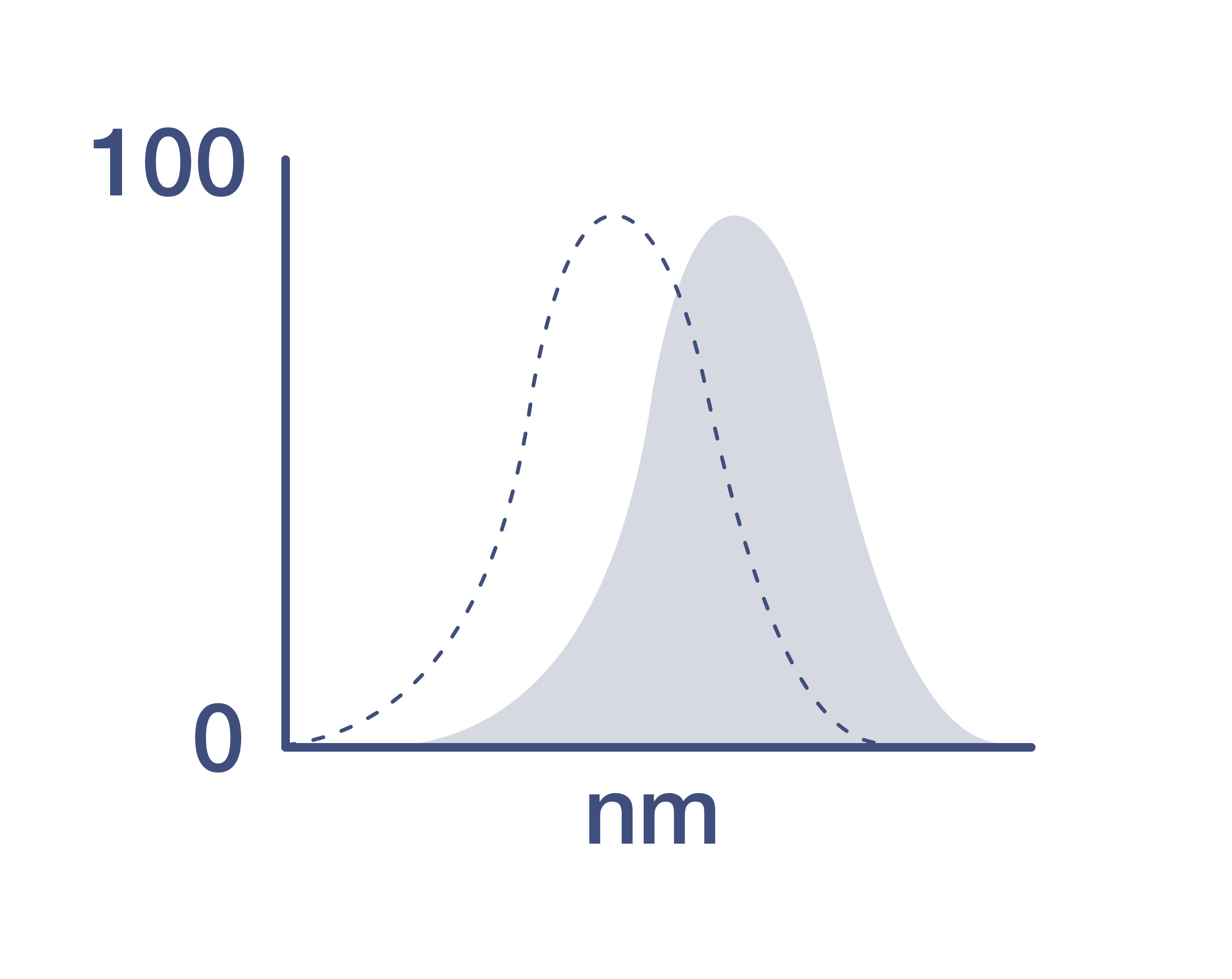
558/572 nm
View spectra
Form
Liquid
Concentration
1.0 mg/mL
Amount
50 µg
Purification
Affinity chromatography
Storage buffer
proprietary buffer, pH 6.8
Contains
0.008% Bromonitrodioxane, 0.008% Methylisothiazolone
Storage conditions
4°C, store in dark, DO NOT FREEZE!
Shipping conditions
Wet ice
RRID
Product Specific Information
Alexa Fluor™ Plus recombinant antibodies are conjugated using new, proprietary dye chemistry so you can generate stunning data. Alexa Fluor™ Plus antibodies represent an advancement in fluorescent conjugate technology. Alexa Fluor™ Plus antibodies provide brighter signal compared to leading Alexa Fluor™ antibodies, providing you with better signal-to-noise for your critical experiments. These antibodies show better specificity and lot-to-lot consistency as these are recombinant antibodies, generated by cloning specific genes for the desired antibodies into an expression vector and expressed in vitro.
Using conjugate solutions: Centrifuge the protein conjugate solution briefly in a microcentrifuge before use; add only the supernatant to the experiment. This step will help eliminate any protein aggregates that may have formed during storage, thereby reducing nonspecific background staining.
Applications Tested: This MFRDTRK antibody has been tested by flow cytometric analysis of HeLa cells treated with TNF alpha. This may be used for flow cytometry at less than or equal to 0.5 µg per test. A test is defined as the amount (µg) of antibody that will stain a cell sample in a final volume of 100 µL. Cell number should be determined empirically but can range from 10^5 to 10^8 cells/test. It is recommended that the antibody be carefully titrated for optimal performance in the assay of interest.
Excitation: 553 nm; Emission: 568 nm; Laser: Yellow Laser
Filtration: 0.2 µm post-manufacturing filtered.
Target Information
IkB-alpha is a 40 kDa protein that functions to inhibit NF- kappaB activity. The inhibition occurs via protein-protein interaction between I kappaB proteins and NF- kappaB dimers in the cytosol. The interaction of I kappa B-alpha with NF- kappaB masks the nuclear localization sequence of NF- kappaB, preventing NF- kappaB translocation to the nucleus. A variety of stimuli can activate gene expression by liberating NF- kappaB through the degradation of I kappaB alpha. These stimuli include the proinflammatory cytokines TNF- alpha and IL-1 beta, chemokines, PMA, growth factors, LPS, UV irradiation, viral infection, as well as various chemical and physical stresses. In humans, the gene is located on the q arm of chromosome 14. Activation of NFkB requires that IkB be phosphorylated on specific serine residues, which results in targeted degradation of IkB. IkB kinase alpha (IKK alpha), previously designated CHUK, interacts with IkB-alpha and specifically phosphorylates IkB-alpha on the sites that trigger its degradation Serines 32 and 36. IKK alpha appears to be critical for NFkB activation in response to proinflammatory cytokines. Phosphorylation of IkB by IKK alpha is stimulated by the NFkB inducing kinase (NIK), which itself is a central regulator for NFkB activation in response to TNF and IL-1. The functional IKK complex contains three subunits, IKK alpha, IKK beta and IKK gamma, and each appear to make essential contributions to IkB phosphorylation.
For Research Use Only. Not for use in diagnostic procedures. Not for resale without express authorization.
References (0)
Have you cited this product in a publication?
Let us know so we can reference it here.
Bioinformatics
Protein Aliases: I-kappa-B-alpha; IkB-alpha; IKBalpha; Major histocompatibility complex enhancer-binding protein MAD3; NF-kappa-B inhibitor alpha
Gene Aliases: IKBA; MAD3; NFKBI; NFKBIA
Entrez Gene ID: (Human) 4792
Disclaimer

Clicking the images or links will redirect you to a website hosted by BenchSci that provides third-party scientific content. Neither the content nor the BenchSci technology and processes for selection have been evaluated by us; we are providing them as-is and without warranty of any kind, including for use or application of the Thermo Fisher Scientific products presented.

Performance Guarantee
If an Invitrogen™ antibody doesn't perform as described on our website or datasheet,we'll replace the product at no cost to you, or provide you with a credit for a future purchase.*
Learn more
We're here to help
Get expert recommendations for common problems or connect directly with an on staff expert for technical assistance related to applications, equipment and general product use.
Contact tech support