Search
Invitrogen
AKT Pan Polyclonal Antibody
{{$productOrderCtrl.translations['antibody.pdp.commerceCard.promotion.promotions']}}
{{$productOrderCtrl.translations['antibody.pdp.commerceCard.promotion.viewpromo']}}
{{$productOrderCtrl.translations['antibody.pdp.commerceCard.promotion.promocode']}}: {{promo.promoCode}} {{promo.promoTitle}} {{promo.promoDescription}}. {{$productOrderCtrl.translations['antibody.pdp.commerceCard.promotion.learnmore']}}
Additional Information:
{{banner.description}}

FIGURE: 1 / 30
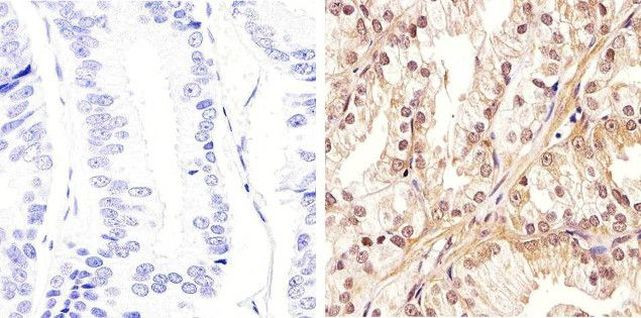
AKT Pan Antibody (44-609G) in ICC/IF
Immunofluorescence analysis of AKT pan was done on 70% confluent log phase U2OS cells. The cells were fixed with 4% paraformaldehyde for 15 minutes, permeabilized with 0.25% Triton™ X-100 for 10 minutes, and blocked with 5% BSA for 1 hour at room temperature. The cells were labeled with AKT pan Rabbit Polyclonal Antibody (Product # 44-609G) at 1:250 dilution in 0.1%BSA and incubated for 3 hours at room temperature and then labeled with Alexa Fluor 488 Goat Anti-Rabbit IgG Secondary Antibody (Product # A-11008) at a dilution of 1:400 for 30... View More









Product Details
44-609G
Applications
Tested Dilution
Publications
Product Specifications
Species Reactivity
Human,
Mouse
Published species
Human,
Mouse,
Rat
Host/Isotype
Rabbit
/ IgG
Class
Polyclonal
Type
Antibody
Immunogen
The antiserum was produced against a chemically synthesized phosphopeptide derived from the carboxy-terminal region of human Akt1.
Conjugate
Form
Liquid
Purification
Antigen affinity chromatography
Storage buffer
Dulbecco's PBS, pH 7.3, with 1mg/mL BSA
Contains
0.05% sodium azide
Storage conditions
-20°C
Shipping conditions
Ambient (domestic); Wet ice (international)
RRID
Target Information
AKT also known as protein kinase B (PKB) or RAS-alpha, is an ubiquitous serine/threonine kinase that plays an important role in diverse biological responses such as regulation of metabolism, cell survival and growth by phosphorylating multiple proteins. This protein kinase is activated by insulin, PI3K, IGF1 and various other growth and survival factors. Akt promotes cell survival by inhibiting apoptosis through phosphorylation and inactivation of several targets, including forkhead transcription factors, and caspase-9. The AKT pathway is a major target for cancer drug discovery.
For Research Use Only. Not for use in diagnostic procedures. Not for resale without express authorization.
Bioinformatics
Protein Aliases: AKT1 kinase; AKT1m; Akt1m protein; DKFZp434N0250; kinase Akt1; MGC99656; murine thymoma viral (v-akt) homolog-2; pan akt; PKB; PKB alpha; PKB beta; PKB gamma; PKBgamma/Akt3; PKBgamma1; Protein kinase Akt-2; Protein kinase Akt-3; Protein kinase B; Protein kinase B alpha; Protein kinase B beta; Protein kinase B gamma; protein kinase B, beta; protein kinase B-alpha; Proto-oncogene c-Akt; putative v-akt murine thymoma viral oncoprotein 2; rac protein kinase alpha; RAC protein kinase beta; RAC-alpha serine/threonine-protein kinase; RAC-beta serine/threonine protein kinase; RAC-beta serine/threonine-protein kinase; RAC-gamma serine/threonine protein kinase; RAC-gamma serine/threonine-protein kinase; RAC-PK-alpha; RAC-PK-beta; RAC-PK-gamma; related to A and C kinases; serine-threonine protein kinase; similar to rat serine-threonine protein kinase; STK-2; Thymoma viral proto-oncogene; unnamed protein product; v-akt murine thymoma viral oncogene homolog 1; v-akt murine thymoma viral oncogene homolog 2; v-akt murine thymoma viral oncogene homolog 3 (protein kinase B, gamma); v-akt murine thymoma viral oncogene-like protein 1
Gene Aliases: 2410016A19Rik; AI851531; AKT; AKT1; AKT2; AKT3; AW554154; D930002M15Rik; HIHGHH; MPPH; MPPH2; Nmf350; PKB; PKB-ALPHA; PKB-GAMMA; PKB/Akt; PKBalpha; PKBB; PKBBETA; PKBG; PRKBA; PRKBB; PRKBG; RAC; RAC-ALPHA; RAC-BETA; RAC-gamma; RAC-PK-gamma; STK-2
UniProt ID: (Human) P31749, (Human) P31751, (Human) Q9Y243, (Mouse) P31750, (Mouse) Q60823, (Mouse) Q9WUA6
Entrez Gene ID: (Human) 207, (Human) 208, (Human) 10000, (Mouse) 11651, (Mouse) 11652, (Mouse) 23797
nucleotide binding
protein kinase activity
protein serine/threonine kinase activity
protein serine/threonine/tyrosine kinase activity
protein binding
calmodulin binding
ATP binding
phosphatidylinositol-3,4,5-trisphosphate binding
kinase activity
transferase activity
enzyme binding
kinase binding
protein kinase binding
nitric-oxide synthase regulator activity
protein serine/threonine kinase inhibitor activity
identical protein binding
protein homodimerization activity
phosphatidylinositol-3,4-bisphosphate binding
14-3-3 protein binding
potassium channel activator activity
protein serine kinase activity
TORC2 complex binding
metal ion binding
molecular function activator activity
protein kinase C binding
transferase activity, transferring phosphorus-containing groups
protein phosphatase 2A binding
non-receptor serine/threonine protein kinase
protein modifying enzyme
osteoblast differentiation
maternal placenta development
positive regulation of endothelial cell proliferation
cell migration involved in sprouting angiogenesis
cytoplasmic translation
complement receptor mediated signaling pathway
sphingosine-1-phosphate signaling pathway
glycogen metabolic process
glycogen biosynthetic process
regulation of glycogen biosynthetic process
glucose metabolic process
gluconeogenesis
translational initiation
regulation of translation
protein phosphorylation
ubiquitin-dependent protein catabolic process
protein import into nucleus
NLS-bearing protein import into nucleus
nitric oxide biosynthetic process
ER to Golgi vesicle-mediated transport
Golgi to plasma membrane transport
apoptotic process
activation-induced cell death of T cells
inflammatory response
response to oxidative stress
signal transduction
epidermal growth factor receptor signaling pathway
G-protein coupled receptor signaling pathway
germ cell development
nervous system development
cell proliferation
insulin receptor signaling pathway
apoptotic mitochondrial changes
cellular response to starvation
response to heat
response to hormone
gene expression
negative regulation of autophagy
positive regulation of endothelial cell migration
positive regulation of gene expression
negative regulation of gene expression
negative regulation of plasma membrane long-chain fatty acid transport
fibroblast migration
positive regulation of fibroblast migration
positive regulation of sodium ion transport
positive regulation of glucose metabolic process
regulation of neuron projection development
negative regulation of macroautophagy
phosphorylation
cell migration
protein ubiquitination
peptidyl-serine phosphorylation
peptidyl-threonine phosphorylation
cytokine-mediated signaling pathway
oogenesis stage
cell differentiation
protein catabolic process
positive regulation of cell growth
regulation of cell migration
positive regulation of cell migration
negative regulation of cell migration
anaphase-promoting complex-dependent catabolic process
SCF-dependent proteasomal ubiquitin-dependent protein catabolic process
T cell costimulation
negative regulation of protein ubiquitination
regulation of myelination
lipopolysaccharide-mediated signaling pathway
cellular response to nutrient levels
TOR signaling
negative regulation of fatty acid beta-oxidation
positive regulation of endodeoxyribonuclease activity
response to food
peripheral nervous system myelin maintenance
positive regulation of proteasomal ubiquitin-dependent protein catabolic process
cellular response to insulin stimulus
regulation of protein localization
positive regulation of peptidyl-serine phosphorylation
cellular response to stress
negative regulation of toll-like receptor signaling pathway
positive regulation of toll-like receptor signaling pathway
toll-like receptor 4 signaling pathway
cellular response to amino acid starvation
response to fluid shear stress
protein K29-linked ubiquitination
intracellular signal transduction
interleukin-18-mediated signaling pathway
cellular response to vascular endothelial growth factor stimulus
cellular response to decreased oxygen levels
SREBP-SCAP complex retention in endoplasmic reticulum
tRNA stabilization
calcium ion transmembrane import into mitochondrion
PERK-mediated unfolded protein response
TORC1 signaling
glucose homeostasis
regulation of apoptotic process
Golgi to plasma membrane protein transport
negative regulation of apoptotic process
proteasome-mediated ubiquitin-dependent protein catabolic process
anoikis
regulation of mRNA stability
protein kinase B signaling
positive regulation of blood vessel endothelial cell migration
positive regulation of nitric oxide biosynthetic process
positive regulation of cholesterol biosynthetic process
positive regulation of fat cell differentiation
positive regulation of cilium assembly
positive regulation of glycogen biosynthetic process
negative regulation of Notch signaling pathway
negative regulation of proteolysis
positive regulation of transcription from RNA polymerase II promoter
negative regulation of translational initiation
positive regulation of translational initiation
nitric oxide metabolic process
positive regulation of glucose import
positive regulation of organ growth
protein autophosphorylation
positive regulation of lipid biosynthetic process
insulin-like growth factor receptor signaling pathway
behavioral response to pain
positive regulation of smooth muscle cell proliferation
striated muscle cell differentiation
positive regulation of protein metabolic process
protein maturation
excitatory postsynaptic potential
response to growth hormone
regulation of vesicle-mediated transport
mammary gland epithelial cell differentiation
labyrinthine layer blood vessel development
protein localization to cilium
response to UV-A
response to growth factor
protein localization to endoplasmic reticulum
protein K11-linked ubiquitination
cellular response to calcium ion
cellular response to tumor necrosis factor
cellular response to growth factor stimulus
cellular response to epidermal growth factor stimulus
cellular response to prostaglandin E stimulus
tricarboxylic acid metabolic process
establishment of protein localization to mitochondrion
maintenance of protein location in mitochondrion
cellular response to rapamycin
protein K6-linked ubiquitination
negative regulation of release of cytochrome c from mitochondria
cellular response to granulocyte macrophage colony-stimulating factor stimulus
execution phase of apoptosis
vascular endothelial cell response to laminar fluid shear stress
regulation of postsynapse organization
tRNA (guanine-N7)-methylation
regulation of tRNA methylation
cellular response to oxidised low-density lipoprotein particle stimulus
cGAS/STING signaling pathway
negative regulation of protein localization to lysosome
negative regulation of cGAS/STING signaling pathway
beta-arrestin-dependent dopamine receptor signaling pathway
positive regulation of G1/S transition of mitotic cell cycle
positive regulation of protein localization to nucleus
cellular response to peptide
regulation of signal transduction by p53 class mediator
negative regulation of cilium assembly
negative regulation of oxidative stress-induced intrinsic apoptotic signaling pathway
negative regulation of leukocyte cell-cell adhesion
positive regulation of protein localization to plasma membrane
negative regulation of protein maturation
negative regulation of hydrogen peroxide-induced neuron intrinsic apoptotic signaling pathway
negative regulation of PERK-mediated unfolded protein response
negative regulation of TORC1 signaling
positive regulation of TORC1 signaling
positive regulation of TORC2 signaling
positive regulation of protein localization to endoplasmic reticulum
positive regulation of anaphase-promoting complex-dependent catabolic process
cellular response to nerve growth factor stimulus
response to insulin-like growth factor stimulus
positive regulation of protein localization to cell surface
regulation of type B pancreatic cell development
negative regulation of lymphocyte migration
negative regulation of extrinsic apoptotic signaling pathway in absence of ligand
negative regulation of intrinsic apoptotic signaling pathway
positive regulation of fatty acid beta-oxidation
protein modification process
fat cell differentiation
protein stabilization
regulation of cell cycle
cellular response to high light intensity
protein localization to plasma membrane
positive regulation of protein targeting to membrane
retinal rod cell apoptotic process
positive regulation of cap-dependent translational initiation
positive regulation of cell motility
mitochondrial genome maintenance
positive regulation of TOR signaling
positive regulation of angiogenesis
positive regulation of cell size
brain morphogenesis
homeostasis of number of cells within a tissue
positive regulation of cell migration involved in sprouting angiogenesis
positive regulation of vascular endothelial cell proliferation
positive regulation of artery morphogenesis
negative regulation of cellular senescence
protein import into nucleus, translocation
positive regulation of protein phosphorylation
carbohydrate metabolic process
translation
negative regulation of protein kinase activity
transport
cytoskeleton organization
multicellular organism development
aging
carbohydrate transport
negative regulation of endopeptidase activity
glucose transport
cell projection organization
positive regulation of cyclin-dependent protein serine/threonine kinase activity involved in G1/S transition of mitotic cell cycle
positive regulation of cellular protein metabolic process
anagen
positive regulation of apoptotic process
negative regulation of cysteine-type endopeptidase activity involved in apoptotic process
negative regulation of cell size
positive regulation of vasoconstriction
negative regulation of JNK cascade
positive regulation of nitric-oxide synthase activity
positive regulation of sequence-specific DNA binding transcription factor activity
glycogen cell differentiation involved in embryonic placenta development
cellular response to mechanical stimulus
cellular response to organic cyclic compound
cellular response to hypoxia
positive regulation of establishment of protein localization to plasma membrane
positive regulation of signal transduction
positive regulation of vesicle fusion
negative regulation of RNA splicing
positive regulation of positive chemotaxis
intracellular protein transmembrane transport
activation of GTPase activity
positive regulation of glucose import in response to insulin stimulus
Disclaimer

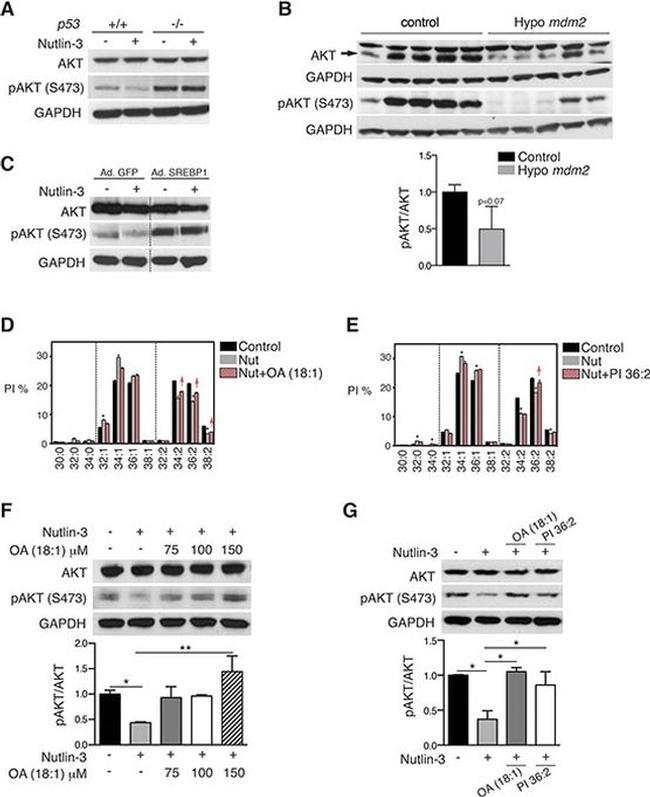
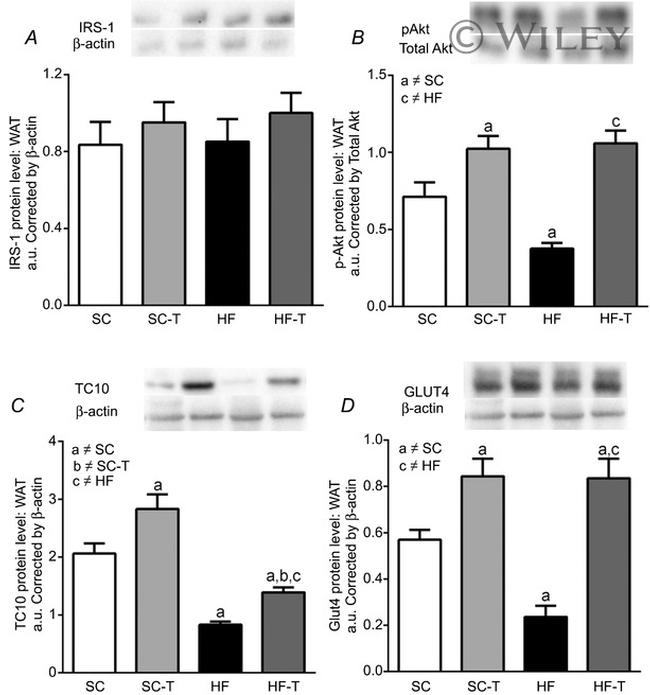
Clicking the images or links will redirect you to a website hosted by BenchSci that provides third-party scientific content. Neither the content nor the BenchSci technology and processes for selection have been evaluated by us; we are providing them as-is and without warranty of any kind, including for use or application of the Thermo Fisher Scientific products presented.

Performance Guarantee
If an Invitrogen™ antibody doesn't perform as described on our website or datasheet,we'll replace the product at no cost to you, or provide you with a credit for a future purchase.*
Learn more
We're here to help
Get expert recommendations for common problems or connect directly with an on staff expert for technical assistance related to applications, equipment and general product use.
Contact tech support